Books from Egypt
Suggest a book
All genres
Historical Fiction
Literary Fiction
Fantasy
Romance
Horror
Thriller
Non-Fiction
Mystery
Memoir
Classics
History
Sci-Fi
Contemporary Fiction
Science Fiction
Fiction
Poetry
Essays
Family Saga
Magical Realism
Family Drama
Dark Academia
Psychological Fiction
Dark Comedy
Political Writing
Feminist Fiction
Satire
Campus Fiction
Cultural Studies
Biography
Philosophy
Comedy
Drama
Young Adult
Gothic
Dystopia
Crime
Children's Books
Short Stories
Mythology
Cozy
Retellings
Humour
Adventure
All themes
Love & Passion
Adventure & Journey
Identity & Belonging
War & Conflict
Freedom & Resistance
Family & Heritage
Nature & Landscape
Society & Class
Spirituality & Faith
Solitude & Exile
Coming of Age
Revolution & Change
Friendship
History
Immigration
Myths and Retellings
Colonialism
Women & Society
Mental Health
Motherhood
1
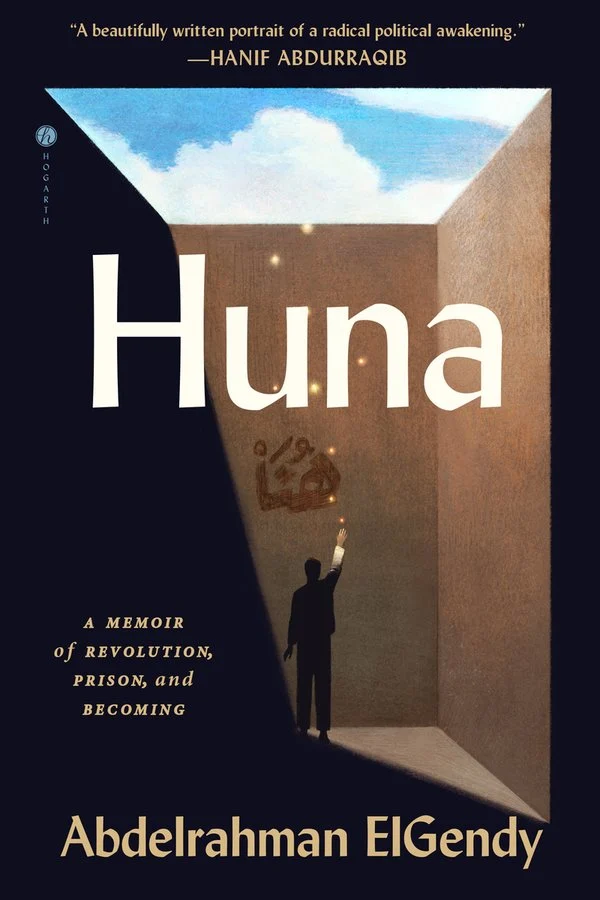
Huna
At seventeen, Abdelrahman ElGendy is arrested during Egypt’s political upheaval and spends six years imprisoned alongside his father. Amid brutal conditions and an uncertain future, he turns to writing as an act of survival and resistance. Both an intimate memoir of family, friendship, and endurance and a powerful indictment of authoritarianism, Huna asks what it means to hold on to your humanity when the world tries to erase you.
2026
2
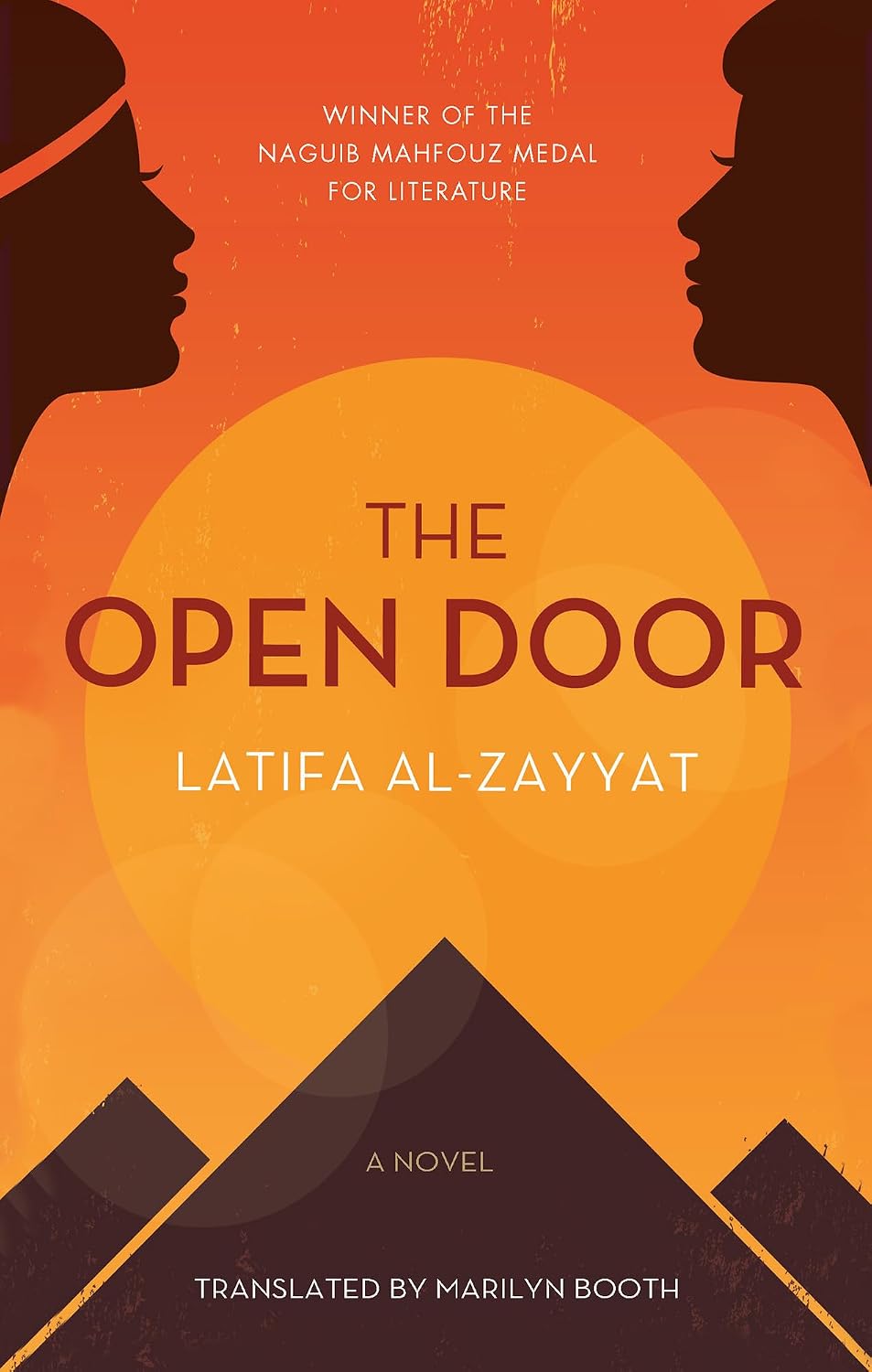
Open Door
Open Door is an autobiographical account by Latifa, an Afghan woman who describes her experiences growing up in Kabul under Taliban rule. Before the Taliban seized power, she enjoyed a relatively modern upbringing, attending school and imagining a future shaped by education and independence. As the regime tightened its control over everyday life, however, women and girls were increasingly deprived of basic freedoms, including the right to study, work, and move freely in public.
Through personal memories and reflections, Latifa recounts the fear, restrictions, and uncertainty that came to define life under the regime. Her story reveals how political oppression reaches into the most intimate aspects of family life, education, and personal identity. It also highlights the resilience of Afghan women who continued to seek knowledge and dignity despite severe constraints. Both a personal testimony and a broader reflection on human rights, Open Door explores the struggle for freedom in a society where women’s autonomy is systematically denied.
2017
3
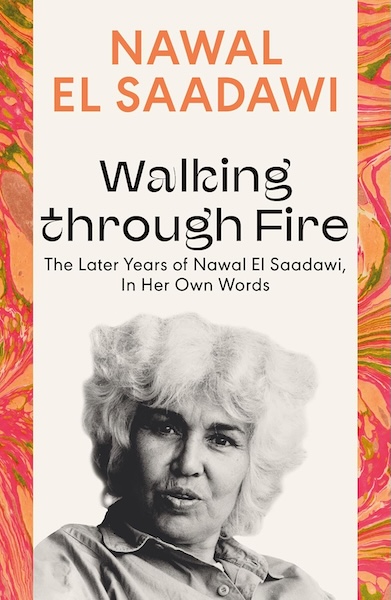
Walking through Fire
For Nawal El Saadawi, speaking openly about women’s oppression came at a personal cost: censorship, imprisonment, threats, and eventually exile. Yet she refused to surrender her voice.
In Walking Through Fire, El Saadawi continues the story of her extraordinary life, recounting her years as a physician, writer, and activist in a society where challenging political and religious authority could be dangerous. She describes her efforts to establish women’s organisations and publish feminist writing, the threats that forced her into exile, and the personal struggles that accompanied her public resistance.
The memoir reveals the woman behind the internationally recognised intellectual: passionate, questioning, and sometimes conflicted, but determined to live according to her convictions. Through recollections of marriage, motherhood, political repression, and the fight for justice, she explores what it means to remain independent in the face of relentless pressure.
A testament to intellectual courage and personal freedom, the book documents a life spent confronting the forces that sought to silence her.
2002
4
Woman at Point Zero
Woman at Point Zero tells the story of Firdaus, an Egyptian woman awaiting execution in a Cairo prison after killing a man. Through conversations with a female psychiatrist, Firdaus recounts the experiences that shaped her life, from a difficult childhood marked by poverty and abuse to her encounters with exploitation, violence, and patriarchal authority.
As Firdaus grows older, she discovers how men and social institutions repeatedly attempt to control her body, choices, and future. After experiencing marriage, prostitution, and various forms of economic dependence, she begins to question the values of a society that condemns women while protecting those who exploit them.
Drawing on themes of gender inequality, class, and power, El Saadawi presents Firdaus as a woman struggling to claim ownership of her life in a world that offers her few choices. The novel is a powerful critique of systemic oppression and an exploration of what freedom means when society denies a person dignity and autonomy.
1975