Woman at Point Zero
Egypt

Woman at Point Zero

by Nawal El Saadawi

Summary

Woman at Point Zero tells the story of Firdaus, an Egyptian woman awaiting execution in a Cairo prison after killing a man. Through conversations with a female psychiatrist, Firdaus recounts the experiences that shaped her life, from a difficult childhood marked by poverty and abuse to her encounters with exploitation, violence, and patriarchal authority.

As Firdaus grows older, she discovers how men and social institutions repeatedly attempt to control her body, choices, and future. After experiencing marriage, prostitution, and various forms of economic dependence, she begins to question the values of a society that condemns women while protecting those who exploit them.

Drawing on themes of gender inequality, class, and power, El Saadawi presents Firdaus as a woman struggling to claim ownership of her life in a world that offers her few choices. The novel is a powerful critique of systemic oppression and an exploration of what freedom means when society denies a person dignity and autonomy.

Reviews

Login to leave a review.

No reviews yet. Be the first!

You might also like
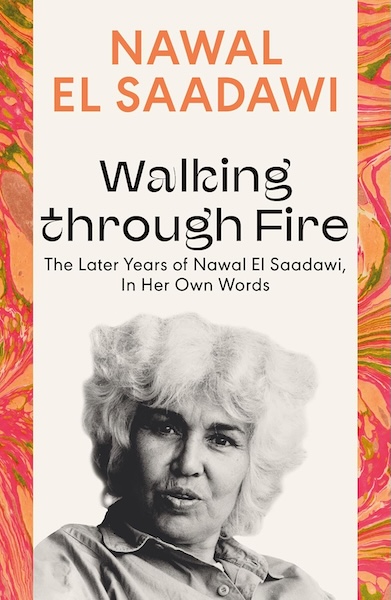
Nawal El Saadawi
Nawal El Saadawi

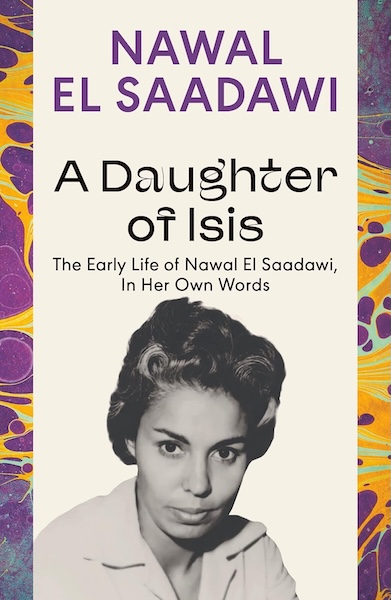
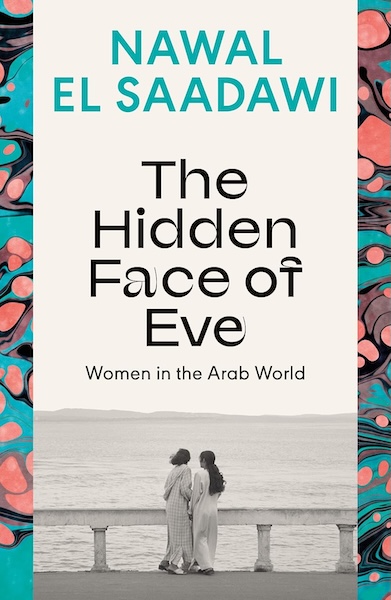
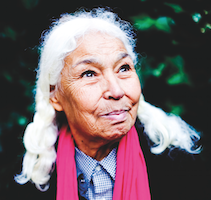
Nawal El Saadawi (1931–2021) was an Egyptian physician, psychiatrist, novelist, and feminist activist whose work challenged patriarchal traditions, religious authority, and gender inequality in the Arab world. Born in the village of Kafr Tahla, Egypt, she studied medicine at Cairo University and worked as a doctor in rural communities, where she witnessed the social and health consequences of women’s oppression. These experiences profoundly influenced her writing, which addresses female sexuality, bodily autonomy, political repression, and the relationship between gender and power. Her best-known novel, Woman at Point Zero (1975), tells the story of a woman sentenced to death whose life reveals the intersecting forces of poverty, violence, and patriarchal control. Other influential works include The Hidden Face of Eve (1977), a nonfiction examination of women’s lives and oppression in Arab societies. Saadawi’s outspoken criticism of established institutions led to censorship, imprisonment, and periods of exile. Her legacy continues to influence feminist thought and literature across the world.

View author page
Published
1975
Author
Nawal El Saadawi