Algeria
Africa
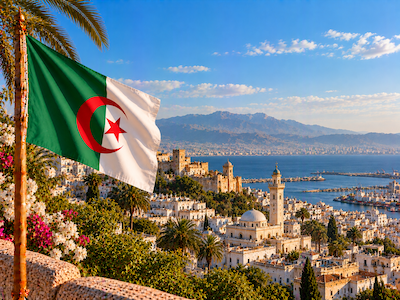
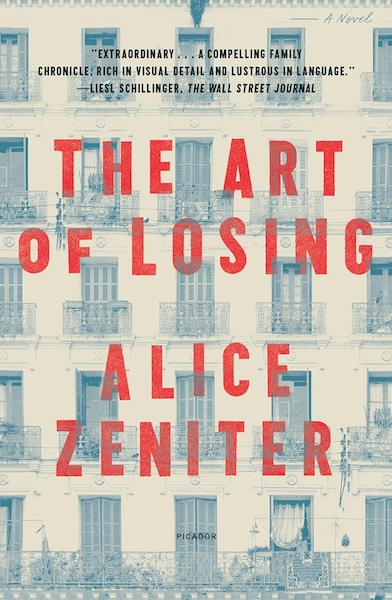
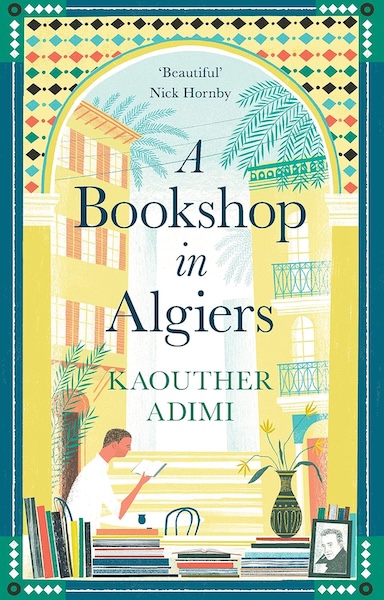
Algeria is the largest country in Africa, stretching from the Mediterranean coast deep into the Sahara. Its landscapes encompass lively coastal cities, Roman ruins, Atlas Mountains, vast desert plateaus, and ancient Saharan settlements. Centuries of Berber, Arab, Ottoman, and French influence have shaped Algeria’s culture, architecture, languages, and traditions. Modern Algeria was profoundly shaped by French colonial rule and the brutal War of Independence, which ended in 1962. The country’s history of colonization, resistance, independence, and political upheaval continues to influence its national identity and cultural life. Today, Algeria sits at an important crossroads between the Mediterranean, North Africa, and the wider Arab and African worlds.
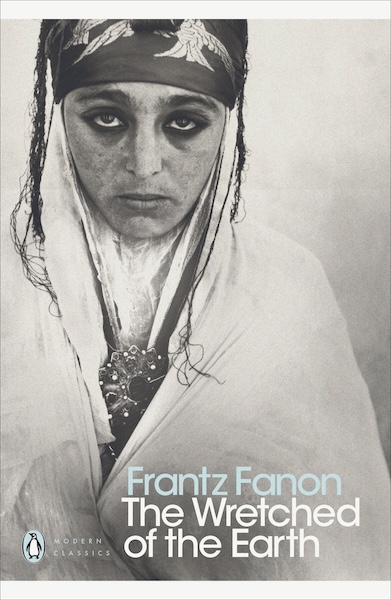
Algerian literature is deeply connected to colonialism, language, memory, identity, and resistance. During French colonial rule, writing became one of the ways Algerian intellectuals confronted the experience of cultural displacement and political domination. This created a particularly complex literary tradition in which writers have often written in French as well as Arabic and Tamazight, sometimes using the language of the former colonizer to challenge colonial narratives. Contemporary Algerian literature continues to grapple with the country’s complicated past while looking toward questions of migration, diaspora, gender, religious identity, political freedom, and the legacy of the 1990s civil conflict. Algerian writing therefore offers a particularly rich literary journey through the overlapping histories of North Africa, France, the Mediterranean, and the postcolonial world.