The Wretched of the Earth
Algeria

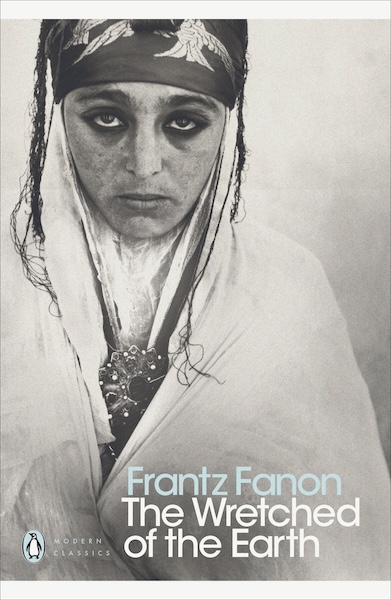
The Wretched of the Earth

by Frantz Fanon

Summary

What happens to a people when their land, culture, and identity are shaped by colonial rule—and what does it take to become free?

In The Wretched of the Earth, psychiatrist and revolutionary thinker Frantz Fanon examines the psychological, cultural, and political consequences of colonialism. Writing against the backdrop of Algeria’s struggle for independence from France, Fanon explores how colonial systems dehumanise the oppressed, reshape their sense of self, and create conditions for resistance.

Fanon confronts the role of violence in revolutionary movements while also warning that independence alone does not guarantee liberation. New national elites can reproduce the inequalities of colonial rule, leaving ordinary people excluded from the freedom they fought to achieve. He argues for a deeper transformation: one that challenges inherited hierarchies and creates a new society grounded in human dignity.

Passionate, provocative, and influential, The Wretched of the Earth remains a foundational work of anti-colonial thought. It asks readers to consider not only how colonial power is dismantled, but also what kind of world should replace it.

Reviews

Login to leave a review.

No reviews yet. Be the first!

You might also like

Frantz Fanon
Frantz Fanon

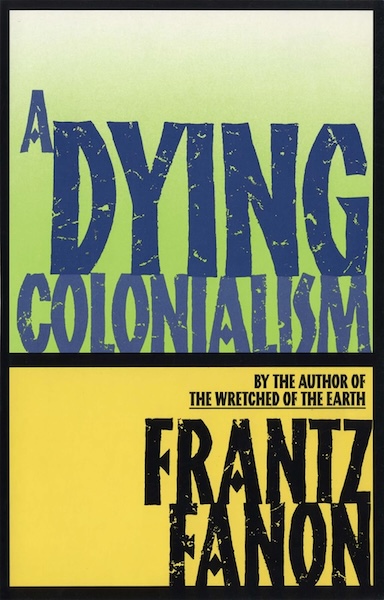
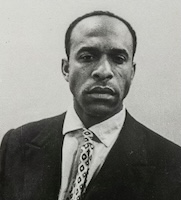
Frantz Fanon (1925–1961) was a Martinican psychiatrist, philosopher, and anti-colonial writer whose work transformed debates about racism, colonialism, and liberation. Born in Fort-de-France, Martinique, then a French colony, he served in the Free French forces during the Second World War before studying medicine and psychiatry in France. His experiences of racism and colonial hierarchy deeply influenced his thinking. In 1953, Fanon began working at a psychiatric hospital in Blida, Algeria, where he witnessed the devastating psychological effects of colonial oppression and the Algerian War of Independence. He resigned in 1956 and joined the Algerian liberation movement, the National Liberation Front (FLN), later working as a journalist and representing the movement internationally. His first major book, Black Skin, White Masks (1952), examines racism and its effects on identity and psychological life. His later works, including A Dying Colonialism (1959) and The Wretched of the Earth (1961), expanded his analysis to revolutionary struggle and the challenges facing newly independent nations. Fanon died of leukaemia in the United States in December 1961, aged 36, shortly after The Wretched of the Earth was published. His ideas continue to influence postcolonial studies, political philosophy, psychology, and movements for racial justice and decolonisation around the world. Martinique

View author page
Published
1961
Author
Frantz Fanon