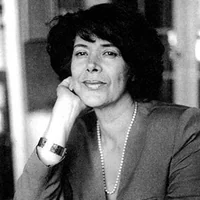
Assia Djebar
AlgeriaAbout
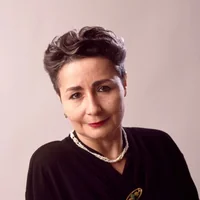
Assia Djebar was an Algerian writer, filmmaker, and historian whose work explored women’s lives, memory, colonialism, and Algerian identity. Her novels, including Fantasia: An Algerian Cavalcade and Women of Algiers in Their Apartment, gave voice to women whose stories had often been overlooked. She was elected to the Académie française in 2005 and is regarded as one of the most important North African writers of the 20th century.
Books on TheBookRoads
1
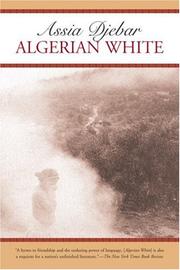
Algerian White
Algerian White is a deeply personal and reflective work in which Assia Djebar mourns three intellectual friends who were murdered during Algeria’s violent civil conflict of the 1990s. Through memories, literary reflections, and historical commentary, Djebar examines the devastating consequences of political violence on writers, thinkers, and the cultural life of her country. The title refers to the white shroud associated with burial, symbolising both mourning and the silencing of voices lost to violence. Moving between intimate recollections and broader reflections on Algeria’s colonial past and post-independence struggles, Djebar explores the responsibilities of intellectuals in times of crisis and the fragility of freedom of expression. Her writing becomes an act of remembrance, resisting the disappearance of those who challenged oppression through their ideas and words. Blending memoir, essay, and elegy, the book reflects on friendship, loss, memory, and the enduring importance of literature in preserving the lives and convictions of those who have been silenced.
2002
Algeria
2
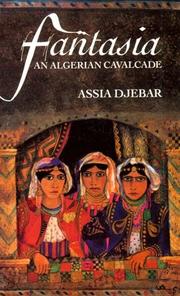
Fantasia, an Algerian cavalcade
Fantasia: An Algerian Cavalcade blends autobiography, historical research, and fiction to explore Algeria’s colonial past and the experiences of women caught between cultural traditions and political upheaval. Assia Djebar begins with memories of her childhood, growing up in a French-language school system while living within the traditions of an Algerian Muslim family. Her education gives her access to opportunities unavailable to many women of her generation, yet it also creates a distance between her and the language and experiences of her ancestors.
Interwoven with her personal story are accounts of the French invasion of Algeria in 1830, drawn from historical documents, military reports, and testimonies that reveal the violence of colonial conquest. Djebar also reconstructs the lives and voices of Algerian women whose experiences were often excluded from official histories. Moving between past and present, French and Arabic, personal memory and collective trauma, the novel examines language, gender, colonialism, and cultural identity. It becomes an attempt to recover silenced histories and understand what it means to write from within the complicated legacy of colonisation.
1985
Algeria
3
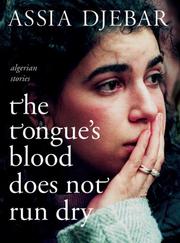
Tongue's Blood Does Not Run Dry
Tongue’s Blood Does Not Run Dry is a novel by Algerian writer Assia Djebar that explores women’s lives, resistance, and the struggle for freedom in a society shaped by colonial history and patriarchal traditions. Through interwoven voices and personal testimonies, Djebar portrays women confronting restrictions on their independence, struggling to express their experiences, and seeking to reclaim control over their own stories. The novel reflects the lasting consequences of Algeria’s colonial past and the ways political oppression intersects with the silencing of women. Language becomes a central concern: speaking, remembering, and bearing witness are acts of defiance against forces that seek to erase individual experiences. Combining lyrical writing with a collective perspective, Djebar challenges conventional historical narratives that marginalise women’s contributions and suffering. The work highlights the connection between personal freedom and collective liberation, showing how women’s voices preserve memories that might otherwise disappear from history.
1984
Algeria
4
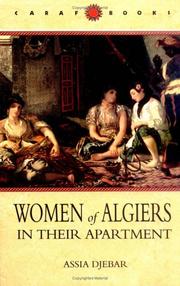
Women of Algiers in Their Apartment
Women of Algiers in Their Apartment is a collection of short stories by Algerian writer Assia Djebar that explores the lives of women navigating the aftermath of colonialism and the Algerian War of Independence. Through interwoven narratives, Djebar portrays women from different generations as they confront the restrictions imposed by patriarchal traditions, the trauma of violence, and the challenges of claiming independence in a changing society. Drawing inspiration from Eugène Delacroix’s painting of the same name, the collection reimagines women traditionally depicted as silent and secluded, giving them voices through which to express their desires, memories, and struggles. Djebar combines personal testimonies, historical reflection, and lyrical prose to examine how women’s experiences have been marginalised in official accounts of national history. Her characters negotiate the tension between tradition and modernity while seeking autonomy and meaningful connection. The collection becomes both an act of remembrance and a literary form of resistance, revealing the complex relationship between women’s liberation, cultural identity, and the unfinished struggle for freedom in postcolonial Algeria.
1980
Algeria