Books from Bosnia and Herzegovina
Suggest a book
All genres
Historical Fiction
Literary Fiction
Fantasy
Romance
Horror
Thriller
Non-Fiction
Mystery
Memoir
Classics
History
Sci-Fi
Contemporary Fiction
Science Fiction
Fiction
Poetry
Essays
Family Saga
Magical Realism
Family Drama
Dark Academia
Psychological Fiction
Dark Comedy
Political Writing
Feminist Fiction
Satire
Campus Fiction
Cultural Studies
Biography
Philosophy
Comedy
Drama
Young Adult
Gothic
Dystopia
Crime
Children's Books
Short Stories
Mythology
Cozy
Retellings
Humour
Adventure
All themes
Love & Passion
Adventure & Journey
Identity & Belonging
War & Conflict
Freedom & Resistance
Family & Heritage
Nature & Landscape
Society & Class
Spirituality & Faith
Solitude & Exile
Coming of Age
Revolution & Change
Friendship
History
Immigration
Myths and Retellings
Colonialism
Women & Society
Mental Health
Motherhood
1
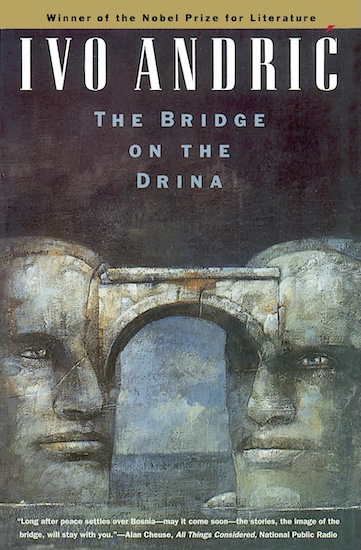
The Bridge on the Drina
The Bridge on the Drina is a historical novel chronicling nearly four centuries of life in Višegrad, a small town in eastern Bosnia, through the story of a single stone bridge spanning the Drina River. Built in the sixteenth century under the Ottoman Empire, the bridge becomes the centre of the town’s social life, connecting people from different religious and cultural communities while witnessing generations of change.
Through a series of interconnected stories, Ivo Andrić explores the lives of ordinary people shaped by imperial rule, religious tensions, political upheaval, and personal tragedy. As the Ottoman Empire gives way to Austro-Hungarian authority and new nationalist movements emerge, the bridge remains a powerful symbol of continuity amid historical change. Blending folklore, local legends, and historical events, the novel examines how communities preserve their memories and traditions while confronting the forces that divide them. It is a profound meditation on history, coexistence, and the enduring human cost of conflict.
1945
2
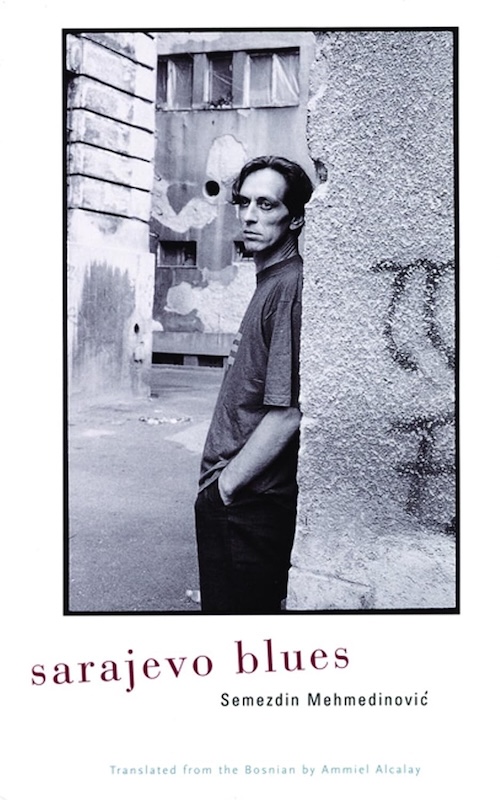
Sarajevo Blues
Sarajevo Blues is a collection of prose poems, fragments, and brief reflections written during the siege of Sarajevo in the Bosnian War. Combining personal observation with documentary detail, Semezdin Mehmedinović captures the daily reality of living in a city under bombardment, where ordinary activities become acts of survival and the boundaries between private life and public catastrophe begin to dissolve.
Rather than presenting a conventional narrative, the book offers an intimate, fragmented account of war through images of empty streets, sudden violence, disrupted routines, and the emotional strain of uncertainty. Mehmedinović’s restrained, lyrical writing resists grand explanations, focusing instead on the human cost of conflict and the persistence of memory. Both a literary response to historical tragedy and a meditation on displacement, fear, and endurance, Sarajevo Blues gives voice to the experience of civilians whose lives are transformed by war.
1992
3
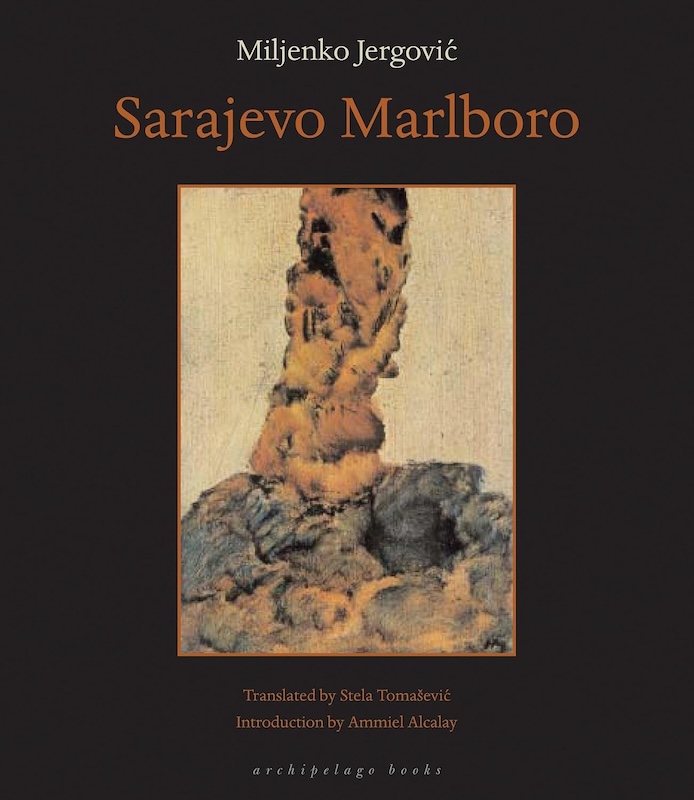
Sarajevo Marlboro
Sarajevo Marlboro is a collection of short stories set during the Bosnian War, portraying the lives of ordinary people caught in the siege of Sarajevo. Rather than focusing on battles or political leaders, Miljenko Jergović turns his attention to the everyday experiences of civilians as familiar routines collapse under the pressure of violence, fear, and uncertainty.
Through intimate portraits of neighbours, families, friends, and strangers, the stories reveal how war transforms relationships, reshapes identities, and exposes both the cruelty and compassion of human nature. Small, seemingly insignificant details—a household object, a remembered conversation, or a fleeting act of kindness—become powerful symbols of a world that is disappearing. Written with restraint, dark humour, and deep humanity, the collection offers a fragmented yet deeply personal portrait of Sarajevo and the lasting emotional consequences of conflict.
1994
4
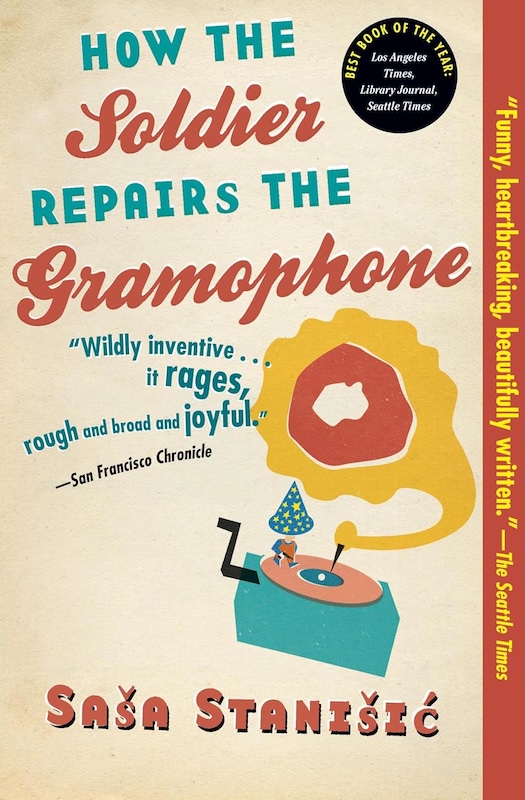
How The Soldier Repairs The Gramophone
Set during the Bosnian War and its aftermath, How the Soldier Repairs the Gramophone follows Aleksandar Krsmanović, a young boy growing up in the small Bosnian town of Višegrad. When war destroys the familiar world of his childhood, Aleksandar is forced to leave his home and seek refuge in Germany. Through his vivid imagination, memories, and storytelling, he attempts to make sense of violence, displacement, and the loss of people and places he once knew.
Blending humour, fantasy, and painful recollection, the novel captures the way a child experiences war without fully understanding its political and historical complexities. As Aleksandar grows older, storytelling becomes a way to preserve his past and reconnect with a homeland that has been irrevocably changed. Saša Stanišić’s novel explores memory, exile, identity, and the fragile boundary between lived experience and imagination.
2009
5
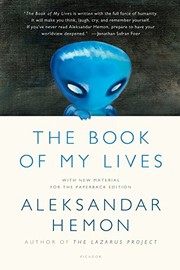
Book of My Lives
The Book of My Lives is a collection of autobiographical essays in which Aleksandar Hemon reflects on his childhood in Sarajevo, his experiences as an immigrant in the United States, and the events that transformed his understanding of home and belonging. Moving between memories of growing up in socialist Yugoslavia and his later life in Chicago, Hemon explores how personal identity is shaped by language, geography, family, and historical circumstances.
The collection takes a deeply personal turn when the Bosnian War begins while Hemon is visiting the United States, leaving him unable to return to Sarajevo as planned. Through sharp observations, dark humour, and emotional honesty, he examines the experience of exile and the complicated relationship between an adopted home and a homeland altered by violence. He also reflects on family life, fatherhood, football, and the unexpected details that give meaning to ordinary existence. Blending intimate memoir with broader historical reflection, the book explores how people rebuild their lives when the places they belong to become distant or irretrievably changed.
2013
6
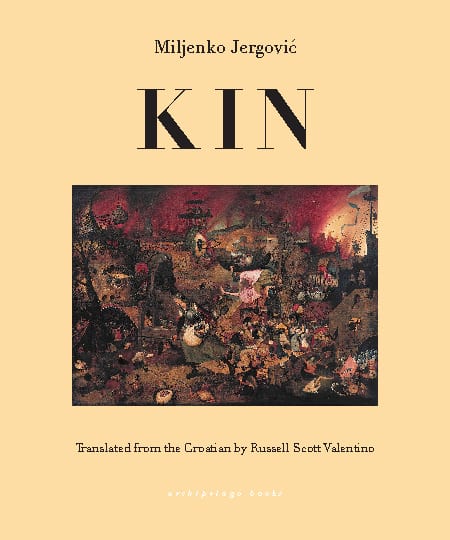
Kin
Spanning the twentieth century, Kin is an expansive family saga that traces generations of one family through the turbulent history of the Balkans. Beginning with forgotten relatives and seemingly insignificant objects—a grandfather’s beekeeping journals, a rusty lighter, an old military raincoat—Miljenko Jergović reconstructs a world shaped by personal memories, family secrets, and historical upheaval. From the assassination of Archduke Franz Ferdinand and the two World Wars to the Cold War and the Bosnian War of the 1990s, the novel follows the transformations of Sarajevo and the changing identities of the people who call it home. Blending memoir, fiction, and historical reflection, Jergović explores how political violence and shifting borders reverberate through ordinary lives. At its heart, Kin is a meditation on belonging, memory, and the fragile connections between generations—a tribute to a multicultural world threatened by nationalism, intolerance, and forgetting.
2021
7
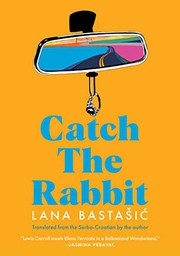
Catch the Rabbit
Catch the Rabbit follows Lejla and Sara, two women who grew up together in Bosnia but became estranged as their lives took different directions. Years later, Lejla calls Sara and asks her to help find Armin, Lejla’s brother, who disappeared after leaving the country. Sara returns from Ireland, where she has built a new life, and the two women embark on a road trip through the former Yugoslavia. Their journey brings back memories of childhood, friendship, and the divisions created by the breakup of their country. As old grievances surface, they must confront the ways their personal histories have been shaped by ethnic identity, political violence, and the stories they tell themselves. Bastašić explores memory, belonging, and the fragility of friendship, revealing how the past can continue to govern the present even when people believe they have escaped it.
2021
8
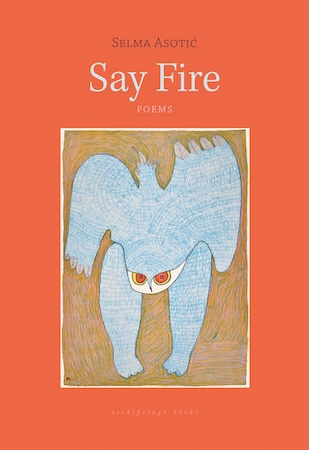
Say Fire
What does it mean to inherit a war you can never fully leave behind? In this powerful debut poetry collection, Bosnian poet Selma Asotić explores the lingering wounds of the Bosnian War, tracing how violence becomes embedded in family histories, bodies, and memories. Through vivid, fragmented poems, she moves between childhood recollections, the grief of losing loved ones, the troubled legacy of a soldier uncle, and the search for intimacy in a world shaped by conflict. Her writing also embraces lesbian desire, female solidarity, and the complicated relationship between a daughter and her mother. Fire becomes both a destructive force and a symbol of resistance—a language for experiences that ordinary words cannot contain. Moving between tenderness and anger, silence and confession, Asotić asks whether poetry can recover what history has shattered. Say Fire is a deeply personal exploration of survival, belonging, and the struggle to reclaim one’s voice from the ruins of the past.
2025
9
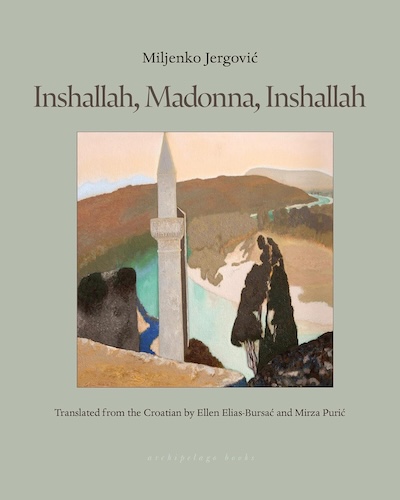
Inshallah, Madonna, Inshallah
In Inshallah, Madonna, Inshallah, Croatian-Bosnian writer Miljenko Jergović draws on the rich oral traditions, folk songs, and legends of Bosnia to create a collection of nineteen stories in which ordinary lives take on the dimensions of myth. Inspired by the music that filled the streets, cafés, and homes of Sarajevo during the author’s childhood, the stories imagine the extraordinary events and forgotten histories that might lie behind traditional songs.
Jergović’s characters inhabit a world where miracles seem possible, fate shapes human destinies, and misfortune can transform individuals into enduring legends. Christians and Muslims share a landscape marked by centuries of cultural exchange, imperial domination, and conflict. Their stories are sometimes comic, sometimes brutal, but always deeply connected to the collective memory of the region.
Moving between folklore, historical imagination, and intimate portraits of human experience, Jergović explores how communities preserve their identities through storytelling. The collection offers a vivid literary portrait of the Balkans, revealing how individual lives become part of a larger cultural inheritance that survives across generations.
2026