Bosnia and Herzegovina

Europe
Bosnia and Herzegovina
9
books
7
authors

Books from Bosnia and Herzegovina

1
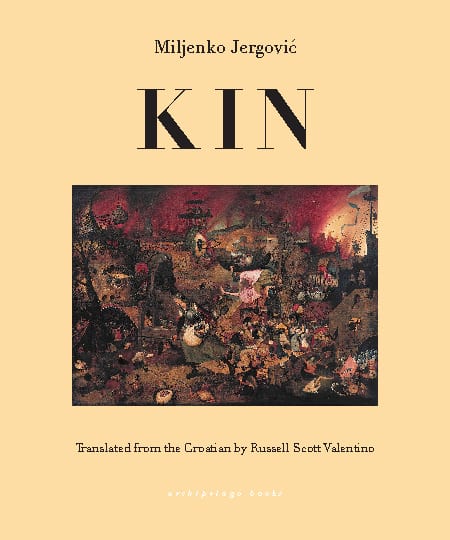
Kin
Kin
Spanning the twentieth century, Kin is an expansive family saga that traces generations of one family through the turbulent history of the Balkans. Beginning with forgotten relatives and seemingly insignificant objects—a grandfather’s beekeeping journals, a rusty lighter, an old military raincoat—Miljenko Jergović reconstructs a world shaped by personal memories, family secrets, and historical upheaval. From the assassination of Archduke Franz Ferdinand and the two World Wars to the Cold War and the Bosnian War of the 1990s, the novel follows the transformations of Sarajevo and the changing identities of the people who call it home. Blending memoir, fiction, and historical reflection, Jergović explores how political violence and shifting borders reverberate through ordinary lives. At its heart, Kin is a meditation on belonging, memory, and the fragile connections between generations—a tribute to a multicultural world threatened by nationalism, intolerance, and forgetting.
2021
2
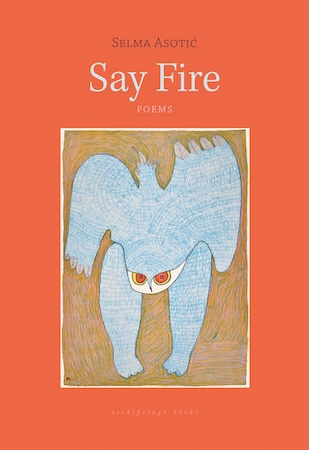
Say Fire
Say Fire
What does it mean to inherit a war you can never fully leave behind? In this powerful debut poetry collection, Bosnian poet Selma Asotić explores the lingering wounds of the Bosnian War, tracing how violence becomes embedded in family histories, bodies, and memories. Through vivid, fragmented poems, she moves between childhood recollections, the grief of losing loved ones, the troubled legacy of a soldier uncle, and the search for intimacy in a world shaped by conflict. Her writing also embraces lesbian desire, female solidarity, and the complicated relationship between a daughter and her mother. Fire becomes both a destructive force and a symbol of resistance—a language for experiences that ordinary words cannot contain. Moving between tenderness and anger, silence and confession, Asotić asks whether poetry can recover what history has shattered. Say Fire is a deeply personal exploration of survival, belonging, and the struggle to reclaim one’s voice from the ruins of the past.
2025
3
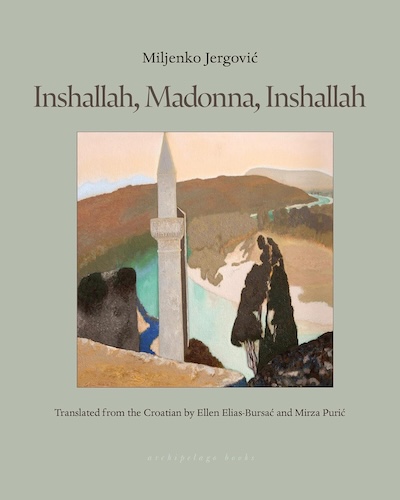
Inshallah, Madonna, Inshallah
In Inshallah, Madonna, Inshallah, Croatian-Bosnian writer Miljenko Jergović draws on the rich oral traditions, folk songs, and legends of Bosnia to create a collection of nineteen stories in which ordinary lives take on the dimensions of myth. Inspired by the music that filled the streets, cafés, and homes of Sarajevo during the author’s childhood, the stories imagine the extraordinary events and forgotten histories that might lie behind traditional songs. Jergović’s characters inhabit a world where miracles seem possible, fate shapes human destinies, and misfortune can transform individuals into enduring legends. Christians and Muslims share a landscape marked by centuries of cultural exchange, imperial domination, and conflict. Their stories are sometimes comic, sometimes brutal, but always deeply connected to the collective memory of the region. Moving between folklore, historical imagination, and intimate portraits of human experience, Jergović explores how communities preserve their identities through storytelling. The collection offers a vivid literary portrait of the Balkans, revealing how individual lives become part of a larger cultural inheritance that survives across generations.
2026
4
Catch the Rabbit
Catch the Rabbit
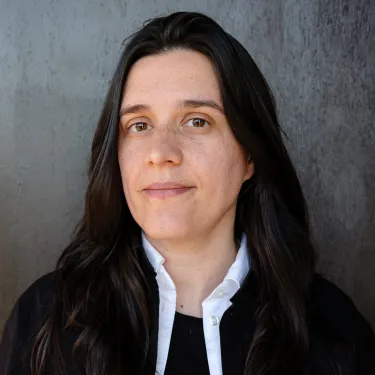
Catch the Rabbit follows Lejla and Sara, two women who grew up together in Bosnia but became estranged as their lives took different directions. Years later, Lejla calls Sara and asks her to help find Armin, Lejla’s brother, who disappeared after leaving the country. Sara returns from Ireland, where she has built a new life, and the two women embark on a road trip through the former Yugoslavia. Their journey brings back memories of childhood, friendship, and the divisions created by the breakup of their country. As old grievances surface, they must confront the ways their personal histories have been shaped by ethnic identity, political violence, and the stories they tell themselves. Bastašić explores memory, belonging, and the fragility of friendship, revealing how the past can continue to govern the present even when people believe they have escaped it.
2021
5
Book of My Lives
Book of My Lives
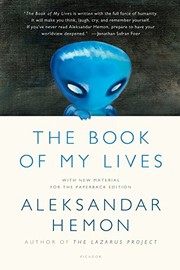
The Book of My Lives is a collection of autobiographical essays in which Aleksandar Hemon reflects on his childhood in Sarajevo, his experiences as an immigrant in the United States, and the events that transformed his understanding of home and belonging. Moving between memories of growing up in socialist Yugoslavia and his later life in Chicago, Hemon explores how personal identity is shaped by language, geography, family, and historical circumstances. The collection takes a deeply personal turn when the Bosnian War begins while Hemon is visiting the United States, leaving him unable to return to Sarajevo as planned. Through sharp observations, dark humour, and emotional honesty, he examines the experience of exile and the complicated relationship between an adopted home and a homeland altered by violence. He also reflects on family life, fatherhood, football, and the unexpected details that give meaning to ordinary existence. Blending intimate memoir with broader historical reflection, the book explores how people rebuild their lives when the places they belong to become distant or irretrievably changed.
2013

Famous authors from Bosnia and Herzegovina

About Bosnia and Herzegovina

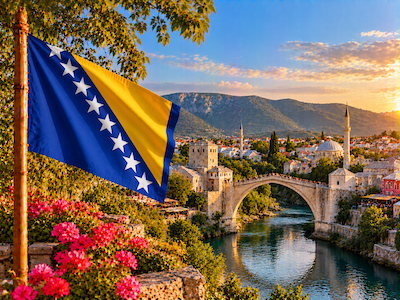
Bosnia and Herzegovina is a mountainous country in the heart of the Balkans, known for its rivers, forests, medieval towns, Ottoman-era architecture, and dramatic Dinaric landscapes. Sarajevo and Mostar reflect the country’s layered cultural heritage, shaped by Slavic, Ottoman, Austro-Hungarian, Islamic, Orthodox, Catholic, and Jewish traditions.

Region
Europe
Literary Context

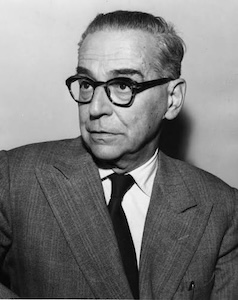
Bosnian literature reflects this cultural diversity and often explores identity, memory, coexistence, war, displacement, and the relationship between East and West. The country’s literary tradition developed within the wider South Slavic world while retaining strong influences from Ottoman and Islamic culture. Ivo Andrić, winner of the 1961 Nobel Prize in Literature, is the most internationally recognized writer associated with Bosnia. His works, particularly The Bridge on the Drina, use Bosnia’s landscapes and history to explore how different communities live alongside one another. Contemporary Bosnian writing frequently addresses the 1992–1995 war, its aftermath, exile, trauma, and reconstruction, while also returning to everyday life and the country’s multicultural past. Writers such as Aleksandar Hemon have brought Bosnian experiences of migration and displacement to international readers.

Europe