Leila Aboulela

Leila Aboulela

Sudan

About

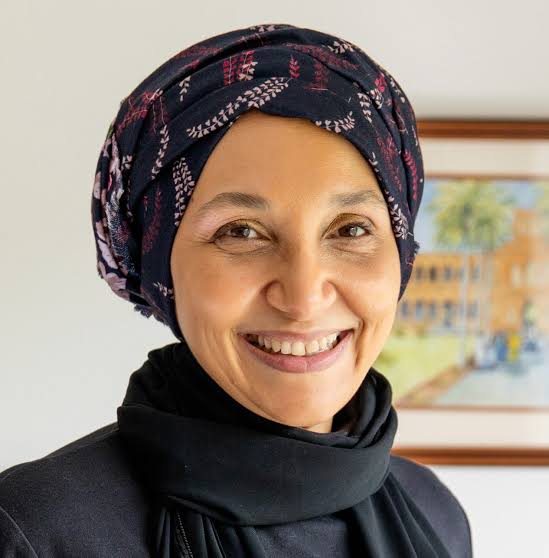
Leila Aboulela is a Sudanese-born novelist and short-story writer whose work explores faith, identity, migration, and the complexities of Muslim life. Raised in Khartoum, Sudan, she later moved to Scotland, where she has lived for much of her adult life. Her writing often bridges African and European experiences, bringing overlooked histories and cultural perspectives into contemporary literature. She was the first recipient of the Caine Prize for African Writing, awarded for her short story The Museum. Her acclaimed novels include The Translator, Minaret, Lyrics Alley, and Bird Summons. Through lyrical prose and deeply human storytelling, Aboulela examines the intersections of spirituality, belonging, and political history. River Spirit revisits nineteenth-century Sudan, illuminating the human cost of revolution, slavery, and imperial ambition.

Books on TheBookRoads
1
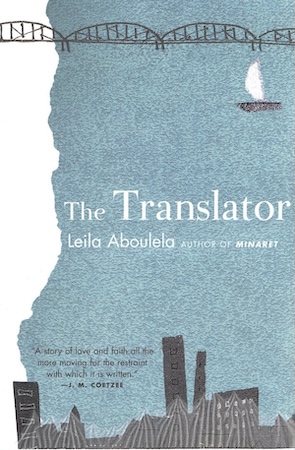
The Translator
The Translator
Alone in the grey streets of Aberdeen, Sudanese widow Sammar struggles to find meaning after losing her husband and being separated from her young son. Her quiet, isolated life begins to change when she falls in love with Rae, a Scottish academic whose intellectual curiosity about Islam cannot bridge the gap between understanding a faith and truly believing in it. As their relationship deepens, Sammar faces an impossible choice between the man she loves and the spiritual convictions that give her life meaning. Moving between Scotland and Sudan, The Translator is a tender exploration of love, grief, and the search for belonging, asking whether two people can build a life together when their deepest beliefs pull them in different directions.
1999 Sudan
2
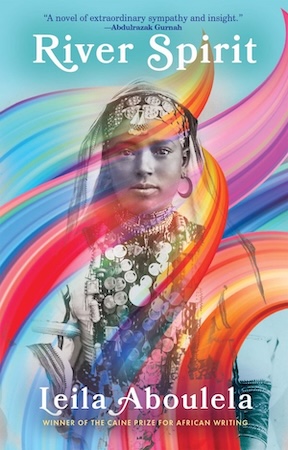
River Spirit
River Spirit
Set in nineteenth-century Sudan during the turbulent years surrounding the Mahdist uprising against Egyptian and British-backed rule, River Spirit explores a society transformed by war, faith, and the struggle for independence. At the heart of the novel is a group of interconnected characters whose lives are swept up in political upheaval. Among them is Akuany, a young woman whose experiences of violence, displacement, and loss shape her understanding of freedom and belonging. As the conflict spreads, personal loyalties collide with religious conviction and competing visions of Sudan’s future. Through the characters’ intertwined journeys, Aboulela examines how ordinary people endure extraordinary circumstances and how love and compassion can survive amid brutality. The Nile provides a powerful backdrop to this story of a nation in transition. Drawing on Sudanese history and Islamic traditions, Aboulela offers a nuanced perspective on a frequently overlooked chapter of African history. Rather than presenting the uprising solely as a political struggle, she explores its human consequences, illuminating the complex relationships between faith, identity, colonial power, and resistance.
2024 Sudan