Laila Lalami

Laila Lalami

Morocco

About

Laila Lalami is a Moroccan American novelist, essayist, and professor known for exploring migration, identity, colonialism, and the complexities of belonging across cultures. Born in Rabat, Morocco, in 1968, she later moved to the United States to pursue graduate studies and became a prominent voice in contemporary literature. Her fiction often examines the experiences of immigrants and marginalized communities, challenging conventional historical narratives and questioning how power shapes whose stories are remembered. Her notable works include Hope and Other Dangerous Pursuits (2005), a collection of interconnected stories about Moroccans attempting to migrate to Europe, and The Moor’s Account (2014), a reimagining of a sixteenth-century Spanish expedition through the perspective of a Moroccan enslaved man. The latter was a finalist for the Pulitzer Prize for Fiction. Through nuanced characters and historically informed storytelling, Lalami explores displacement, cultural identity, freedom, and the enduring consequences of colonialism.

Books on TheBookRoads
1
Hope and Other Dangerous Pursuits
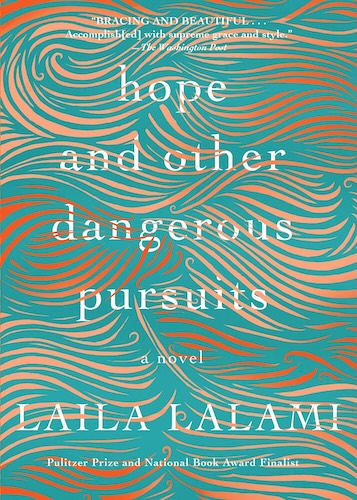
Hope and Other Dangerous Pursuits follows four Moroccan migrants who attempt to cross the Strait of Gibraltar in a small inflatable boat, hoping to reach Spain and build better lives in Europe. Each has a different reason for leaving Morocco: unemployment, family responsibilities, personal dissatisfaction, or the desire to escape restrictive social expectations. Their dangerous journey ends with their interception by Spanish authorities, and the novel then traces the experiences that led each character to risk everything for an uncertain future. Through interwoven narratives, Laila Lalami explores the economic inequalities, political frustrations, and social pressures that motivate migration. She reveals the difficult realities facing those who remain in Morocco, as well as the hopes and compromises of those who leave. The novel challenges simplistic ideas about immigration by presenting its characters as complex individuals with conflicting desires, private struggles, and understandable ambitions. Moving between Morocco and Spain, it examines belonging, identity, family, and the uncertain promise of a better life, asking what freedom means when the pursuit of opportunity requires risking everything.
2005 Morocco
2
The Moor's Account
The Moor's Account
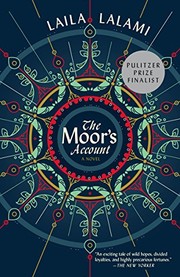
The Moor’s Account is a historical novel that reimagines the story of Mustafa al-Zamori, a Moroccan man enslaved by Spanish conquistadors who became one of the first Africans to explore the Americas. In 1527, Mustafa joins an expedition led by Pánfilo de Narváez, which sets out to claim territory in what is now Florida for the Spanish Crown. When the expedition collapses under the pressures of disease, starvation, and conflict with Indigenous communities, Mustafa becomes one of only four survivors. As he travels across unfamiliar lands, his role gradually changes from enslaved servant to healer, interpreter, and storyteller. Through his imagined memoir, Lalami challenges the traditional historical narratives that privilege European voices while overlooking the experiences of those who were enslaved or marginalized. The novel explores identity, cultural encounters, survival, and the power of storytelling to reclaim histories that might otherwise be forgotten.
2014 Morocco