Morocco
Africa
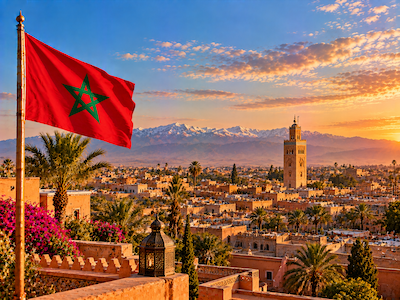
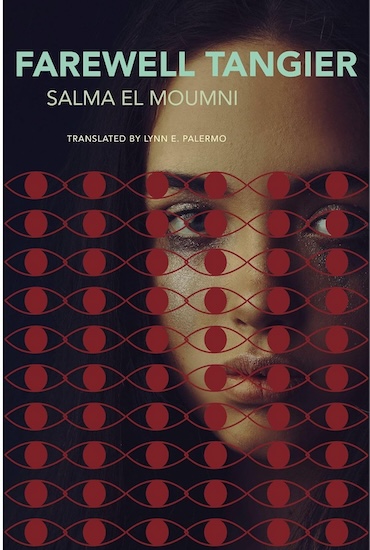
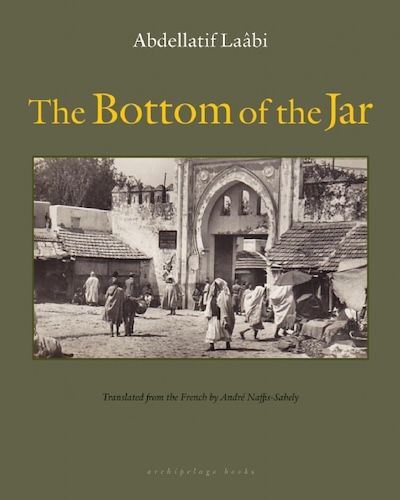
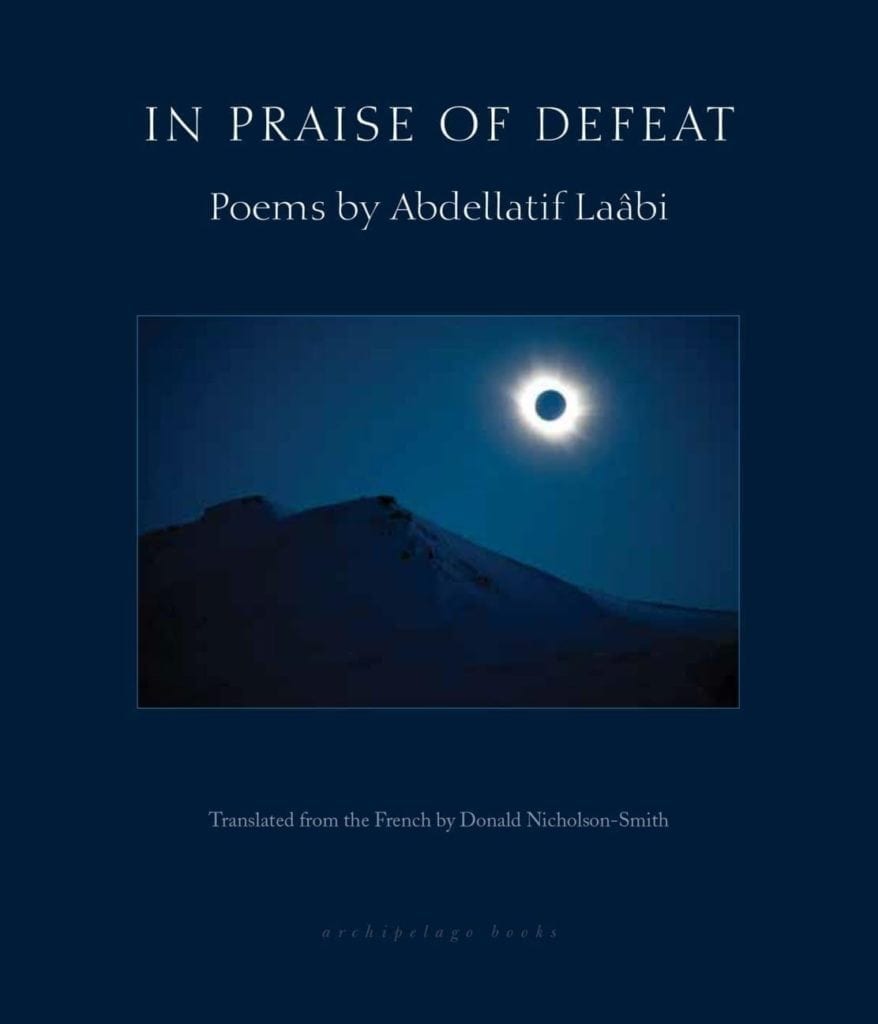
Morocco lies in Northwest Africa, where the Atlantic Ocean and Mediterranean Sea meet the vast Sahara Desert. Its landscapes range from the snow-capped Atlas Mountains and fertile valleys to arid plateaus, coastal cities, and desert dunes. Cities such as Marrakech, Fez, Rabat, and Tangier reflect centuries of Amazigh, Arab, Andalusian, African, and Mediterranean influences. Moroccan culture is shaped by a rich combination of Amazigh heritage, Arab traditions, Islamic scholarship, and historic connections with Europe and sub-Saharan Africa.
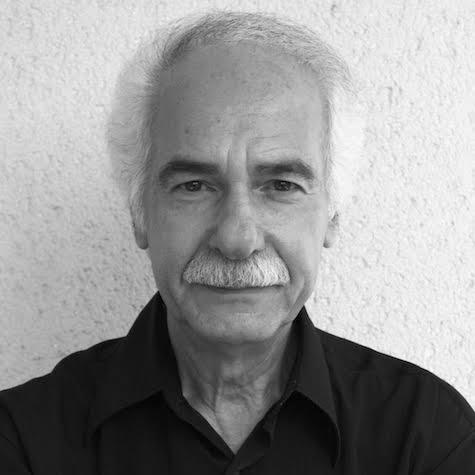
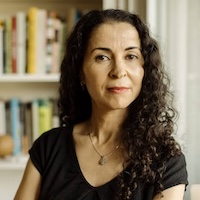
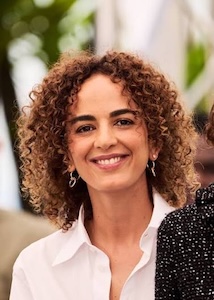
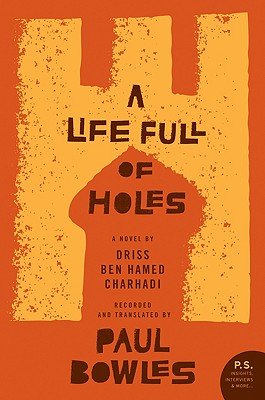
Morocco has a rich literary heritage rooted in Amazigh oral traditions, Arabic poetry, religious scholarship, folktales, proverbs, and storytelling. For centuries, cities such as Fez were important centers of learning, preserving manuscripts and connecting Moroccan intellectual life with the wider Islamic world. Modern Moroccan literature developed across Arabic, Amazigh, and French, reflecting the country’s linguistic diversity and colonial history. Important writers include Mohammed Choukri, whose memoir For Bread Alone portrays poverty and marginalization; Driss Chraïbi, known for challenging social conventions and colonial legacies; Tahar Ben Jelloun, whose work explores identity, migration, and cultural belonging; and Leila Abouzeid, a pioneering Moroccan woman writing in Arabic. Contemporary Moroccan literature frequently examines colonialism, tradition and modernity, gender, social inequality, migration, memory, and the complexities of identity between Africa, Europe, and the Arab world.