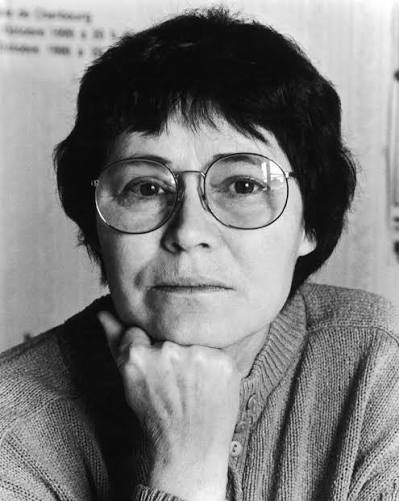
Magda Szabó
HungaryAbout
Magda Szabó was a Hungarian novelist, poet, and playwright, born in Debrecen in 1917. Abigail was first published in Hungarian in 1970 and became one of her most widely read novels in Hungary; the English translation by Len Rix appeared in 2020.
Books on TheBookRoads
1
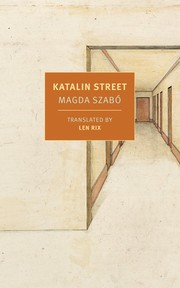
Katalin Street
Set in Budapest before, during, and after the Second World War, Katalin Street follows three families whose lives are closely intertwined through friendship, love, and shared childhood memories. At the centre of the story is Henriette, a Jewish girl whose death during the war leaves an enduring wound in the lives of her neighbours and friends: the Bálints, the Elekes, and the Helds. As political upheaval transforms Hungary, the survivors struggle to rebuild their lives, yet remain haunted by the past and by the choices they made. Through shifting perspectives and a nonlinear narrative, Szabó explores how trauma, guilt, and nostalgia shape personal identity and relationships across generations. The street itself becomes a powerful symbol of a lost world, representing the fragile security of childhood and the impossibility of returning to what once was. Both intimate and historically resonant, the novel examines the lasting consequences of war and the ways the dead continue to inhabit the lives of the living.
1969
Hungary
2
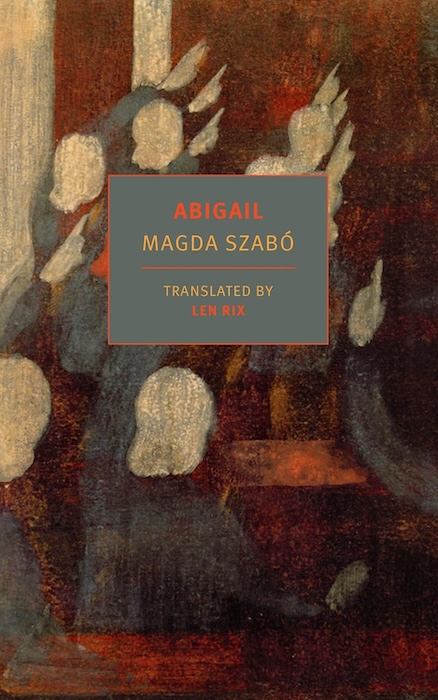
Abigail
Set in Hungary during the Second World War, Abigail follows fourteen-year-old Gina Vitay, the sheltered daughter of a Hungarian general. When her father unexpectedly sends her to a strict boarding school in the countryside, Gina feels betrayed and struggles to adapt to the school’s rigid rules and unfamiliar environment. Forbidden from revealing her father’s identity or explaining the circumstances of her arrival, she initially rebels against her teachers and classmates. Gradually, however, she discovers that the school hides secrets of its own, and that an enigmatic figure known as Abigail may offer help to those in danger. As the war intensifies, Gina must abandon her childish assumptions and learn to trust others, confront difficult truths, and take responsibility for her actions. Blending coming-of-age fiction, mystery, and historical drama, Szabó’s novel explores courage, loyalty, sacrifice, and the struggle to preserve one’s humanity under an oppressive regime.
1970
Hungary
3
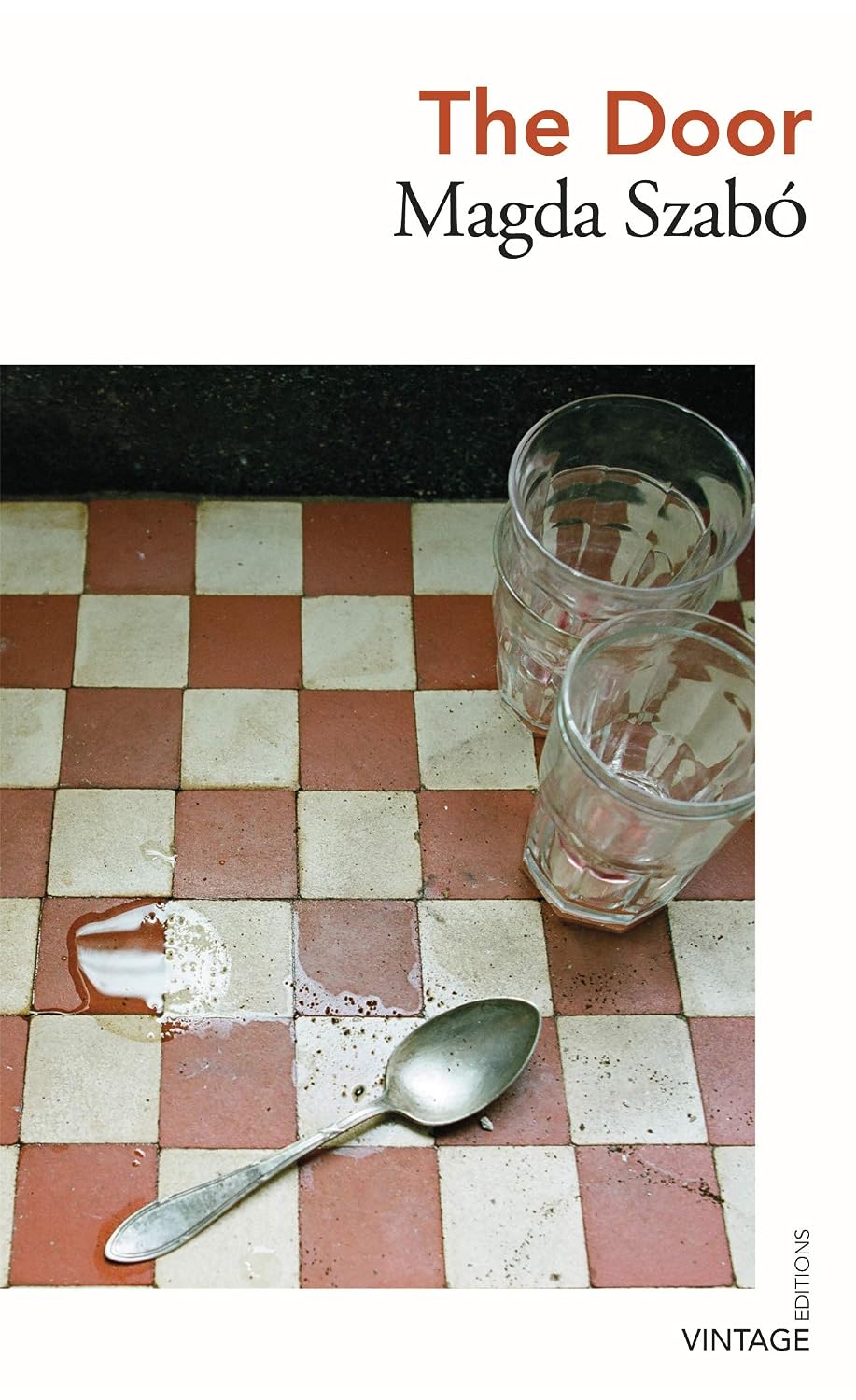
The Door
The Door is a psychological novel about the complicated relationship between a successful Hungarian writer and her enigmatic housekeeper, Emerence. When the narrator hires Emerence to help manage her household, she encounters a woman whose fierce independence, strict routines, and guarded private life conceal a painful past. Over the years, the two women develop a profound but often turbulent bond, shaped by affection, resentment, loyalty, and misunderstandings. Emerence’s refusal to let anyone enter her home becomes a powerful symbol of her emotional boundaries and the secrets she struggles to protect. Through this intimate relationship, Szabó explores the limits of love, the burden of guilt, the unequal balance of power between people, and the difficulty of truly knowing another person. The novel is both a portrait of an extraordinary woman and a meditation on the moral responsibilities we have toward those we love.
1987
Hungary
Country
Hungary
Europe