Hungary
Europe
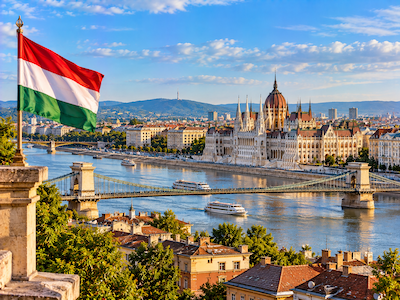

Hungary is a landlocked country in Central Europe, shaped by the Danube River and surrounded by the landscapes of the Carpathian Basin. Its capital, Budapest, combines grand Austro-Hungarian architecture with historic neighborhoods, thermal baths, bridges, and lively contemporary culture. Beyond the capital are rolling hills, forests, vineyards, the Great Hungarian Plain, and Lake Balaton. Hungarian culture reflects Magyar heritage alongside centuries of Central European, Ottoman, German, Jewish, and neighboring influences.
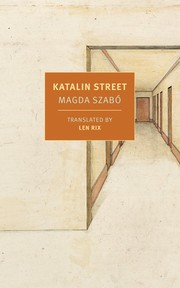
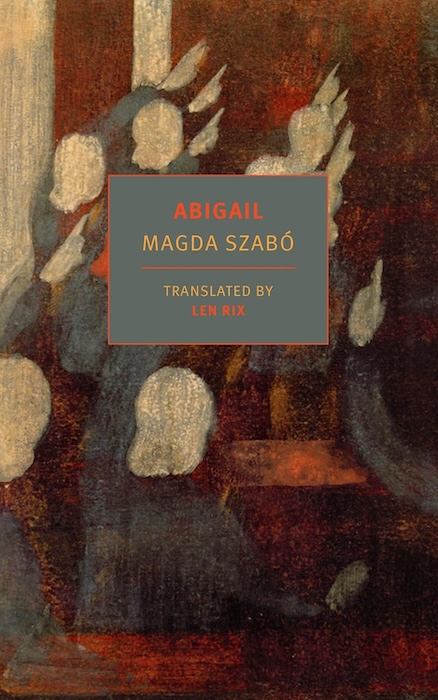
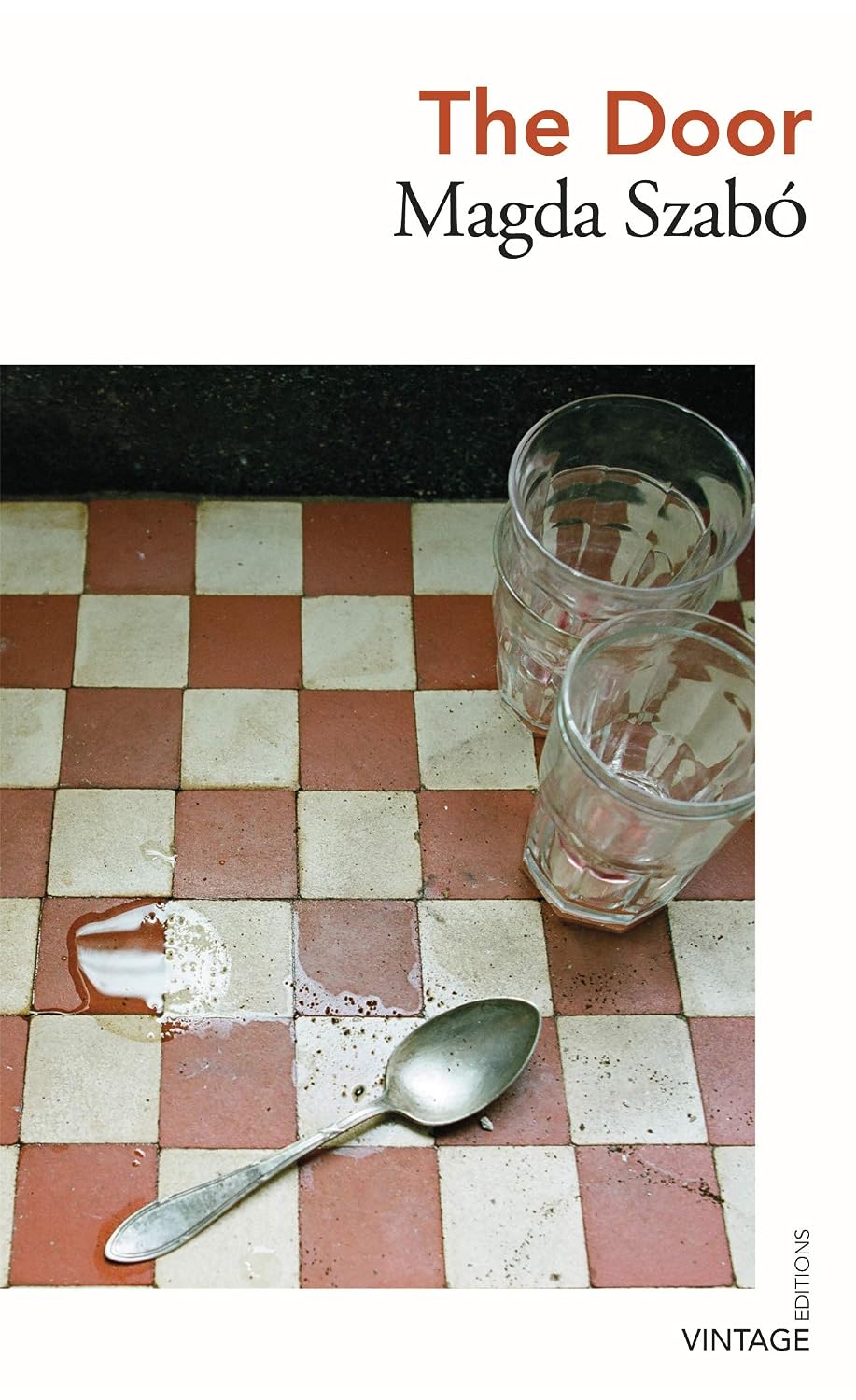
Hungarian literature has a strong tradition of poetry, epic storytelling, folklore, and national literature. Folk songs, legends, and oral traditions were collected and transformed into written literature during the 19th-century national revival. Sándor Petőfi became one of the defining poets of Hungarian Romanticism, while János Arany is celebrated for his narrative poetry and adaptations of Hungarian legends. The 20th century brought writers such as Endre Ady, Dezső Kosztolányi, Frigyes Karinthy, Sándor Márai, and Magda Szabó, whose works explore modernity, identity, family, memory, and social change. Later writers including Imre Kertész, Nobel Prize winner and author of Fatelessness, addressed the Holocaust, trauma, and memory. Contemporary Hungarian literature continues to engage with history, political and social transformation, belonging, and the complexities of Central European identity.