Shahrnush Parsipur
IranAbout
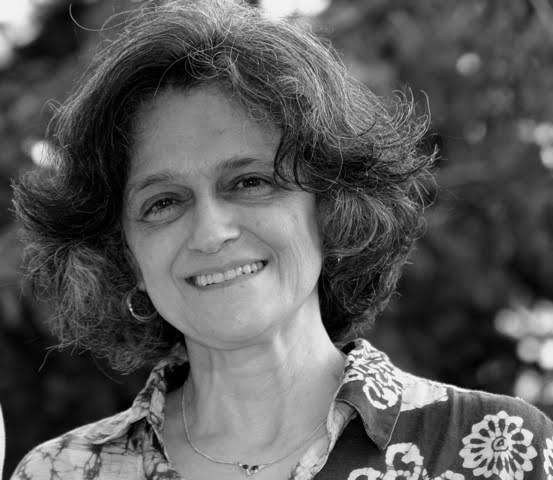
Shahrnush Parsipur is an Iranian novelist and one of the important voices in modern Persian literature. Born in 1946, she was imprisoned both before and after the 1979 Revolution, and Women Without Men was banned in Iran after its publication in 1989. She later lived in exile in the United States.
Books on TheBookRoads
All genres
Historical Fiction
Non-Fiction
Memoir
Classics
History
Fiction
Magical Realism
Feminist Fiction
1
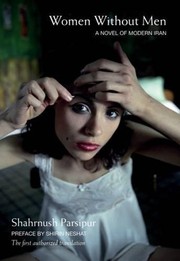
Women Without Men
Set in Iran against the backdrop of the 1953 coup d’état, Women Without Men follows the interconnected lives of five women whose experiences reflect the restrictions placed on women by family, marriage, and society. Among them are Munis, a woman longing to escape her brother’s control; Faizeh, her friend who dreams of marriage; Mahdokht, a woman troubled by conventional expectations of femininity; Farrokhlaqa, a wealthy housewife seeking a different life; and Zarrinkolah, a sex worker who begins to question the world around her.
Their individual journeys eventually lead them to a garden on the outskirts of Tehran, where they attempt to create a life beyond the rules that have governed them. Blending magical realism, mysticism, and historical events, Parsipur explores female autonomy, sexuality, and the search for identity. Through surreal transformations and symbolic storytelling, the novella imagines the possibility of women reclaiming their bodies, choices, and futures.
1989
Iran
2
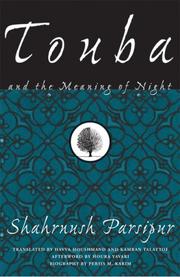
Touba and the Meaning of Night (Women Writing the Middle East)
Spanning eight decades of Iranian history, Touba and the Meaning of Night follows Touba, a thoughtful and independent-minded woman whose life unfolds amid profound political and social transformations. Educated by her father at a time when few women had access to learning, Touba struggles to preserve her intellectual curiosity and personal autonomy as she navigates marriage, motherhood, divorce, and financial uncertainty.
After two marriages end, she becomes the center of an ever-changing household, caring for her children and other family members while witnessing the upheavals that reshape Iran, from the Qajar dynasty’s decline to the 1979 Islamic Revolution. As historical events intersect with dreams, spiritual questions, and supernatural encounters, the boundary between reality and mysticism becomes increasingly fluid.
Blending historical fiction with magical realism, Parsipur explores women’s experiences, the tension between tradition and modernity, and the search for spiritual and intellectual freedom in a society undergoing radical change.
2006
Iran
3
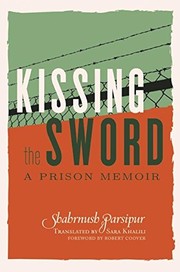
Kissing the Sword: A Prison Memoir
In Kissing the Sword, Iranian writer Shahrnush Parsipur recounts her experiences as a political prisoner in post-revolutionary Iran. Following the 1979 Iranian Revolution, the new authorities began detaining people associated with opposing political views. Parsipur herself was imprisoned without formal charges, experiencing the fear, uncertainty, and psychological strain of incarceration.
Through vivid personal recollections, she describes life inside Iranian prisons, including encounters with fellow prisoners, interrogations, ideological disputes, and the harsh treatment of detainees. Her memoir also explores the restrictions imposed on women, particularly debates surrounding religious authority, dress, and individual autonomy.
Combining painful memories with moments of dark humour and reflection, Parsipur examines the relationship between political power and personal freedom. The book is both a record of her own experiences and a broader meditation on censorship, resistance, and the resilience required to preserve one’s voice under repression.
2013
Iran
4
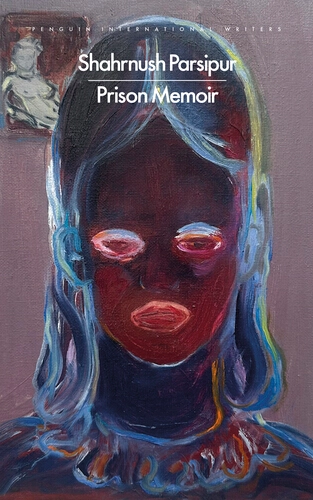
Prison Memoir
What does it mean to remain free in a place designed to take away your freedom? In this unflinching memoir, Iranian writer Shahrnush Parsipur recounts her experiences of imprisonment under both the Shah’s regime and the Islamic Republic. Arrested four times, including a period of nearly five years in prison without formal charges, she witnesses the fear, cruelty, and ideological divisions that shape life behind bars. Yet her account is not simply a record of suffering. With remarkable candour, irony, and unexpected humour, Parsipur reflects on the absurdities of political repression, the lives of fellow prisoners, and her own struggle to understand the forces transforming her country. Combining personal testimony with sharp social observation, Prison Memoir offers a powerful portrait of a woman who refuses to surrender her independence of thought, even when the state attempts to silence her.
2027
Iran