Solitude & Exile
Meditations on isolation, exile, and the inner life.
All countries
Angola
Argentina
Australia
Austria
Belgium
Denmark
France
Germany
Hungary
Iran
Italy
Japan
Lebanon
Libya
Norway
Palestine
Portugal
Romania
Russia
South Korea
Spain
Taiwan
Türkiye
Ukraine
United States
1
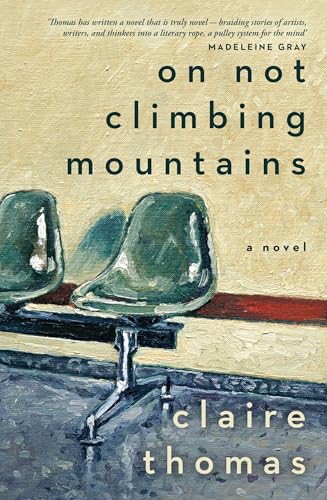
On Not Climbing Mountains
A woman arrives in Geneva, beginning a train journey through Switzerland, the country where her father was born. Seeking solitude and a temporary escape from the demands of ordinary life, she hopes to exist outside the usual rhythms of time. Yet as she travels through snowy landscapes, museums, and historic towns, she becomes immersed in the stories embedded in the places she encounters. She discovers traces of writers and artists including Mary Shelley, James Baldwin, Charlie Chaplin, and Patricia Highsmith, alongside the histories of political revolutionaries, scientific pioneers, and workers who carved tunnels through the Alps. Gradually, these fragments of art, history, and human experience begin to resonate with her own memories and grief. Blending travel writing, historical reflection, and literary fiction, On Not Climbing Mountains is a contemplative novel about the connections between landscape and memory, the fragility of the natural world, and the ways art allows us to encounter lives beyond our own.
Australia
2026
2
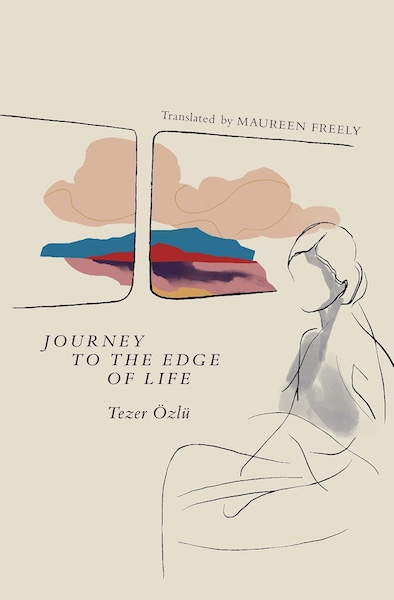
Journey to the Edge of Life
An unnamed Turkish writer embarks on a restless journey across Europe, following the lives and deaths of three writers who have profoundly shaped her imagination: Cesare Pavese, Franz Kafka, and Italo Svevo. Travelling through Berlin, Prague, Vienna, Zagreb, and other cities, she seeks out the places where they lived, wrote, and died, hoping to understand the connection between literature, suffering, and the desire to live.
But this is no ordinary literary pilgrimage. Moving between memories, encounters with lovers, and reflections on her own troubled past, the narrator questions marriage, sexuality, political repression, and the expectations society imposes on women. Her travels become an attempt to escape the confines of her former life and discover a freedom that has always seemed just beyond reach.
Blurring the boundaries between autobiography, travel writing, and fiction, Journey to the Edge of Life is an intense meditation on loneliness, mortality, and the search for meaning. Tezer Özlü transforms the European landscape into a map of her inner world, revealing how the lives of writers we admire can become inseparable from our own search for identity and freedom.
Türkiye
Germany
2025
3

Soyangri Book Kitchen
After leaving behind the pressures of city life in Seoul, Yoojin unexpectedly opens the Book Kitchen in Soyangri, a peaceful village in the South Korean countryside. Part bookshop, part café and part guesthouse, this welcoming retreat offers visitors a place to rest, enjoy homemade food and rediscover the comfort of books. Over the course of a year, as the seasons change, people arrive at the Book Kitchen during difficult turning points in their lives. Among them are a singer struggling with an identity crisis, a promising lawyer facing a troubling medical diagnosis, and a young musical director whose dreams have been diminished by repeated failures. Through quiet conversations, shared meals and the stories found on the shelves, each visitor begins to reconsider their circumstances and imagine new possibilities. With its gentle atmosphere and interconnected characters, the novel celebrates the restorative power of literature, the kindness of strangers and the importance of finding a place where one can pause, reflect and begin again.
South Korea
2025
4
On the Calculation of Volume (Book I)
Tara Selter, the heroine of On the Calculation of Volume, has involuntarily stepped off the train of in her world, November eighteenth repeats itself endlessly. We meet Tara on her 122nd November 18 she no longer experiences the changes of days, weeks, months, or seasons. She finds herself in a lonely new reality without being able to explain how is it that she wakes every morning into the same day, knowing to the exact second when the blackbird will burst into song and when the rain will begin? Will she ever be able to share her new life with her beloved and now chronically befuddled husband? And on top of her profound isolation and confusion, Tara takes in with pain how slight a difference she makes in the world. (As she puts “That’s how little the activities of one person matter on the eighteenth of November.”)
Balle is hypnotic and masterful in her remixing of the endless recursive day, creating curious little folds of time and her flashbacks light up inside the text like old flash bulbs.
The first volume’s gravitational pull—a force inverse to its constriction—has the effect of a strong tranquilizer, but a drug under which your powers of observation only grow sharper and more acute. Give in to the book's logic (its minute movements, its thrilling shifts, its slant wit, its slowing of time) and its spell is utterly intoxicating.
Solvej Balle’s seven-volume novel wrings enthralling and magical new dimensions from time and its hapless, mortal subjects.
Denmark
2024
5
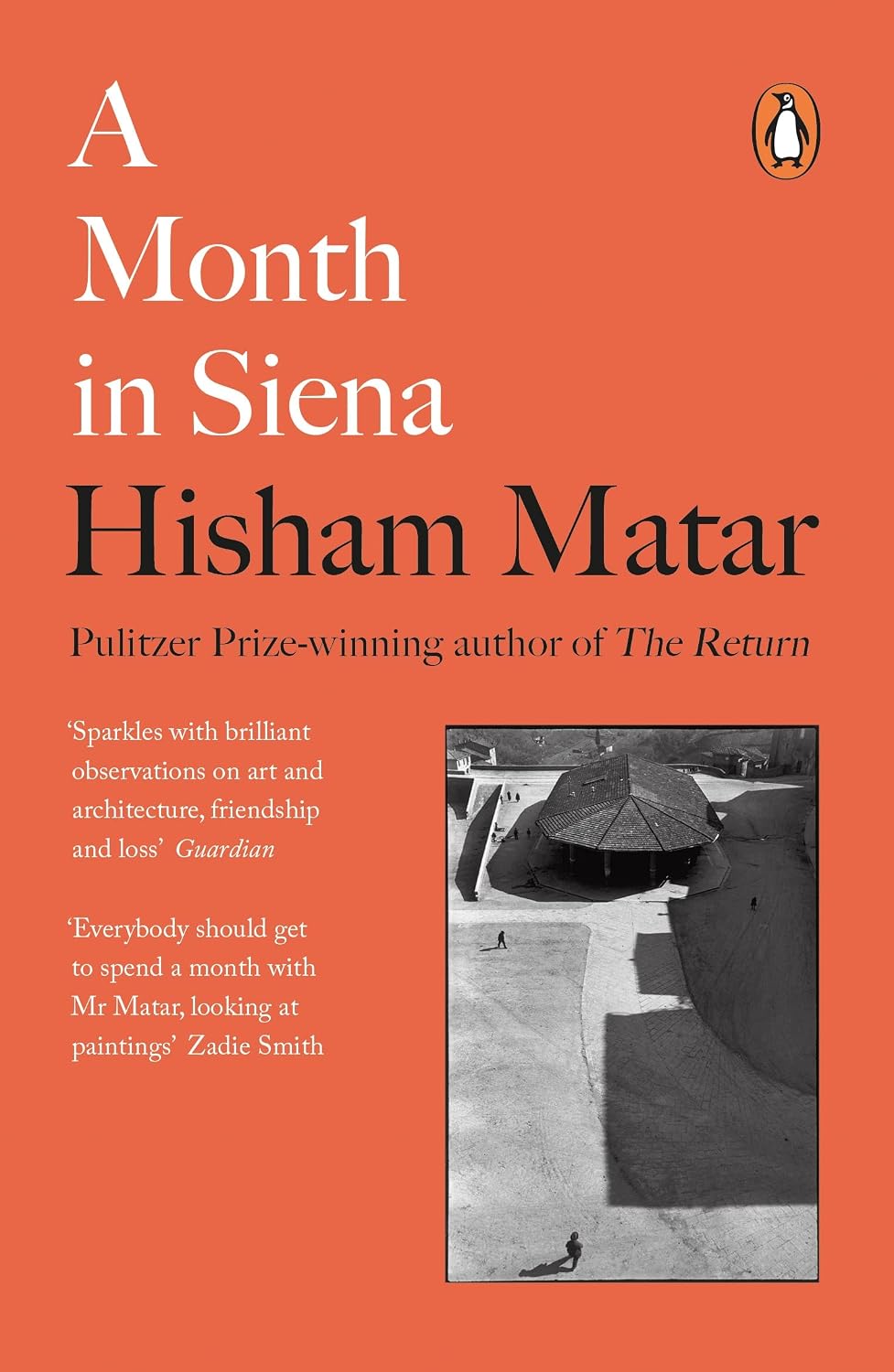
Month in Siena
A Month in Siena is a reflective memoir in which Hisham Matar explores the relationship between art, memory, and personal grief during a month spent in the Italian city of Siena. Drawn to the city’s extraordinary collection of Sienese paintings, Matar immerses himself in the works of medieval and Renaissance artists, seeking solace and understanding through their depictions of human suffering, devotion, and beauty. His observations become intertwined with reflections on his Libyan heritage, his father’s disappearance, and the emotional consequences of years spent searching for answers. Moving between the art galleries of Siena and memories of his own life, Matar considers how art can offer a form of companionship and provide a language for experiences that are otherwise difficult to express. Rather than presenting art history as a purely intellectual pursuit, he approaches painting as an intimate encounter capable of changing how we see ourselves and others. The book is a meditation on loss, exile, faith, and the quiet possibilities of healing through beauty and contemplation.
Libya
2019
6
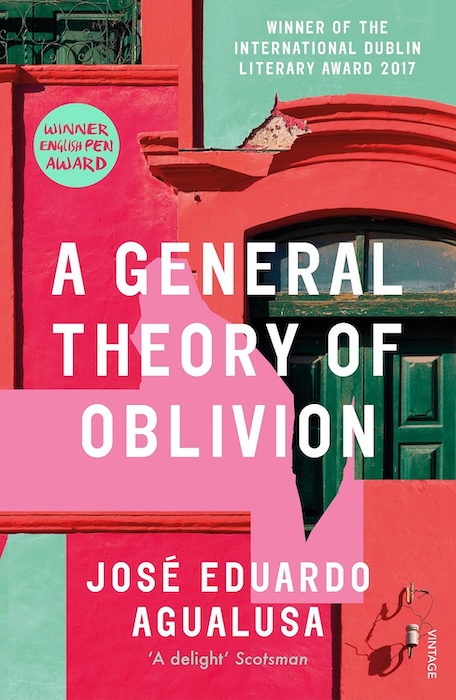
A General Theory of Oblivion
Set in Angola around the time of independence and the ensuing political turmoil, A General Theory of Oblivion follows Ludovica, a Portuguese woman who becomes terrified of the violence unfolding around her. After barricading herself inside her Luanda apartment, she isolates herself from the outside world, attempting to survive through the limited resources available to her. As the country undergoes dramatic transformations, Ludovica’s private existence becomes increasingly detached from the history unfolding beyond her walls. Her story gradually connects with those of other characters whose lives are shaped by political upheaval, chance, and the struggle to survive. Blending historical fiction, dark humour, and elements of the surreal, Agualusa explores solitude, memory, and the human capacity to construct a separate reality when the world outside becomes unbearable.
Angola
2015
7
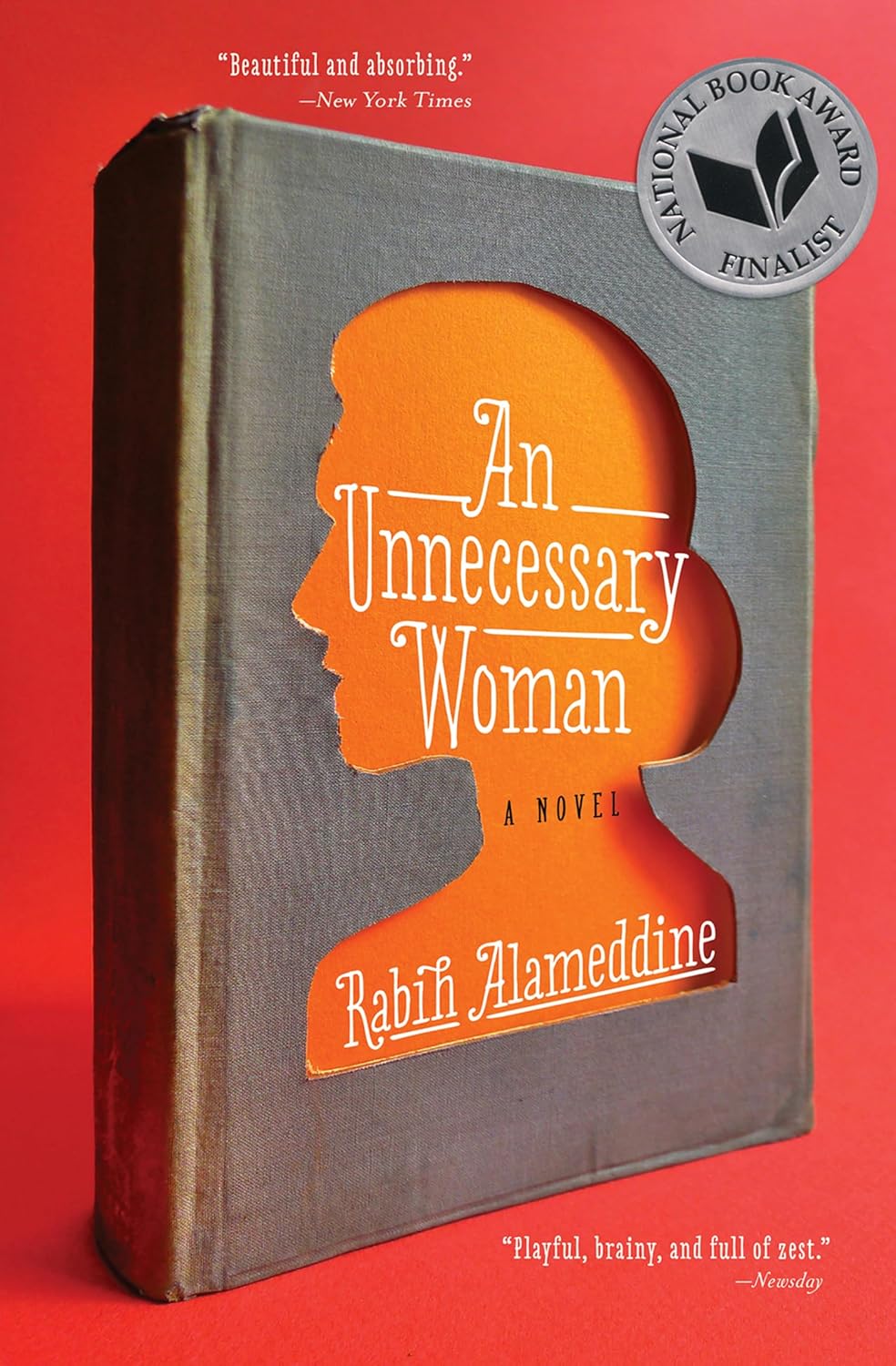
Unnecessary Woman
An Unnecessary Woman centres on Aaliya Saleh, a seventy-two-year-old woman living alone in Beirut. Divorced and estranged from much of her family, Aaliya has spent decades translating literary works into Arabic for her own satisfaction, often without publishing or sharing them. Books provide her with companionship, intellectual freedom, and a refuge from the expectations of a society that frequently overlooks older women. As political tensions and personal memories intrude on her carefully ordered life, Aaliya reflects on her relationships, the civil war, and the choices that have shaped her existence. Her solitary routine is disrupted when an unexpected event threatens to expose the private world she has built around literature. Alameddine explores ageing, independence, cultural identity, and the importance of art, portraying a woman who finds meaning not through conventional success but through the life of the mind.
Lebanon
2014
8
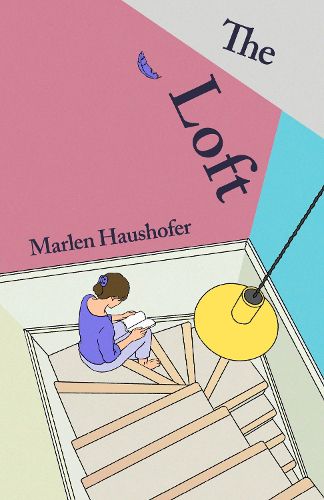
The Loft
In The Loft, an Austrian housewife finds refuge from her monotonous domestic life in an attic where she draws birds, insects and other creatures. Her marriage to Hubert, a dissatisfied lawyer, has settled into emotional distance, while her grown-up children have left home. Although her days appear ordinary, the narrator carries memories of a disturbing episode from twenty years earlier, when a sudden loss of hearing led her husband to send her to a remote cottage to recover. One day, mysterious packages arrive containing extracts from her old diary, forcing her to confront an experience she has tried to forget. As the past intrudes upon her carefully ordered present, the boundaries between memory, repression and self-understanding begin to shift. With quiet psychological intensity, Haushofer examines the loneliness hidden within conventional family life, the constraints placed on women, and the private spaces people create to preserve their individuality. The attic becomes both a sanctuary and a symbol of the narrator’s struggle to understand herself beyond the roles imposed upon her.
Austria
2011
9
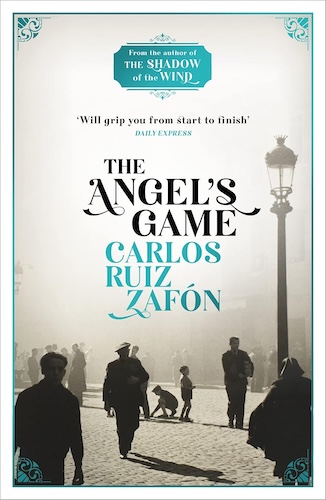
The Angel’s Game
In the dark, atmospheric streets of 1920s Barcelona, David Martín makes his living writing sensational crime stories under a pseudonym. Haunted by a troubled childhood and an impossible love, he finds refuge in literature and in a decaying mansion whose sinister history gradually begins to consume him. When a mysterious French publisher named Andreas Corelli offers him an extraordinary sum of money to write a book unlike any other, David accepts, believing the commission could transform his life.
But as he begins his work, unsettling connections emerge between the book he is writing, the secrets hidden within his mansion, and the strange events unfolding around him. What initially appears to be a dream opportunity becomes an increasingly dangerous mystery, blurring the boundaries between fiction and reality, faith and deception, and creation and destruction.
Returning to the shadowy literary universe of the Cemetery of Forgotten Books, Zafón crafts a Gothic thriller filled with secret passages, forbidden knowledge, obsessive love, and supernatural menace. Beneath its intricate mysteries lies a meditation on the power of storytelling and the price of artistic ambition. The Angel’s Game asks whether a writer can truly control the stories he creates—or whether some stories have the power to control their creators.
Spain
2008
10
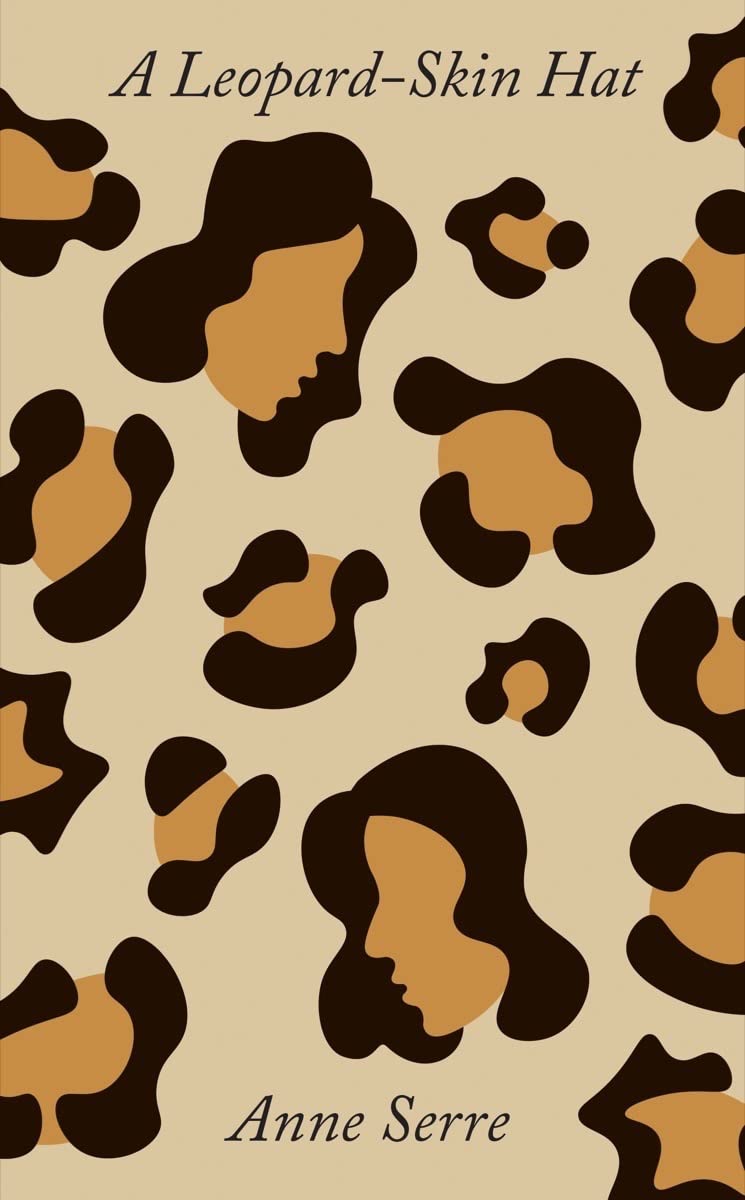
A Leopard-Skin Hat
Some people remain impossible to understand, no matter how deeply we love them. In this intimate, unconventional novel, an unnamed narrator recounts his lifelong friendship with Fanny, a brilliant, rebellious, and deeply troubled woman whose inner world remains beyond his grasp. Bound to her by affection and concern, he witnesses her struggle with profound psychological difficulties, moving between moments of hope and periods of despair. Yet Fanny refuses to be reduced to her suffering: she is unpredictable, spirited, and fiercely individual. Told through brief, lyrical scenes, the novel explores the fragile boundaries between love and helplessness, understanding and mystery. Written in the wake of the death of Serre’s younger sister, this moving work becomes both a tribute to a life cut short and a meditation on grief, memory, and the limits of our ability to truly know another person.
France
2008
11
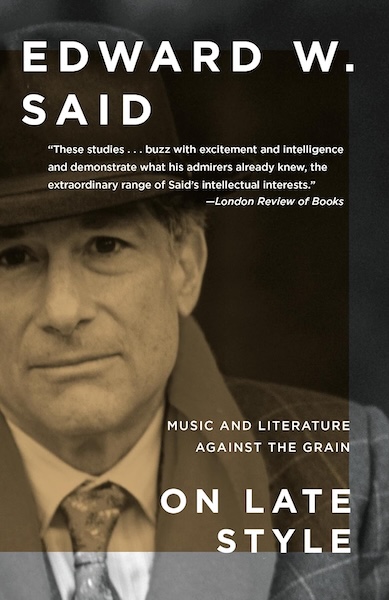
On Late Style: Music and Literature Against the Grain
What happens when great artists approach the end of their lives—and begin creating works that refuse to offer comfort, harmony, or easy answers?
In On Late Style, Edward W. Said explores the final works of celebrated composers, writers, and artists, including Beethoven, Mozart, Thomas Mann, and Jean Genet. He challenges the assumption that artistic maturity naturally leads to wisdom and reconciliation, arguing instead that some creators produce their most challenging work late in life, embracing contradiction, resistance, and unresolved tensions.
Drawing on music, literature, opera, and film, Said examines how artists confront their own mortality while remaining at odds with the cultural expectations of their time. The result is a compelling reflection on creativity, ageing, and the courage to resist conventional ideas of artistic perfection.
Published posthumously in 2006, this unfinished final work reflects Said’s own lifelong commitment to intellectual independence and the power of art to challenge established assumptions.
Palestine
United States
2006
12

I Don't Care
First published in 2005 as C’est égal, I Don’t Care is a collection of short stories by Hungarian-born writer Ágota Kristóf, known for her stark prose and unsettling portrayals of human existence. The stories range from surreal parables to brief, brutally realistic glimpses into ordinary lives marked by loneliness, cruelty, and quiet desperation. Characters struggle with family relationships, alienation, death, and the impossibility of finding a place where they truly belong. Some stories unfold like disturbing fairy tales, while others capture the bleak absurdity of everyday encounters. Beneath their apparent simplicity, Kristóf’s narratives reveal the fragility of human connection and the emotional consequences of displacement. Written with extraordinary economy, the collection leaves much unsaid, allowing silences and omissions to become as meaningful as the words themselves. I Don’t Care offers a haunting portrait of people caught between the desire to escape their circumstances and the inability to find refuge elsewhere. Exile, both physical and emotional, runs throughout the collection, reflecting the author’s own experience of leaving her homeland and building a life in another language.
Hungary
2005
About this theme
- Books
- 30
- Countries
- 25
Countries with this theme
Angola
Africa
Argentina
South America
Australia
Oceania
Austria
Europe
Belgium
Europe
Denmark
Europe
France
Europe
Germany
Europe
Hungary
Europe
Iran
Asia
Italy
Europe
Japan
Asia
Lebanon
Asia
Libya
Africa
Norway
Europe
Palestine
Asia
Portugal
Europe
Romania
Europe
Russia
Europe
South Korea
Asia
Spain
Europe
Taiwan
Asia
Türkiye
Asia
Ukraine
Europe
United States
North America