Society & Class
Examinations of class, power, and the structures we live within.
All countries
Austria
Bangladesh
Belarus
Benin
Bhutan
Bosnia and Herzegovina
Brazil
Bulgaria
Burundi
Cabo Verde
Cameroon
Chile
China
Congo, Democratic Republic
Costa Rica
Côte d’Ivoire (Ivory Coast)
Czech Republic
Denmark
Dominican Republic
Egypt
Fiji
France
Georgia
Germany
Ghana
Greece
India
Iraq
Ireland
Italy
Jamaica
Japan
Jordan
Kuwait
Lithuania
Mexico
Morocco
Nigeria
Pakistan
Palestine
Russia
Saudi Arabia
Senegal
South Africa
South Korea
Spain
Sudan
Sweden
Türkiye
Ukraine
United Kingdom
United States
Uzbekistan
Zambia
1
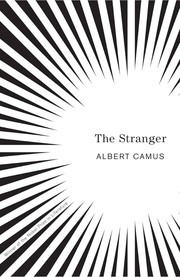
The Stranger
The Stranger follows Meursault, an emotionally detached French Algerian who lives in Algiers and seems indifferent to the social conventions that govern those around him. After attending his mother’s funeral without displaying the expected signs of grief, he returns to his ordinary routine, beginning a relationship with Marie and becoming involved in the affairs of his neighbour, Raymond. During a seemingly unremarkable day at the beach, a confrontation leads Meursault to commit a sudden act of violence that changes the course of his life.
As he faces trial, the focus gradually shifts from the crime itself to his unconventional behaviour and apparent refusal to conform to society’s expectations. Through Meursault’s experience, Camus explores alienation, morality, justice, and the absurdity of human existence. Set in colonial Algeria, the novel also reflects the inequalities and tensions of the period. Written in a spare, detached style, The Stranger questions whether society judges people for their actions or for their failure to express the emotions and beliefs it considers acceptable.
France
1989
2
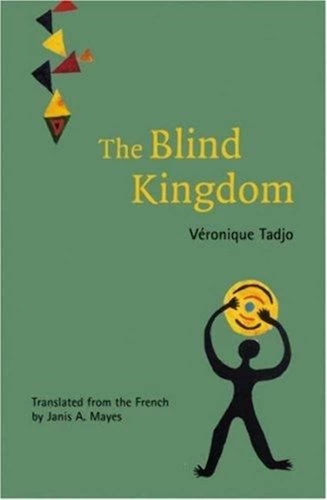
The Blind Kingdom
In The Blind Kingdom, Véronique Tadjo imagines a society thrown into chaos when a devastating natural disaster shakes the land and an epidemic of blindness takes hold. As the kingdom struggles to survive, its people face fear, uncertainty, and the collapse of the structures that once held their world together. Yet the crisis exposes more than physical suffering: it reveals the moral blindness of those in power and the indifference of a ruler who remains detached from the misery of his subjects.
At the centre of the story is a tyrannical king whose obsession with authority prevents him from recognising the suffering around him. His daughter, however, begins to question the kingdom’s injustice and becomes drawn to a man seeking to save the country from oppression. Through this allegorical tale, Tadjo explores dictatorship, social inequality, and the dangers of political leaders who refuse to see the realities faced by ordinary people.
Blending novelistic storytelling with poetic and symbolic elements, Tadjo creates a powerful reflection on a society approaching collapse. Although rooted in the political realities of Côte d’Ivoire and wider African experiences, the novel’s themes of authoritarianism, resistance, and collective responsibility resonate far beyond its setting.
Côte d’Ivoire (Ivory Coast)
1990
3
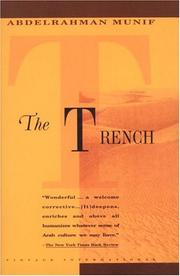
The Trench
The Trench is the second novel in Abdul Rahman Munif’s Cities of Salt quintet, which explores the transformation of the Arabian Peninsula following the discovery of oil. Set in the fictional emirate of Harran, the novel follows the growing power of the ruling elite as oil wealth reshapes society, politics, and everyday life. Foreign interests, local rulers, and emerging institutions compete for influence, while ordinary people struggle to understand and adapt to a rapidly changing world.
Through vivid characters and a broad social panorama, Munif examines how economic modernization can deepen inequality, weaken traditional communities, and concentrate power in the hands of a privileged few. The novel offers a critical portrait of a society caught between inherited customs and the disruptive forces of global capitalism, exposing the human costs behind promises of progress.
Saudi Arabia
1991
4
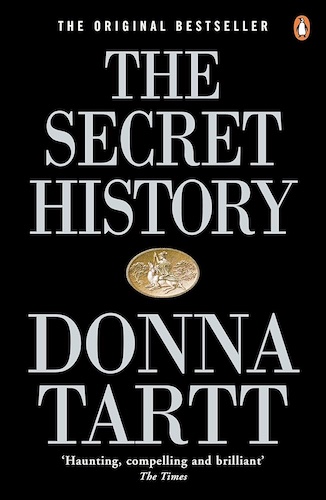
The Secret History
At an elite Vermont college, a tight-knit group of classics students becomes consumed by beauty, intellectual obsession, and the darker side of ancient philosophy. When their pursuit of an extraordinary experience leads to murder, their carefully constructed world begins to unravel. An atmospheric psychological novel about guilt, privilege, and the dangerous allure of belonging.
United States
1992
5
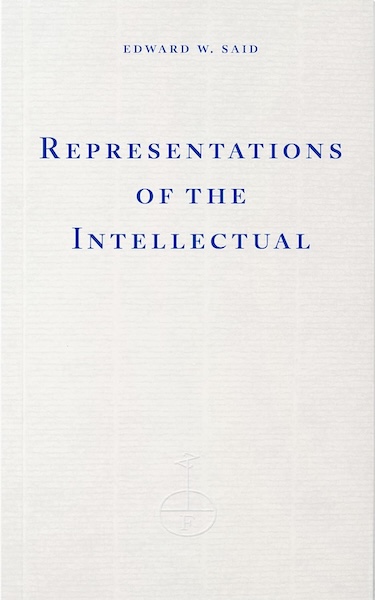
Representations of the Intellectual
Should intellectuals challenge those in power, even when doing so threatens their careers, reputations, or personal safety?
Based on his 1993 BBC Reith Lectures, Representations of the Intellectual explores the role of the thinker in public life. Edward W. Said argues that intellectuals have a responsibility to question accepted wisdom, resist political and institutional pressure, and speak honestly about injustice—even when their views are unpopular.
Drawing on figures such as Theodor Adorno and Jonathan Swift, as well as contemporary political events, Said examines the dangers of allowing expertise, ambition, nationalism, or financial interests to silence independent thought. He presents the intellectual as an outsider who must remain willing to challenge authority rather than simply serve it.
Passionate and provocative, this short collection asks what it means to preserve intellectual independence in a world shaped by powerful institutions and competing interests. It remains a compelling reflection on the relationship between knowledge, conscience, and public responsibility.
Palestine
United States
1994
6
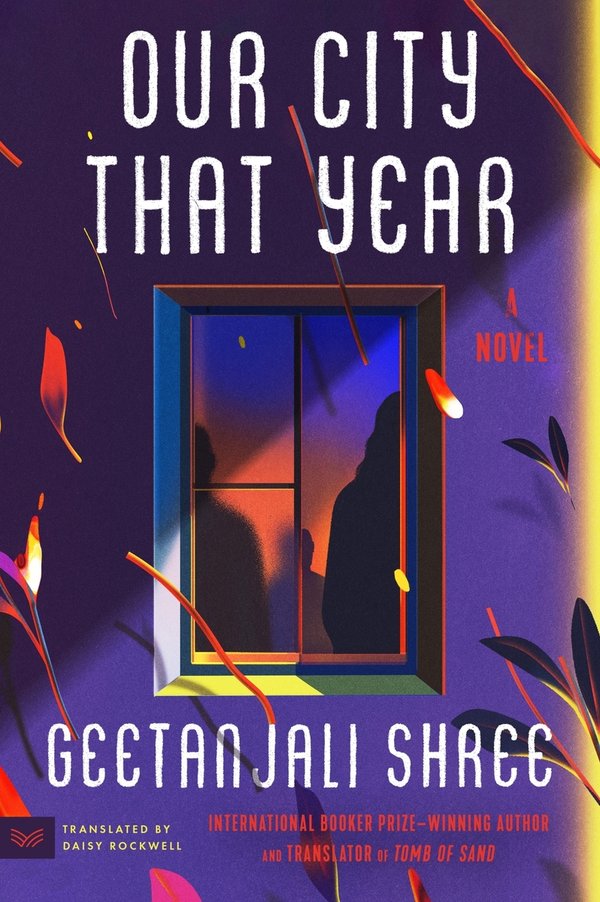
Our City That Year
An Indian city descends into communal violence, and the boundaries between neighbours, friends, and enemies begin to collapse. As religious extremism spreads and fear silences public life, three intellectuals struggle to make sense of the unfolding catastrophe. Shruti, a writer, finds herself unable to put the horrors into words; Hanif, an academic whose secular beliefs isolate him, watches his world shrink; and Sharad confronts the growing distance between himself and his childhood friend. Meanwhile, an unnamed narrator attempts to record what others might prefer to forget. Inspired by the political and social tensions surrounding the destruction of the Babri Mosque in 1992, Our City That Year is a haunting exploration of religious nationalism, fractured communities, and the responsibility of bearing witness when silence becomes complicity.
India
1998
7
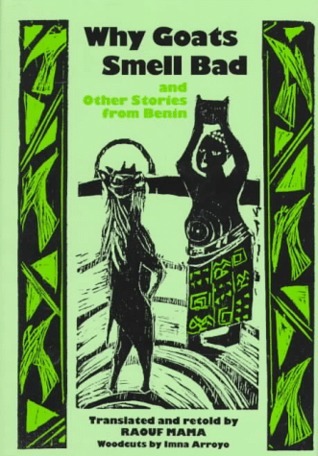
Why Goats Smell Bad and Other Stories
Why Goats Smell Bad and Other Stories from Benin is a collection of traditional folktales from the Fon people of Benin, adapted and translated by storyteller and scholar Raouf Mama. Drawing on West Africa’s rich oral storytelling traditions, the collection features tales of orphans, magical twins, kings and queens, spirits, talking animals, farmers, and clever tricksters.
Through imaginative adventures, unexpected transformations, and humorous encounters, the stories explore human behaviour and the consequences of greed, jealousy, pride, and dishonesty. Some resemble familiar folktales from other parts of the world, while others offer distinctive insights into Fon cultural beliefs, customs, and values. Mama also provides notes explaining cultural details and the adaptations made to the original oral narratives.
By preserving stories passed down through generations, the collection celebrates Benin’s cultural heritage and demonstrates how traditional tales can communicate moral lessons, explain the natural world, and illuminate the complexities of human relationships.
Benin
1998
8
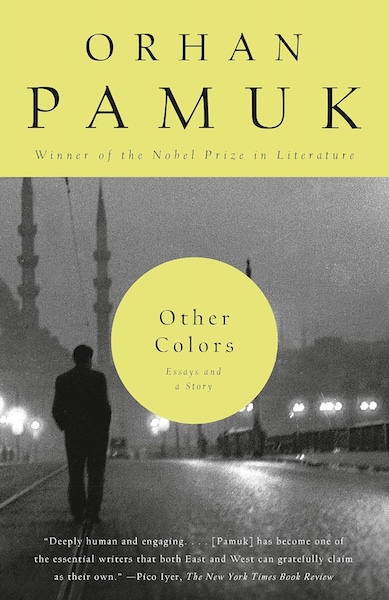
Other Colors: Essays and a Story
What does it mean to be a writer, to belong to a city, or to live between different cultural worlds? In Other Colors, Orhan Pamuk opens a window into his creative life through a collection of essays, interviews, diary entries, literary reflections, and personal recollections written over more than two decades.
Pamuk writes about his childhood in Istanbul, the pleasures and anxieties of everyday life, his relationship with his daughter, and the books and writers who shaped his imagination. He reflects on the art of writing novels, the relationship between Eastern and Western literary traditions, and the political and cultural tensions that have influenced modern Turkey. The collection also includes the short story Looking Out the Window, offering a glimpse of his fiction through a different lens.
Intimate, curious, and often provocative, Other Colors reveals the ideas and experiences behind Pamuk’s celebrated novels. It is both a portrait of a writer at work and a meditation on literature, memory, politics, and the complexities of belonging.
Türkiye
1999
9
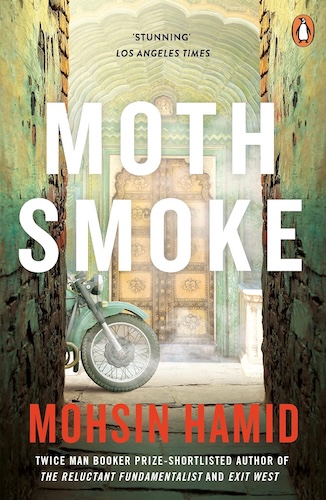
Moth Smoke
Set in Lahore during the sweltering summer of 1998, against the backdrop of Pakistan’s first nuclear tests, Moth Smoke follows Darashikoh “Daru” Shezad, a young banker whose carefully constructed life begins to collapse after he loses his job. Suddenly unable to maintain his place among the city’s privileged elite, Daru watches as his childhood friend Ozi returns from America with a wealthy lifestyle, a beautiful wife, and a future that seems increasingly out of reach. Daru becomes obsessed with Ozi’s wife, Mumtaz, a restless woman who secretly works as an investigative journalist, and their attraction draws him into a dangerous spiral of drugs, crime, and self-destruction. Told through shifting perspectives, courtroom testimonies, and the voices of those who know him, the novel gradually reveals the contradictions of its troubled protagonist. Beyond Daru’s personal downfall, Hamid paints a vivid portrait of a society divided by wealth, corruption, and inherited privilege. Like moths drawn irresistibly toward a flame, the characters pursue desires that may ultimately destroy them. Moth Smoke is a sharp, darkly humorous exploration of ambition, inequality, and moral collapse in a rapidly changing Pakistan.
Pakistan
2000
10
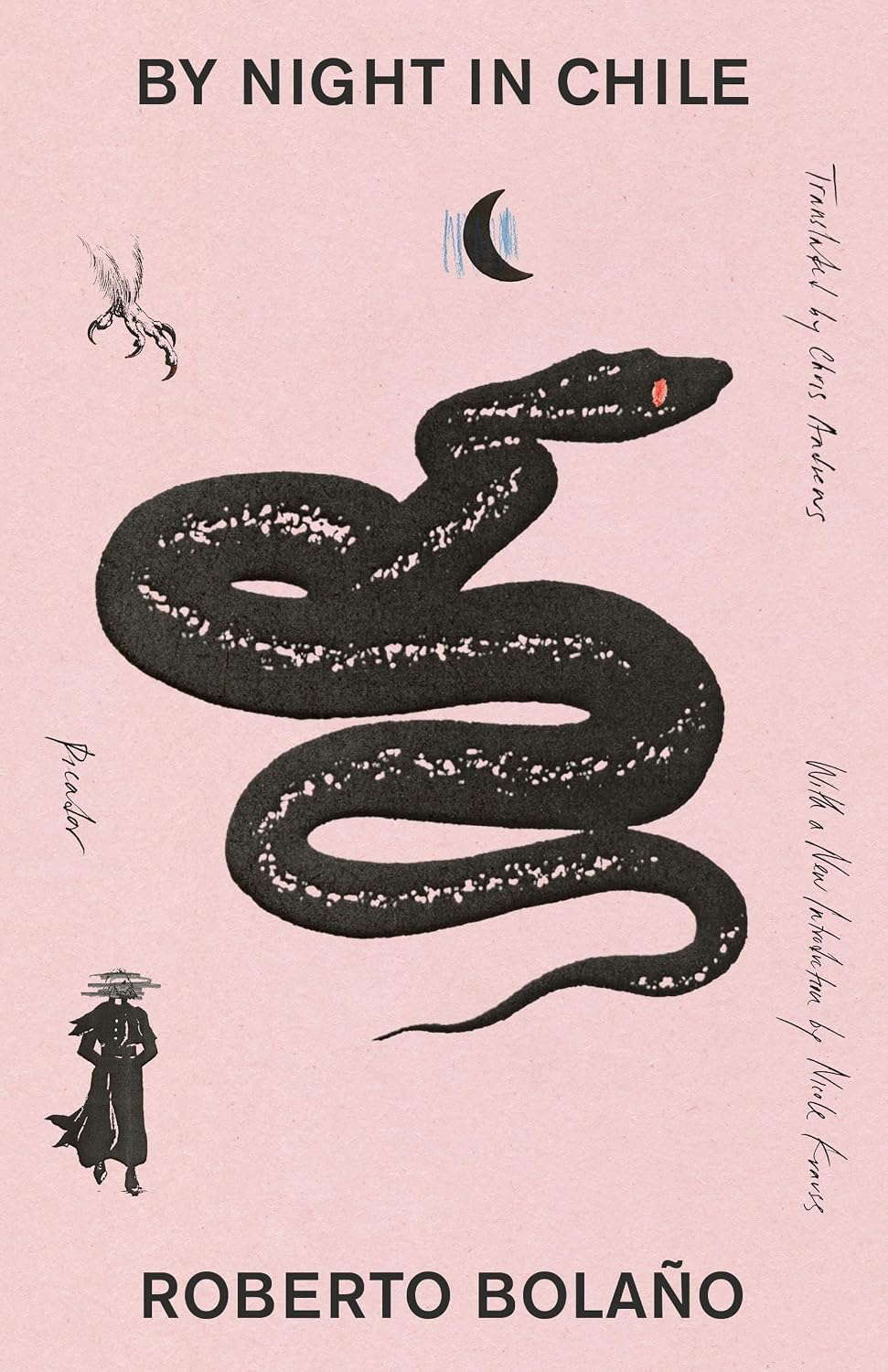
By Night in Chile
By Night in Chile is narrated by Father Sebastián Urrutia Lacroix, a Chilean priest, literary critic, and member of the country’s intellectual establishment. As he lies dying, he reflects on his life, defending his decisions and attempting to reconcile his cultural ambitions with the political realities of Chile under Augusto Pinochet’s dictatorship. His memories reveal disturbing connections between literary circles, religious institutions, and the machinery of political repression. Bolaño uses a single, breathless monologue to expose the compromises and silences of people who preserve their social standing while injustice unfolds around them. Blurring the boundaries between confession, satire, and historical testimony, the novella examines complicity, moral cowardice, and the responsibility of intellectuals when faced with authoritarian power.
Chile
2000
11
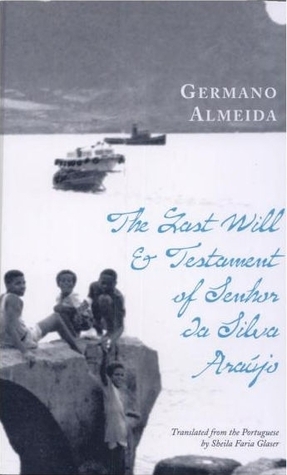
The Last Will & Testament of Senhor da Silva Araújo
Set on the Cape Verdean island of São Vicente, this witty and insightful novel begins with the death of Senhor Napumoceno da Silva Araújo, a respected businessman whose carefully constructed public image is about to unravel. Born into poverty, Napumoceno has built a successful import-export company and become a prominent figure in the community. To outsiders, he appears disciplined, respectable, and almost obsessively proper.
However, when his lengthy last will and testament is read aloud, it reveals a very different man. Through a combination of memoir, confession, and unexpected revelations, Napumoceno exposes secret relationships, questionable business dealings, and the existence of a daughter nobody knew about. His revelations also disrupt the inheritance plans of his nephew, who assumes he is the rightful heir.
With humour and gentle irony, Germano Almeida explores the gap between public reputation and private reality. The novel also examines social ambition, hypocrisy, family, and the legacies of colonial society in Cape Verde. Beneath its comic surface lies a thoughtful portrait of a man struggling to reconcile the person he wanted to be with the life he actually lived.
Cabo Verde
2004
12
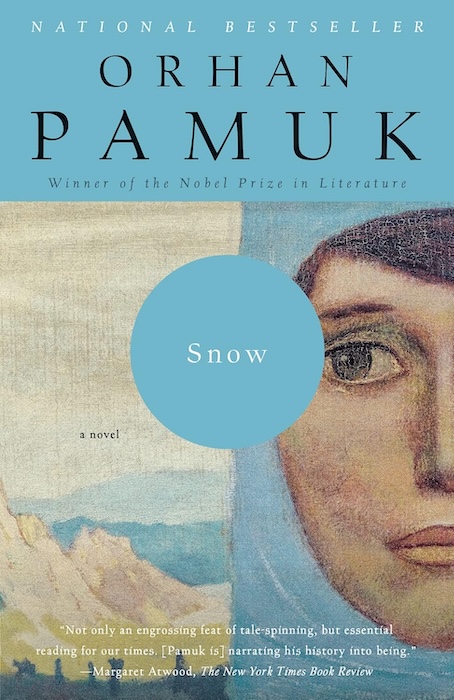
Snow
Snow follows Ka, a Turkish poet returning from political exile in Germany to the remote city of Kars. Officially, he is investigating a series of young women’s suicides, but he is also drawn into the city’s complicated political and religious tensions. As a severe snowstorm isolates Kars from the outside world, Ka becomes entangled with secular intellectuals, Islamists, Kurdish activists, and military authorities. His renewed feelings for İpek, a woman he once knew, offer the possibility of personal happiness amid the surrounding instability. However, a theatrical performance and a military coup intensify the conflict between competing ideological groups. Pamuk examines secularism, religious belief, censorship, and the difficulties of individual freedom in a deeply divided society. Through Ka’s experiences, the novel explores how political convictions shape private lives and how difficult it can be to remain independent when every side demands allegiance.
Türkiye
2005
About this theme
- Books
- 140
- Countries
- 54
Countries with this theme
Austria
Europe
Bangladesh
Asia
Belarus
Europe
Benin
Africa
Bhutan
Asia
Bosnia and Herzegovina
Europe
Brazil
South America
Bulgaria
Europe
Burundi
Africa
Cabo Verde
Africa
Cameroon
Africa
Chile
South America
China
Asia
Congo, Democratic Republic
Africa
Costa Rica
North America
Côte d’Ivoire (Ivory Coast)
Africa
Czech Republic
Europe
Denmark
Europe
Dominican Republic
North America
Egypt
Africa
Fiji
Oceania
France
Europe
Georgia
Asia
Germany
Europe
Ghana
Africa
Greece
Europe
India
Asia
Iraq
Asia
Ireland
Europe
Italy
Europe
Jamaica
North America
Japan
Asia
Jordan
Asia
Kuwait
Asia
Lithuania
Europe
Mexico
North America
Morocco
Africa
Nigeria
Africa
Pakistan
Asia
Palestine
Asia
Russia
Europe
Saudi Arabia
Asia
Senegal
Africa
South Africa
Africa
South Korea
Asia
Spain
Europe
Sudan
Africa
Sweden
Europe
Türkiye
Asia
Ukraine
Europe
United Kingdom
Europe
United States
North America
Uzbekistan
Asia
Zambia
Africa