Society & Class
Examinations of class, power, and the structures we live within.
All countries
Austria
Bangladesh
Belarus
Benin
Bhutan
Bosnia and Herzegovina
Brazil
Bulgaria
Burundi
Cabo Verde
Cameroon
Chile
China
Congo, Democratic Republic
Costa Rica
Côte d’Ivoire (Ivory Coast)
Czech Republic
Denmark
Dominican Republic
Egypt
Fiji
France
Georgia
Germany
Ghana
Greece
India
Iraq
Ireland
Italy
Jamaica
Japan
Jordan
Kuwait
Lithuania
Mexico
Morocco
Nigeria
Pakistan
Palestine
Russia
Saudi Arabia
Senegal
South Africa
South Korea
Spain
Sudan
Sweden
Türkiye
Ukraine
United Kingdom
United States
Uzbekistan
Zambia
1
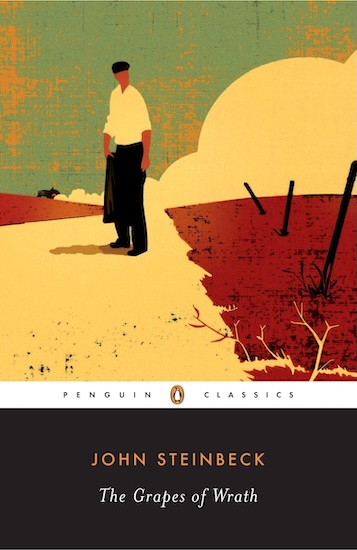
The Grapes of Wrath
The Grapes of Wrath follows the Joad family, tenant farmers driven from their Oklahoma home during the Great Depression and the Dust Bowl. Hoping to find work and a better future, they travel west to California, joining thousands of other migrants searching for survival. Instead of prosperity, they encounter exploitation, overcrowded camps, low wages, and hostility from landowners who fear the growing number of desperate workers. As the family’s circumstances deteriorate, Tom Joad and his mother struggle to preserve their dignity and solidarity in the face of injustice. Steinbeck portrays the human cost of economic collapse, revealing how powerful institutions can profit from the vulnerability of ordinary people. The novel explores poverty, migration, collective resistance, and the importance of community, arguing that human survival depends not only on individual determination but also on mutual responsibility and social justice.
United States
1939
2
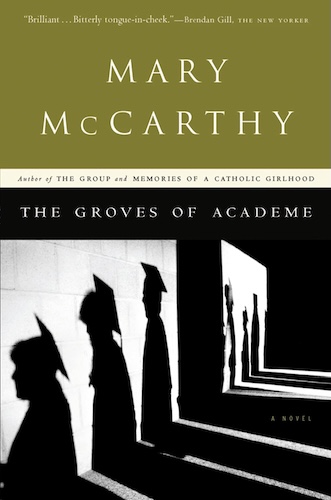
The Groves of Academe
At the progressive Jocelyn College, literature instructor Henry Mulcahy receives devastating news: his contract will not be renewed. Convinced that the college president is conspiring against him, Mulcahy launches a desperate campaign to save his career. As Cold War paranoia and anti-Communist suspicion sweep through America, he discovers that political loyalties and accusations can be powerful weapons in the battle for academic survival. But the more he fights for justice, the more his own dishonesty and ambition come to light. Sharp, witty, and mercilessly observant, The Groves of Academe exposes the rivalries, ideological hypocrisy, and petty power struggles lurking behind the respectable façade of university life.
United States
1952
3
Best of Everything
The Best of Everything follows five young women working in a New York publishing company during the late 1950s as they navigate professional ambition, romance, and the expectations placed on women in postwar America. Caroline Bender dreams of building a meaningful career, while her colleagues struggle with relationships, financial insecurity, and the pressure to find suitable husbands. Their experiences reveal a world in which women are encouraged to pursue independence but are still judged by their marital status and appearance. As the characters encounter workplace discrimination, emotional disappointments, and difficult personal choices, they begin to question what success and happiness really mean. Jaffe offers an unvarnished portrait of women’s lives in a rapidly changing society, exploring the conflict between individual aspirations and conventional expectations. The novel examines gender inequality, ambition, and the price women are often expected to pay for trying to have both a career and a fulfilling personal life.
United States
1958
4
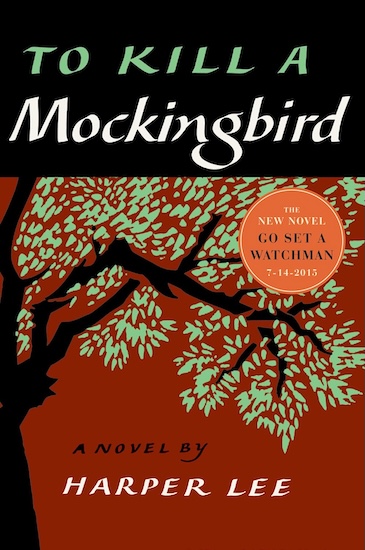
To Kill a Mockingbird
Set in the fictional town of Maycomb, Alabama, during the Great Depression, To Kill a Mockingbird is narrated by Scout Finch, a young girl growing up in a deeply segregated society. Her father, Atticus Finch, is a lawyer who agrees to defend Tom Robinson, a Black man falsely accused of assaulting a white woman. As Scout and her brother Jem observe the trial and its consequences, they encounter the realities of racial prejudice, social inequality, and moral courage. Their experiences challenge their childhood assumptions about justice and human goodness. Through Scout’s developing understanding of the world, Harper Lee examines the conflict between personal conscience and social convention, showing how prejudice can distort even the most fundamental principles of fairness.
United States
1960
5
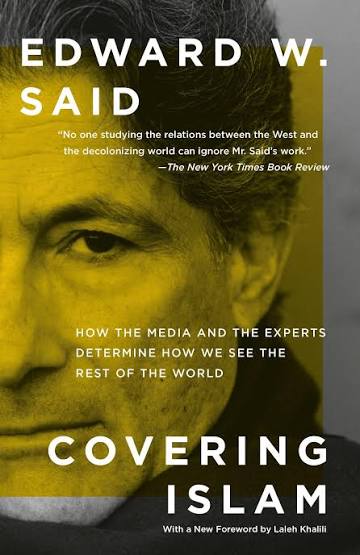
Covering Islam
How does the media shape what the world believes about Islam?
In Covering Islam, Edward W. Said investigates how Western news organisations, academics, and political commentators represent Islam and Muslim societies. He argues that media coverage often reduces diverse communities to simplified images associated with extremism, conflict, and political threat, obscuring the complexity of their histories and everyday lives.
Said explores the relationship between knowledge, media institutions, and political power, asking readers to question who gets to define another culture and whose perspectives are excluded. The book remains an important study of representation, stereotyping, and the influence of public narratives on international understanding.
Palestine
United States
1981
6
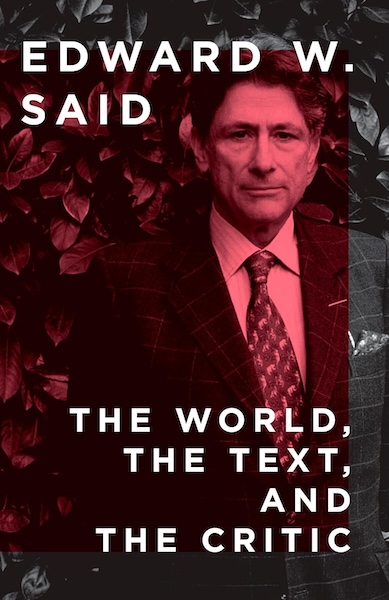
The World, the Text, and the Critic
Can literature ever be separated from the world in which it is created?
In The World, the Text, and the Critic, Edward W. Said challenges the idea that literary works should be understood independently of their historical and political contexts. Through a series of essays, he examines the relationship between literature, intellectual life, institutions, and social power.
Said introduces the idea of worldliness: texts are produced within particular historical circumstances and participate in the societies around them, whether their authors acknowledge it or not. He also considers the critic’s responsibility to question established assumptions rather than simply reinforce dominant ideas. This influential collection explores how literary criticism can become a form of intellectual independence and public engagement.
Palestine
United States
1983
7
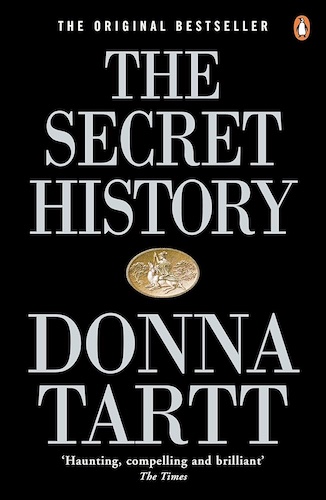
The Secret History
At an elite Vermont college, a tight-knit group of classics students becomes consumed by beauty, intellectual obsession, and the darker side of ancient philosophy. When their pursuit of an extraordinary experience leads to murder, their carefully constructed world begins to unravel. An atmospheric psychological novel about guilt, privilege, and the dangerous allure of belonging.
United States
1992
8
Representations of the Intellectual
Should intellectuals challenge those in power, even when doing so threatens their careers, reputations, or personal safety?
Based on his 1993 BBC Reith Lectures, Representations of the Intellectual explores the role of the thinker in public life. Edward W. Said argues that intellectuals have a responsibility to question accepted wisdom, resist political and institutional pressure, and speak honestly about injustice—even when their views are unpopular.
Drawing on figures such as Theodor Adorno and Jonathan Swift, as well as contemporary political events, Said examines the dangers of allowing expertise, ambition, nationalism, or financial interests to silence independent thought. He presents the intellectual as an outsider who must remain willing to challenge authority rather than simply serve it.
Passionate and provocative, this short collection asks what it means to preserve intellectual independence in a world shaped by powerful institutions and competing interests. It remains a compelling reflection on the relationship between knowledge, conscience, and public responsibility.
Palestine
United States
1994
9
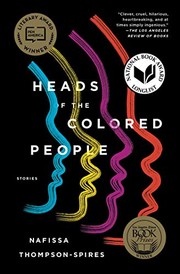
Heads of the Colored People
In Heads of the Colored People, Nafissa Thompson-Spires explores race, identity, and belonging in contemporary Black America. Through interconnected stories, she examines the complexities of social expectations, cultural stereotypes, and the pressures of navigating identity in a society shaped by racial inequality.
United States
2019
10
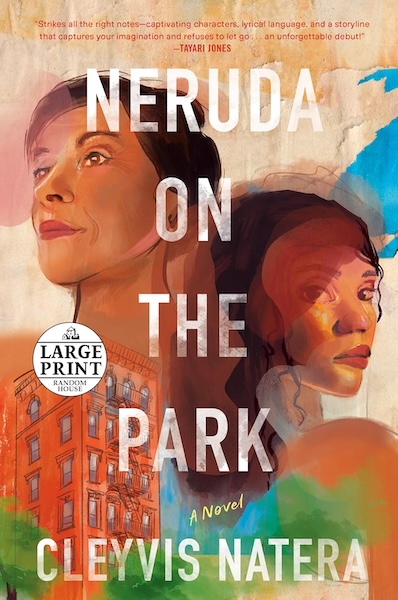
Neruda on the Park
For twenty years, the Guerrero family has called Nothar Park, a predominantly Dominican neighbourhood in New York City, home. But when a neighbouring tenement is demolished to make way for luxury condominiums, the threat of gentrification pushes the community toward a breaking point. Eusebia Guerrero, determined to protect the neighbourhood and the people who shaped her life, begins organising increasingly risky schemes to frighten developers away. Her daughter, Luz, has very different ambitions: a successful career in corporate law and the comfortable lifestyle her immigrant parents worked hard to provide.
When Luz loses her job and falls into a passionate relationship with a wealthy property developer connected to the very project her mother opposes, the conflict between them becomes deeply personal. Meanwhile, Luz’s father secretly plans their retirement in the Dominican Republic, reopening old tensions about home and belonging.
With humour and emotional depth, Neruda on the Park explores gentrification, generational conflict, immigrant identity, and the difficult choices families face when the place they call home begins to disappear.
Dominican Republic
United States
2022
11
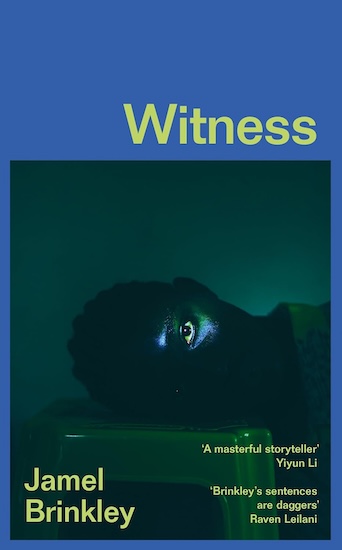
Witness
What does it mean to witness someone else’s suffering—and what responsibility comes with seeing the truth?
Set in contemporary New York City, Witness brings together ten stories about people caught between the desire to care for one another and the uncomfortable truths that make connection difficult. A young girl tries to navigate tensions within her family as the home she knows faces an uncertain future. A man struggles with memories he cannot escape. A woman living with the aftermath of violence searches for a way forward. Across these lives, ordinary encounters become moments of revelation, exposing the quiet decisions that can shape a family, a friendship, or an entire community.
Jamel Brinkley writes about the spaces between people: the affection that survives disappointment, the secrets that fracture trust, and the moments when silence becomes its own kind of betrayal. His characters are neither wholly innocent nor easily condemned; they are human, complicated, and often uncertain about what doing the right thing actually requires.
Tender, unsettling, and deeply observant, Witness explores grief, belonging, inequality, and the moral weight of looking away. It asks whether truly seeing another person is enough—or whether we must also find the courage to act.
United States
2023
12
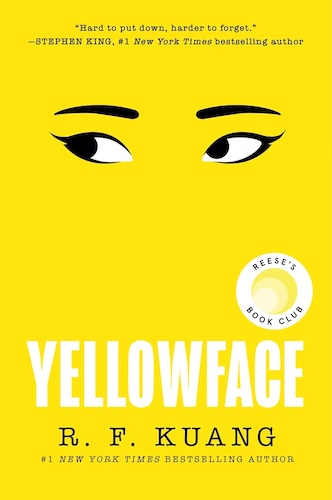
Yellowface
How far would you go to become the writer you believe you deserve to be? June Hayward has spent years watching her university friend Athena Liu enjoy the literary success she desperately craves. When Athena dies unexpectedly, June steals her unpublished manuscript, makes a few changes, and publishes it under the ambiguous name Juniper Song. The novel becomes a sensation, bringing June fame, fortune, and the recognition she has always wanted. But as questions about authorship and cultural appropriation begin to surface, maintaining her carefully constructed identity becomes increasingly dangerous. With biting humour and escalating suspense, Yellowface exposes the darker side of the publishing industry, exploring racism, jealousy, literary ambition, and the ethics of telling stories that are not yours.
United States
2023
About this theme
- Books
- 17
- Countries
- 54
Countries with this theme
Austria
Europe
Bangladesh
Asia
Belarus
Europe
Benin
Africa
Bhutan
Asia
Bosnia and Herzegovina
Europe
Brazil
South America
Bulgaria
Europe
Burundi
Africa
Cabo Verde
Africa
Cameroon
Africa
Chile
South America
China
Asia
Congo, Democratic Republic
Africa
Costa Rica
North America
Côte d’Ivoire (Ivory Coast)
Africa
Czech Republic
Europe
Denmark
Europe
Dominican Republic
North America
Egypt
Africa
Fiji
Oceania
France
Europe
Georgia
Asia
Germany
Europe
Ghana
Africa
Greece
Europe
India
Asia
Iraq
Asia
Ireland
Europe
Italy
Europe
Jamaica
North America
Japan
Asia
Jordan
Asia
Kuwait
Asia
Lithuania
Europe
Mexico
North America
Morocco
Africa
Nigeria
Africa
Pakistan
Asia
Palestine
Asia
Russia
Europe
Saudi Arabia
Asia
Senegal
Africa
South Africa
Africa
South Korea
Asia
Spain
Europe
Sudan
Africa
Sweden
Europe
Türkiye
Asia
Ukraine
Europe
United Kingdom
Europe
United States
North America
Uzbekistan
Asia
Zambia
Africa