Society & Class
Examinations of class, power, and the structures we live within.
All countries
Austria
Bangladesh
Belarus
Benin
Bhutan
Bosnia and Herzegovina
Brazil
Bulgaria
Burundi
Cabo Verde
Cameroon
Chile
China
Congo, Democratic Republic
Costa Rica
Côte d’Ivoire (Ivory Coast)
Czech Republic
Denmark
Dominican Republic
Egypt
Fiji
France
Georgia
Germany
Ghana
Greece
India
Iraq
Ireland
Italy
Jamaica
Japan
Jordan
Kuwait
Lithuania
Mexico
Morocco
Nigeria
Pakistan
Palestine
Russia
Saudi Arabia
Senegal
South Africa
South Korea
Spain
Sudan
Sweden
Türkiye
Ukraine
United Kingdom
United States
Uzbekistan
Zambia
1

The Mail Carrier
In a small French village, a postman knows everyone’s secrets—and cannot resist uncovering more. Joigneau begins his daily rounds with a bag full of letters, bills, telegrams, and summonses, but delivering the mail is only part of his business. Curious, calculating, and shamelessly intrusive, he opens envelopes, delays deliveries, and invents excuses to enter people’s homes. As he moves from one household to another, the private ambitions, petty rivalries, hidden anxieties, and quiet hypocrisies of the village come into view. A baker cheats his customers, a café owner plots to acquire a neighbour’s property, and superstition shapes everyday decisions. Over the course of a single day, Roger Martin du Gard constructs a vivid portrait of provincial French life, revealing how much drama can hide beneath an apparently peaceful surface. Observant, gently satirical, and rich in human detail, this short novel is a reminder that even the smallest communities contain entire worlds of secrets.
France
2027
2
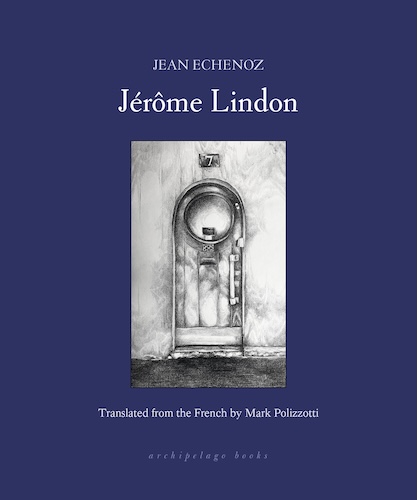
Jérôme Lindon
What makes a great editor—and what happens when the person who believes in your work is no longer there? In this intimate, witty memoir, French novelist Jean Echenoz remembers Jérôme Lindon, the formidable publisher who led Éditions de Minuit and helped shape modern French literature. Their relationship began in 1979, when Echenoz, an unpublished writer, nervously submitted his first novel to Lindon. Instead of rejecting the manuscript, Lindon offered him a contract, beginning a friendship and professional partnership that would last more than twenty years. Through recollections of early-morning phone calls, lunches, disagreements, and conversations about the smallest details of writing, Echenoz reveals a man whose stern exterior concealed generosity, conviction, and an unwavering commitment to literature. Both a personal farewell and a portrait of literary life, this slender book celebrates the often complicated bond between a writer and the editor who helps bring his work into the world.
France
2026
3
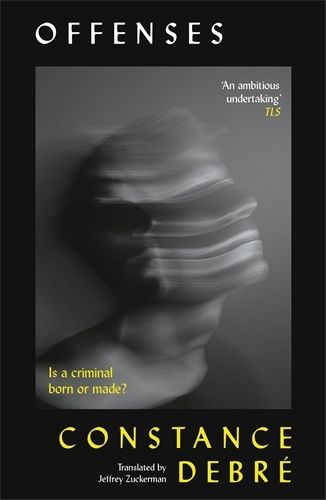
Offenses
Based on a real murder case, Offenses examines the relationship between crime, poverty, and justice in contemporary France. In a housing estate outside Paris, a nineteen-year-old man stabs his elderly neighbour ten times to settle a €450 drug debt. The crime appears senseless in its brutality, but Constance Debré looks beyond the immediate act to examine the social conditions surrounding both the perpetrator and his victim.
Drawing on her experience as a criminal defence lawyer, Debré explores the boundaries between individual responsibility and collective failure. The young man’s circumstances, the victim’s vulnerability, and the environment in which they live become part of a wider portrait of a society divided by class and opportunity. Written in Debré’s characteristic spare, unsentimental prose, the novella questions whether justice can truly be separated from the inequalities that shape people’s lives. Rather than offering easy explanations or moral resolutions, it confronts readers with uncomfortable questions about guilt, punishment, and the possibility of escaping the circumstances into which one is born.
France
2026
4
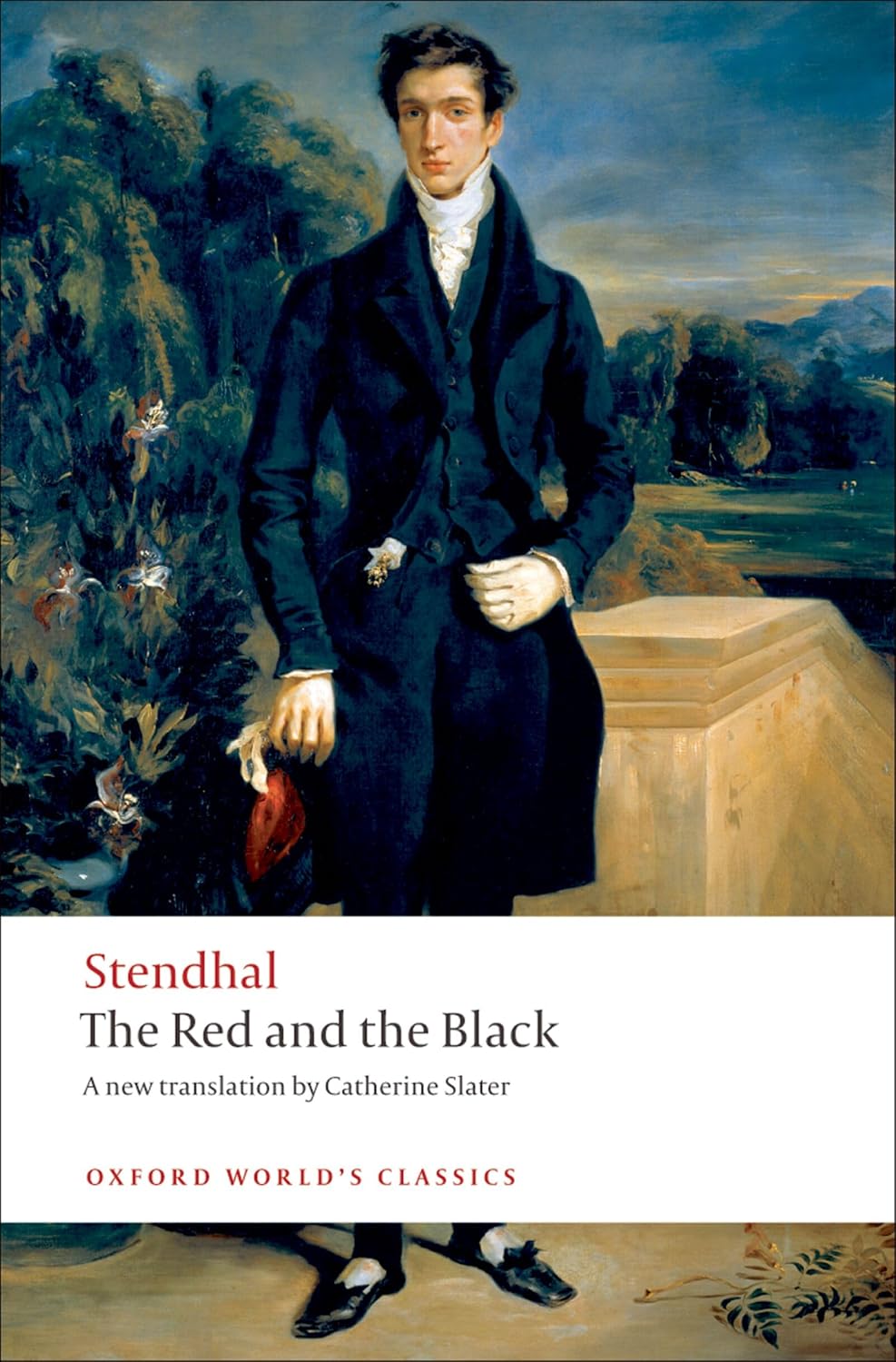
The Red and the Black
The Red and the Black follows Julien Sorel, an ambitious young man from a poor provincial family who dreams of rising through French society. Intelligent and determined, Julien sees the Church and the military as possible routes to power, studying religious doctrine while secretly admiring the military glory associated with Napoleon. His relationships with Madame de Rênal, the wife of his employer, and Mathilde de La Mole, the daughter of an aristocrat, become entangled with his social ambitions. As Julien moves between different social environments, he struggles to reconcile genuine feelings with his desire for status and recognition. Stendhal uses his story to examine class divisions, hypocrisy, and the limitations imposed by nineteenth-century French society. The novel portrays a talented individual attempting to overcome the circumstances of his birth, revealing how ambition can both challenge and reproduce the inequalities of the world he hopes to conquer.
France
2009
5

The Stranger
The Stranger follows Meursault, an emotionally detached French Algerian who lives in Algiers and seems indifferent to the social conventions that govern those around him. After attending his mother’s funeral without displaying the expected signs of grief, he returns to his ordinary routine, beginning a relationship with Marie and becoming involved in the affairs of his neighbour, Raymond. During a seemingly unremarkable day at the beach, a confrontation leads Meursault to commit a sudden act of violence that changes the course of his life.
As he faces trial, the focus gradually shifts from the crime itself to his unconventional behaviour and apparent refusal to conform to society’s expectations. Through Meursault’s experience, Camus explores alienation, morality, justice, and the absurdity of human existence. Set in colonial Algeria, the novel also reflects the inequalities and tensions of the period. Written in a spare, detached style, The Stranger questions whether society judges people for their actions or for their failure to express the emotions and beliefs it considers acceptable.
France
1989
6
The Fall
In a dim Amsterdam bar, Jean-Baptiste Clamence, a former Parisian lawyer, begins an extraordinary confession to a stranger. Once admired for his charm, generosity, and defence of the innocent, he enjoyed a life built on the conviction that he was a good man. But one night, while crossing a Parisian bridge, he hears a woman fall into the river—and does nothing to save her. The memory follows him, gradually dismantling his carefully constructed image of himself.
Now living in Amsterdam, Clamence calls himself a judge-penitent: a man who confesses his own sins while exposing the hypocrisy of others. Through his unsettling monologue, Camus examines guilt, moral responsibility, vanity, and humanity’s need to feel innocent. As Clamence reveals more about himself, readers are drawn into an uncomfortable question: are we truly capable of judging others without confronting our own failures?
Darkly ironic and psychologically penetrating, The Fall is a philosophical exploration of the distance between who we believe ourselves to be and who we really are. Camus transforms one man’s confession into a searching indictment of modern society, challenging readers to examine their own motives, silences, and moral compromises.
France
1956
7
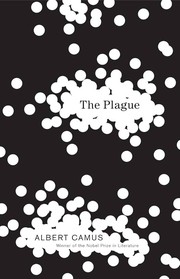
The Plague
The Plague takes place in the Algerian city of Oran, where an outbreak of bubonic plague gradually isolates the population from the outside world. Dr Bernard Rieux and other residents struggle to respond to the epidemic as deaths increase and everyday life becomes dominated by fear, separation, and uncertainty. As the city is placed under quarantine, its inhabitants react in different ways: some retreat into denial, others seek personal comfort, and many discover unexpected courage through acts of solidarity. Camus uses the epidemic to examine the human response to suffering and the moral responsibilities people have towards one another. Written in the aftermath of the Second World War, the novel is also widely read as an allegory of fascism and resistance. It explores collective responsibility, resilience, and the importance of fighting injustice even when victory remains uncertain.
France
1947
8
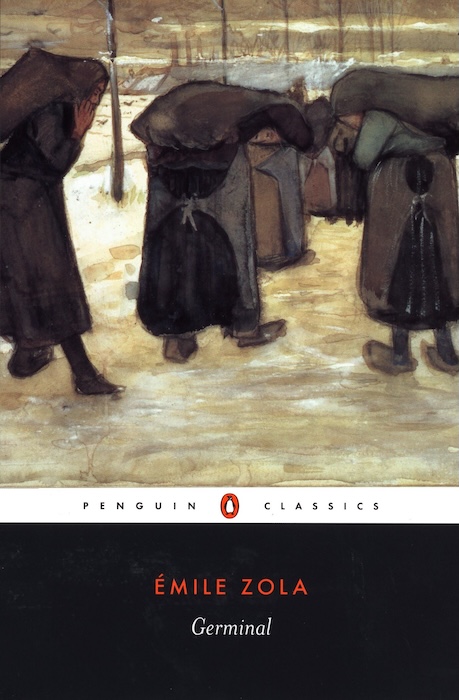
Germinal
Germinal follows Étienne Lantier, an unemployed railway worker who finds work in a coal mine in northern France. There he witnesses the brutal conditions endured by miners, whose dangerous labour and inadequate wages leave their families trapped in poverty. As tensions between workers and mine owners intensify, Étienne becomes involved in efforts to organise a strike demanding better pay and working conditions. Initially united by hope and solidarity, the miners face hunger, repression, and growing divisions as the conflict continues. Zola portrays the physical dangers of industrial labour alongside the social structures that perpetuate inequality. Through vivid descriptions of the mining community, he examines class struggle, exploitation, and collective resistance. The novel’s title evokes the beginning of new growth, suggesting that although the strike suffers a devastating defeat, the desire for social transformation may continue to develop beneath the surface.
France
1885
9
Madame Bovary
Madame Bovary follows Emma Bovary, a young woman who marries Charles, a provincial doctor, hoping for a life filled with romance, luxury, and excitement. Influenced by romantic novels and idealised visions of love, she soon becomes disappointed by the routine of married life and the limitations of her social environment. Seeking escape, Emma pursues passionate relationships and extravagant purchases, gradually accumulating debts that threaten to destroy her carefully constructed image of happiness. Her attempts to transform her life into something extraordinary instead lead her into increasingly desperate circumstances. Through Emma’s story, Flaubert critiques the social conventions and material ambitions of nineteenth-century provincial France. The novel explores desire, disillusionment, and the gap between fantasy and reality, portraying a woman whose longing for a more fulfilling existence collides with the restrictive expectations of her time.
France
1857
10
Notre-Dame of Paris
Often known in English as The Hunchback of Notre Dame this is the famous story of Quasimodo and the beautiful Gypsy girl he loves and eventually rescues after she has been wrongly sentenced to hang for murder. Alas it all ends badly. A timeless tale of love, devotion, jealousy and deception.
France
1831
About this theme
- Books
- 10
- Countries
- 54
Countries with this theme
Austria
Europe
Bangladesh
Asia
Belarus
Europe
Benin
Africa
Bhutan
Asia
Bosnia and Herzegovina
Europe
Brazil
South America
Bulgaria
Europe
Burundi
Africa
Cabo Verde
Africa
Cameroon
Africa
Chile
South America
China
Asia
Congo, Democratic Republic
Africa
Costa Rica
North America
Côte d’Ivoire (Ivory Coast)
Africa
Czech Republic
Europe
Denmark
Europe
Dominican Republic
North America
Egypt
Africa
Fiji
Oceania
France
Europe
Georgia
Asia
Germany
Europe
Ghana
Africa
Greece
Europe
India
Asia
Iraq
Asia
Ireland
Europe
Italy
Europe
Jamaica
North America
Japan
Asia
Jordan
Asia
Kuwait
Asia
Lithuania
Europe
Mexico
North America
Morocco
Africa
Nigeria
Africa
Pakistan
Asia
Palestine
Asia
Russia
Europe
Saudi Arabia
Asia
Senegal
Africa
South Africa
Africa
South Korea
Asia
Spain
Europe
Sudan
Africa
Sweden
Europe
Türkiye
Asia
Ukraine
Europe
United Kingdom
Europe
United States
North America
Uzbekistan
Asia
Zambia
Africa