Society & Class
Examinations of class, power, and the structures we live within.
All countries
Austria
Bangladesh
Belarus
Benin
Bhutan
Bosnia and Herzegovina
Brazil
Bulgaria
Burundi
Cabo Verde
Cameroon
Chile
China
Congo, Democratic Republic
Costa Rica
Côte d’Ivoire (Ivory Coast)
Czech Republic
Denmark
Dominican Republic
Egypt
Fiji
France
Georgia
Germany
Ghana
Greece
India
Iraq
Ireland
Italy
Jamaica
Japan
Jordan
Kuwait
Lithuania
Mexico
Morocco
Nigeria
Pakistan
Palestine
Russia
Saudi Arabia
Senegal
South Africa
South Korea
Spain
Sudan
Sweden
Türkiye
Ukraine
United Kingdom
United States
Uzbekistan
Zambia
1
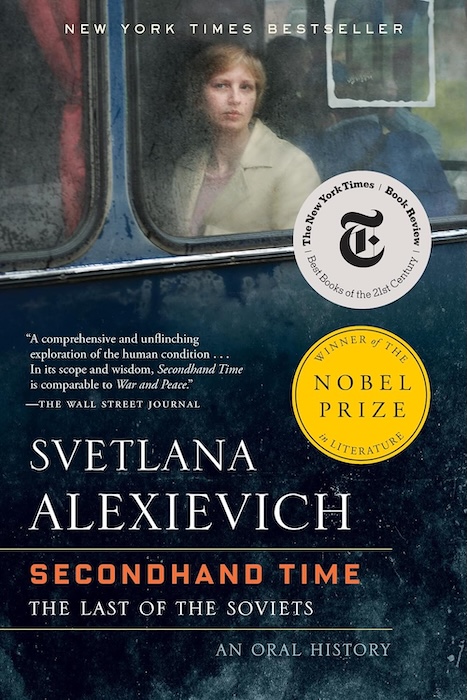
Secondhand Time
Secondhand Time is a documentary work by Nobel Prize-winning Belarusian writer Svetlana Alexievich that captures the emotional and psychological aftermath of the collapse of the Soviet Union. Through hundreds of interviews with ordinary people across the former Soviet republics, Alexievich assembles a collective portrait of a society struggling to understand the end of an entire political and cultural world. Her subjects include former Soviet idealists, disillusioned workers, survivors of political repression, and younger generations searching for meaning in a transformed society. Their testimonies reveal conflicting memories of communism, nostalgia for a lost sense of belonging, and the difficulties of adapting to new economic and social realities. Moving between intimate personal experiences and major historical events, the book explores how ideology shapes identity and how political change reverberates through private lives. Rather than presenting a single interpretation of the Soviet collapse, Alexievich allows contradictory voices to coexist, revealing the complexity of collective memory and the enduring human desire for dignity, security, and meaning.
Belarus
2013
2
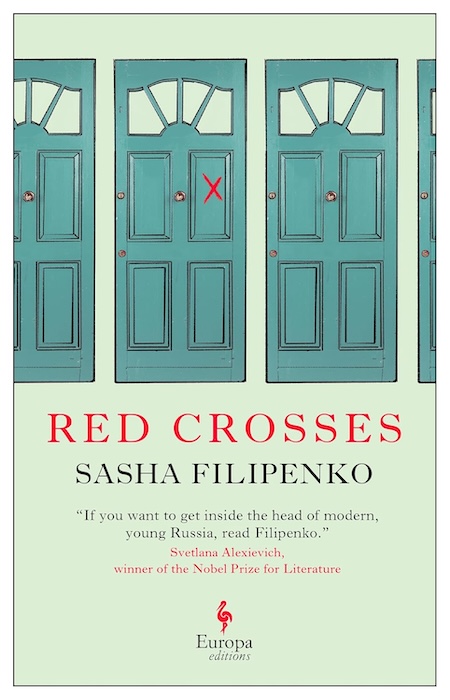
Red Crosses
Red Crosses tells the story of two people whose lives are shaped by tragedy, memory, and the lasting consequences of political repression. Alexander, a young man devastated by personal loss, moves to Minsk hoping to withdraw from the world. His plans change when he meets his elderly neighbour, Tatiana Alexeyevna, a woman in her nineties whose memory is gradually disappearing because of Alzheimer’s disease. To help herself navigate their apartment building, she marks doors with red crosses.
Despite her fading memory, Tatiana vividly recalls the horrors of twentieth-century Soviet history. She tells Alexander about her work during the Second World War, her husband’s capture by enemy forces, and her subsequent arrest and imprisonment in a labour camp under Stalin’s regime. As her story unfolds, Alexander becomes increasingly invested in preserving her memories before they disappear.
Through their unlikely friendship, Filipenko explores the relationship between personal grief and collective history. The novel examines political persecution, historical amnesia, and the importance of bearing witness to the past, suggesting that remembering those who suffered is an essential act of resistance.
Belarus
2021
About this theme
- Books
- 2
- Countries
- 54
Countries with this theme
Austria
Europe
Bangladesh
Asia
Belarus
Europe
Benin
Africa
Bhutan
Asia
Bosnia and Herzegovina
Europe
Brazil
South America
Bulgaria
Europe
Burundi
Africa
Cabo Verde
Africa
Cameroon
Africa
Chile
South America
China
Asia
Congo, Democratic Republic
Africa
Costa Rica
North America
Côte d’Ivoire (Ivory Coast)
Africa
Czech Republic
Europe
Denmark
Europe
Dominican Republic
North America
Egypt
Africa
Fiji
Oceania
France
Europe
Georgia
Asia
Germany
Europe
Ghana
Africa
Greece
Europe
India
Asia
Iraq
Asia
Ireland
Europe
Italy
Europe
Jamaica
North America
Japan
Asia
Jordan
Asia
Kuwait
Asia
Lithuania
Europe
Mexico
North America
Morocco
Africa
Nigeria
Africa
Pakistan
Asia
Palestine
Asia
Russia
Europe
Saudi Arabia
Asia
Senegal
Africa
South Africa
Africa
South Korea
Asia
Spain
Europe
Sudan
Africa
Sweden
Europe
Türkiye
Asia
Ukraine
Europe
United Kingdom
Europe
United States
North America
Uzbekistan
Asia
Zambia
Africa