Identity & Belonging
Explorations of self, belonging, and what it means to find your place.
All countries
Afghanistan
Albania
Algeria
Argentina
Azerbaijan
Barbados
Belgium
Bosnia and Herzegovina
Botswana
Brazil
Brunei
Bulgaria
Canada
Chile
China
Congo, Democratic Republic
Croatia
Cuba
Cyprus
Czech Republic
Denmark
Djibouti
Dominica
Dominican Republic
Ecuador
Egypt
France
Germany
Ghana
Greece
Guatemala
Iceland
India
Indonesia
Iran
Ireland
Italy
Jamaica
Japan
Kazakhstan
Kenya
Kuwait
Kyrgyzstan
Lebanon
Libya
Luxembourg
Mexico
Morocco
Netherlands
New Zealand
Nigeria
North Macedonia
Norway
Pakistan
Palestine
Panama
Russia
Rwanda
Singapore
Slovenia
Somalia
South Korea
Sudan
Sweden
Taiwan
Tanzania
Türkiye
Ukraine
United Kingdom
United States
Uzbekistan
Zimbabwe
1
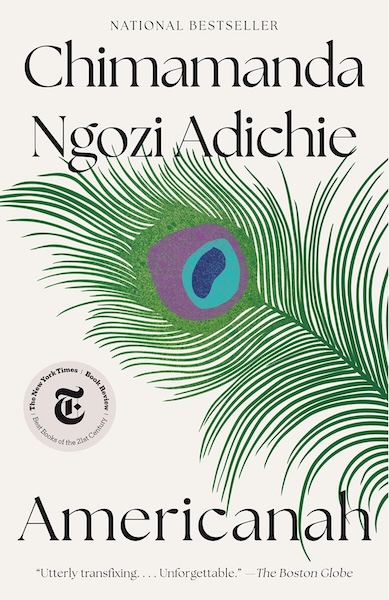
Americanah
Americanah follows Ifemelu and Obinze, two young Nigerians whose love story unfolds across continents as they navigate migration, race, and the search for belonging. As a university student, Ifemelu moves to the United States, where she confronts the realities of being Black in a society that forces her to reconsider her identity. Through her experiences with relationships, work, and cultural differences, she develops a popular blog examining race and everyday life in America. Meanwhile, Obinze hopes to build a future in Britain but encounters a very different set of obstacles as an undocumented immigrant.
Years later, Ifemelu returns to Nigeria, bringing with her a transformed understanding of home and the person she has become. As the two reconnect, they must confront the ways their experiences have changed them and consider whether their relationship can survive the passage of time. Blending romance with sharp social commentary, Chimamanda Ngozi Adichie explores race, immigration, class, cultural identity, and the complex meaning of home in an interconnected world.
Nigeria
2013
2
Book of My Lives
The Book of My Lives is a collection of autobiographical essays in which Aleksandar Hemon reflects on his childhood in Sarajevo, his experiences as an immigrant in the United States, and the events that transformed his understanding of home and belonging. Moving between memories of growing up in socialist Yugoslavia and his later life in Chicago, Hemon explores how personal identity is shaped by language, geography, family, and historical circumstances.
The collection takes a deeply personal turn when the Bosnian War begins while Hemon is visiting the United States, leaving him unable to return to Sarajevo as planned. Through sharp observations, dark humour, and emotional honesty, he examines the experience of exile and the complicated relationship between an adopted home and a homeland altered by violence. He also reflects on family life, fatherhood, football, and the unexpected details that give meaning to ordinary existence. Blending intimate memoir with broader historical reflection, the book explores how people rebuild their lives when the places they belong to become distant or irretrievably changed.
Bosnia and Herzegovina
2013
3
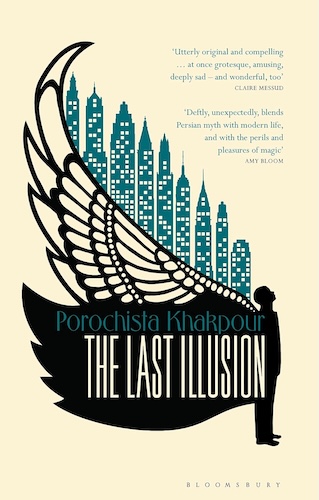
The Last Illusion
Born in a remote Iranian village, Zal spends the first ten years of his life imprisoned in a birdcage, his mother convinced that his unusually pale appearance marks him as a demon. Rescued and brought to New York, he must learn how to live among humans while struggling to understand who he is. Inspired by an ancient Persian myth, this imaginative novel weaves Iranian folklore into contemporary American life, exploring the boundaries between belonging and alienation, myth and reality, and the difficult journey toward selfhood.
Iran
2014
4
The Book of Disappearance
The Book of Disappearance imagines a startling alternative reality: one morning, all Palestinians living within Israel suddenly vanish without explanation. The disappearance transforms the country, leaving behind empty homes, abandoned workplaces, and a society forced to confront the absence of a population whose presence has shaped its history and everyday life. At the centre of the novel is Alaa, a Palestinian journalist living in Tel Aviv, whose Israeli friend Ariel discovers Alaa’s abandoned diary and begins reading it. Through their intertwined perspectives, the novel explores memory, displacement, belonging, and the political tensions surrounding Palestinian identity. As Ariel searches for meaning in the disappearance, Alaa’s diary reveals the intimate experiences and historical wounds that official narratives often overlook. Blending speculative fiction with social and political commentary, Ibtisam Azem challenges readers to imagine how history, identity, and power might look if those who have been marginalised were suddenly impossible to ignore.
Palestine
2014
5
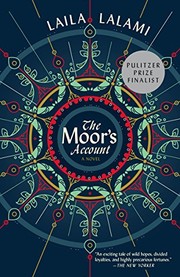
The Moor's Account
The Moor’s Account is a historical novel that reimagines the story of Mustafa al-Zamori, a Moroccan man enslaved by Spanish conquistadors who became one of the first Africans to explore the Americas. In 1527, Mustafa joins an expedition led by Pánfilo de Narváez, which sets out to claim territory in what is now Florida for the Spanish Crown. When the expedition collapses under the pressures of disease, starvation, and conflict with Indigenous communities, Mustafa becomes one of only four survivors.
As he travels across unfamiliar lands, his role gradually changes from enslaved servant to healer, interpreter, and storyteller. Through his imagined memoir, Lalami challenges the traditional historical narratives that privilege European voices while overlooking the experiences of those who were enslaved or marginalized. The novel explores identity, cultural encounters, survival, and the power of storytelling to reclaim histories that might otherwise be forgotten.
Morocco
2014
6
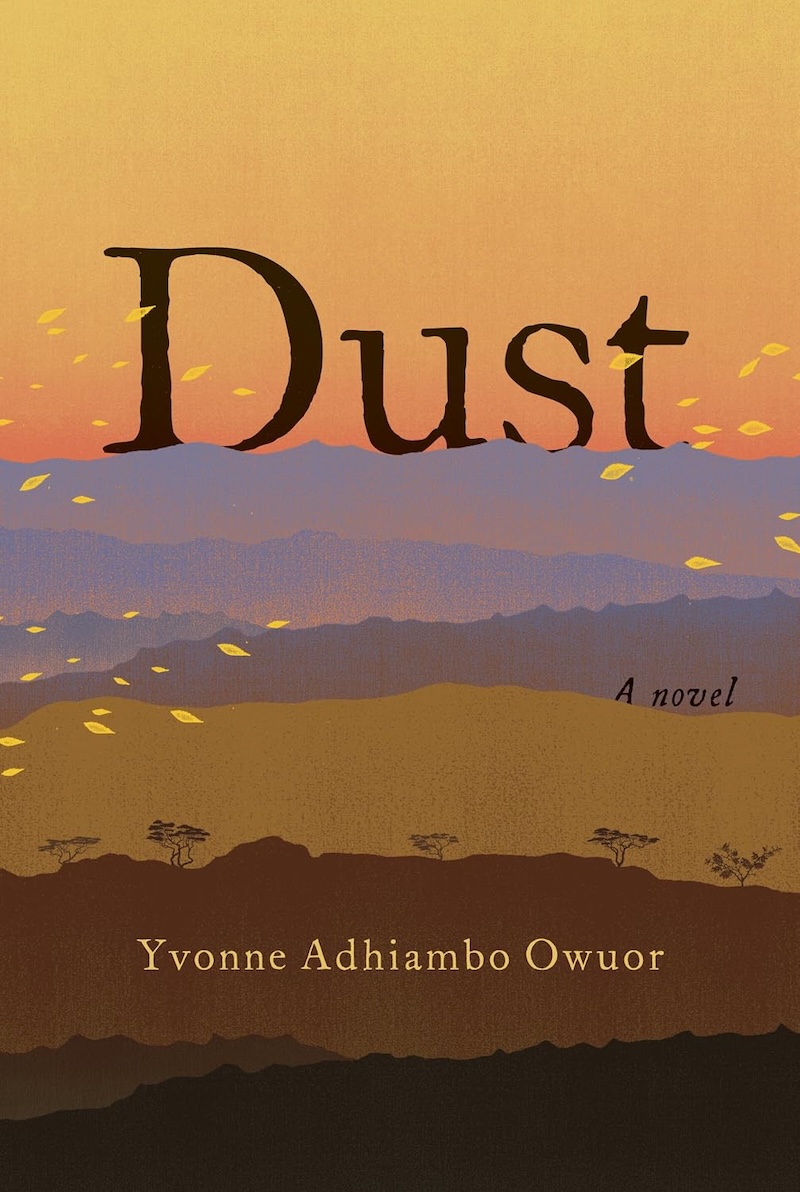
Dust
Set in Kenya against the backdrop of political violence and the country’s turbulent postcolonial history, Dust follows Ajany, an artist who returns home after her brother Odidi is killed in Nairobi. Seeking answers about his death, she travels to the remote family homestead in northern Kenya, where long-buried secrets and painful memories begin to surface. Through the intertwined histories of Ajany, her family, and those connected to Odidi, the novel explores the lasting consequences of colonialism, political repression, and collective trauma. Moving between different periods and perspectives, Yvonne Adhiambo Owuor examines how personal grief becomes entangled with national history, revealing the silences and unresolved wounds that shape individual and collective identities. Rich in imagery and lyrical prose, Dust is a meditation on memory, belonging, and the difficult process of confronting a past that continues to haunt the present.
Kenya
2014
7
Adèle
Adèle follows Adèle Robinson, a married woman living in Paris with her husband and young son. Despite her comfortable middle-class life and successful career as a journalist, she is consumed by compulsive sexual behavior that threatens to destroy her family and sense of self. As she becomes increasingly unable to control her impulses, her carefully maintained public image begins to unravel, exposing the emptiness and dissatisfaction beneath her seemingly ordinary existence. Through Adèle’s struggles, Leïla Slimani examines desire, addiction, repression, and the pressures of conventional domestic life. Written in a stark, unsentimental style, the novel explores the tension between social respectability and private compulsions, questioning how well people can truly understand themselves and the hidden forces that shape their behavior.
France
2014
8
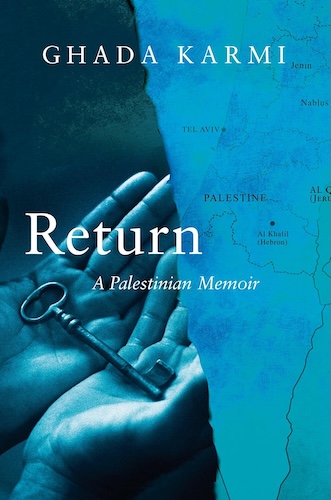
Return: A Palestinian Memoir
What happens when you finally return to the homeland you were forced to leave as a child—and discover that it no longer feels like home? More than fifty years after her family fled Jerusalem during the 1948 Nakba, Palestinian-British doctor and writer Ghada Karmi returns to Palestine, hoping to contribute to the struggle for peace and Palestinian statehood. Working with the Palestinian Authority in Ramallah, she encounters the realities of occupation, military restrictions, political bureaucracy, and a homeland transformed beyond recognition. As she revisits places connected to her childhood and confronts the loss of her family home, Karmi wrestles with a deeply personal question: can exile ever truly end? An intimate memoir of displacement and belonging, Return explores the painful distance between the homeland preserved in memory and the reality of returning to it.
Palestine
2015
9
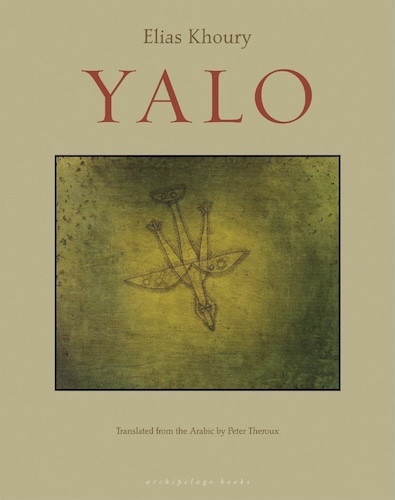
Yalo
Set in Beirut in the aftermath of Lebanon’s long civil war, Yalo follows Daniel Habil Abyad, a young Lebanese man of Assyrian Christian background whose life has been shaped by violence, displacement, and fractured family relationships. Known as Yalo, he is arrested and accused of rape and armed robbery, then subjected to brutal interrogation and torture. His interrogators demand a confession, forcing him to write and rewrite the story of his life until his memories become entangled with their expectations. As he revisits his childhood, his troubled relationship with his mother, and his obsessive pursuit of a woman named Shireen, the boundaries between truth, guilt, and imposed identity begin to dissolve. Through this disturbing psychological journey, Elias Khoury examines how violence distorts memory and how authoritarian power can manufacture a person’s identity. Both unsettling and deeply humane, Yalo asks whether we can ever truly understand ourselves when our stories are shaped by fear, desire, and the need to survive.
Lebanon
2015
10
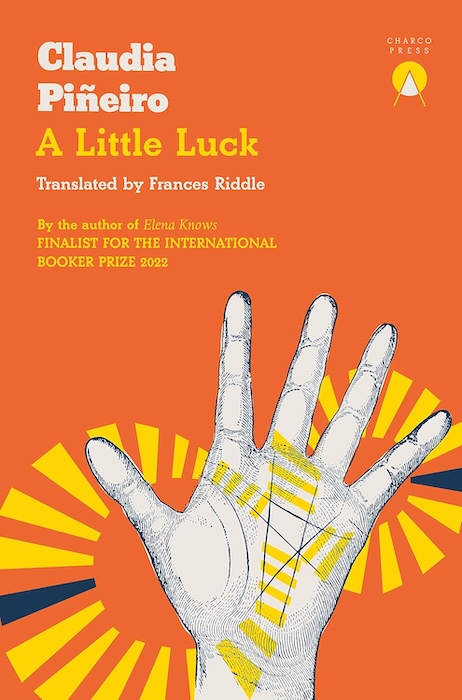
A Little Luck
A Little Luck follows Mary Lohan, a woman who returns to the Buenos Aires suburb she left twenty years earlier after a traumatic accident transformed her life. She has built a new identity far from the place where the tragedy occurred, changing not only her name but also her appearance and the way she relates to the world. Returning home forces her to confront memories she has tried to suppress and people whose lives remain connected to her past. As old secrets begin to surface, Mary must reconsider the choices that shaped her life and the guilt she has carried for decades. Piñeiro explores the fragile boundary between reinvention and denial, asking whether it is possible to escape the past or whether genuine freedom requires facing the truth about oneself.
Argentina
2015
11
In Other Words
In Other Words is a memoir about Jhumpa Lahiri’s decision to learn Italian and her determination to express herself through a language that is not her own. Although she grew up speaking English and Bengali, Lahiri develops a deep fascination with Italian and eventually moves to Rome with her family to immerse herself in the language. Written originally in Italian and published with an English translation, the book reflects on the vulnerability, frustration, and freedom involved in learning to communicate in unfamiliar words. Through personal anecdotes, literary reflections, and metaphors, Lahiri compares language learning to migration, describing the experience of becoming an outsider in a place where she longs to belong. The memoir explores creativity, cultural identity, and the relationship between language and selfhood, revealing how adopting a new language can create space for reinvention and a different understanding of oneself.
India
2015
12
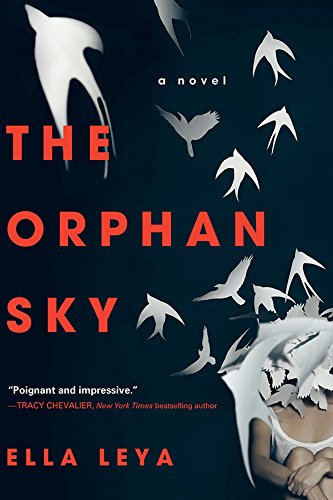
The Orphan Sky
The Orphan Sky follows Leila, a young Azerbaijani woman whose life is shaped by the tensions between personal ambition, family expectations, and the political realities of her country. Growing up in a society where tradition and modernity frequently collide, Leila dreams of a future that allows her to make her own choices. Her experiences reveal the pressures faced by women navigating restrictive social expectations while trying to establish an independent identity. As she confronts difficult relationships and the consequences of decisions made by those around her, Leila must reconsider what freedom and belonging mean to her. Through an intimate portrait of contemporary Azerbaijani life, Leya explores the complexities of cultural identity, the influence of family history, and the struggle to determine one’s own future in a society undergoing profound change.
Azerbaijan
2015
About this theme
- Books
- 196
- Countries
- 72
Countries with this theme
Afghanistan
Asia
Albania
Europe
Algeria
Africa
Argentina
South America
Azerbaijan
Asia
Barbados
North America
Belgium
Europe
Bosnia and Herzegovina
Europe
Botswana
Africa
Brazil
South America
Brunei
Asia
Bulgaria
Europe
Canada
North America
Chile
South America
China
Asia
Congo, Democratic Republic
Africa
Croatia
Europe
Cuba
North America
Cyprus
Asia
Czech Republic
Europe
Denmark
Europe
Djibouti
Africa
Dominica
North America
Dominican Republic
North America
Ecuador
South America
Egypt
Africa
France
Europe
Germany
Europe
Ghana
Africa
Greece
Europe
Guatemala
North America
Iceland
Europe
India
Asia
Indonesia
Asia
Iran
Asia
Ireland
Europe
Italy
Europe
Jamaica
North America
Japan
Asia
Kazakhstan
Asia
Kenya
Africa
Kuwait
Asia
Kyrgyzstan
Asia
Lebanon
Asia
Libya
Africa
Luxembourg
Europe
Mexico
North America
Morocco
Africa
Netherlands
Europe
New Zealand
Oceania
Nigeria
Africa
North Macedonia
Europe
Norway
Europe
Pakistan
Asia
Palestine
Asia
Panama
North America
Russia
Europe
Rwanda
Africa
Singapore
Asia
Slovenia
Europe
Somalia
Africa
South Korea
Asia
Sudan
Africa
Sweden
Europe
Taiwan
Asia
Tanzania
Africa
Türkiye
Asia
Ukraine
Europe
United Kingdom
Europe
United States
North America
Uzbekistan
Asia
Zimbabwe
Africa