Identity & Belonging
Explorations of self, belonging, and what it means to find your place.
All countries
Afghanistan
Albania
Algeria
Argentina
Azerbaijan
Barbados
Belgium
Bosnia and Herzegovina
Botswana
Brazil
Brunei
Bulgaria
Canada
Chile
China
Congo, Democratic Republic
Croatia
Cuba
Cyprus
Czech Republic
Denmark
Djibouti
Dominica
Dominican Republic
Ecuador
Egypt
France
Germany
Ghana
Greece
Guatemala
Iceland
India
Indonesia
Iran
Ireland
Italy
Jamaica
Japan
Kazakhstan
Kenya
Kuwait
Kyrgyzstan
Lebanon
Libya
Luxembourg
Mexico
Morocco
Netherlands
New Zealand
Nigeria
North Macedonia
Norway
Pakistan
Palestine
Panama
Russia
Rwanda
Singapore
Slovenia
Somalia
South Korea
Sudan
Sweden
Taiwan
Tanzania
Türkiye
Ukraine
United Kingdom
United States
Uzbekistan
Zimbabwe
1
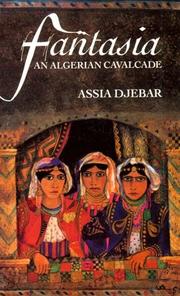
Fantasia, an Algerian cavalcade
Fantasia: An Algerian Cavalcade blends autobiography, historical research, and fiction to explore Algeria’s colonial past and the experiences of women caught between cultural traditions and political upheaval. Assia Djebar begins with memories of her childhood, growing up in a French-language school system while living within the traditions of an Algerian Muslim family. Her education gives her access to opportunities unavailable to many women of her generation, yet it also creates a distance between her and the language and experiences of her ancestors.
Interwoven with her personal story are accounts of the French invasion of Algeria in 1830, drawn from historical documents, military reports, and testimonies that reveal the violence of colonial conquest. Djebar also reconstructs the lives and voices of Algerian women whose experiences were often excluded from official histories. Moving between past and present, French and Arabic, personal memory and collective trauma, the novel examines language, gender, colonialism, and cultural identity. It becomes an attempt to recover silenced histories and understand what it means to write from within the complicated legacy of colonisation.
Algeria
1985
2
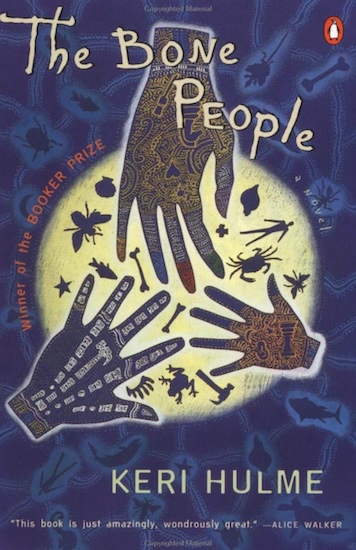
The Bone People
The Bone People is a powerful, unconventional novel set on the rugged coast of New Zealand, exploring the complicated relationships between three isolated individuals: Kerewin Holmes, a reclusive artist; Simon, a mysterious mute child; and Joe, his Māori foster father. When their lives become intertwined, they form an unconventional family shaped by loneliness, affection, violence, and the desire for connection. Through experimental storytelling and elements of Māori mythology, Keri Hulme examines the tensions between Māori and Pākehā identities, the legacy of colonialism, and the possibility of healing after trauma. The novel challenges traditional ideas of family and belonging, portraying human relationships as both deeply destructive and potentially transformative. It won the Booker Prize in 1985.
New Zealand
1986
3

Eva Luna
Eva Luna follows the life of Eva, an imaginative young woman who discovers early on that storytelling can become both a refuge and a means of survival. Orphaned as a child, she grows up among people from different social backgrounds in an unnamed Latin American country marked by political unrest and inequality. Through her relationships, adventures, and encounters with revolutionaries, artists, and ordinary people, Eva gradually shapes her own destiny. Her ability to invent stories becomes a source of power, allowing her to reinterpret painful experiences and challenge the limitations imposed on her. Blending magical realism, romance, and political history, Allende explores the relationship between imagination and freedom. Eva’s journey celebrates resilience, female independence, and the transformative power of storytelling.
Chile
1987
4
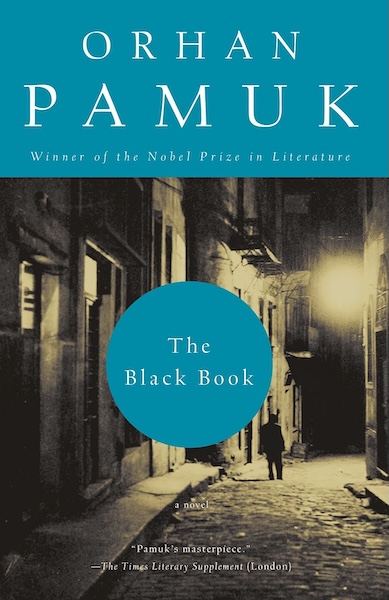
The Black Book
On a snowy day in Istanbul, lawyer Galip discovers that his wife, Rüya, has disappeared. Unable to understand why she has left, he begins searching the city’s crowded streets, old neighbourhoods, and hidden corners for clues. His investigation becomes even more mysterious when he discovers that Rüya’s half-brother, Celâl, a famous newspaper columnist, has vanished too.
As Galip follows the traces they have left behind, he becomes immersed in Celâl’s newspaper columns, which explore Istanbul’s history, its forgotten stories, and the secrets concealed beneath everyday life. The search gradually transforms into something more profound: a journey through the city’s collective memory and Galip’s own uncertain identity.
Blending mystery, philosophical reflection, and a vivid portrait of Istanbul, The Black Book explores the desire to become someone else and the difficulty of knowing who we really are. Pamuk transforms the city into a labyrinth of stories in which the search for a missing person becomes a search for the self.
Türkiye
1990
5
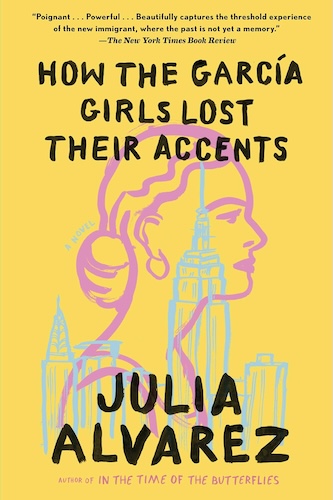
How the Garcia Girls Lost Their Accents
Four sisters. Two cultures. One homeland they can never quite leave behind.
When the García family flees the Dominican Republic for New York in 1960, sisters Carla, Sandra, Yolanda, and Sofía find themselves caught between the world they left and the one they are expected to embrace. As they straighten their hair, abandon Spanish, and navigate American adolescence, each struggles to reconcile family traditions with the freedom to become someone new. Told in reverse chronological order through interconnected stories, Julia Alvarez’s celebrated debut novel explores the intimate costs of immigration: the longing to belong, the awkwardness of growing up between cultures, and the parts of ourselves we lose—or discover—along the way. Witty, tender, and deeply personal, it captures the bittersweet experience of having more than one home and never feeling entirely at home in either.
Dominican Republic
1991
6
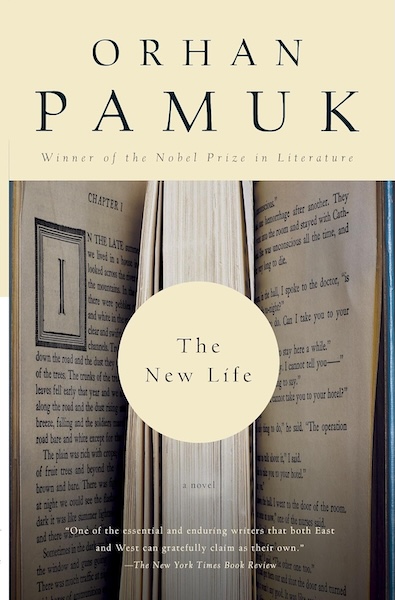
The New Life
“One day I read a book, and my whole life changed.”
With this extraordinary declaration, university student Osman begins a journey that will pull him away from everything familiar. After reading a mysterious book, he becomes convinced that its pages contain the promise of another existence—a hidden world waiting just beyond the boundaries of ordinary life. Captivated by its message, Osman abandons his studies and sets out to discover the transformation it promises.
He is joined in his search by Canan, a fellow student who has also been profoundly affected by the book. Their journey takes them across Turkey on endless bus rides through provincial towns and anonymous highways, where strange encounters and sudden accidents blur the line between reality and illusion. As Osman searches for the book’s secrets, his quest becomes increasingly entangled with love, obsession, and the possibility that his old identity is disappearing.
Part philosophical mystery and part surreal road novel, The New Life explores the power of literature to transform—and sometimes consume—the lives of its readers. Pamuk questions whether we can truly escape our former selves or whether the search for a new life is itself another form of illusion.
Türkiye
1994
7
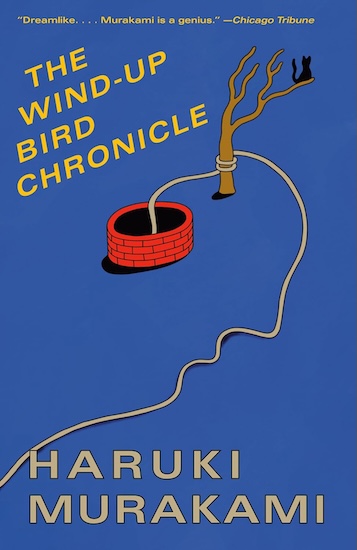
The Wind-up Bird Chronicle
The Wind-Up Bird Chronicle follows Toru Okada, an unemployed man whose ordinary life begins to unravel when his wife disappears and a series of increasingly strange events takes place in his Tokyo neighbourhood. His search leads him into encounters with enigmatic strangers, disturbing memories, and stories connected to Japan’s wartime history. As Toru investigates his wife’s disappearance, he finds himself drawn into a hidden world where dreams, violence, and psychological experience overlap. The novel gradually reveals the emotional distance within his marriage and the unresolved histories that shape the people around him. Murakami blends surrealism with historical reflection, examining alienation, power, and the difficulty of understanding one’s own life. Toru’s journey becomes an exploration of the hidden forces that influence human relationships and the fragile boundary between the familiar world and the unknown.
Japan
1994
8
The Museum of Unconditional Surrender
The Museum of Unconditional Surrender explores exile, memory, and the fragmented experience of living after the breakup of Yugoslavia. Its unnamed narrator, a writer living in Berlin, moves through a world of photographs, objects, recollections, and encounters that evoke a lost homeland. Ordinary details—a family photograph, a recipe, a personal possession—become fragments through which she attempts to reconstruct a life disrupted by political upheaval and displacement. Rather than following a conventional plot, the novel unfolds as a series of reflections that mirror the instability of memory itself. Ugrešić examines how exile transforms a person’s relationship with language, history, and belonging, particularly when the country that once provided a sense of identity no longer exists in the same form. The novel portrays the difficulty of preserving a coherent self when personal memories are inseparable from a fractured collective past.
Croatia
1996
9
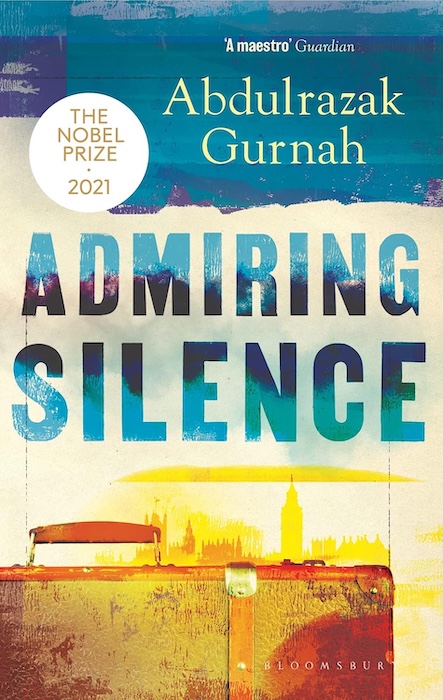
Admiring Silence
Admiring Silence tells the story of an unnamed man from Zanzibar who escapes to England in the 1960s and builds a new life as a teacher. He forms a relationship with an English woman and raises their daughter while concealing uncomfortable truths about his background and experiences. For years, he presents his family with a carefully constructed version of his past, using silence and storytelling to protect himself from painful memories. When he eventually returns to Zanzibar after two decades away, he discovers that the place he remembers has changed and that he no longer entirely belongs there. Through the narrator’s divided loyalties, Gurnah examines migration, cultural displacement, self-deception, and the tension between the identity people present to others and the lives they have actually lived.
Tanzania
1996
10
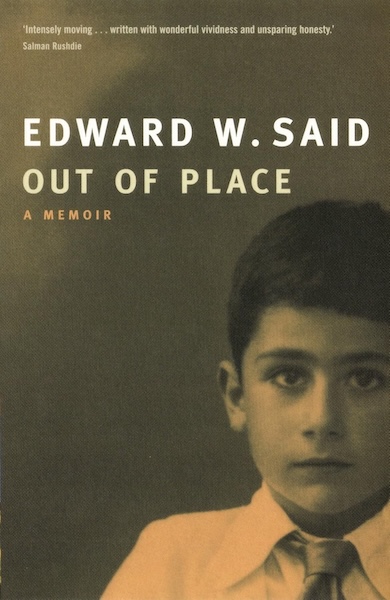
Out Of Place: A Memoir
What does it mean to belong when home is never quite one place?
In Out of Place, Edward W. Said recounts his childhood and early adulthood across Jerusalem, Cairo, and the United States. Born into a Palestinian family in 1935, he grew up moving between cultures, languages, and expectations, often feeling that he did not fully belong anywhere.
With candour and introspection, Said revisits his complicated relationships with his family, his education, and the competing identities that shaped him. His memories reveal the intimate experience behind his later work on exile, culture, and displacement, offering a personal perspective on the historical upheavals of the twentieth century.
More than a conventional autobiography, Out of Place is a meditation on memory and belonging—and on the enduring experience of living between worlds.
Egypt
Palestine
United States
1999
11
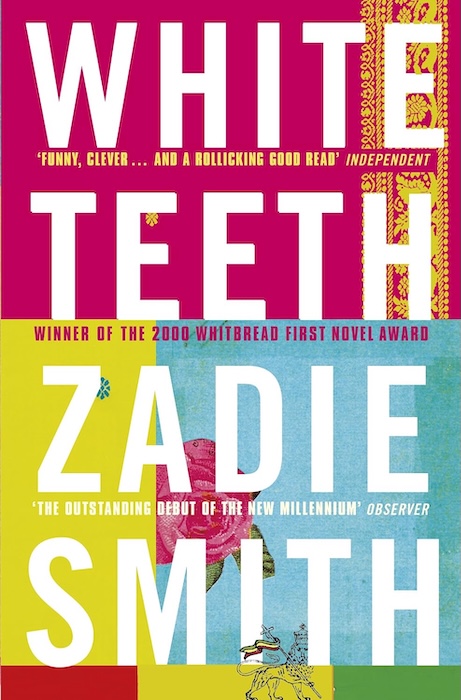
White Teeth
Set in multicultural London, White Teeth follows the intertwined lives of two families whose histories reflect the complexities of immigration, colonialism, and cultural belonging in modern Britain. Archie Jones, a disillusioned Englishman, and Samad Iqbal, a Bangladeshi Muslim immigrant, become unlikely friends during the Second World War. Decades later, their families remain connected as their children grow up navigating questions of heritage, religion, and identity in a rapidly changing society.
Samad struggles to preserve his cultural traditions while raising twin sons, Magid and Millat, whose opposing paths challenge his expectations. Meanwhile, Archie’s daughter, Irie, searches for a sense of belonging amid conflicting ideas about race, beauty, and family history. Their lives become entangled with the Chalfens, a liberal, intellectually confident British family whose influence exposes the contradictions within multicultural society.
Combining sharp humor, memorable characters, and intergenerational storytelling, Smith’s debut novel explores the tension between tradition and modernity, the lasting effects of colonial history, and the ways family legacies shape individual identity. White Teeth is a vibrant portrait of contemporary Britain and its many overlapping cultures.
United Kingdom
2000
12
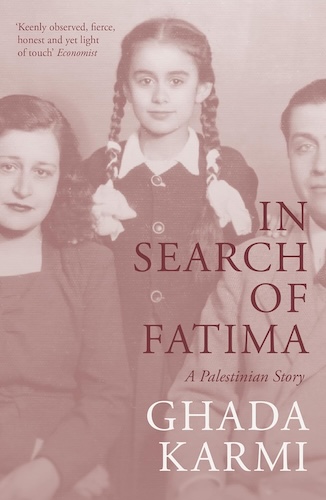
In Search of Fatima
What does it mean to lose your homeland—and spend the rest of your life searching for a place to belong? In this moving memoir, Ghada Karmi recounts her childhood in Jerusalem, her family’s forced displacement during the 1948 Nakba, and their eventual resettlement in England. Growing up between two worlds, she struggles with exile, cultural alienation, and the feeling of being a stranger in a country that is supposed to be home. As she reflects on her childhood and later returns to Palestine, Karmi explores the personal consequences of displacement alongside the political history that shaped her life. Both an intimate family story and a powerful account of Palestinian experience, this memoir examines how the loss of a homeland can shape identity across generations.
Palestine
2002
About this theme
- Books
- 196
- Countries
- 72
Countries with this theme
Afghanistan
Asia
Albania
Europe
Algeria
Africa
Argentina
South America
Azerbaijan
Asia
Barbados
North America
Belgium
Europe
Bosnia and Herzegovina
Europe
Botswana
Africa
Brazil
South America
Brunei
Asia
Bulgaria
Europe
Canada
North America
Chile
South America
China
Asia
Congo, Democratic Republic
Africa
Croatia
Europe
Cuba
North America
Cyprus
Asia
Czech Republic
Europe
Denmark
Europe
Djibouti
Africa
Dominica
North America
Dominican Republic
North America
Ecuador
South America
Egypt
Africa
France
Europe
Germany
Europe
Ghana
Africa
Greece
Europe
Guatemala
North America
Iceland
Europe
India
Asia
Indonesia
Asia
Iran
Asia
Ireland
Europe
Italy
Europe
Jamaica
North America
Japan
Asia
Kazakhstan
Asia
Kenya
Africa
Kuwait
Asia
Kyrgyzstan
Asia
Lebanon
Asia
Libya
Africa
Luxembourg
Europe
Mexico
North America
Morocco
Africa
Netherlands
Europe
New Zealand
Oceania
Nigeria
Africa
North Macedonia
Europe
Norway
Europe
Pakistan
Asia
Palestine
Asia
Panama
North America
Russia
Europe
Rwanda
Africa
Singapore
Asia
Slovenia
Europe
Somalia
Africa
South Korea
Asia
Sudan
Africa
Sweden
Europe
Taiwan
Asia
Tanzania
Africa
Türkiye
Asia
Ukraine
Europe
United Kingdom
Europe
United States
North America
Uzbekistan
Asia
Zimbabwe
Africa