Identity & Belonging
Explorations of self, belonging, and what it means to find your place.
All countries
Afghanistan
Albania
Algeria
Argentina
Azerbaijan
Barbados
Belgium
Bosnia and Herzegovina
Botswana
Brazil
Brunei
Bulgaria
Canada
Chile
China
Congo, Democratic Republic
Croatia
Cuba
Cyprus
Czech Republic
Denmark
Djibouti
Dominica
Dominican Republic
Ecuador
Egypt
France
Germany
Ghana
Greece
Guatemala
Iceland
India
Indonesia
Iran
Ireland
Italy
Jamaica
Japan
Kazakhstan
Kenya
Kuwait
Kyrgyzstan
Lebanon
Libya
Luxembourg
Mexico
Morocco
Netherlands
New Zealand
Nigeria
North Macedonia
Norway
Pakistan
Palestine
Panama
Russia
Rwanda
Singapore
Slovenia
Somalia
South Korea
Sudan
Sweden
Taiwan
Tanzania
Türkiye
Ukraine
United Kingdom
United States
Uzbekistan
Zimbabwe
1
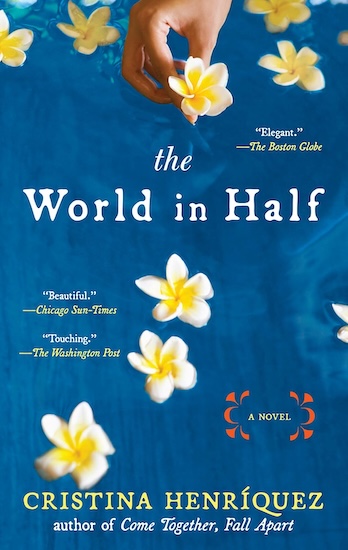
The world in half
The World in Half follows Miraflores, a young woman living in Chicago who discovers that the father she has never known may still be alive in Panama. Determined to uncover the truth about her family’s past, she travels to the country her mother left behind, hoping to understand her own identity and the circumstances surrounding her parents’ relationship. As she explores Panama, Miraflores encounters unfamiliar landscapes, complicated family histories, and unexpected connections that challenge her assumptions about where she belongs. Through her journey, Cristina Henríquez examines the immigrant experience, cultural belonging, and the ways family secrets shape personal identity. The novel explores the emotional distance between generations and the search for a place to call home.
Panama
2010
2
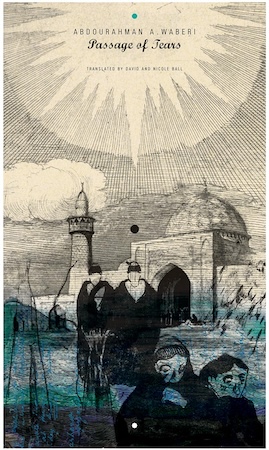
Passage of Tears
Set in Djibouti in the years following the September 11 attacks, Passage of Tears follows Djibril, a Djiboutian man who has spent years in voluntary exile in Montreal. When he returns to his homeland on assignment for an American economic intelligence company, he finds a country transformed into a strategic battleground where foreign powers, economic interests, and competing political and religious ideologies collide.
As Djibril investigates the country’s security and political situation, his return awakens painful memories of childhood, family, and his estranged twin brother, Djamal, a religious extremist imprisoned on an island near the coast. Meanwhile, mysterious letters from a prisoner introduce another narrative, one that unexpectedly turns towards the life and ideas of German philosopher Walter Benjamin.
Blending political thriller, philosophical reflection, family drama, and social satire, Waberi examines the consequences of globalisation, religious extremism, and foreign intervention in the Horn of Africa. The strategically important Bab-el-Mandeb Strait—the maritime passage connecting the Red Sea with the Gulf of Aden—becomes a powerful symbol of the tensions between local histories and global ambitions. Ultimately, the novel explores exile, fractured identities, and the difficult relationship between a person and the homeland they have left behind.
Djibouti
2009
3
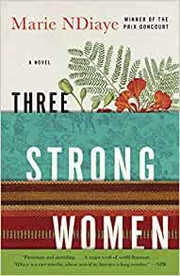
Three Strong Women
The story of three women who say no: Norah, a French-born lawyer who finds herself in Senegal, summoned by her estranged father to save another victim of his paternity; Fanta, who leaves a contented life as a teacher in Dakar to follow her boyfriend back to France, where his depression and dislocation poison everything; and Khady, a penniless widow put out by her husband's family with nothing but the name of a distant cousin in France. As these three lives intertwine, each woman manages an astonishing feat of self-preservation against those who have made themselves the fastest-growing and most-reviled people in Europe. In Marie NDiaye's stunning narration we see the progress by which ordinary women discover unimagined reserves of strength.
France
2009
4

Ulysses
Ulysses follows a single day in the lives of Leopold Bloom, an advertising canvasser, and Stephen Dedalus, a young writer, as they move through Dublin on 16 June 1904. Their ordinary activities—walking through the city, eating, working, attending a funeral, and visiting a maternity hospital—become the basis for an extraordinary exploration of consciousness and urban life. Bloom’s wanderings are interwoven with Stephen’s intellectual struggles and the experiences of Molly Bloom, whose final extended monologue offers an intimate portrait of memory, desire, and marriage. Joyce draws parallels between the characters’ experiences and episodes from Homer’s Odyssey, transforming an ancient epic into a modern story about everyday existence. Through experimental language, shifting narrative styles, and detailed observations, the novel explores identity, belonging, sexuality, and the complexity of human thought.
Ireland
2008
5
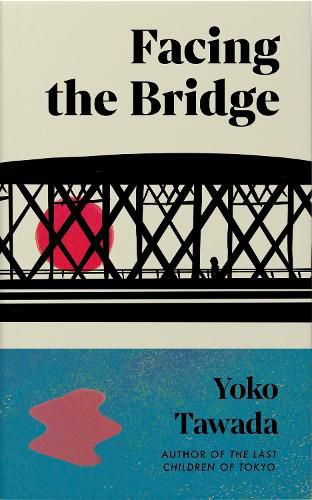
Facing the Bridge
In Facing the Bridge, Yoko Tawada brings together three surreal, interconnected tales that challenge conventional ideas of identity, language, and belonging. Moving between Japan, Germany, Vietnam, and the Canary Islands, these stories follow characters whose lives are shaped by cultural displacement, unexpected encounters, and the strange instability of the world around them.
In one tale, Amo, an African boy kidnapped and brought to Europe, and Tamao, a Japanese exchange student in Germany, inhabit different historical periods yet find themselves pursued by the same mysterious shadow. Another follows Kazuko, a young Japanese woman whose journey to Vietnam begins with a mysterious postcard and develops into an unsettling exploration of identity. In the third, an unnamed translator retreats to the Canary Islands, where her attempt to interpret a text becomes entangled with banana groves, literary references, and strange encounters.
With dreamlike logic, playful language, and unexpected transformations, Tawada blurs the boundaries between cultures, histories, and realities. The collection explores what happens when familiar categories of nationality, language, and selfhood begin to dissolve. Rather than presenting identity as something fixed, these stories suggest that it is continually reshaped through encounters with other people, places, and languages.
Japan
2007
6

Sworn Virgin
Sworn Virgin follows Hana Doda, a young Albanian woman who chooses to live as a man under the traditional institution of the sworn virgin. In the isolated mountain communities of northern Albania, women who take this oath may assume male social roles, dress as men, and enjoy freedoms otherwise denied to them, provided they renounce marriage and sexual relationships. Hana makes this choice to escape an arranged marriage and gain control over her future. Years later, she leaves Albania and travels to the United States, where she must reconsider the identity she has constructed and the possibilities available to her in a different society. Dones explores gender, autonomy, tradition, and displacement, revealing the psychological costs of living according to restrictive social codes. The novel asks whether freedom can be achieved through rejecting one identity or whether genuine independence requires creating a new one.
Albania
2007
7
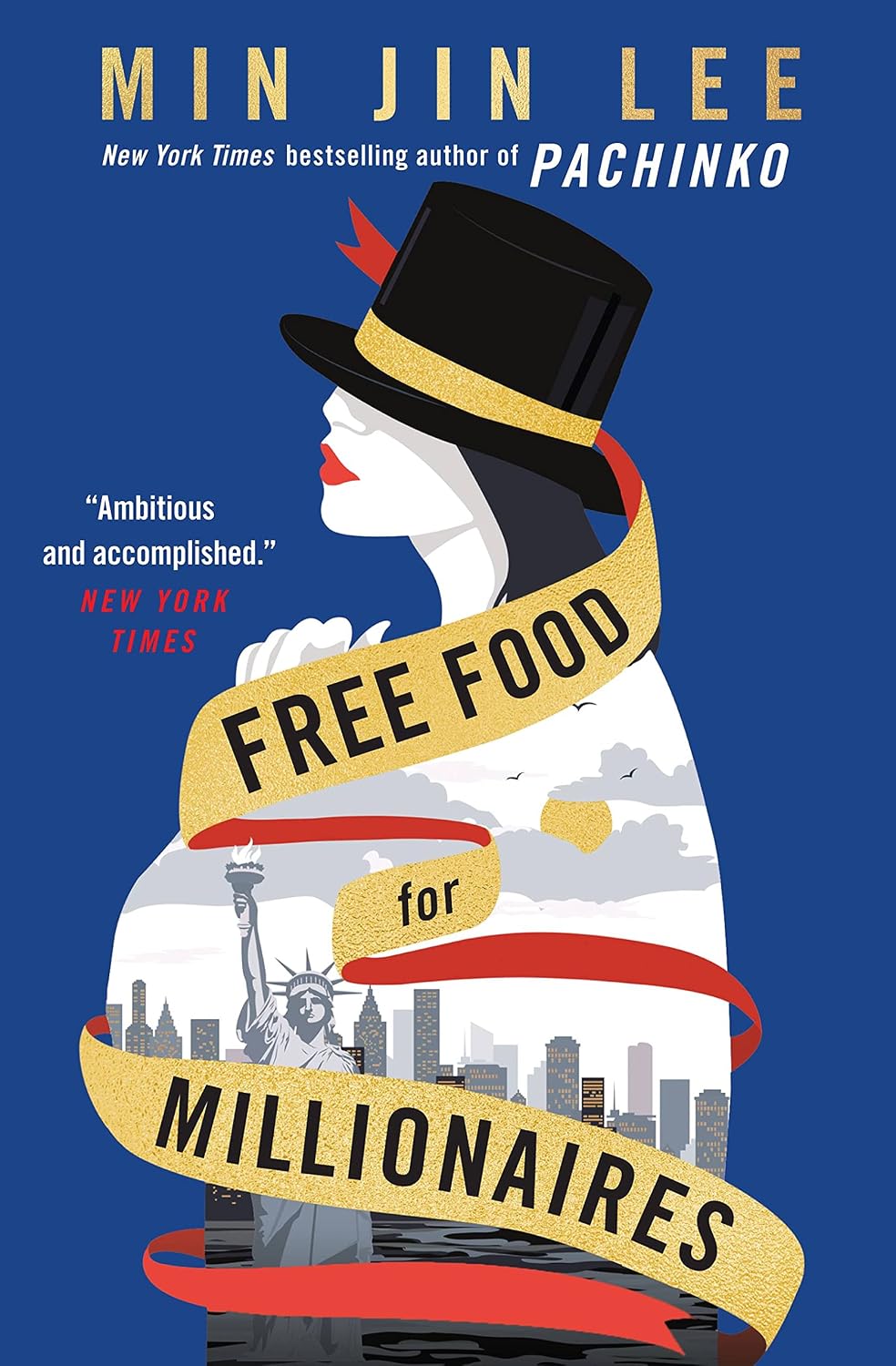
Free Food for Millionaires
Free Food for Millionaires follows Casey Han, a young Korean American woman who graduates from Princeton University and attempts to establish herself in New York City. Raised by immigrant parents with traditional expectations, Casey longs for independence, financial security, and entry into the glamorous world of Manhattan’s elite. Yet her expensive tastes, mounting debts, and complicated romantic relationships threaten to undermine her ambitions. As she navigates professional setbacks and social pressures, Casey struggles to reconcile her desire for personal freedom with the values instilled in her by her family. Through her experiences and those of the people around her, Lee examines class inequality, cultural assimilation, gender expectations, and the pursuit of success. The novel offers a portrait of immigrant life in which ambition can create opportunities while also deepening the conflict between inherited traditions and individual desires.
South Korea
2007
8
The Reluctant Fundamentalist
The Reluctant Fundamentalist follows Changez, a young Pakistani man who achieves professional success in New York after graduating from Princeton University. Recruited by an elite financial firm, he embraces the promise of the American dream and begins a relationship with Erica, a wealthy American woman struggling with grief. However, the attacks of September 11, 2001, transform the way Changez experiences life in the United States. Increasingly aware of the suspicion and hostility directed towards him because of his Pakistani identity, he begins to question his professional ambitions and his place in American society. Years later, he recounts his experiences to an American visitor in Lahore, leaving the reader uncertain about the encounter’s true nature. Hamid explores belonging, nationalism, prejudice, and the psychological consequences of living between cultures in a world divided by political fear.
Pakistan
2007
9
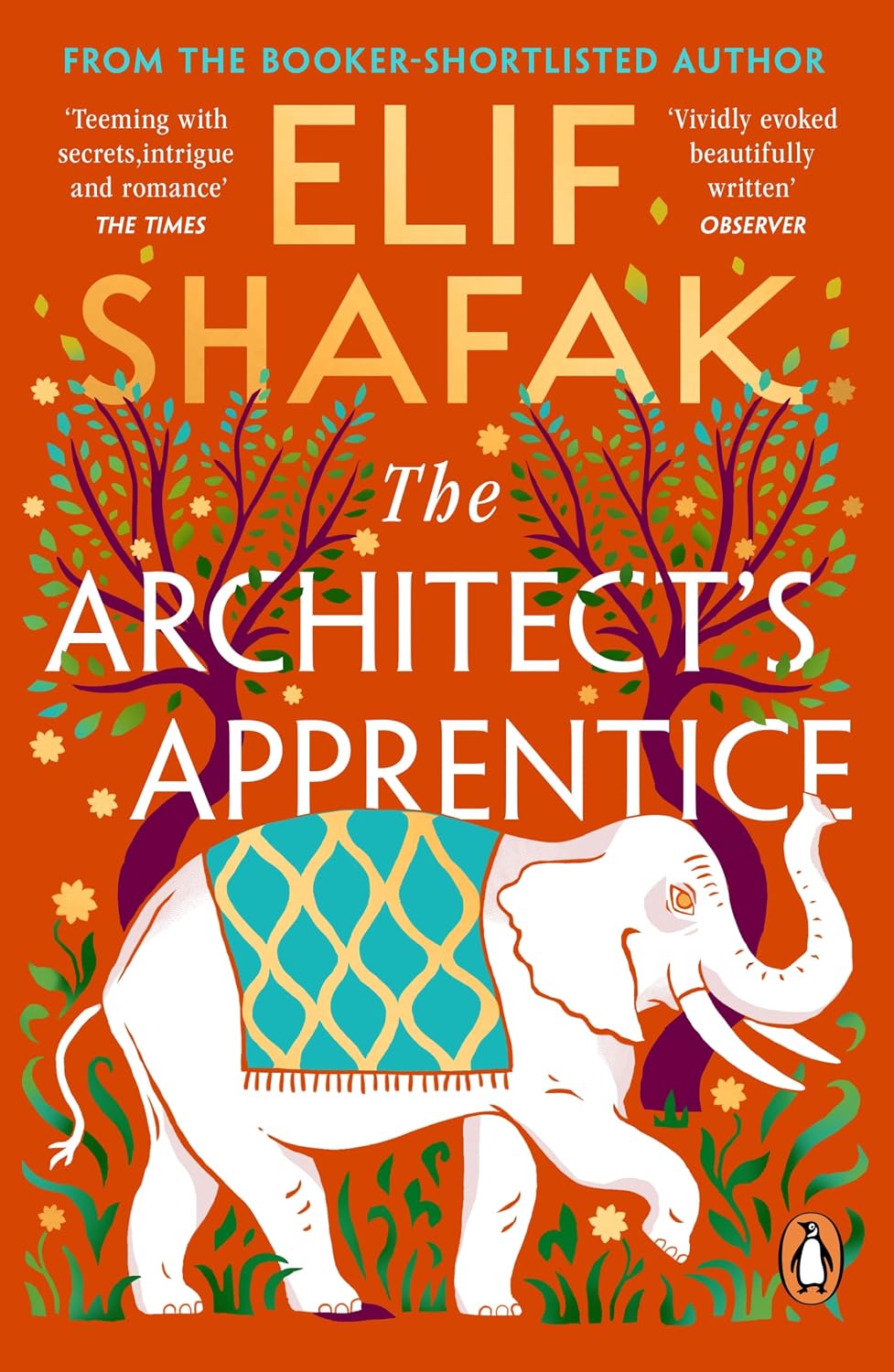
Architect's Apprentice
Set in the sixteenth-century Ottoman Empire, The Architect’s Apprentice follows Jahan, a twelve-year-old boy who arrives in Istanbul with Chota, an extraordinary white elephant intended for the sultan’s menagerie. As Jahan becomes involved in palace life, he encounters the celebrated imperial architect Mimar Sinan, who eventually takes him under his wing. Jahan enters a world of magnificent buildings, political intrigue, artistic ambition, and dangerous rivalries among the architect’s apprentices. As he grows older, his experiences expose him to the contradictions of an empire where beauty and intellectual achievement coexist with cruelty, jealousy, and the struggle for power. Shafak combines historical detail with an imaginative coming-of-age story, exploring loyalty, creativity, and the desire to find one’s place in the world. The novel celebrates architecture as both an artistic achievement and a lasting expression of human imagination.
Türkiye
2006
10
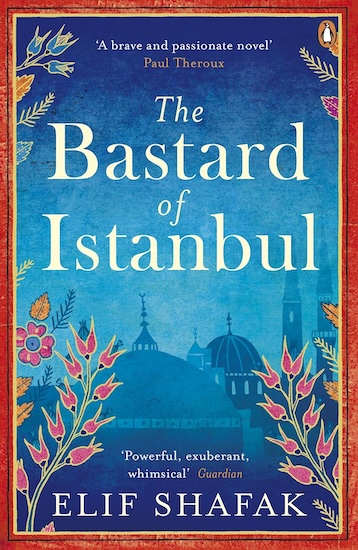
The Bastard of Istanbul
The Bastard of Istanbul centres on two young women whose lives connect through a complicated family history shaped by Turkish and Armenian experiences. Asya Kazancı grows up in Istanbul in a household dominated by women, surrounded by family secrets and conflicting interpretations of the past. Meanwhile, Armanoush, an Armenian American teenager, travels secretly to Istanbul in search of her cultural roots and a better understanding of her family’s history. When the two meet, their friendship brings buried memories and long-suppressed truths to the surface, particularly those connected to the Armenian genocide and its legacy. Through humour, food, family relationships, and competing memories, Shafak examines the relationship between personal identity and collective history. The novel explores how silence and denial can shape generations, while asking whether individuals can build meaningful connections across cultural and historical divisions.
Türkiye
2006
11
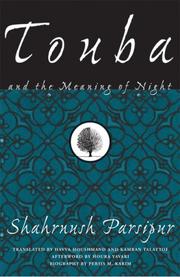
Touba and the Meaning of Night (Women Writing the Middle East)
Spanning eight decades of Iranian history, Touba and the Meaning of Night follows Touba, a thoughtful and independent-minded woman whose life unfolds amid profound political and social transformations. Educated by her father at a time when few women had access to learning, Touba struggles to preserve her intellectual curiosity and personal autonomy as she navigates marriage, motherhood, divorce, and financial uncertainty.
After two marriages end, she becomes the center of an ever-changing household, caring for her children and other family members while witnessing the upheavals that reshape Iran, from the Qajar dynasty’s decline to the 1979 Islamic Revolution. As historical events intersect with dreams, spiritual questions, and supernatural encounters, the boundary between reality and mysticism becomes increasingly fluid.
Blending historical fiction with magical realism, Parsipur explores women’s experiences, the tension between tradition and modernity, and the search for spiritual and intellectual freedom in a society undergoing radical change.
Iran
2006
12
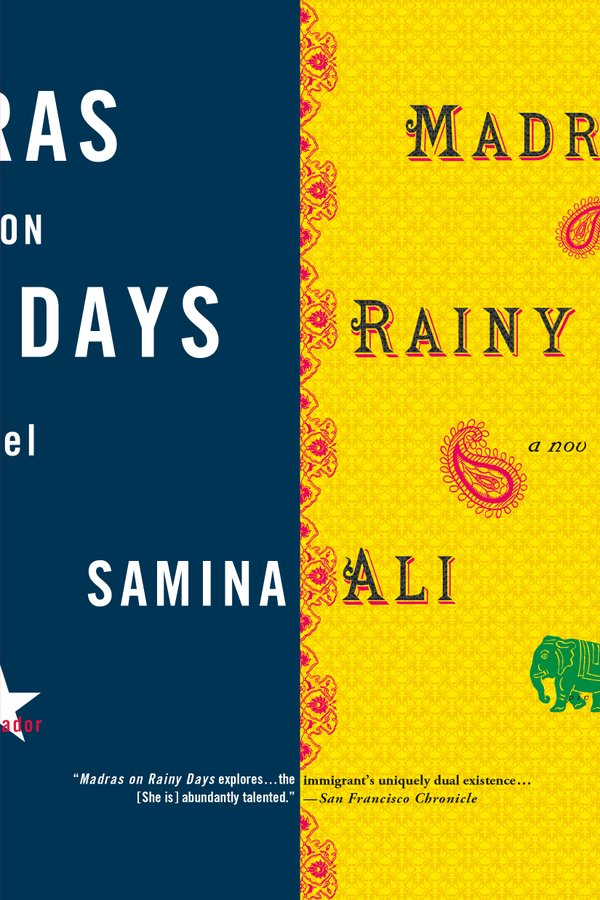
Madras on Rainy Days
At nineteen, Layla is caught between two worlds: the conservative Muslim upbringing her Indian immigrant parents have given her and the independence she has discovered growing up in America. When her parents arrange her marriage to Sameer, a man she barely knows, she reluctantly travels to Hyderabad, hoping to find a sense of belonging in the traditions she has spent years resisting. Amid elaborate wedding rituals, family expectations, and rising Hindu-Muslim tensions, Layla begins to question everything she thought she understood about love, faith, and womanhood. Madras on Rainy Days is a compelling exploration of female independence, cultural identity, and the secrets that lie beneath the surface of family life.
India
2005
About this theme
- Books
- 196
- Countries
- 72
Countries with this theme
Afghanistan
Asia
Albania
Europe
Algeria
Africa
Argentina
South America
Azerbaijan
Asia
Barbados
North America
Belgium
Europe
Bosnia and Herzegovina
Europe
Botswana
Africa
Brazil
South America
Brunei
Asia
Bulgaria
Europe
Canada
North America
Chile
South America
China
Asia
Congo, Democratic Republic
Africa
Croatia
Europe
Cuba
North America
Cyprus
Asia
Czech Republic
Europe
Denmark
Europe
Djibouti
Africa
Dominica
North America
Dominican Republic
North America
Ecuador
South America
Egypt
Africa
France
Europe
Germany
Europe
Ghana
Africa
Greece
Europe
Guatemala
North America
Iceland
Europe
India
Asia
Indonesia
Asia
Iran
Asia
Ireland
Europe
Italy
Europe
Jamaica
North America
Japan
Asia
Kazakhstan
Asia
Kenya
Africa
Kuwait
Asia
Kyrgyzstan
Asia
Lebanon
Asia
Libya
Africa
Luxembourg
Europe
Mexico
North America
Morocco
Africa
Netherlands
Europe
New Zealand
Oceania
Nigeria
Africa
North Macedonia
Europe
Norway
Europe
Pakistan
Asia
Palestine
Asia
Panama
North America
Russia
Europe
Rwanda
Africa
Singapore
Asia
Slovenia
Europe
Somalia
Africa
South Korea
Asia
Sudan
Africa
Sweden
Europe
Taiwan
Asia
Tanzania
Africa
Türkiye
Asia
Ukraine
Europe
United Kingdom
Europe
United States
North America
Uzbekistan
Asia
Zimbabwe
Africa