Identity & Belonging
Explorations of self, belonging, and what it means to find your place.
All countries
Afghanistan
Albania
Algeria
Argentina
Azerbaijan
Barbados
Belgium
Bosnia and Herzegovina
Botswana
Brazil
Brunei
Bulgaria
Canada
Chile
China
Congo, Democratic Republic
Croatia
Cuba
Cyprus
Czech Republic
Denmark
Djibouti
Dominica
Dominican Republic
Ecuador
Egypt
France
Germany
Ghana
Greece
Guatemala
Iceland
India
Indonesia
Iran
Ireland
Italy
Jamaica
Japan
Kazakhstan
Kenya
Kuwait
Kyrgyzstan
Lebanon
Libya
Luxembourg
Mexico
Morocco
Netherlands
New Zealand
Nigeria
North Macedonia
Norway
Pakistan
Palestine
Panama
Russia
Rwanda
Singapore
Slovenia
Somalia
South Korea
Sudan
Sweden
Taiwan
Tanzania
Türkiye
Ukraine
United Kingdom
United States
Uzbekistan
Zimbabwe
1
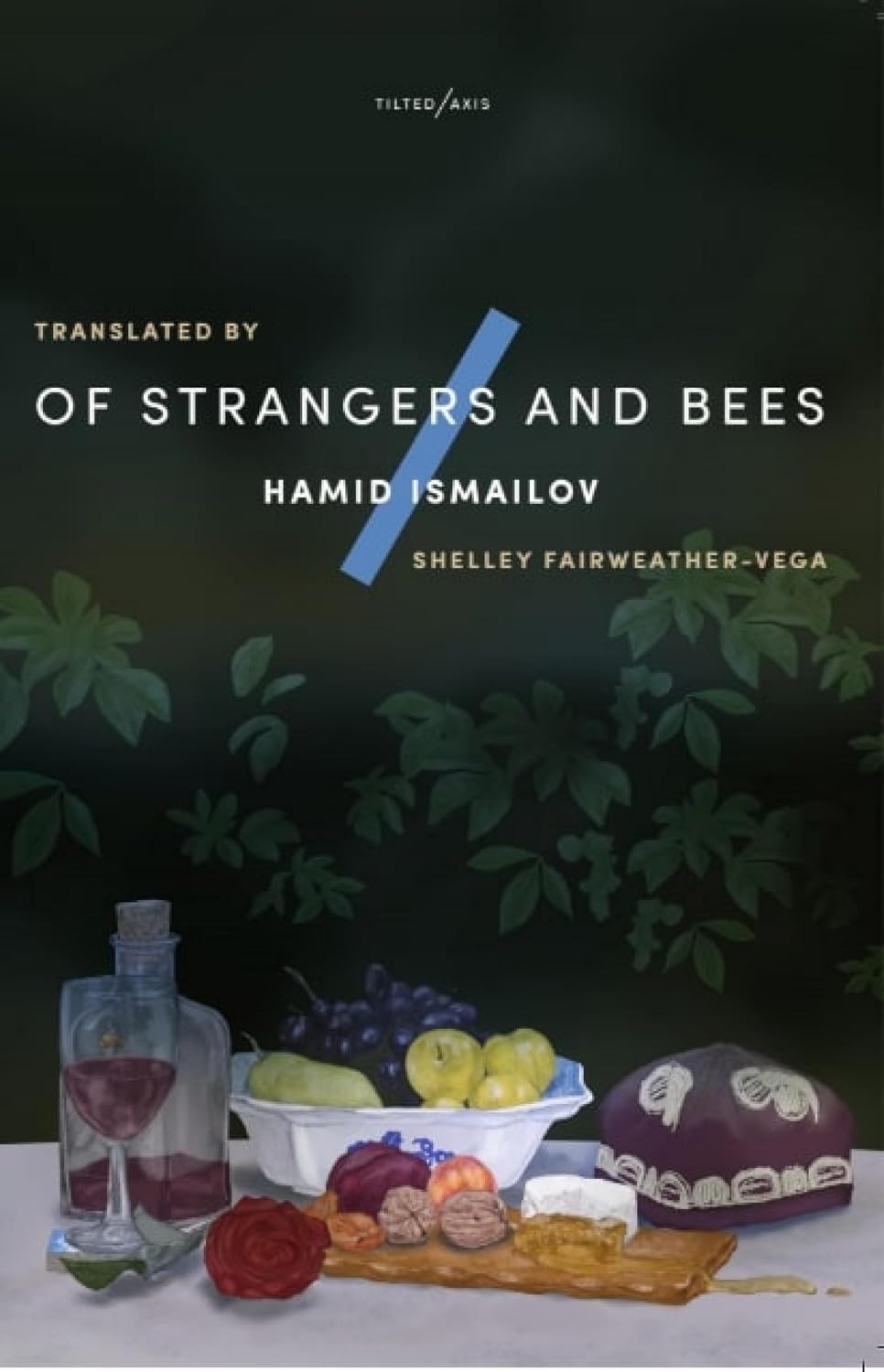
Of Strangers and Bees
In Of Strangers and Bees, Uzbek writer Hamid Ismailov weaves together the experiences of a contemporary exile and the extraordinary life of Avicenna, the celebrated medieval philosopher, physician, and polymath. The novel follows Sheikhov, an Uzbek writer living far from his homeland, who awakens from a troubling dream convinced that Avicenna continues to wander the world in different incarnations. Their journeys echo one another across centuries and cultures, moving through Ottoman Turkey, medieval Germany, and Renaissance Italy.
Blending historical fiction, philosophical reflection, traditional storytelling, and Sufi mysticism, Ismailov explores the meaning of belonging and the loneliness of life in exile. The novel also draws on Hayy ibn Yaqzan, a landmark work of medieval Islamic philosophy concerned with knowledge, reason, and spiritual awakening. Through layered narratives and allegorical episodes, Ismailov considers how people search for truth and wisdom while negotiating the boundaries between cultures, histories, and identities. The result is an imaginative meditation on displacement, intellectual freedom, and the enduring human quest for understanding.
Uzbekistan
2019
2
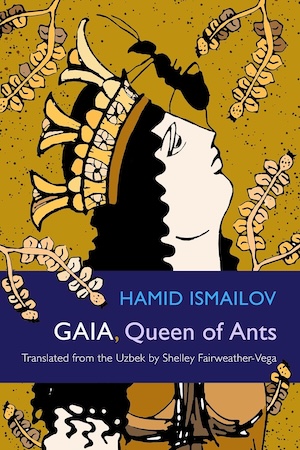
Gaia, Queen of Ants
In Gaia, Queen of Ants, Uzbek novelist Hamid Ismailov weaves together political intrigue, mythology, Sufi philosophy, and the complicated legacies of Central Asian history. Set primarily in contemporary England, the novel follows three characters whose lives have been shaped by displacement and ethnic conflict. Domrul, a young Meskhetian Turk who fled Uzbekistan as a child, struggles to reconcile his Muslim heritage with his life in the West. His Irish girlfriend, Emer, carries her own painful memories of growing up amid the violence of the Bosnian War. Their lives become entangled with Gaia, an eighty-year-old Russian-Uzbek woman whose formidable personality conceals a disturbing past connected to Soviet political power. As their stories unfold, Ismailov moves between contemporary Europe and the turbulent history of Central Asia, blending realistic encounters with fables, religious parables, and surreal imagery. The result is a richly layered exploration of exile, cultural identity, corruption, and the ways people use stories to make sense of their lives. With dark humour and lyrical prose, the novel challenges readers to question the boundaries between truth, myth, and personal memory.
Uzbekistan
2020
About this theme
- Books
- 2
- Countries
- 72
Countries with this theme
Afghanistan
Asia
Albania
Europe
Algeria
Africa
Argentina
South America
Azerbaijan
Asia
Barbados
North America
Belgium
Europe
Bosnia and Herzegovina
Europe
Botswana
Africa
Brazil
South America
Brunei
Asia
Bulgaria
Europe
Canada
North America
Chile
South America
China
Asia
Congo, Democratic Republic
Africa
Croatia
Europe
Cuba
North America
Cyprus
Asia
Czech Republic
Europe
Denmark
Europe
Djibouti
Africa
Dominica
North America
Dominican Republic
North America
Ecuador
South America
Egypt
Africa
France
Europe
Germany
Europe
Ghana
Africa
Greece
Europe
Guatemala
North America
Iceland
Europe
India
Asia
Indonesia
Asia
Iran
Asia
Ireland
Europe
Italy
Europe
Jamaica
North America
Japan
Asia
Kazakhstan
Asia
Kenya
Africa
Kuwait
Asia
Kyrgyzstan
Asia
Lebanon
Asia
Libya
Africa
Luxembourg
Europe
Mexico
North America
Morocco
Africa
Netherlands
Europe
New Zealand
Oceania
Nigeria
Africa
North Macedonia
Europe
Norway
Europe
Pakistan
Asia
Palestine
Asia
Panama
North America
Russia
Europe
Rwanda
Africa
Singapore
Asia
Slovenia
Europe
Somalia
Africa
South Korea
Asia
Sudan
Africa
Sweden
Europe
Taiwan
Asia
Tanzania
Africa
Türkiye
Asia
Ukraine
Europe
United Kingdom
Europe
United States
North America
Uzbekistan
Asia
Zimbabwe
Africa