Identity & Belonging
Explorations of self, belonging, and what it means to find your place.
All countries
Afghanistan
Albania
Algeria
Argentina
Azerbaijan
Barbados
Belgium
Bosnia and Herzegovina
Botswana
Brazil
Brunei
Bulgaria
Canada
Chile
China
Congo, Democratic Republic
Croatia
Cuba
Cyprus
Czech Republic
Denmark
Djibouti
Dominica
Dominican Republic
Ecuador
Egypt
France
Germany
Ghana
Greece
Guatemala
Iceland
India
Indonesia
Iran
Ireland
Italy
Jamaica
Japan
Kazakhstan
Kenya
Kuwait
Kyrgyzstan
Lebanon
Libya
Luxembourg
Mexico
Morocco
Netherlands
New Zealand
Nigeria
North Macedonia
Norway
Pakistan
Palestine
Panama
Russia
Rwanda
Singapore
Slovenia
Somalia
South Korea
Sudan
Sweden
Taiwan
Tanzania
Türkiye
Ukraine
United Kingdom
United States
Uzbekistan
Zimbabwe
1
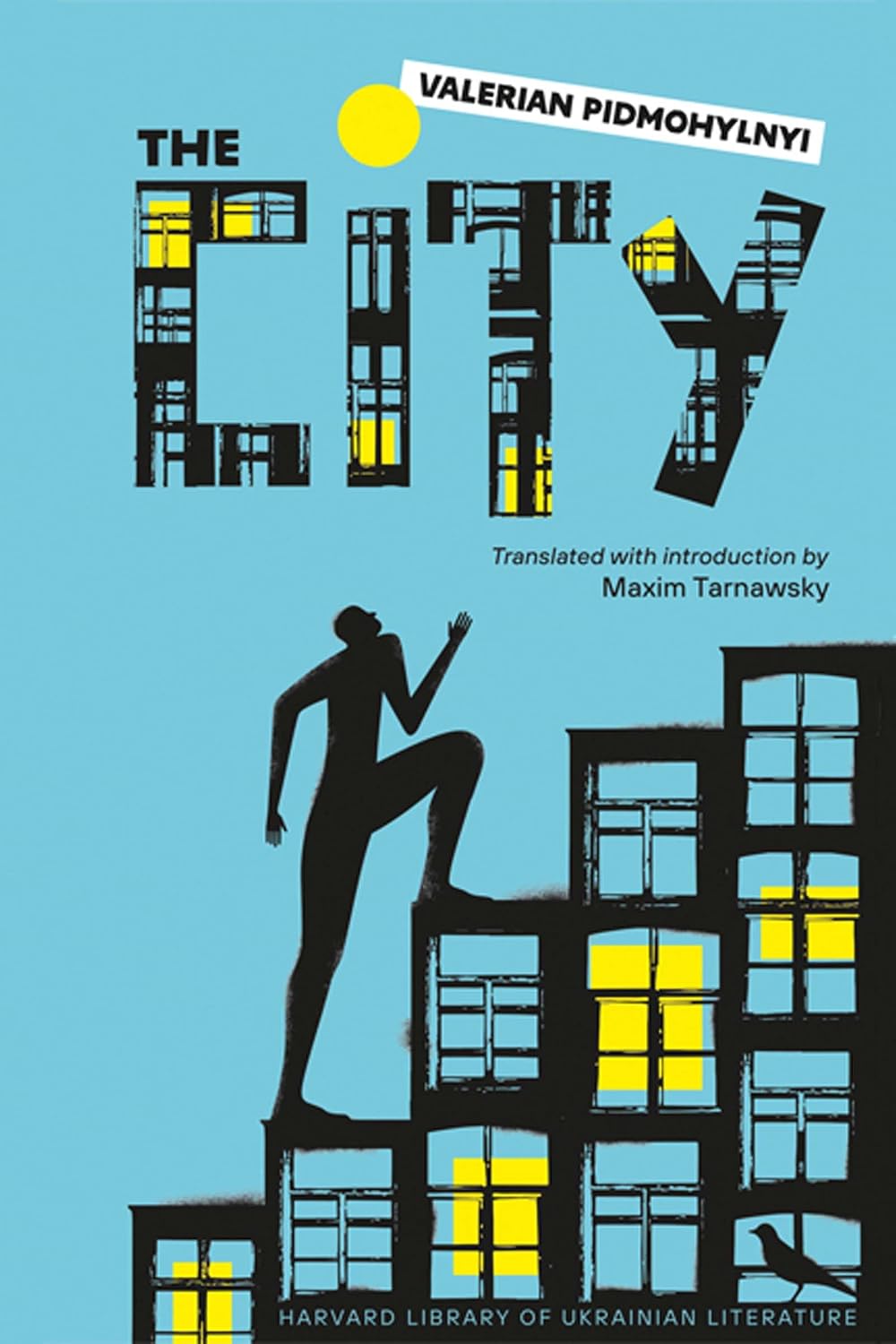
The City
Stepan Radchenko arrives in Kyiv from the Ukrainian countryside with ambitions of studying economics and eventually returning home to help modernise rural life. But the capital soon becomes more than a place of education: it is a world of opportunity, temptation, and reinvention. As Stepan moves from the city’s outskirts into its cultural and literary circles, he pursues success as a writer while navigating a series of romantic relationships that shape his understanding of himself.
Gradually, his original ideals give way to ambition, vanity, and a growing desire to conquer the city on his own terms. Kyiv becomes both the setting for his transformation and a force that challenges his sense of belonging.
First published in 1928, The City is considered a landmark of modern Ukrainian literature. Combining psychological realism with philosophical reflection, Pidmohylnyi examines urbanisation, social mobility, desire, and the tension between rural origins and modern identity. Stepan’s journey raises a timeless question: when we reinvent ourselves to achieve success, what parts of our original selves do we leave behind?
Ukraine
2025
2
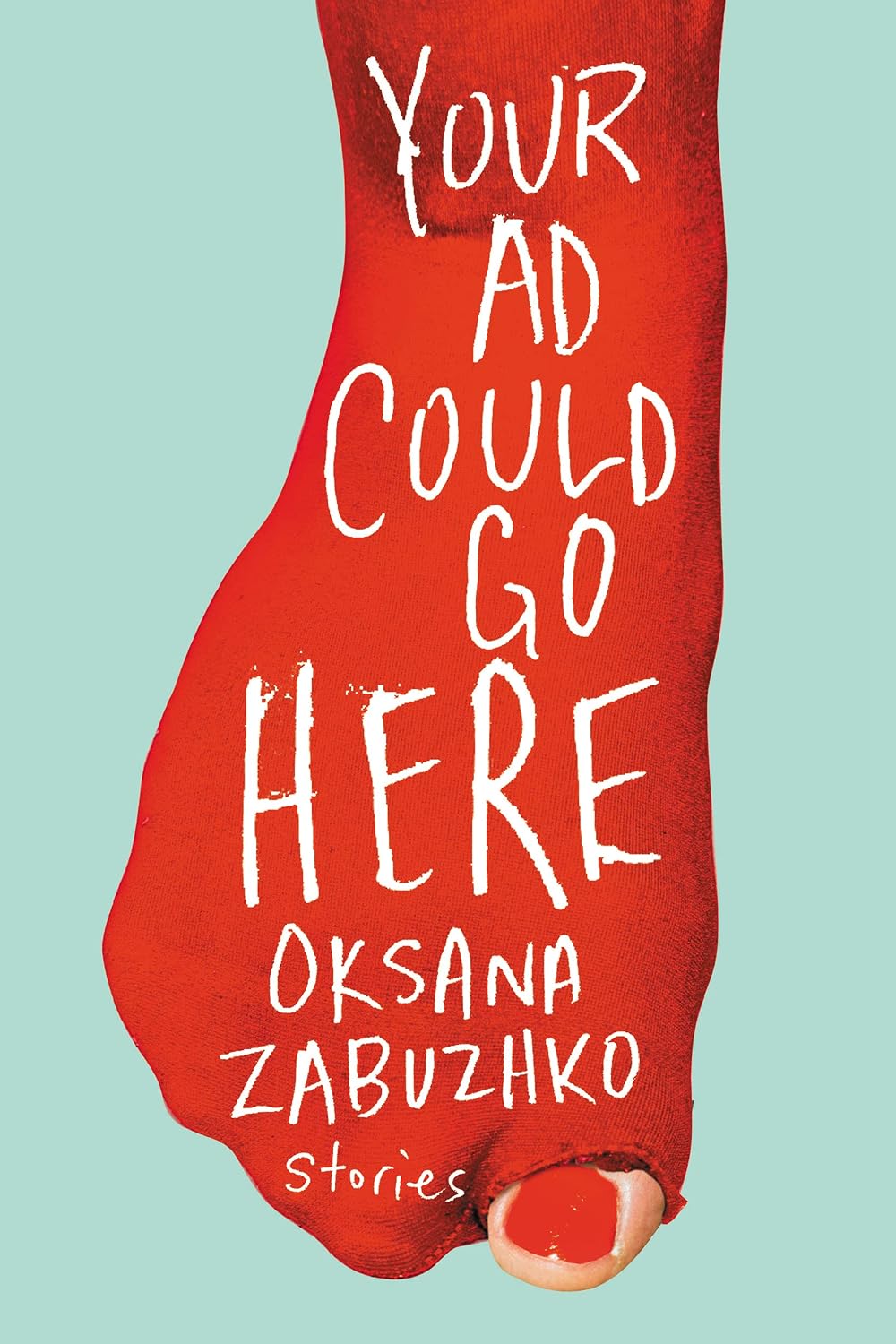
Your Ad Could Go Here: Stories
In Your Ad Could Go Here: Stories, Ukrainian writer Oksana Zabuzhko brings together a collection of fiction exploring the intimate connections between personal experience, collective memory, and national identity. Originally published in Ukrainian in 2014, the collection moves between the political upheavals of independent Ukraine and the seemingly ordinary dramas of everyday life, revealing how history shapes even the most private moments.
Through stories involving the Orange Revolution, family rivalries, romantic encounters, and unexpected personal triumphs, Zabuzhko examines the stories people tell themselves to make sense of their lives. Her characters navigate the complicated relationship between truth and illusion, individual desires and collective expectations, and the past and present. Myth, folklore, and fairy-tale elements frequently enter these recognisable settings, unsettling the boundary between what is real and what is imagined.
Lyrical, intellectually playful, and sharply observant, the collection explores how personal narratives become intertwined with cultural memory. Zabuzhko asks how individuals and nations construct their identities—and what happens when the stories that sustain them begin to unravel.
Ukraine
2020
3
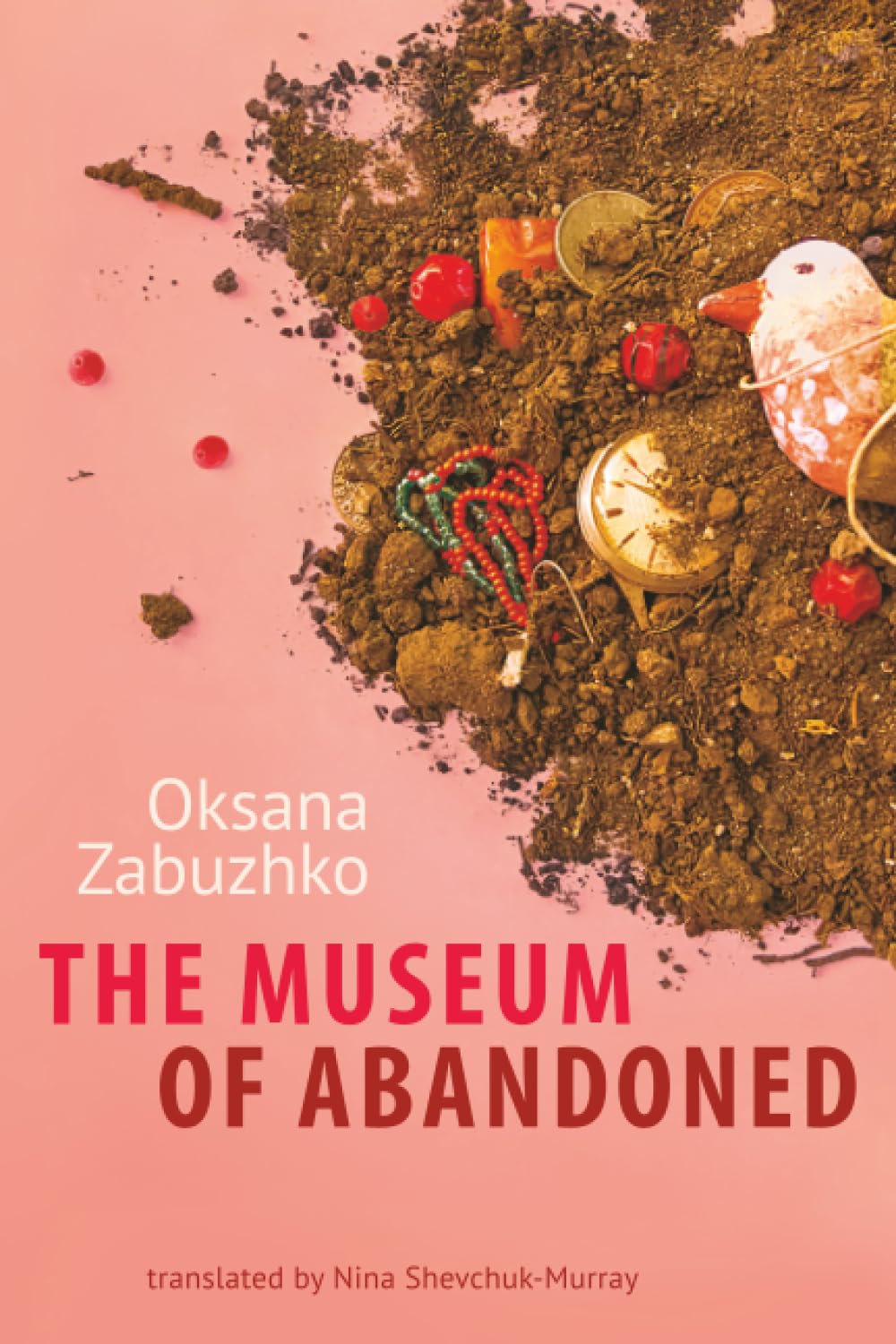
The Museum of Abandoned Secrets
Spanning more than six decades of Ukrainian history, from the Second World War to the early 2000s, The Museum of Abandoned Secrets is an ambitious, multigenerational novel about memory, resistance, and the hidden forces shaping national identity.
In contemporary Kyiv, journalist Daryna Hoshchynska discovers an old photograph of Olena Dovhan, a young Ukrainian partisan who was killed by Soviet secret police in 1947 after being betrayed by her lover. Fascinated by Olena’s story, Daryna begins investigating her life, uncovering secrets that connect the wartime resistance to the political realities of modern Ukraine. As her research deepens, personal relationships, family histories, and forgotten traumas become entangled with the country’s turbulent past.
Moving between generations and historical periods, Zabuzhko explores Soviet repression, political violence, cultural memory, and the enduring consequences of historical silence. Combining historical fiction, psychological drama, and elements of the supernatural, the novel asks how the past survives within the present—and how recovering buried stories can reshape a nation’s understanding of itself.
Ukraine
2012
About this theme
- Books
- 3
- Countries
- 72
Countries with this theme
Afghanistan
Asia
Albania
Europe
Algeria
Africa
Argentina
South America
Azerbaijan
Asia
Barbados
North America
Belgium
Europe
Bosnia and Herzegovina
Europe
Botswana
Africa
Brazil
South America
Brunei
Asia
Bulgaria
Europe
Canada
North America
Chile
South America
China
Asia
Congo, Democratic Republic
Africa
Croatia
Europe
Cuba
North America
Cyprus
Asia
Czech Republic
Europe
Denmark
Europe
Djibouti
Africa
Dominica
North America
Dominican Republic
North America
Ecuador
South America
Egypt
Africa
France
Europe
Germany
Europe
Ghana
Africa
Greece
Europe
Guatemala
North America
Iceland
Europe
India
Asia
Indonesia
Asia
Iran
Asia
Ireland
Europe
Italy
Europe
Jamaica
North America
Japan
Asia
Kazakhstan
Asia
Kenya
Africa
Kuwait
Asia
Kyrgyzstan
Asia
Lebanon
Asia
Libya
Africa
Luxembourg
Europe
Mexico
North America
Morocco
Africa
Netherlands
Europe
New Zealand
Oceania
Nigeria
Africa
North Macedonia
Europe
Norway
Europe
Pakistan
Asia
Palestine
Asia
Panama
North America
Russia
Europe
Rwanda
Africa
Singapore
Asia
Slovenia
Europe
Somalia
Africa
South Korea
Asia
Sudan
Africa
Sweden
Europe
Taiwan
Asia
Tanzania
Africa
Türkiye
Asia
Ukraine
Europe
United Kingdom
Europe
United States
North America
Uzbekistan
Asia
Zimbabwe
Africa