Identity & Belonging
Explorations of self, belonging, and what it means to find your place.
All countries
Afghanistan
Albania
Algeria
Argentina
Azerbaijan
Barbados
Belgium
Bosnia and Herzegovina
Botswana
Brazil
Brunei
Bulgaria
Canada
Chile
China
Congo, Democratic Republic
Croatia
Cuba
Cyprus
Czech Republic
Denmark
Djibouti
Dominica
Dominican Republic
Ecuador
Egypt
France
Germany
Ghana
Greece
Guatemala
Iceland
India
Indonesia
Iran
Ireland
Italy
Jamaica
Japan
Kazakhstan
Kenya
Kuwait
Kyrgyzstan
Lebanon
Libya
Luxembourg
Mexico
Morocco
Netherlands
New Zealand
Nigeria
North Macedonia
Norway
Pakistan
Palestine
Panama
Russia
Rwanda
Singapore
Slovenia
Somalia
South Korea
Sudan
Sweden
Taiwan
Tanzania
Türkiye
Ukraine
United Kingdom
United States
Uzbekistan
Zimbabwe
1

The Woman Destroyed
The Woman Destroyed is a collection of three novellas exploring the emotional crises of women confronting ageing, betrayal, and the collapse of the lives they have built around others. In the title story, Monique, a middle-aged wife and mother, struggles to cope when her husband reveals his infidelity, forcing her to question her marriage and her own sense of self. The other stories portray women facing disillusionment, professional frustration, and the painful realization that their expectations have not matched reality. Through intimate diaries and first-person narratives, Simone de Beauvoir examines the ways women can lose their identities by defining themselves through their relationships, families, and social roles. The collection offers a powerful reflection on independence, self-deception, and the difficult process of rebuilding a life when familiar certainties disappear.
France
1967
2
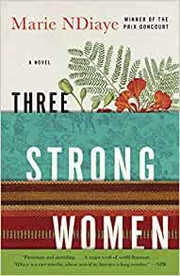
Three Strong Women
The story of three women who say no: Norah, a French-born lawyer who finds herself in Senegal, summoned by her estranged father to save another victim of his paternity; Fanta, who leaves a contented life as a teacher in Dakar to follow her boyfriend back to France, where his depression and dislocation poison everything; and Khady, a penniless widow put out by her husband's family with nothing but the name of a distant cousin in France. As these three lives intertwine, each woman manages an astonishing feat of self-preservation against those who have made themselves the fastest-growing and most-reviled people in Europe. In Marie NDiaye's stunning narration we see the progress by which ordinary women discover unimagined reserves of strength.
France
2009
3

Adèle
Adèle follows Adèle Robinson, a married woman living in Paris with her husband and young son. Despite her comfortable middle-class life and successful career as a journalist, she is consumed by compulsive sexual behavior that threatens to destroy her family and sense of self. As she becomes increasingly unable to control her impulses, her carefully maintained public image begins to unravel, exposing the emptiness and dissatisfaction beneath her seemingly ordinary existence. Through Adèle’s struggles, Leïla Slimani examines desire, addiction, repression, and the pressures of conventional domestic life. Written in a stark, unsentimental style, the novel explores the tension between social respectability and private compulsions, questioning how well people can truly understand themselves and the hidden forces that shape their behavior.
France
2014
About this theme
- Books
- 3
- Countries
- 72
Countries with this theme
Afghanistan
Asia
Albania
Europe
Algeria
Africa
Argentina
South America
Azerbaijan
Asia
Barbados
North America
Belgium
Europe
Bosnia and Herzegovina
Europe
Botswana
Africa
Brazil
South America
Brunei
Asia
Bulgaria
Europe
Canada
North America
Chile
South America
China
Asia
Congo, Democratic Republic
Africa
Croatia
Europe
Cuba
North America
Cyprus
Asia
Czech Republic
Europe
Denmark
Europe
Djibouti
Africa
Dominica
North America
Dominican Republic
North America
Ecuador
South America
Egypt
Africa
France
Europe
Germany
Europe
Ghana
Africa
Greece
Europe
Guatemala
North America
Iceland
Europe
India
Asia
Indonesia
Asia
Iran
Asia
Ireland
Europe
Italy
Europe
Jamaica
North America
Japan
Asia
Kazakhstan
Asia
Kenya
Africa
Kuwait
Asia
Kyrgyzstan
Asia
Lebanon
Asia
Libya
Africa
Luxembourg
Europe
Mexico
North America
Morocco
Africa
Netherlands
Europe
New Zealand
Oceania
Nigeria
Africa
North Macedonia
Europe
Norway
Europe
Pakistan
Asia
Palestine
Asia
Panama
North America
Russia
Europe
Rwanda
Africa
Singapore
Asia
Slovenia
Europe
Somalia
Africa
South Korea
Asia
Sudan
Africa
Sweden
Europe
Taiwan
Asia
Tanzania
Africa
Türkiye
Asia
Ukraine
Europe
United Kingdom
Europe
United States
North America
Uzbekistan
Asia
Zimbabwe
Africa