Colonialism
All countries
Algeria
Australia
Brazil
Canada
Costa Rica
Côte d’Ivoire (Ivory Coast)
Egypt
Estonia
France
Ghana
India
Madagascar
Morocco
Palestine
Peru
Puerto Rico
Rwanda
Senegal
Spain
Sudan
Uganda
United Kingdom
United States
1
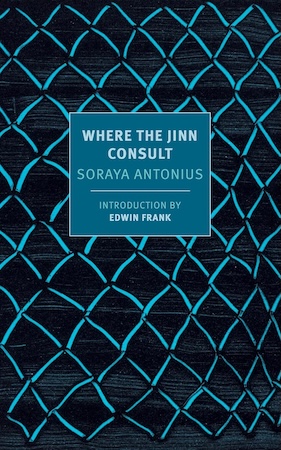
Where the Jinn Consult
In the final years of British-ruled Palestine, Jerusalem’s privileged elite continue to enjoy their comfortable lives while the world around them edges towards catastrophe. When Maliha al-Ghal’s husband, a prominent Palestinian politician, is deported by the British, her carefully ordered existence begins to unravel. Her friend Violet Dhaishi, meanwhile, remains absorbed in social gatherings, shopping, and a secret affair with a British officer, oblivious to the escalating violence threatening their society. As bombings multiply and political tensions intensify, the Palestinian upper classes cling to their privilege, reluctant to acknowledge the forces gathering against them. Through interwoven lives, personal betrayals, and political intrigue, Soraya Antonius exposes the dangerous complacency of a society unable to recognise its impending dispossession. Both an intimate portrait of pre-Nakba Palestine and a fierce critique of colonial power and social privilege, Where the Jinn Consult captures the tragic distance between a world people believe will endure and the one they are about to lose.
Palestine
2027
2
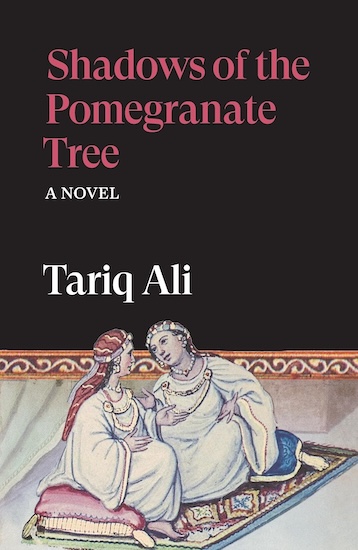
Shadows of the Pomegranate Tree (The Islam Quintet)
Set in the final years of Muslim rule in Granada, Spain, at the end of the fifteenth century, Shadows of the Pomegranate Tree explores the fate of a Muslim family as their world is transformed by the Christian conquest of Al-Andalus.
The novel centres on the Banu Hudayl family, who have lived for generations in a village near Granada. Led by the respected Omar bin Abdallah, the family struggles to preserve its traditions, faith, and way of life as the Catholic monarchs Ferdinand and Isabella consolidate their power. Following the fall of Granada in 1492, Muslims face increasing persecution, forced conversions, and the destruction of their cultural heritage.
As religious authorities tighten their control, members of the family respond in different ways. Some attempt to adapt to the new order, while others resist the loss of their identity and the restrictions imposed on their freedom. Their personal conflicts reflect the wider tragedy unfolding across the region, where libraries are burned, intellectual traditions are suppressed, and centuries of coexistence give way to religious intolerance.
Through the family’s experiences, Tariq Ali brings to life the final chapter of Muslim Spain, exploring the relationship between faith, power, memory, and cultural survival. The novel also challenges simplified accounts of the past, revealing how conquest affects ordinary people, fractures communities, and threatens the knowledge and traditions passed from one generation to the next.
Spain
2026
3
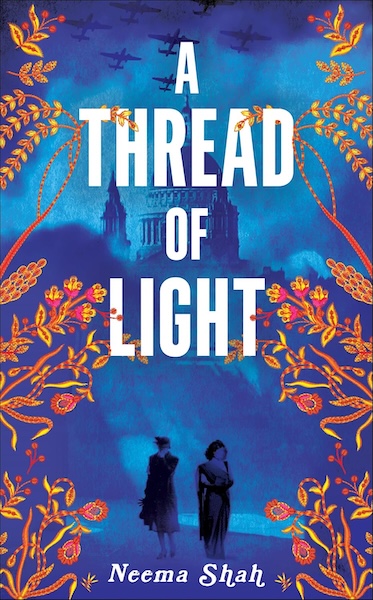
A Thread of Light
London, 1941. As German bombers descend on the city, two women find themselves caught in a different struggle: the fight for Indian independence from British rule.
Ruby, a lonely air raid warden, becomes involved with the India Forum, a group campaigning for India’s freedom. She has her own reasons for joining the movement, but her growing attraction to Satyajit, a charismatic and potentially dangerous freedom fighter, forces her to question her loyalties. Meanwhile, Kitty, an Indian lawyer who has left her family in Bombay to build a life in Britain with the man she loves, risks everything to help Indian men challenge wartime conscription.
As their lives intersect, political tensions, personal betrayals, and the threat of violence push both women towards decisions that could change their futures forever.
Set against the Blitz and India’s independence movement, A Thread of Light uncovers a lesser-known chapter of British wartime history. Through its intertwined stories of love, sacrifice, and resistance, the novel explores the complicated relationship between colonial power and freedom, asking what people are willing to risk for their beliefs and the people they love.
India
United Kingdom
2025
4
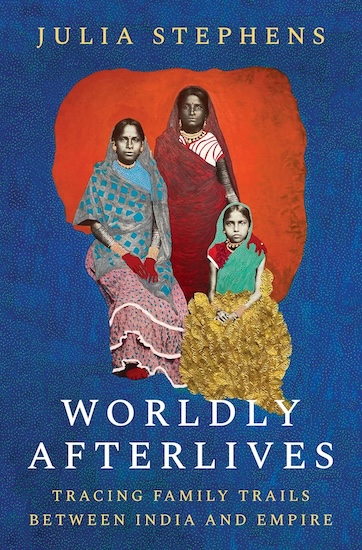
Worldly Afterlives: Tracing Family Trails Between India and Empire
What remains of an empire long after its subjects have scattered across the world? In this illuminating work of historical research, Julia Stephens traces the lives of Indian migrants who travelled across the British Empire, uncovering the intimate stories hidden in colonial records, family photographs, heirlooms, and forgotten archives. From the Indian Ocean to Malaya, Zanzibar, South Africa, and beyond, she follows generations of families whose experiences challenge conventional narratives of migration and belonging. Combining archival discoveries with interviews and contemporary family histories, Stephens reveals how colonialism continues to shape identity, memory, and the ways descendants understand their past. A compelling exploration of the human stories behind empire, Worldly Afterlives reimagines history through the lives of those too often left out of its official records.
India
United Kingdom
2025
5
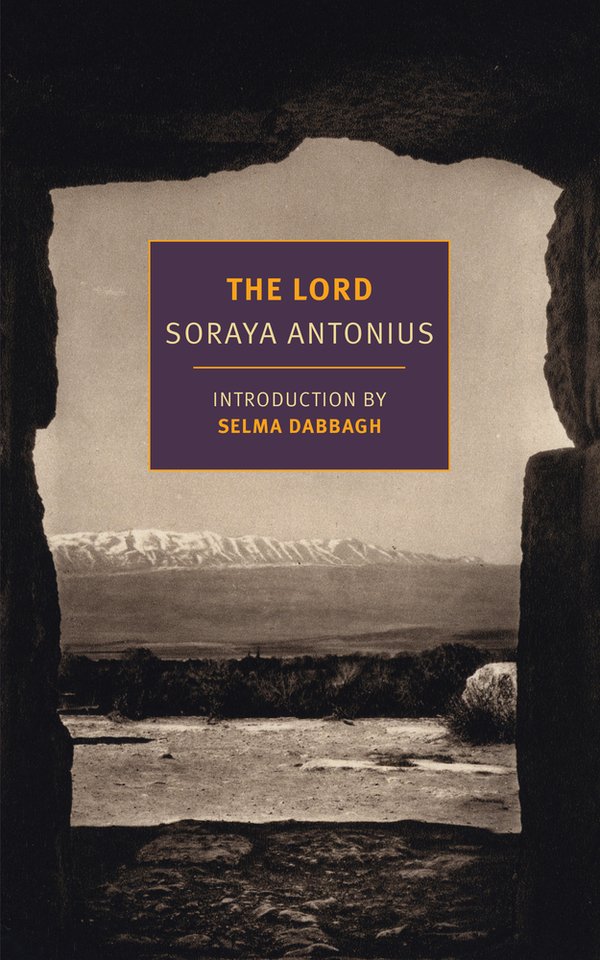
The Lord
In British-ruled Palestine, a charismatic young man named Tareq becomes a figure of mystery and resistance. After leaving school, he travels from village to village as a magician, performing astonishing feats that earn him a devoted following. But beneath his extraordinary reputation lies a growing defiance of British colonial authority. As unrest spreads across Palestine and the 1936 Arab Revolt approaches, Tareq’s influence attracts the attention of Challis, a ruthless British police chief determined to crush the resistance. Decades later, amid the Israeli invasion of Lebanon in 1982, an English missionary recalls the young man whose fate became intertwined with the history of a nation. Rich in historical detail and vivid depictions of Palestinian society before the Nakba, The Lord explores resistance, colonial power, and the lives of people caught in the struggle for their homeland.
Palestine
2025
6
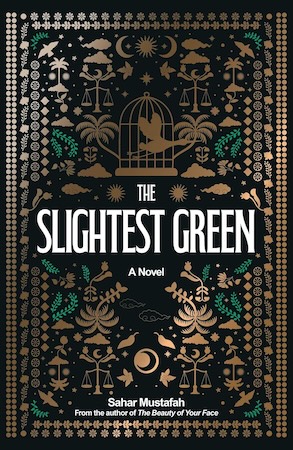
The Slightest Green
When Intisar Jaber receives news that her estranged father is dying, she leaves her life in Chicago behind and returns to Palestine, a land she barely remembers but has never entirely escaped. Her father, Hafez, abandoned her family decades earlier to join the resistance, only to spend the rest of his life imprisoned. Now, standing in her ancestral village, Intisar must confront the complicated legacy he left behind and the unfamiliar feeling of being a stranger in her own homeland. Meanwhile, her grandmother Sundus fights to protect the family home from those seeking to take it away. As the two women navigate grief, fractured family ties, and the enduring struggle to preserve their inheritance, Intisar faces a difficult choice between the life she has built in America and the history calling her back. The Slightest Green is a moving multigenerational novel about Palestinian identity, displacement, and the powerful connection between people and the land they call home.
Palestine
2025
7
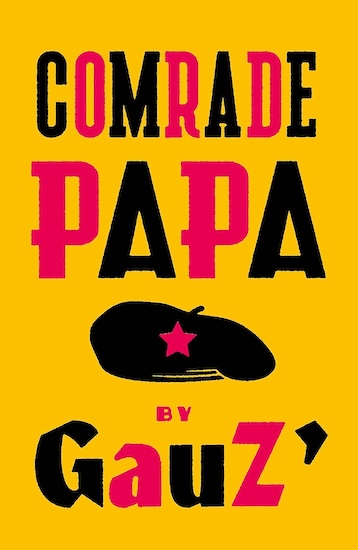
Comrade Papa
In Comrade Papa, Ivorian writer Gauz’ weaves together two stories separated by a century to examine colonialism, political ideology, and the complicated connections between Africa and Europe.
In 1880, Maxime Dabilly, a young Frenchman grieving the deaths of his parents, leaves France in search of adventure and joins a colonial expedition into Côte d’Ivoire. As he travels deeper into African territory, he becomes involved in the establishment of French trading routes and encounters the people whose lives and lands are about to be transformed by European expansion.
Nearly a century later, Anouman, a Black boy growing up in Amsterdam in a family of committed communists, is raised by a father who teaches him to oppose capitalism and imperialism. When family circumstances bring him to Côte d’Ivoire to live with his grandmother, he begins discovering his African heritage and unexpected connections to the past.
Through these parallel coming-of-age stories, Gauz’ uses irony, humour, and contrasting perspectives to challenge conventional narratives of colonial history. The novel explores how ideology shapes identity, how colonial power affects generations, and how personal histories can reveal the enduring consequences of imperialism.
Côte d’Ivoire (Ivory Coast)
2024
8
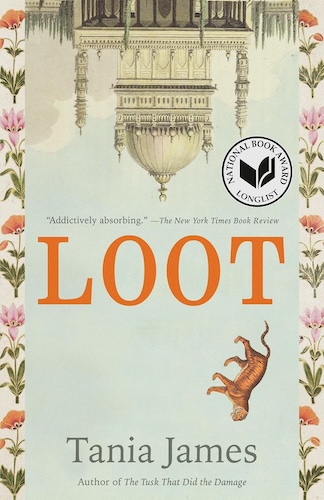
Loot
A stolen tiger, a young craftsman, and the spoils of an empire collide in this imaginative historical adventure. In eighteenth-century Mysore, seventeen-year-old Abbas catches the attention of Tipu Sultan, who commissions him to help create an extraordinary mechanical tiger. But when British forces invade the palace, the magnificent automaton is carried away as war booty. Years later, Abbas travels to Europe, determined to recover his creation and reclaim a piece of the world stolen from him. Spanning India, France, and England, Loot combines romance, adventure, and ingenious storytelling to explore artistic ambition, the costs of empire, and the enduring question of who has the right to own another culture’s treasures.
India
2024
9
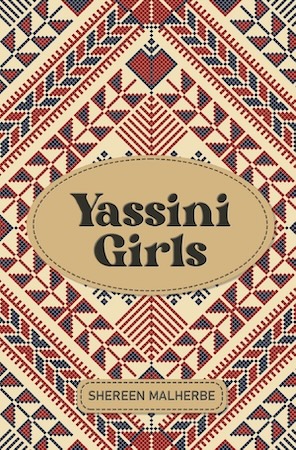
Yassini Girls
In the ancient streets of Jerusalem, Fatima receives an unexpected phone call that awakens memories she has spent years trying to bury. Thousands of miles away in the English countryside, Layla discovers a family heirloom hidden beneath her attic floor, setting her on a journey into the painful, long-silenced history of Palestine. As the two women’s stories begin to converge, family secrets reveal the enduring consequences of displacement and the fragile threads connecting generations to their homeland. Inspired by the author’s own discovery of her family’s history during a BBC documentary, Yassini Girls is a deeply personal novel about Palestinian identity, inherited trauma, and the power of storytelling to preserve what history threatens to erase. Through the traditions, memories, and resilience of Palestinian women, it explores how understanding the past can become an act of resistance and a way of safeguarding the future.
Palestine
2024
10
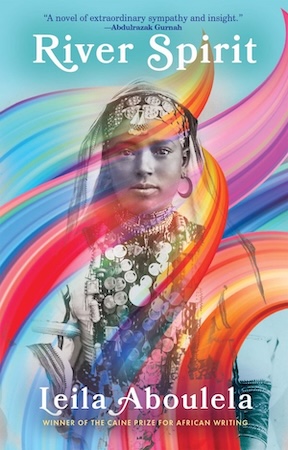
River Spirit
Set in nineteenth-century Sudan during the turbulent years surrounding the Mahdist uprising against Egyptian and British-backed rule, River Spirit explores a society transformed by war, faith, and the struggle for independence.
At the heart of the novel is a group of interconnected characters whose lives are swept up in political upheaval. Among them is Akuany, a young woman whose experiences of violence, displacement, and loss shape her understanding of freedom and belonging. As the conflict spreads, personal loyalties collide with religious conviction and competing visions of Sudan’s future. Through the characters’ intertwined journeys, Aboulela examines how ordinary people endure extraordinary circumstances and how love and compassion can survive amid brutality.
The Nile provides a powerful backdrop to this story of a nation in transition. Drawing on Sudanese history and Islamic traditions, Aboulela offers a nuanced perspective on a frequently overlooked chapter of African history. Rather than presenting the uprising solely as a political struggle, she explores its human consequences, illuminating the complex relationships between faith, identity, colonial power, and resistance.
Sudan
2024
11
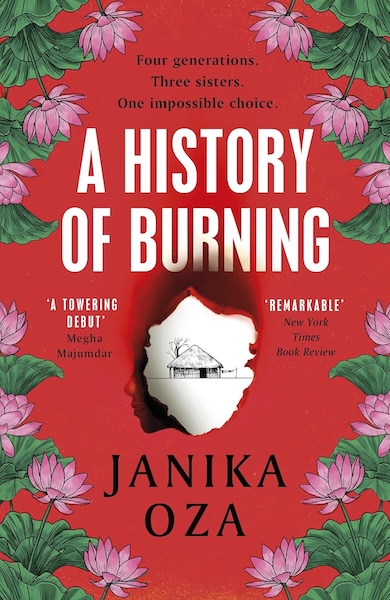
A History of Burning
In 1898, thirteen-year-old Pirbhai leaves his village in India, lured by the promise of work in East Africa. Instead, he is forced into labour on the British railway, where a desperate act committed in the name of survival becomes a secret that will haunt his descendants for generations.
Years later, Pirbhai builds a family with Sonal in Uganda. Their children and grandchildren grow up amid the final years of British colonial rule, the country’s struggle for independence, and the political turmoil that follows. Among the next generation are three sisters, each with her own ambitions and understanding of what it means to belong. When Idi Amin orders Uganda’s Asian population to leave in 1972, the family is scattered across continents, carrying with them the memories, silences, and secrets of their past.
Spanning more than a century and moving between India, East Africa, and Canada, A History of Burning traces how one act of survival reverberates through generations. Janika Oza weaves together colonial exploitation, political upheaval, family loyalty, and the search for home in an intimate multigenerational saga about the stories families preserve—and those they struggle to forget.
Uganda
India
Canada
2023
12
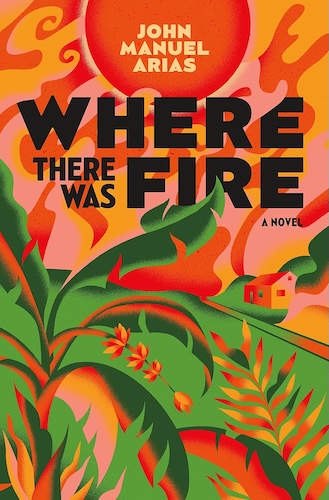
Where There Was Fire
In Costa Rica, 1968, a devastating fire at a banana plantation destroys evidence of a corporate cover-up, while a family is shattered by murder and a father’s sudden disappearance. Nearly three decades later, Teresa and her estranged daughter, Lyra, must confront the secrets that have haunted them for years. Blending family drama, ancestral spirits, and the legacy of corporate exploitation, this atmospheric novel explores how buried truths and inherited trauma can shape generations.
Costa Rica
2023
About this theme
- Books
- 33
- Countries
- 23
Countries with this theme
Algeria
Africa
Australia
Oceania
Brazil
South America
Canada
North America
Costa Rica
North America
Côte d’Ivoire (Ivory Coast)
Africa
Egypt
Africa
Estonia
Europe
France
Europe
Ghana
Africa
India
Asia
Madagascar
Africa
Morocco
Africa
Palestine
Asia
Peru
South America
Puerto Rico
South America
Rwanda
Africa
Senegal
Africa
Spain
Europe
Sudan
Africa
Uganda
Africa
United Kingdom
Europe
United States
North America