Short Stories
All countries
Argentina
Armenia
Austria
Benin
Bhutan
Bosnia and Herzegovina
Bulgaria
Croatia
Denmark
Ethiopia
Finland
Hungary
Iceland
India
Ireland
Jamaica
Japan
Jordan
Kazakhstan
Kenya
Kuwait
Nigeria
Norway
Pakistan
Palestine
Romania
Rwanda
Singapore
Taiwan
Türkiye
Turkmenistan
Uganda
Ukraine
United Kingdom
United States
1
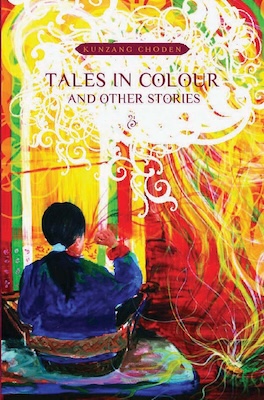
Tales in Colour and Other Stories
Tales in Colour and Other Stories is a collection of short stories exploring the lives, aspirations, and struggles of women in contemporary Bhutan. Set primarily in rural communities, the stories portray women navigating marriage, motherhood, family obligations, social expectations, and the gradual transformation of traditional ways of life.
With wit, subtle irony, and compassion, Kunzang Choden examines the tensions between tradition and modernity as urbanisation introduces new possibilities and changes how people understand themselves and their communities. In one story, a young woman discovers the confidence to make decisions independently of her mother; in another, a rural woman is drawn towards the glamour and opportunities associated with city life.
The collection gives voice to women whose experiences are often overlooked, revealing the complexity beneath seemingly ordinary lives. Through intimate portraits of everyday relationships and personal choices, Choden offers a nuanced perspective on Bhutanese society, particularly the changing roles and expectations of women.
Bhutan
2009
2
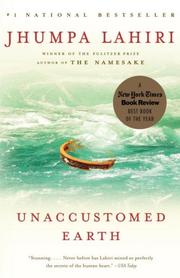
Unaccustomed Earth
Unaccustomed Earth is a collection of eight stories examining the experiences of Bengali families living in the United States and the complex relationships between generations. The first section focuses on individuals negotiating marriage, parenthood, grief, and cultural expectations as they attempt to build lives far from their ancestral homeland. The final three stories follow Hema and Kaushik, two Bengali Americans whose lives intersect during childhood and again in adulthood, revealing how family decisions and personal losses shape their futures. Lahiri explores the tensions between parental expectations and individual freedom, particularly as younger generations grow up with different ideas about identity, love, and belonging. Through subtle portrayals of everyday life, the collection reveals how family bonds can offer both security and constraint, and how people carry the influence of their upbringing long after they believe they have moved beyond it.
India
2009
3
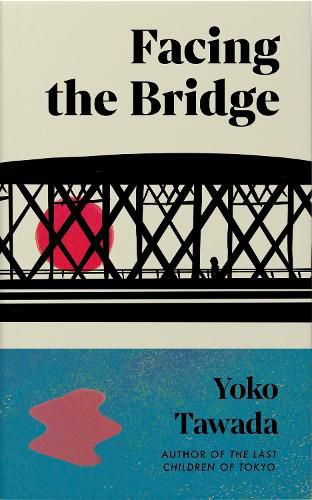
Facing the Bridge
In Facing the Bridge, Yoko Tawada brings together three surreal, interconnected tales that challenge conventional ideas of identity, language, and belonging. Moving between Japan, Germany, Vietnam, and the Canary Islands, these stories follow characters whose lives are shaped by cultural displacement, unexpected encounters, and the strange instability of the world around them.
In one tale, Amo, an African boy kidnapped and brought to Europe, and Tamao, a Japanese exchange student in Germany, inhabit different historical periods yet find themselves pursued by the same mysterious shadow. Another follows Kazuko, a young Japanese woman whose journey to Vietnam begins with a mysterious postcard and develops into an unsettling exploration of identity. In the third, an unnamed translator retreats to the Canary Islands, where her attempt to interpret a text becomes entangled with banana groves, literary references, and strange encounters.
With dreamlike logic, playful language, and unexpected transformations, Tawada blurs the boundaries between cultures, histories, and realities. The collection explores what happens when familiar categories of nationality, language, and selfhood begin to dissolve. Rather than presenting identity as something fixed, these stories suggest that it is continually reshaped through encounters with other people, places, and languages.
Japan
2007
4

I Don't Care
First published in 2005 as C’est égal, I Don’t Care is a collection of short stories by Hungarian-born writer Ágota Kristóf, known for her stark prose and unsettling portrayals of human existence. The stories range from surreal parables to brief, brutally realistic glimpses into ordinary lives marked by loneliness, cruelty, and quiet desperation. Characters struggle with family relationships, alienation, death, and the impossibility of finding a place where they truly belong. Some stories unfold like disturbing fairy tales, while others capture the bleak absurdity of everyday encounters. Beneath their apparent simplicity, Kristóf’s narratives reveal the fragility of human connection and the emotional consequences of displacement. Written with extraordinary economy, the collection leaves much unsaid, allowing silences and omissions to become as meaningful as the words themselves. I Don’t Care offers a haunting portrait of people caught between the desire to escape their circumstances and the inability to find refuge elsewhere. Exile, both physical and emotional, runs throughout the collection, reflecting the author’s own experience of leaving her homeland and building a life in another language.
Hungary
2005
5
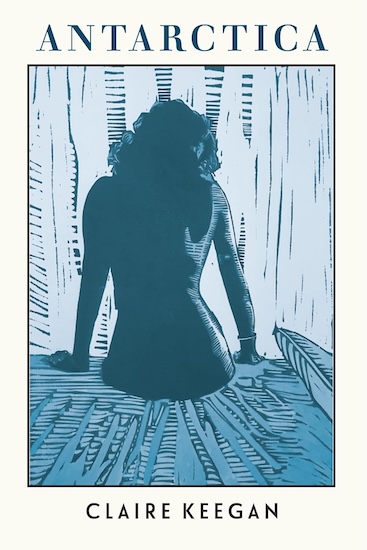
Antarctica
In her debut short-story collection, Claire Keegan examines the fragile boundaries between desire, loyalty, and betrayal. The opening story follows a married woman who travels away from home to discover what it might feel like to sleep with another man. Other stories introduce characters whose lives are unsettled by obsession, revenge, loneliness, and the sudden return of people from their past. A missing child, a long-awaited meeting between former lovers, and the uneasy dynamics within families reveal how quickly familiar worlds can become strange.
Moving between Ireland and the United States, these stories capture people at moments when their private desires collide with the expectations of others. Keegan writes with striking precision, balancing compassion with an unsparing eye for human weakness. Her characters are neither entirely innocent nor entirely cruel; instead, they inhabit the complicated territory between longing and consequence. Antarctica announced Keegan as a distinctive literary voice, exploring the unsettling truth that even ordinary lives can conceal extraordinary emotional danger.
Ireland
1999
6
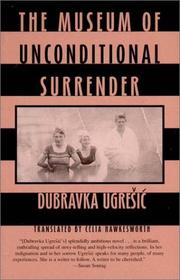
The Museum of Unconditional Surrender
The Museum of Unconditional Surrender explores exile, memory, and the fragmented experience of living after the breakup of Yugoslavia. Its unnamed narrator, a writer living in Berlin, moves through a world of photographs, objects, recollections, and encounters that evoke a lost homeland. Ordinary details—a family photograph, a recipe, a personal possession—become fragments through which she attempts to reconstruct a life disrupted by political upheaval and displacement. Rather than following a conventional plot, the novel unfolds as a series of reflections that mirror the instability of memory itself. Ugrešić examines how exile transforms a person’s relationship with language, history, and belonging, particularly when the country that once provided a sense of identity no longer exists in the same form. The novel portrays the difficulty of preserving a coherent self when personal memories are inseparable from a fractured collective past.
Croatia
1996
7
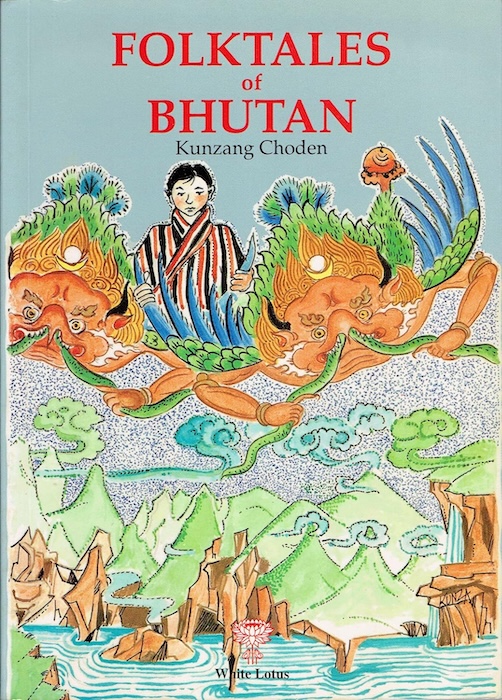
Folktales of Bhutan
Folktales of Bhutan is a collection of 38 traditional tales and legends gathered from Bhutan’s rich oral storytelling heritage. Drawing on stories she heard as a child growing up in Bumthang, central Bhutan, Kunzang Choden preserves narratives passed down through generations, offering readers a glimpse into the country’s cultural beliefs, values, and imagination.
The collection features a diverse range of stories involving animals, spirits, ghosts, demons, legendary figures, and the unseen forces believed to inhabit the natural world. Shaped by Buddhist beliefs, ideas about karma and rebirth, and Bhutan’s close relationship with its mountainous environment, these tales reflect how communities have understood life’s mysteries and their place in the world.
Illustrated by Bhutanese artists, the book combines traditional storytelling with distinctive visual interpretations inspired by Bhutanese and Buddhist art. Beyond entertaining readers, it serves as an important record of a cultural heritage that Choden sought to preserve as Bhutan underwent social change and modernisation.
Bhutan
1994
8
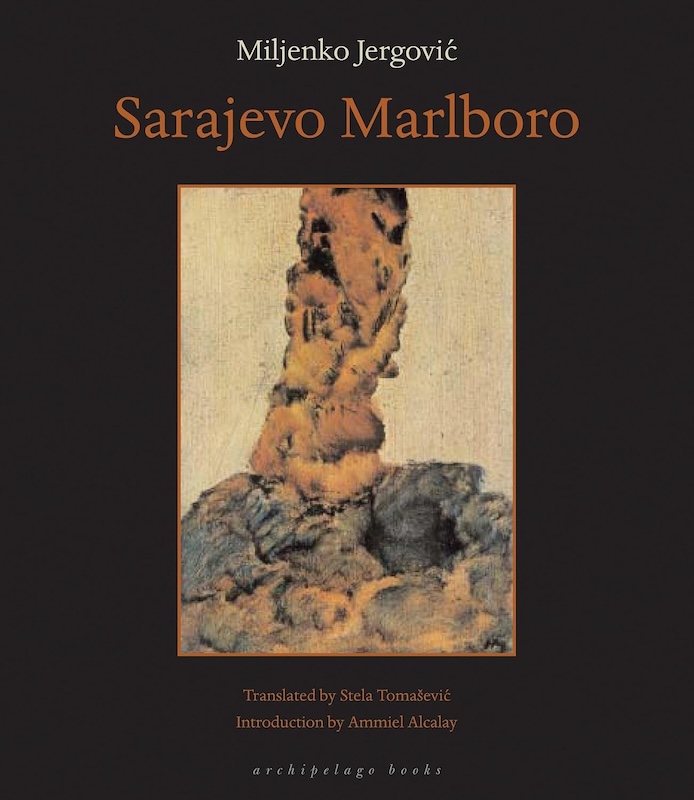
Sarajevo Marlboro
Sarajevo Marlboro is a collection of short stories set during the Bosnian War, portraying the lives of ordinary people caught in the siege of Sarajevo. Rather than focusing on battles or political leaders, Miljenko Jergović turns his attention to the everyday experiences of civilians as familiar routines collapse under the pressure of violence, fear, and uncertainty.
Through intimate portraits of neighbours, families, friends, and strangers, the stories reveal how war transforms relationships, reshapes identities, and exposes both the cruelty and compassion of human nature. Small, seemingly insignificant details—a household object, a remembered conversation, or a fleeting act of kindness—become powerful symbols of a world that is disappearing. Written with restraint, dark humour, and deep humanity, the collection offers a fragmented yet deeply personal portrait of Sarajevo and the lasting emotional consequences of conflict.
Bosnia and Herzegovina
1994
9
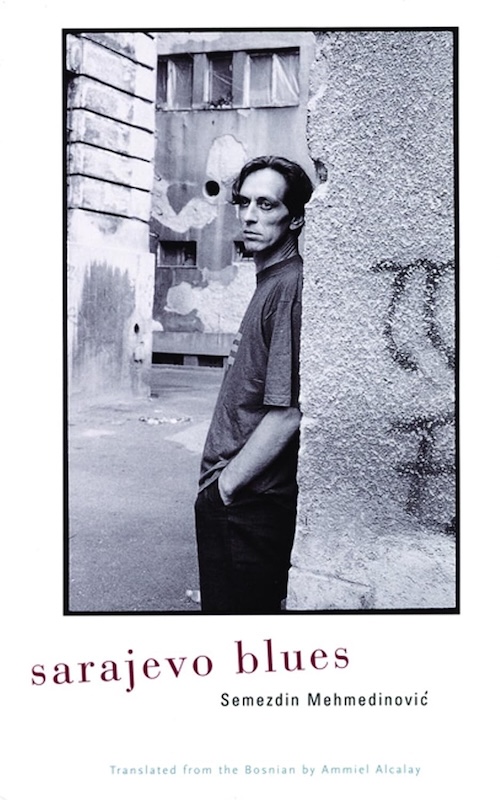
Sarajevo Blues
Sarajevo Blues is a collection of prose poems, fragments, and brief reflections written during the siege of Sarajevo in the Bosnian War. Combining personal observation with documentary detail, Semezdin Mehmedinović captures the daily reality of living in a city under bombardment, where ordinary activities become acts of survival and the boundaries between private life and public catastrophe begin to dissolve.
Rather than presenting a conventional narrative, the book offers an intimate, fragmented account of war through images of empty streets, sudden violence, disrupted routines, and the emotional strain of uncertainty. Mehmedinović’s restrained, lyrical writing resists grand explanations, focusing instead on the human cost of conflict and the persistence of memory. Both a literary response to historical tragedy and a meditation on displacement, fear, and endurance, Sarajevo Blues gives voice to the experience of civilians whose lives are transformed by war.
Bosnia and Herzegovina
1992
10
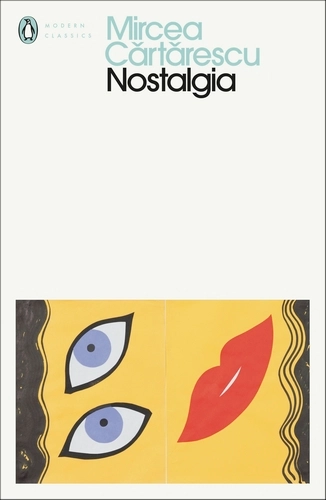
Nostalgia
First published in 1989, Nostalgia is a collection of five interconnected stories by Romanian writer Mircea Cărtărescu that blur the boundaries between childhood memories, dreams, and reality. Set primarily in Bucharest, the book transforms familiar urban landscapes into mysterious, surreal worlds where ordinary experiences acquire an almost mythical significance. In The Roulette Player, a man becomes obsessed with a dangerous game of chance; in The Architect, a young man encounters an extraordinary figure whose existence challenges conventional understanding of reality. Other stories explore childhood friendships, adolescent desires, and the strange emotional intensity of growing up. Throughout the collection, Cărtărescu combines magical realism, psychological exploration, and elaborate, dreamlike imagery to examine how memory reshapes the past. Bucharest becomes more than a setting: it is a labyrinth of hidden worlds, secret passages, and impossible experiences that reflect the inner lives of its inhabitants. Both unsettling and hypnotic, Nostalgia explores the fragile boundary between imagination and reality, suggesting that the past never disappears completely but survives in the mysterious landscapes of memory and desire.
Romania
1989
11
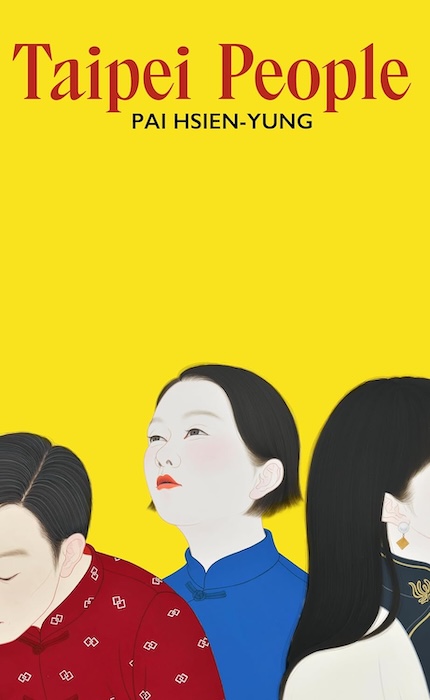
Taipei People
Taipei People is a collection of fourteen short stories portraying the lives of people who fled mainland China for Taiwan following the Chinese Civil War in 1949. Set primarily in Taipei, the stories follow former aristocrats, military officers, performers, and other displaced individuals as they struggle to adapt to a new society while remaining emotionally attached to the world they left behind.
Through characters haunted by memories of lost homes, vanished social positions, and past relationships, Pai Hsien-yung explores the experience of exile and the passage of time. Formerly celebrated figures confront aging and declining fortunes, while younger characters inherit the emotional burdens of a history they barely understand. Their private struggles reflect the wider transformations of Chinese society during the twentieth century.
Combining psychological depth with elegant, modernist storytelling, the collection examines nostalgia, displacement, loneliness, and the impossibility of returning to the past. Taipei becomes both a refuge and a place of alienation, inhabited by people who are physically present but remain inwardly connected to another time and place. Widely regarded as a classic of Taiwanese literature, Taipei People offers a moving portrait of lives shaped by historical upheaval and the enduring longing for home.
Taiwan
1982
12
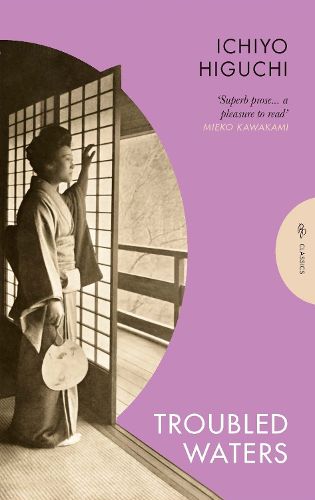
Troubled Waters
Set in the pleasure district of Meiji-era Japan, Troubled Waters (Nigorie) portrays the troubled life of Oriki, a popular courtesan at the Kikunoi establishment. Beautiful and admired by her customers, Oriki conceals a deep unhappiness rooted in poverty, social exclusion, and the limited choices available to women in her position. Her past is intertwined with Genshichi, a former customer whose obsessive devotion to her has cost him his business and left his wife and child in desperate circumstances. Although Oriki has begun seeing another wealthy patron, she remains haunted by the consequences of her earlier relationship.
Through fragmented conversations and shifting perspectives, Higuchi gradually reveals the emotional burdens carried by Oriki and those around her. The story examines the destructive effects of poverty, the unequal power dynamics between men and women, and the social structures that trap individuals in seemingly inescapable circumstances. With psychological subtlety and compassion, Higuchi gives voice to people marginalized by respectable society. Troubled Waters remains a powerful portrait of female vulnerability and the human cost of a world in which economic hardship and social expectations constrain personal freedom.
Publication note: The original Japanese story, Nigorie, appeared in 1895. English translations have been published under several titles, including Muddy Bay (1958) and Troubled Waters (1981). A new translation by Bryan Karetnyk is included in a 2026 collection of Higuchi’s stories published by Pushkin Press.
Japan
1981