Short Stories
All countries
Argentina
Armenia
Austria
Benin
Bhutan
Bosnia and Herzegovina
Bulgaria
Croatia
Denmark
Ethiopia
Finland
Hungary
Iceland
India
Ireland
Jamaica
Japan
Jordan
Kazakhstan
Kenya
Kuwait
Nigeria
Norway
Pakistan
Palestine
Romania
Rwanda
Singapore
Taiwan
Türkiye
Turkmenistan
Uganda
Ukraine
United Kingdom
United States
1
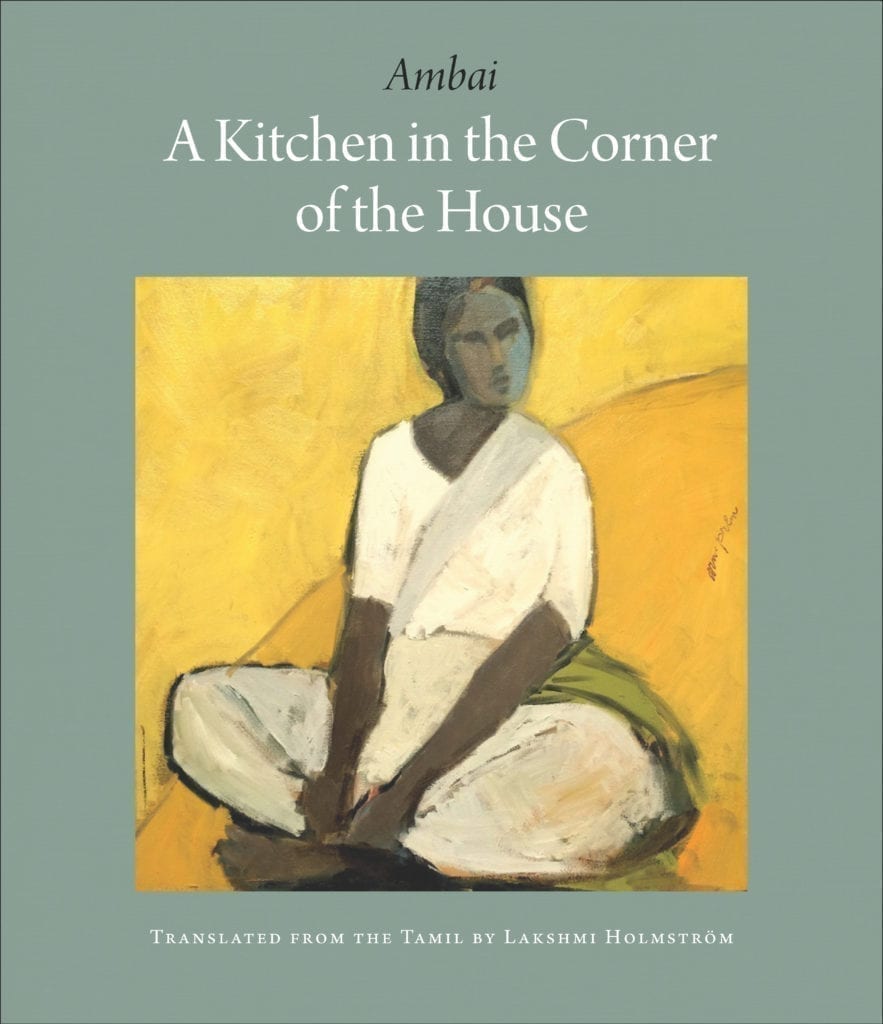
A Kitchen in the Corner of the House
In this rich collection of short stories, Ambai explores the lives of women navigating the competing demands of family, tradition, love, and personal freedom in India. Moving between domestic spaces and wider social worlds, her characters include wives questioning their marriages, mothers negotiating the bonds between generations, and women discovering possibilities beyond the roles society has assigned them. The kitchen in the title story becomes a powerful symbol of women’s lives: a space associated with domestic labour and confinement, yet also one where women exercise influence, preserve traditions, and create their own forms of power. Through fragmented narratives, letters, memories, and mythological references, Ambai captures the contradictions of womanhood with warmth, humour, and quiet rebellion. Her stories challenge the assumption that liberation must mean rejecting one’s roots, instead revealing how women can reshape their worlds while remaining connected to their histories, relationships, and cultural identities.
India
2019
2
Heads of the Colored People
In Heads of the Colored People, Nafissa Thompson-Spires explores race, identity, and belonging in contemporary Black America. Through interconnected stories, she examines the complexities of social expectations, cultural stereotypes, and the pressures of navigating identity in a society shaped by racial inequality.
United States
2019
3
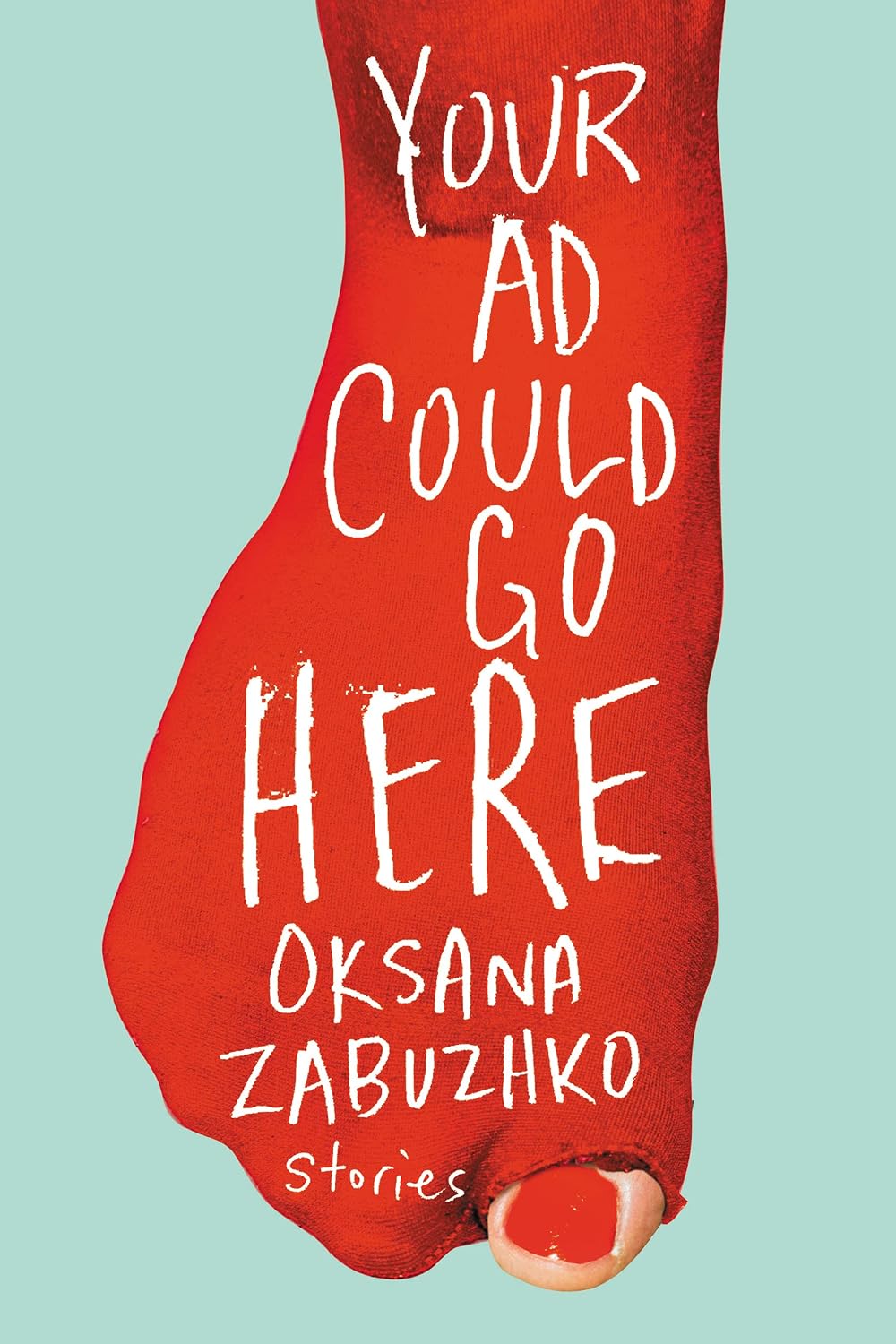
Your Ad Could Go Here: Stories
In Your Ad Could Go Here: Stories, Ukrainian writer Oksana Zabuzhko brings together a collection of fiction exploring the intimate connections between personal experience, collective memory, and national identity. Originally published in Ukrainian in 2014, the collection moves between the political upheavals of independent Ukraine and the seemingly ordinary dramas of everyday life, revealing how history shapes even the most private moments.
Through stories involving the Orange Revolution, family rivalries, romantic encounters, and unexpected personal triumphs, Zabuzhko examines the stories people tell themselves to make sense of their lives. Her characters navigate the complicated relationship between truth and illusion, individual desires and collective expectations, and the past and present. Myth, folklore, and fairy-tale elements frequently enter these recognisable settings, unsettling the boundary between what is real and what is imagined.
Lyrical, intellectually playful, and sharply observant, the collection explores how personal narratives become intertwined with cultural memory. Zabuzhko asks how individuals and nations construct their identities—and what happens when the stories that sustain them begin to unravel.
Ukraine
2020
4
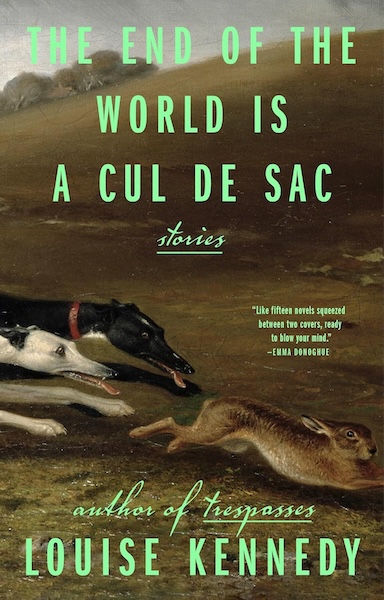
The End of the World Is a Cul de Sac
In this striking collection of fifteen short stories, ordinary lives unravel in unexpected ways. A newly married woman finds herself abandoned in a half-finished housing estate; a mother grows increasingly suspicious of her husband’s relationship with a teenage girl; a woman struggles with guilt after an abortion threatens her marriage. Across these stories, Louise Kennedy’s characters confront betrayal, poverty, violence, loneliness, and the quiet desperation of lives that have not turned out as planned.
Set against the landscapes and social realities of Ireland, the collection reveals how private struggles are shaped by wider forces, from the legacy of the Troubles to restrictive expectations placed on women. Kennedy balances bleak humour with moments of tenderness and beauty, finding humanity in characters who are often flawed, trapped, or complicit in their own unhappiness. The End of the World Is a Cul de Sac is an unflinching portrait of people at breaking points, exploring how cruelty and vulnerability coexist—and how unexpected glimpses of hope can emerge from the most difficult circumstances.
United Kingdom
2021
5
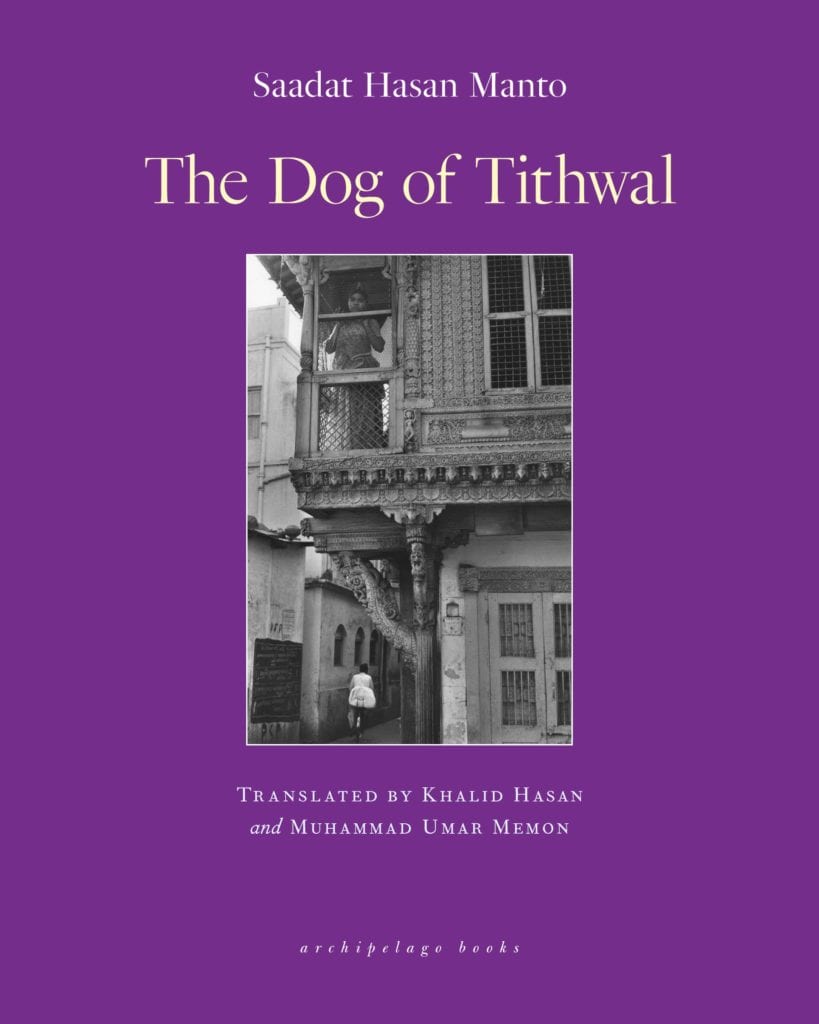
The Dog of Tithwal
On the mountainous border between India and Pakistan, two groups of soldiers face each other in a tense military standoff. Their routine is interrupted by the arrival of a stray dog, an innocent creature that wanders between the opposing camps. The soldiers begin to claim the dog as their own, giving it names and interpreting its movements as signs of loyalty or betrayal. What begins as a seemingly harmless game gradually turns sinister, exposing the absurdity of nationalism and the cruelty of a conflict in which even an animal cannot remain neutral. With biting irony and devastating simplicity, Saadat Hasan Manto transforms this brief encounter into a powerful allegory of Partition and the violence produced by artificial divisions. The story asks what happens to humanity when political identity becomes more important than compassion—and when the innocent are made to pay for the hostility of others.
Pakistan
2021
6
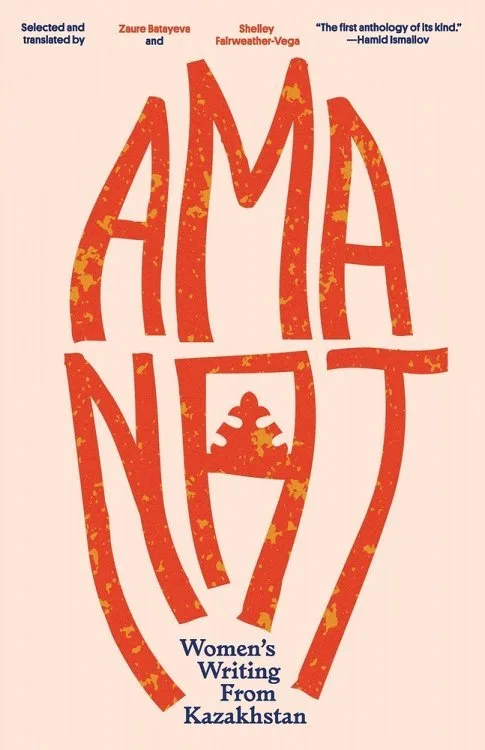
Amanat: Women’s Writing from Kazakhstan
Amanat: Women’s Writing from Kazakhstan is a landmark anthology bringing together 24 short stories and essays by 13 women writers from three generations of Kazakhstani life. Translated from Kazakh and Russian into English, the collection offers an intimate portrait of a country negotiating the complicated legacies of Soviet rule, independence, and rapid social change. Its stories move between rural villages and urban landscapes, family homes and public spaces, exploring the lives of women whose experiences have often remained outside international literary conversations. Some pieces revisit the trauma of Stalinist repression, famine, and political protest, while others examine marriage, motherhood, loneliness, generational conflict, and the uncertainties of contemporary life. Together, the writers reveal a society shaped by competing cultural influences and evolving ideas about identity and belonging. The title, Amanat, evokes a trust, promise, or precious legacy entrusted to another for safekeeping. True to this meaning, the anthology preserves and shares the voices of Kazakhstani women, creating a literary bridge between generations, languages, and cultures.
Kazakhstan
2022
7
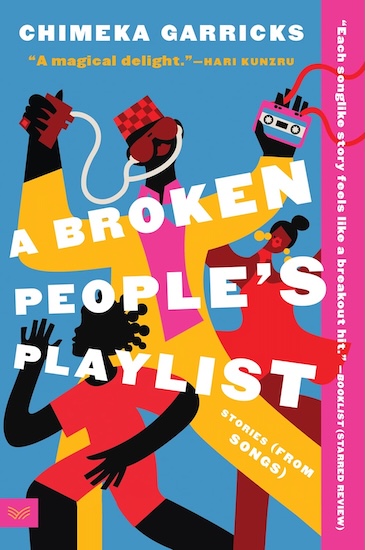
A Broken People's Playlist
Set primarily in Port Harcourt, Nigeria, A Broken People’s Playlist is a collection of twelve interconnected short stories about love, loss, family, betrayal, and the possibility of redemption. Each story takes its title from a song, using music as an emotional thread that connects the characters and their experiences. Together, the stories form a portrait of a city and its people, revealing the beauty and brokenness of everyday life.
The collection introduces a diverse cast of characters navigating personal crises and complicated relationships. A teenage boy dreams of becoming a DJ while his family falls apart, only to reappear years later as a troubled middle-aged man. Elsewhere, a dying man attempts to organise his own funeral while he is still alive, and a husband struggles to cope with the aftermath of his wife’s miscarriage. Other stories explore infidelity, friendship, grief, and the consequences of choices that cannot easily be undone.
Through its music-inspired structure and interconnected narratives, the collection explores how people endure heartbreak, make mistakes, and search for meaning amid life’s disappointments. It is ultimately a reflection on human imperfection and the possibility of finding connection and hope even when life feels irreparably broken.
Nigeria
2023
8
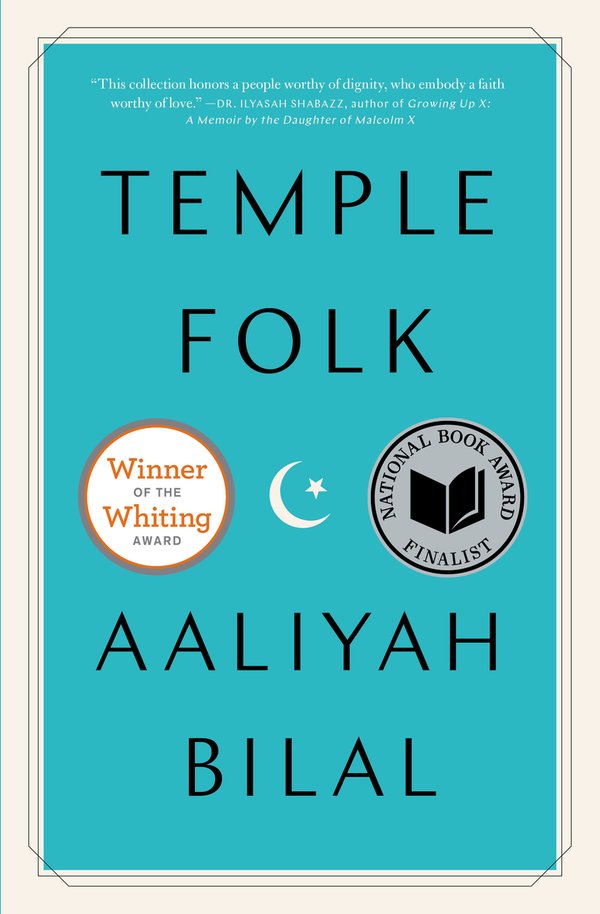
Temple Folk
Across generations of Black Muslim life in America, ten interconnected worlds of faith, family, and belonging unfold. A daughter haunted by her father’s ghost struggles to reconcile his legacy with the truth; a mother caring for her disabled son revisits a life-altering experience; and a federal agent spying on a prominent member of the Nation of Islam confronts the contradictions of his own life. Set against the complex social and spiritual landscape of Black Muslim communities, these stories explore the tension between religious conviction and human imperfection, tradition and independence, and the desire to belong and the need to question. With compassion, subtle humour, and remarkable insight, Temple Folk offers an intimate portrait of people navigating the distance between who they believe they should be and who they really are.
United States
2023
9
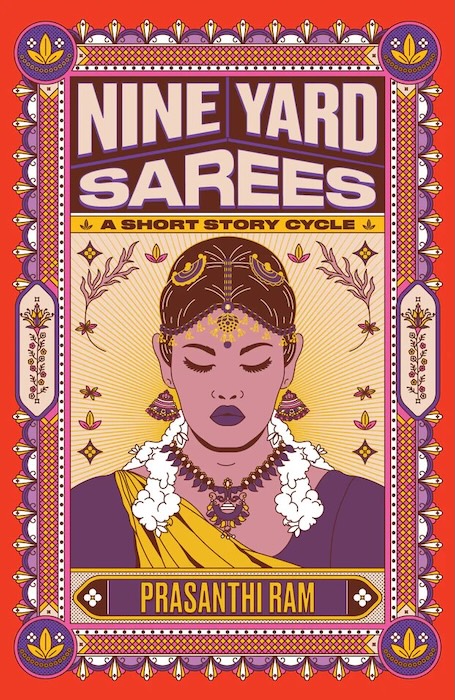
Nine Yard Sarees
Nine Yard Sarees is a collection of eleven interconnected stories following nine women across three generations of the Srinivasan family, a Tamil Brahmin family whose history stretches from India to Singapore, Australia, and the United States. Spanning nearly seven decades, from 1950 to 2019, the stories explore how migration, tradition, and changing social expectations shape women’s lives.
At the heart of the collection are women negotiating the demands of family and community while trying to define themselves on their own terms. Raji, the family matriarch, struggles with life away from her homeland, while her daughter Padma attempts to raise her children according to traditional values. In the younger generation, Keerthana approaches marriage and the prospect of wearing the nine-yard saree, a garment symbolizing womanhood and cultural heritage.
Through stories of love, grief, prejudice, and personal transformation, Ram examines the tensions between tradition and independence. She addresses patriarchy, caste discrimination, sexuality, and the complexities of belonging in the diaspora. Moving between generations and continents, the collection celebrates women’s resilience and solidarity while revealing the emotional costs of preserving cultural identity in a changing world. The book won the 2024 Singapore Literature Prize for English Fiction.
Singapore
2023
10
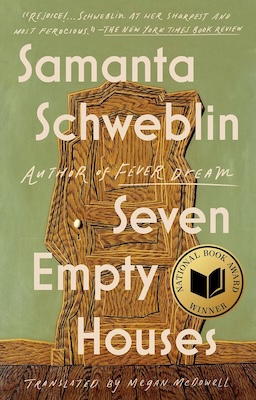
Seven Empty Houses
The seven houses in these seven stories are strange. A person is missing, or a truth, or memory; some rooms are enticing, some unmoored, others empty. But in Samanta Schweblin's tense, visionary tales, something always creeps back inside: a ghost, a fight, trespassers, a list of things to do before you die, a child's first encounter with darkness or the fallibility of parents.
In each story, twists and turns will unnerve and surprise: Schweblin never takes the expected path and instead digs under the skin, revealing surreal truths about our sense of home, of belonging, and of the fragility of our connections with others. This is a masterwork from one of our most brilliant modern writers.
Argentina
2023
11
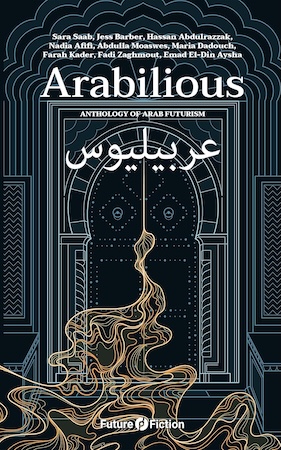
Arabilious: Anthology of Arab Futurism
Arabilious: Anthology of Arab Futurism brings together nine science-fiction stories imagining alternative futures shaped by the cultures, histories, and social realities of the Arab world. Featuring writers from Bahrain, Egypt, Iraq, Jordan, Lebanon, Palestine, and Syria, the collection challenges the dominance of Western perspectives in speculative fiction and presents visions of the future rooted in Arab experiences.
The stories explore the consequences of emerging technologies, environmental crises, political conflict, and social inequality. Rather than imagining progress as a simple escape from the past, the contributors examine how traditions, collective identities, and historical memories continue to shape societies undergoing rapid change. The anthology includes Fadi Zaghmout’s A Jaha in the Metaverse, which reimagines the traditional Jordanian marriage-custom ceremony within a virtual world, using satire to question the persistence of patriarchal practices in an increasingly technological society.
Together, these stories expand the possibilities of Arab science fiction, offering imaginative alternatives to the present while questioning who gets to envision the future. The collection combines speculative experimentation with cultural specificity, social criticism, and reflections on the legacy of colonialism.
Jordan
2024
12
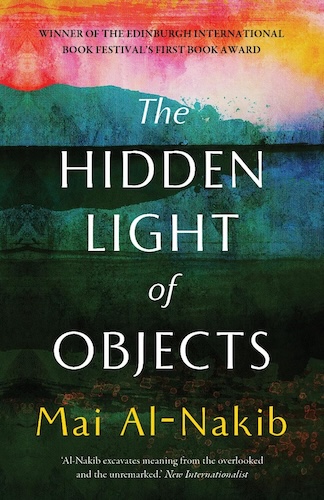
The Hidden Light of Objects
An ordinary object can hold an extraordinary past. In this award-winning collection of interconnected stories, Mai Al-Nakib illuminates the private lives of people across the Middle East, where personal memories intertwine with war, political upheaval, and shifting cultural identities. A young girl bears the name Amerika in a country growing increasingly hostile toward the West; a Palestinian teenager is drawn into a disastrous act of violence; and a Kuwaiti woman returns to her family after years of captivity in Iraq. Beneath the headlines, Al-Nakib finds the intimate moments that define us: love, betrayal, forgiveness, and the fragile hope of beginning again.
Kuwait
2025