Non-Fiction
All countries
Albania
Algeria
Belarus
Bhutan
Bosnia and Herzegovina
Botswana
Burkina Faso
Cambodia
China
Congo, Democratic Republic
Cuba
Cyprus
Egypt
France
Ghana
India
Iran
Ireland
Jamaica
Japan
Pakistan
Palestine
Russia
Taiwan
Tanzania
Türkiye
Turkmenistan
Ukraine
United Kingdom
United States
Yemen
Zambia
1
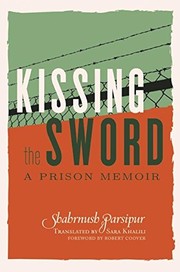
Kissing the Sword: A Prison Memoir
In Kissing the Sword, Iranian writer Shahrnush Parsipur recounts her experiences as a political prisoner in post-revolutionary Iran. Following the 1979 Iranian Revolution, the new authorities began detaining people associated with opposing political views. Parsipur herself was imprisoned without formal charges, experiencing the fear, uncertainty, and psychological strain of incarceration.
Through vivid personal recollections, she describes life inside Iranian prisons, including encounters with fellow prisoners, interrogations, ideological disputes, and the harsh treatment of detainees. Her memoir also explores the restrictions imposed on women, particularly debates surrounding religious authority, dress, and individual autonomy.
Combining painful memories with moments of dark humour and reflection, Parsipur examines the relationship between political power and personal freedom. The book is both a record of her own experiences and a broader meditation on censorship, resistance, and the resilience required to preserve one’s voice under repression.
Iran
2013
2
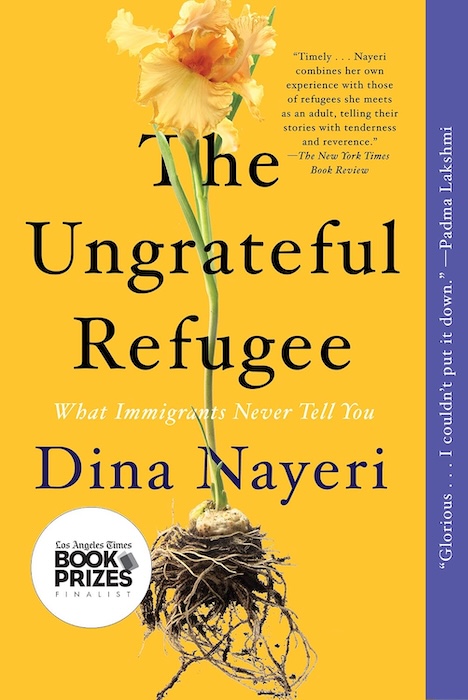
The Ungrateful Refugee
In The Ungrateful Refugee, Iranian-born writer Dina Nayeri combines her own story of displacement with the experiences of refugees and asylum seekers navigating unfamiliar countries and complicated immigration systems. At the age of eight, Nayeri fled Iran with her mother and brother after her mother converted to Christianity and faced persecution. The family spent time in a refugee camp in Italy before eventually receiving asylum in the United States.
Drawing on these experiences, Nayeri examines the emotional and psychological costs of leaving one’s homeland, rebuilding a life, and trying to belong in a new society. She also shares the stories of other displaced people, revealing the difficult choices they face when seeking protection and the pressure to prove that their suffering is genuine.
At the heart of the book is a challenge to the expectation that refugees must demonstrate constant gratitude to the countries that accept them. Nayeri questions the idea of the “good refugee” who assimilates without complaint, arguing that displaced people should not have to erase their identities or experiences to deserve safety and dignity.
Iran
2019