Non-Fiction
All countries
Albania
Algeria
Belarus
Bhutan
Bosnia and Herzegovina
Botswana
Burkina Faso
Cambodia
China
Congo, Democratic Republic
Cuba
Cyprus
Egypt
France
Ghana
India
Iran
Ireland
Jamaica
Japan
Pakistan
Palestine
Russia
Taiwan
Tanzania
Türkiye
Turkmenistan
Ukraine
United Kingdom
United States
Yemen
Zambia
1
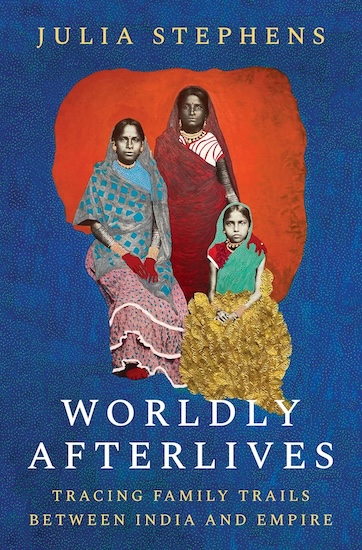
Worldly Afterlives: Tracing Family Trails Between India and Empire
What remains of an empire long after its subjects have scattered across the world? In this illuminating work of historical research, Julia Stephens traces the lives of Indian migrants who travelled across the British Empire, uncovering the intimate stories hidden in colonial records, family photographs, heirlooms, and forgotten archives. From the Indian Ocean to Malaya, Zanzibar, South Africa, and beyond, she follows generations of families whose experiences challenge conventional narratives of migration and belonging. Combining archival discoveries with interviews and contemporary family histories, Stephens reveals how colonialism continues to shape identity, memory, and the ways descendants understand their past. A compelling exploration of the human stories behind empire, Worldly Afterlives reimagines history through the lives of those too often left out of its official records.
India
United Kingdom
2025
2
In Other Words
In Other Words is a memoir about Jhumpa Lahiri’s decision to learn Italian and her determination to express herself through a language that is not her own. Although she grew up speaking English and Bengali, Lahiri develops a deep fascination with Italian and eventually moves to Rome with her family to immerse herself in the language. Written originally in Italian and published with an English translation, the book reflects on the vulnerability, frustration, and freedom involved in learning to communicate in unfamiliar words. Through personal anecdotes, literary reflections, and metaphors, Lahiri compares language learning to migration, describing the experience of becoming an outsider in a place where she longs to belong. The memoir explores creativity, cultural identity, and the relationship between language and selfhood, revealing how adopting a new language can create space for reinvention and a different understanding of oneself.
India
2015
3
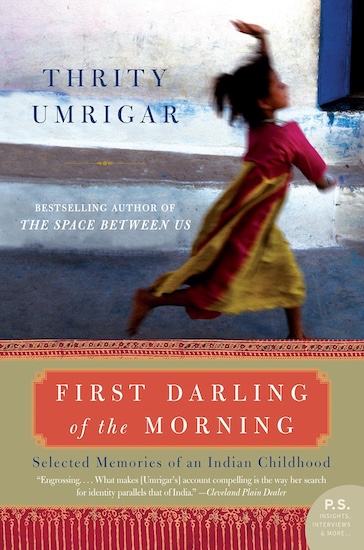
First Darling of the Morning: Selected Memories of an Indian Childhood
Growing up in 1960s and 1970s Bombay, Thrity Umrigar navigates the contradictions of childhood in a middle-class Parsi family. Attending a Catholic school in a predominantly Hindu city, she becomes increasingly aware of the cultural, religious, and economic divisions that shape the world around her. At home, she experiences both the warmth of her father’s affection and the painful consequences of her mother’s harsh discipline. As she grows older, Umrigar begins questioning the expectations imposed on her and confronting the complicated truths of her family. Through intimate memories of childhood, adolescence, and her eventual departure for America at twenty-one, she reflects on identity, belonging, family secrets, and the inequalities of Indian society. First Darling of the Morning is a deeply personal memoir about growing up between cultures and finding the courage to imagine a life beyond the boundaries of one’s upbringing.
India
2004