Non-Fiction
All countries
Albania
Algeria
Belarus
Bhutan
Bosnia and Herzegovina
Botswana
Burkina Faso
Cambodia
China
Congo, Democratic Republic
Cuba
Cyprus
Egypt
France
Ghana
India
Iran
Ireland
Jamaica
Japan
Pakistan
Palestine
Russia
Taiwan
Tanzania
Türkiye
Turkmenistan
Ukraine
United Kingdom
United States
Yemen
Zambia
1
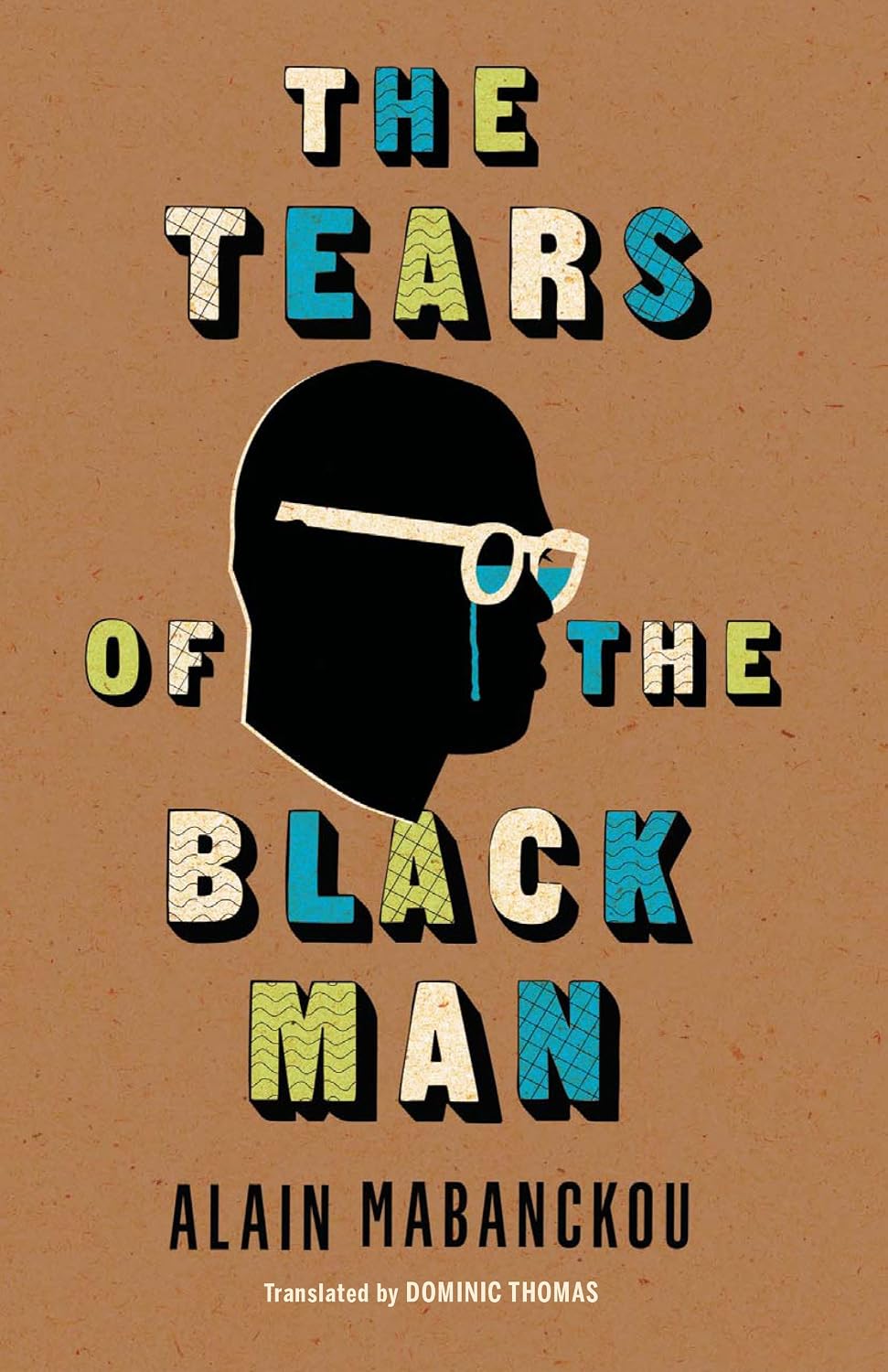
Tears of the Black Man
In Tears of the Black Man, Congolese writer Alain Mabanckou examines the complex relationship between Africa and the West, exploring how colonial history, migration, and racial stereotypes continue to shape perceptions of Black identity. Drawing on personal experiences, literature, and cultural observations, Mabanckou challenges simplified narratives that portray Africans solely as victims of colonialism or racism.
The book reflects on the expectations placed on Black people in Europe, the contradictions within contemporary African societies, and the ways historical grievances can influence individual and collective identities. Mabanckou also questions the tendency to explain present-day difficulties exclusively through the legacy of slavery and colonial rule, encouraging readers to consider the role of personal agency and contemporary political realities.
Blending memoir, cultural criticism, and social commentary, the work offers a provocative reflection on race, belonging, and the ongoing dialogue between Africa and the wider world.
Congo, Democratic Republic
2012
2
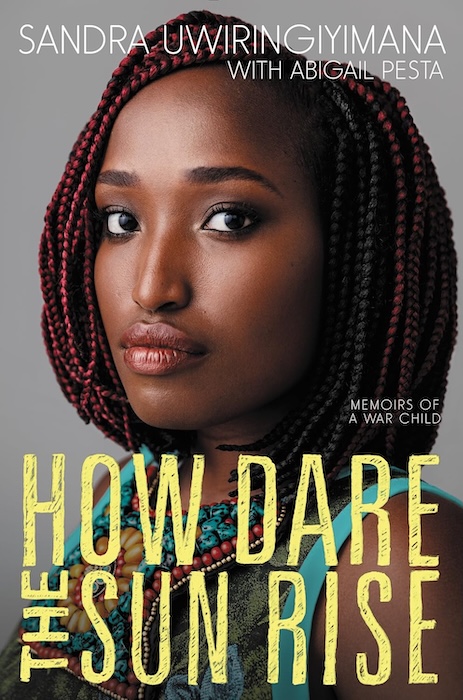
How Dare the Sun Rise
How Dare the Sun Rise is the powerful memoir of Sandra Uwiringiyimana, who recounts her childhood as a member of the Banyamulenge, a persecuted ethnic minority in the Democratic Republic of the Congo. When Sandra was ten years old, her family was living in a refugee camp in Burundi after fleeing violence in their homeland. In 2004, the camp was attacked by armed assailants, and Sandra witnessed the deaths of her mother and six-year-old sister. She narrowly escaped with her own life.
After the massacre, Sandra and her surviving family members eventually resettled in the United States, hoping to find safety and a fresh start. However, adjusting to a new country brought its own challenges, including racism, isolation, and the struggle to find a sense of belonging.
Co-written with journalist Abigail Pesta, this memoir explores trauma, displacement, identity, and resilience. Through her journey from a war-torn childhood to becoming an advocate for refugees and human rights, Sandra reflects on the power of storytelling to confront injustice and reclaim one’s voice.
Congo, Democratic Republic
2017