Memoir
All countries
Afghanistan
Albania
Algeria
Azerbaijan
Bhutan
Bosnia and Herzegovina
Botswana
Cambodia
China
Congo, Democratic Republic
Cuba
Cyprus
Egypt
El Salvador
Finland
France
Germany
Ghana
India
Iran
Ireland
Jamaica
Japan
Libya
Malta
Morocco
Pakistan
Palestine
Russia
Rwanda
Taiwan
Tanzania
Türkiye
United Kingdom
United States
Yemen
Zambia
1
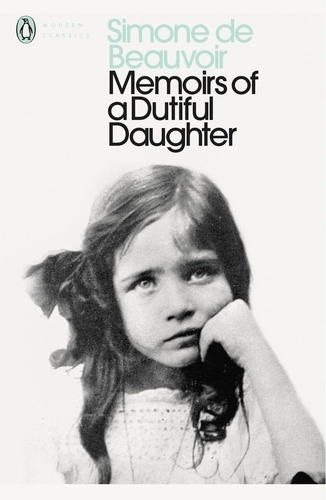
Memoirs of a Dutiful Daughter
Growing up in a respectable Parisian family, Simone de Beauvoir is taught to be a devout Catholic, an obedient daughter, and a woman destined for marriage. But as she discovers philosophy, literature, and the pleasure of independent thought, the beliefs that once defined her world begin to crumble. Questioning religion, challenging social conventions, and resisting her family’s expectations, she gradually realises that intellectual freedom comes at a price. Her journey towards independence is also a story of loneliness, friendship, and the painful discovery that the people we love can become obstacles to our becoming ourselves. Intimate and thought-provoking, this memoir captures the moment a young woman begins to break free from the life society has chosen for her.
France
1958
2
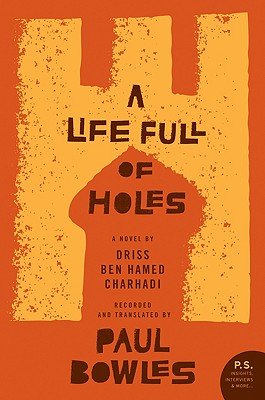
A Life Full of Holes
Set in Morocco during the mid-twentieth century, A Life Full of Holes follows Ahmed, a poor boy growing up in a society marked by poverty, inequality, and the lingering effects of colonialism. After his father disappears from his life and his mother remarries, Ahmed finds himself unwanted in his own home. Forced to fend for himself from an early age, he moves between jobs as a shepherd, labourer, baker’s assistant, and house servant, struggling to secure food, shelter, and a little dignity.
As Ahmed grows older, his experiences expose him to exploitation, police brutality, betrayal, and the harsh realities of life on the margins of Moroccan society. His journey is not a conventional story of triumph over adversity; instead, it presents survival as a daily struggle in a world where opportunities are scarce and power belongs to those who can exploit others.
The book is particularly distinctive because of its origins. Larbi Layachi dictated his life story in Moroccan Arabic to American writer Paul Bowles, who recorded and translated it into English. First published under the pseudonym Driss ben Hamed Charhadi, the narrative blurs the boundaries between autobiography and fiction, offering an intimate perspective on lives rarely represented in Western literature.
Through Ahmed’s experiences, the book explores childhood hardship, social exclusion, and the struggle to preserve one’s humanity in difficult circumstances. Its direct, unembellished storytelling gives readers a vivid portrait of everyday life in Morocco during a period of profound social and historical change.
Morocco
1964
3
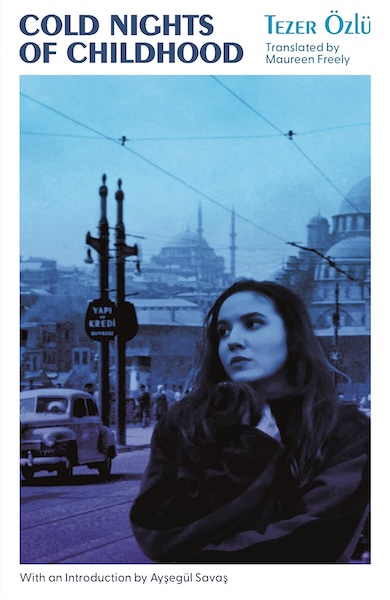
Cold Nights of Childhood
Growing up in 1950s Turkey, a young woman feels increasingly alienated by the conventional world surrounding her. In a society shaped by patriarchal expectations, nationalism, and rigid ideas of respectability, she longs for freedom, sensuality, and a life beyond the boundaries imposed on her. Childhood memories of family life and school follow her into adulthood, becoming inseparable from her search for independence.
As she moves between Istanbul, Berlin, and Paris, she pursues love and escape, yet finds herself struggling with depression and repeated stays in psychiatric institutions. There, she encounters treatments that threaten to suppress the very individuality she is fighting to preserve. Through fragmented memories, intimate reflections, and an unconventional narrative, she confronts the painful distance between the life society expects her to live and the one she desperately wants.
Part autobiographical novel and part intimate psychological portrait, Cold Nights of Childhood is a fearless exploration of female desire, alienation, and resistance. Tezer Özlü transforms personal suffering into a powerful meditation on what it means to remain true to oneself in a world determined to define who one should be.
Türkiye
1980
4
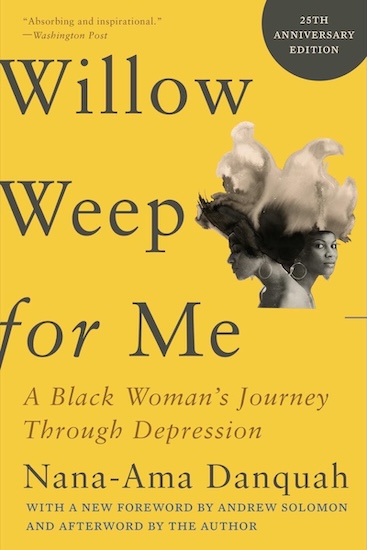
Willow Weep for Me: A Black Woman's Journey Through Depression
At twenty-two, Nana-Ama Danquah becomes a mother while struggling with a depression she cannot bring herself to name. Expected to embody the strength and resilience demanded of Black women, she hides her suffering behind silence until it threatens to overwhelm her life. Through therapy, friendships with other women facing similar struggles, and a painful confrontation with childhood trauma, Danquah begins to understand the roots of her despair. Both deeply personal and culturally revealing, this groundbreaking memoir challenges the stigma surrounding mental illness and questions why some women are expected to care for everyone else while suffering alone.
Ghana
1998
5
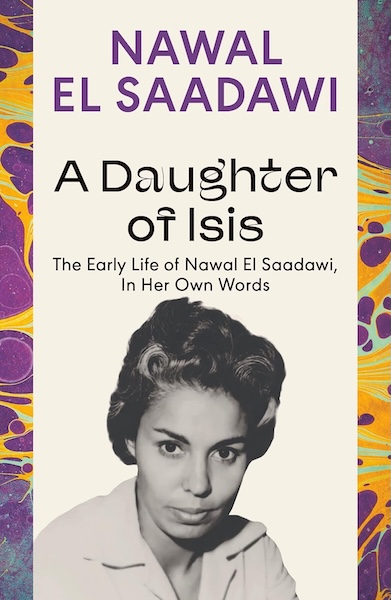
A Daughter of Isis
Long before she became one of the Arab world’s most outspoken feminist voices, Nawal El Saadawi was a young girl growing up in a village beside the Nile, questioning the rules that governed women’s lives.
In A Daughter of Isis, El Saadawi revisits her childhood and early adulthood, tracing the experiences that shaped her determination to challenge injustice. She recalls her family, her education, the restrictions imposed on girls, and her growing awareness of the contradictions between religious teachings, social expectations, and women’s lived realities.
With characteristic candour, she recounts the beginnings of her journey as a physician, writer, and activist, revealing how personal rebellion gradually became a lifelong commitment to equality. Her story is also a portrait of twentieth-century Egypt, where changing political and social landscapes shaped the possibilities available to women.
Intimate, defiant, and deeply reflective, this memoir illuminates the experiences behind El Saadawi’s revolutionary ideas and celebrates the courage required to forge an independent life.
Egypt
1999
6
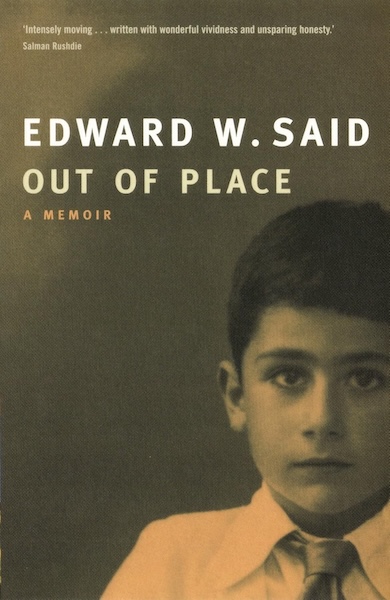
Out Of Place: A Memoir
What does it mean to belong when home is never quite one place?
In Out of Place, Edward W. Said recounts his childhood and early adulthood across Jerusalem, Cairo, and the United States. Born into a Palestinian family in 1935, he grew up moving between cultures, languages, and expectations, often feeling that he did not fully belong anywhere.
With candour and introspection, Said revisits his complicated relationships with his family, his education, and the competing identities that shaped him. His memories reveal the intimate experience behind his later work on exile, culture, and displacement, offering a personal perspective on the historical upheavals of the twentieth century.
More than a conventional autobiography, Out of Place is a meditation on memory and belonging—and on the enduring experience of living between worlds.
Egypt
Palestine
United States
1999
7
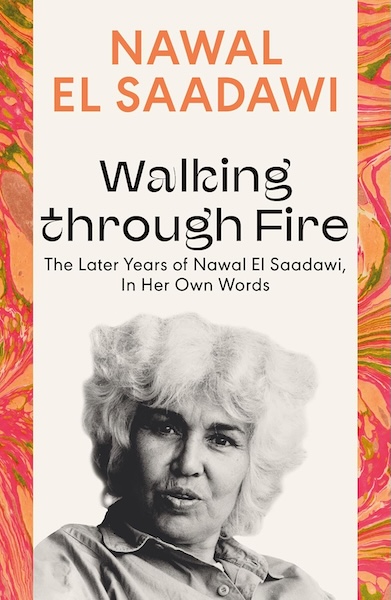
Walking through Fire
For Nawal El Saadawi, speaking openly about women’s oppression came at a personal cost: censorship, imprisonment, threats, and eventually exile. Yet she refused to surrender her voice.
In Walking Through Fire, El Saadawi continues the story of her extraordinary life, recounting her years as a physician, writer, and activist in a society where challenging political and religious authority could be dangerous. She describes her efforts to establish women’s organisations and publish feminist writing, the threats that forced her into exile, and the personal struggles that accompanied her public resistance.
The memoir reveals the woman behind the internationally recognised intellectual: passionate, questioning, and sometimes conflicted, but determined to live according to her convictions. Through recollections of marriage, motherhood, political repression, and the fight for justice, she explores what it means to remain independent in the face of relentless pressure.
A testament to intellectual courage and personal freedom, the book documents a life spent confronting the forces that sought to silence her.
Egypt
2002
8
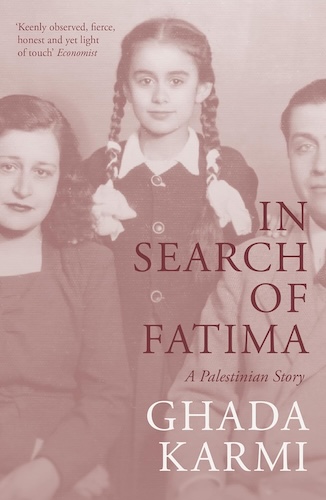
In Search of Fatima
What does it mean to lose your homeland—and spend the rest of your life searching for a place to belong? In this moving memoir, Ghada Karmi recounts her childhood in Jerusalem, her family’s forced displacement during the 1948 Nakba, and their eventual resettlement in England. Growing up between two worlds, she struggles with exile, cultural alienation, and the feeling of being a stranger in a country that is supposed to be home. As she reflects on her childhood and later returns to Palestine, Karmi explores the personal consequences of displacement alongside the political history that shaped her life. Both an intimate family story and a powerful account of Palestinian experience, this memoir examines how the loss of a homeland can shape identity across generations.
Palestine
2002
9
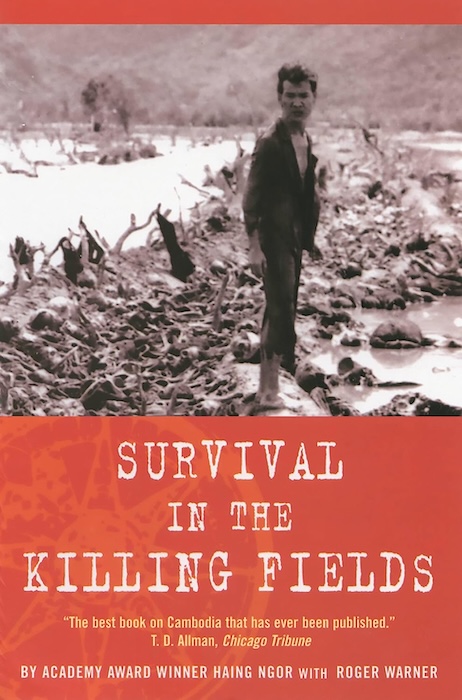
Survival in the Killing Fields
Survival in the Killing Fields is the harrowing memoir of Haing S. Ngor, a Cambodian doctor who survived the brutal rule of the Khmer Rouge between 1975 and 1979. Before the regime took power, Ngor worked as a physician and lived with his wife in Phnom Penh. Under the new government, educated professionals were persecuted, cities were emptied, and millions of Cambodians were forced into labour camps, where starvation, disease, torture, and execution became part of everyday life.
Ngor recounts his experiences of forced labour, imprisonment, and the desperate struggle to stay alive while concealing his medical training. He also describes the devastating loss of his wife and the collapse of the life he had once known. After the Khmer Rouge regime fell, he eventually escaped Cambodia and resettled in the United States.
His memoir offers a firsthand account of one of the darkest periods in Cambodian history. It is both a testimony to the suffering inflicted on ordinary people and a reflection on the resilience required to survive war, persecution, and profound personal loss.
Cambodia
2003
10
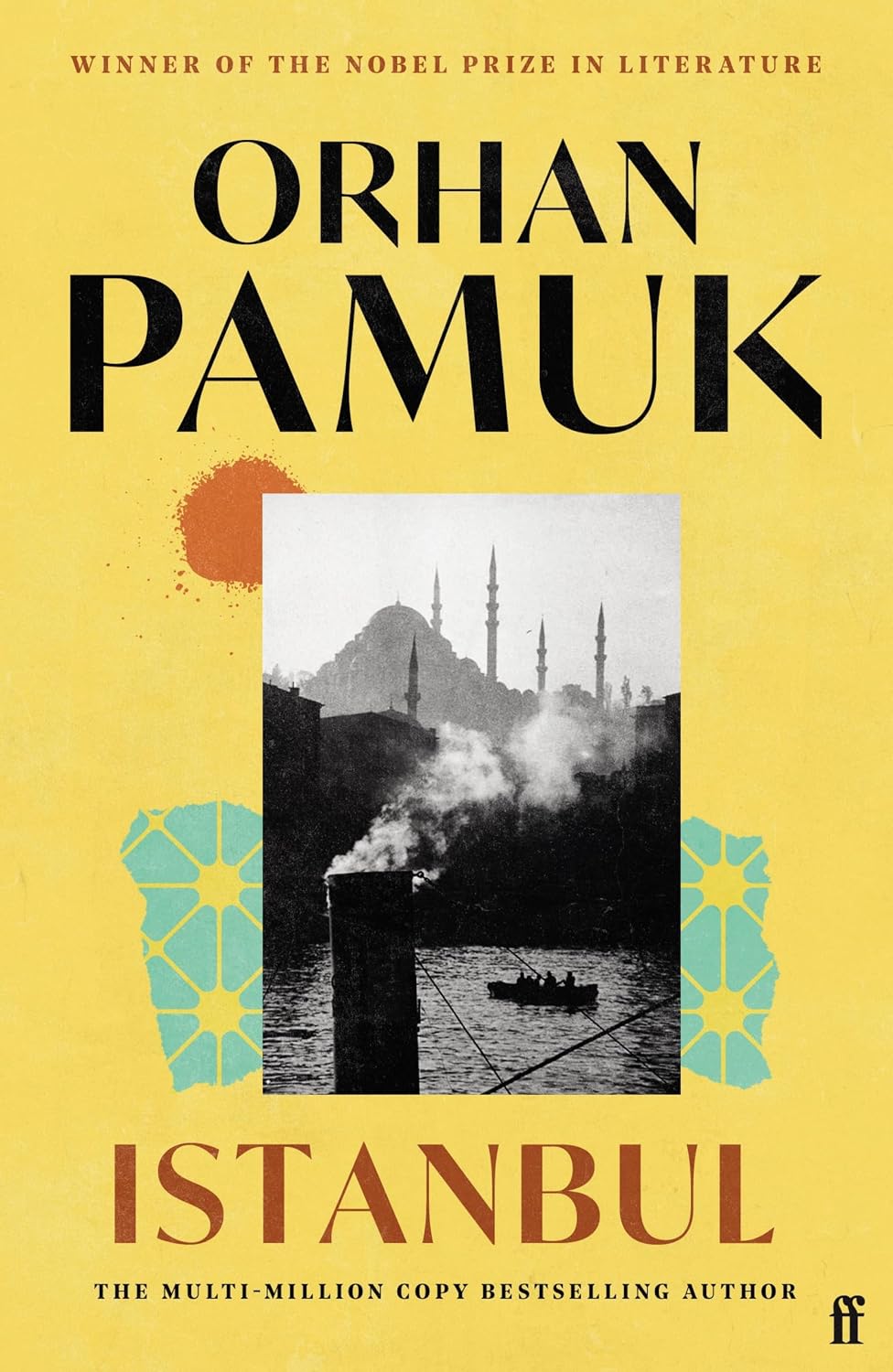
Istanbul: Memories and the City
Istanbul: Memories and the City is a memoir in which Orhan Pamuk reflects on his childhood, his family, and his lifelong relationship with Istanbul. Blending personal recollections with historical observations and literary reflections, he portrays a city shaped by the fading grandeur of the Ottoman Empire and the uncertainties of modernisation. Pamuk describes the melancholy that permeates Istanbul’s streets, abandoned mansions, waterfronts, and neighbourhoods, connecting this atmosphere to the Turkish concept of hüzün, a collective sense of sorrow and loss. His memories of family life, artistic ambition, and the changing urban landscape reveal how individual identity becomes inseparable from the place in which it develops. The book explores belonging, cultural memory, and the relationship between past and present, offering both an intimate portrait of the author and a meditation on a city searching for its place between East and West.
Türkiye
2003
11
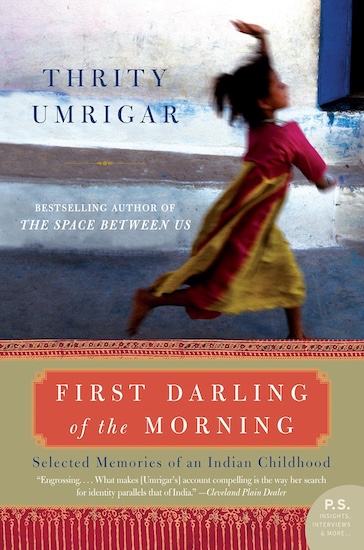
First Darling of the Morning: Selected Memories of an Indian Childhood
Growing up in 1960s and 1970s Bombay, Thrity Umrigar navigates the contradictions of childhood in a middle-class Parsi family. Attending a Catholic school in a predominantly Hindu city, she becomes increasingly aware of the cultural, religious, and economic divisions that shape the world around her. At home, she experiences both the warmth of her father’s affection and the painful consequences of her mother’s harsh discipline. As she grows older, Umrigar begins questioning the expectations imposed on her and confronting the complicated truths of her family. Through intimate memories of childhood, adolescence, and her eventual departure for America at twenty-one, she reflects on identity, belonging, family secrets, and the inequalities of Indian society. First Darling of the Morning is a deeply personal memoir about growing up between cultures and finding the courage to imagine a life beyond the boundaries of one’s upbringing.
India
2004
12
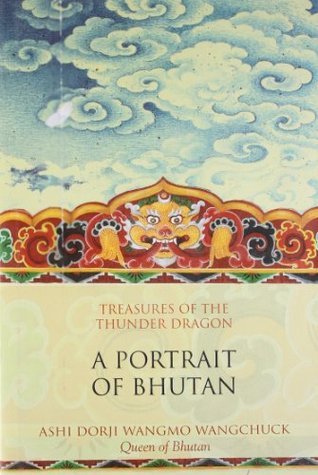
Treasures of the Thunder Dragon
Treasures of the Thunder Dragon: A Portrait of Bhutan offers an intimate portrait of Bhutan, a Himalayan kingdom renowned for its Buddhist traditions, dramatic landscapes, and distinctive cultural heritage. Written by Queen Mother Ashi Dorji Wangmo Wangchuck, the book combines personal memoir, history, folklore, and travel writing to explore the country beyond its familiar image as a remote mountain paradise.
Drawing on her journeys throughout Bhutan, the author introduces readers to isolated villages, sacred monasteries, ancient fortresses, mountain valleys, and communities whose traditions have endured across generations. She also explores Bhutanese customs, religious beliefs, festivals, architecture, and the relationship between people and the natural world.
Enriched with photographs from the royal family’s personal collection and illustrations by Bhutanese artists, the book celebrates the country’s cultural and environmental treasures. It offers a personal perspective on a nation balancing its traditional values with the changes brought by modernisation, inviting readers to discover Bhutan through the eyes of someone deeply connected to its history and people.
Bhutan
2006