Fantasy
All countries
Azerbaijan
Bangladesh
Brunei
China
Congo, Democratic Republic
Côte d’Ivoire (Ivory Coast)
Dominican Republic
Egypt
Estonia
France
Iceland
India
Iran
Iraq
Italy
Japan
Mexico
Nigeria
Pakistan
South Korea
Switzerland
United Kingdom
United States
1
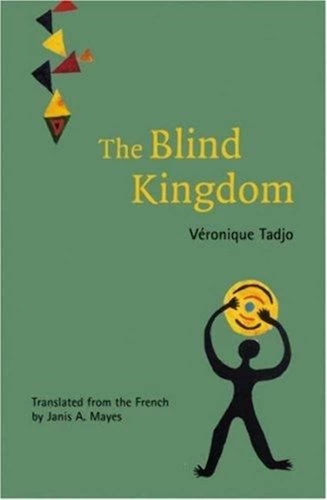
The Blind Kingdom
In The Blind Kingdom, Véronique Tadjo imagines a society thrown into chaos when a devastating natural disaster shakes the land and an epidemic of blindness takes hold. As the kingdom struggles to survive, its people face fear, uncertainty, and the collapse of the structures that once held their world together. Yet the crisis exposes more than physical suffering: it reveals the moral blindness of those in power and the indifference of a ruler who remains detached from the misery of his subjects.
At the centre of the story is a tyrannical king whose obsession with authority prevents him from recognising the suffering around him. His daughter, however, begins to question the kingdom’s injustice and becomes drawn to a man seeking to save the country from oppression. Through this allegorical tale, Tadjo explores dictatorship, social inequality, and the dangers of political leaders who refuse to see the realities faced by ordinary people.
Blending novelistic storytelling with poetic and symbolic elements, Tadjo creates a powerful reflection on a society approaching collapse. Although rooted in the political realities of Côte d’Ivoire and wider African experiences, the novel’s themes of authoritarianism, resistance, and collective responsibility resonate far beyond its setting.
Côte d’Ivoire (Ivory Coast)
1990
2
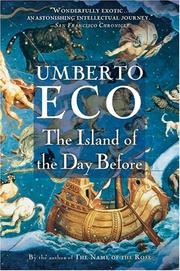
The Island of the Day Before
Set in the seventeenth century, The Island of the Day Before follows Roberto della Griva, an Italian nobleman who survives a shipwreck and finds himself stranded aboard an abandoned vessel in the South Pacific. The ship lies near a beautiful island that he can see but cannot reach, partly because he cannot swim. Alone, Roberto reflects on his childhood, his experiences of war, his education, and his complicated ideas about love and destiny. He becomes increasingly preoccupied with the island’s location on the opposite side of the international date line, imagining that it might hold the secret to travelling into yesterday. Through his reflections and encounters with the history of scientific discovery, Eco explores the relationship between time, knowledge, and human perception. Blending historical fiction, philosophy, and adventure, the novel examines the limits of reason and the ways solitude can transform a person’s understanding of reality.
Italy
1994
3
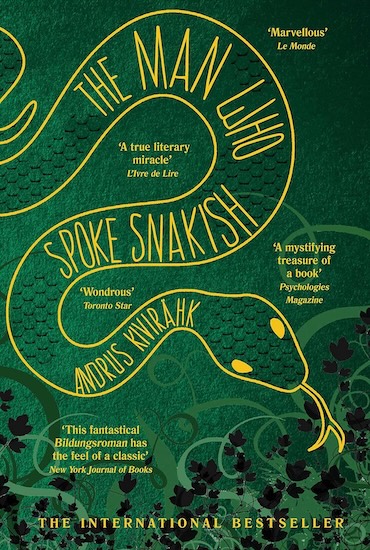
The Man Who Spoke Snakish
Set in a fantastical version of medieval Estonia, The Man Who Spoke Snakish follows Leemet, a boy growing up in the forest among the last people who preserve an ancient way of life. His people speak Snakish, a magical language that allows them to communicate with snakes and command animals. For generations, they have lived in close connection with nature, hunting for food and worshipping their ancestral spirits.
But the forest is gradually emptying. More and more people abandon their traditional lives to settle in villages, embrace Christianity, and adopt the customs introduced by foreign conquerors. As the old language and its knowledge disappear, Leemet finds himself caught between a vanishing world and a new society that regards his people’s traditions as backward and obsolete.
Combining dark humour, folklore, absurdity, and fantasy, Kivirähk creates an allegory about cultural assimilation and the loss of collective identity. The novel explores how conquest transforms not only political structures but also languages, relationships with nature, and people’s understanding of themselves. Through Leemet’s struggle to preserve his heritage, it asks what happens when an entire culture is dismissed as primitive—and whether traditions can survive when even their own people begin to abandon them.
Estonia
2007
4
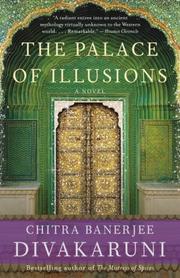
The Palace of Illusions
The Palace of Illusions retells the ancient Indian epic Mahabharata from the perspective of Panchaali, also known as Draupadi, the princess who becomes the wife of the five Pandava brothers. Born from fire and raised amid royal expectations, Panchaali is intelligent, passionate, and determined to influence her own destiny in a world governed by men, duty, and political ambition. As her husbands fight to reclaim their kingdom, she becomes entangled in rivalries, betrayals, and the devastating conflict that eventually leads to war. The novel offers a fresh interpretation of familiar events by foregrounding Panchaali’s inner life, desires, and frustrations. Divakaruni explores gender, power, fate, and the consequences of pride, questioning how women experience and influence histories traditionally told through the deeds of male heroes
India
2008
5
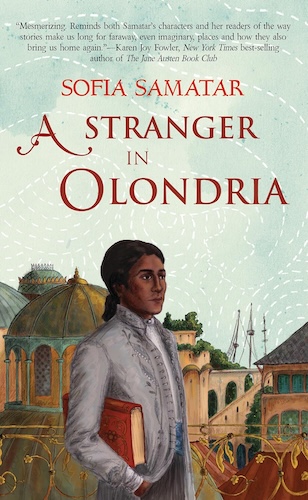
A Stranger in Olondria
Jevick, the son of a pepper merchant, grows up listening to stories about Olondria, a distant land where books are abundant and literacy is prized. When his father dies, Jevick takes over the family’s annual trading journey and finally visits the country he has long imagined. Enchanted by its cities, literature, and elaborate traditions, he feels he has entered a dream. But his happiness is shattered when the ghost of an illiterate young woman begins to haunt him.
Desperate to escape the apparition, Jevick seeks help from Olondria’s religious authorities, only to become entangled in a conflict between rival religious factions. To find freedom, he must uncover the dead woman’s story and confront the boundaries between the living and the dead, belief and knowledge, and personal experience and inherited tradition.
Blending lyrical prose, immersive world-building, and philosophical reflection, Sofia Samatar’s award-winning debut is both an intricate fantasy adventure and a meditation on the transformative power of literature. It explores how stories shape our understanding of other people—and how reading can become an act of wonder, possession, and liberation.
United States
2013
6
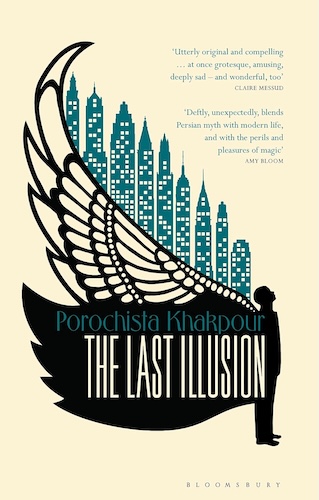
The Last Illusion
Born in a remote Iranian village, Zal spends the first ten years of his life imprisoned in a birdcage, his mother convinced that his unusually pale appearance marks him as a demon. Rescued and brought to New York, he must learn how to live among humans while struggling to understand who he is. Inspired by an ancient Persian myth, this imaginative novel weaves Iranian folklore into contemporary American life, exploring the boundaries between belonging and alienation, myth and reality, and the difficult journey toward selfhood.
Iran
2014
7
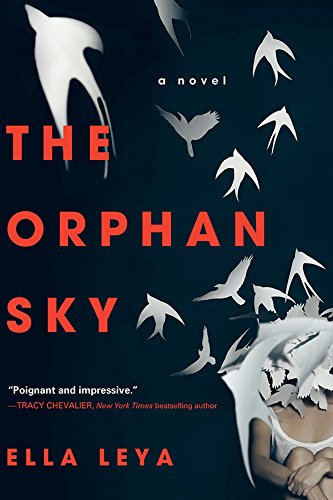
The Orphan Sky
The Orphan Sky follows Leila, a young Azerbaijani woman whose life is shaped by the tensions between personal ambition, family expectations, and the political realities of her country. Growing up in a society where tradition and modernity frequently collide, Leila dreams of a future that allows her to make her own choices. Her experiences reveal the pressures faced by women navigating restrictive social expectations while trying to establish an independent identity. As she confronts difficult relationships and the consequences of decisions made by those around her, Leila must reconsider what freedom and belonging mean to her. Through an intimate portrait of contemporary Azerbaijani life, Leya explores the complexities of cultural identity, the influence of family history, and the struggle to determine one’s own future in a society undergoing profound change.
Azerbaijan
2015
8
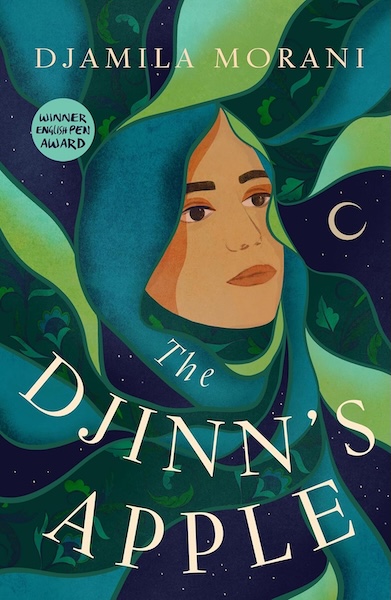
The Djinn's Apple
In the golden age of Baghdad, a young girl must transform her grief into the strength to uncover a deadly secret.
Twelve-year-old Nardeen Baramika dreams of becoming a doctor, an extraordinary ambition for a girl living in the Abbasid Caliphate. But when armed men storm her family home, she escapes while the rest of her family are murdered. Suddenly alone, Nardeen discovers that their deaths may be connected to a mysterious manuscript—and a powerful man determined to keep its secrets hidden.
Taken under the protection of a respected medical scholar, Nardeen begins studying medicine while secretly pursuing justice for her family. As she navigates a world of political intrigue, dangerous alliances, and shifting loyalties, she must decide whom she can trust and how far she is willing to go for revenge.
Blending historical mystery with the atmosphere of medieval Baghdad, The Djinn’s Apple follows a determined young heroine who refuses to let tragedy dictate her future. It explores knowledge, ambition, and the courage required to challenge the expectations imposed on women. Originally written in Arabic, the novel was translated into English by Sawad Hussain.
Iraq
2017
9
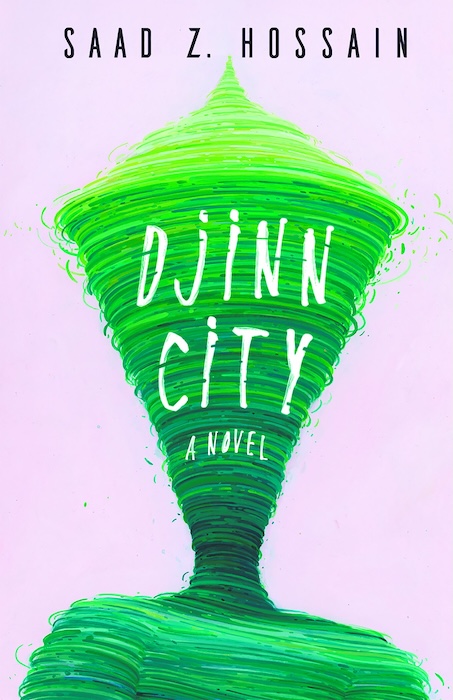
Djinn City
Djinn City is a darkly comic fantasy novel set in Dhaka, Bangladesh, where ancient supernatural forces exist alongside the chaos of modern urban life. The story follows ten-year-old Indelbed, a lonely boy living in a decaying mansion with his eccentric father, Dr. Kaikobad. When his father falls into a mysterious supernatural coma, Indelbed discovers that his family has a secret connection to the world of djinn—powerful, long-lived beings drawn from Islamic and Middle Eastern mythology.
With the help of his older cousin Rais, Indelbed uncovers the truth about his origins and learns that he has become the target of a dangerous hunt. His journey draws him into the complicated politics of the djinn world, where ancient rivalries, strange creatures, and powerful factions threaten both humans and supernatural beings.
Blending fantasy, science fiction, mythology, and sharp social satire, Hossain creates an imaginative adventure that explores family, power, and the consequences of ancient conflicts. The novel also offers a distinctive portrayal of Bangladesh, using its vibrant capital as the setting for a world where the extraordinary hides beneath the everyday.
Bangladesh
2017
10
Exit West: A Novel
Exit West follows Nadia and Saeed, two young people who fall in love in an unnamed country descending into civil war. As violence spreads through their city, everyday life becomes increasingly dangerous, and the couple begins searching for a way to escape. They hear rumours of mysterious doors that can transport people to distant countries, offering a possible route to safety. After passing through one of these doors, Nadia and Saeed find themselves navigating the uncertainties of refugee life in unfamiliar places, including Greece, London, and California. Their relationship changes as they adapt to new communities and confront the emotional costs of displacement. Blending realism with speculative fiction, Hamid explores migration, borders, belonging, and the resilience required to build a future after leaving home. The novel also asks how movement across borders transforms individuals and societies.
Pakistan
2017
11
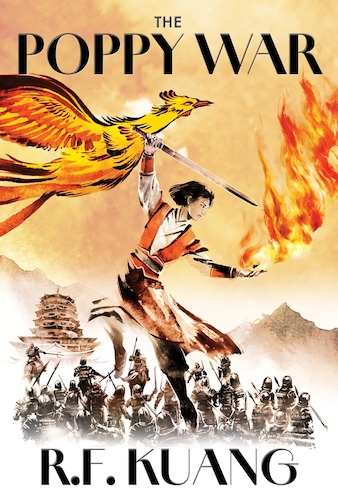
The Poppy War
An orphan from a poor southern province. An elite military academy. A power that could destroy an empire.
When Rin unexpectedly earns a place at Sinegard, the Nikara Empire’s most prestigious military academy, she believes she has finally escaped a future of poverty and forced marriage. But prejudice, relentless training, and the discovery of her extraordinary shamanic abilities soon push her into a world far more dangerous than she imagined. As war threatens to engulf the empire, Rin discovers that the gods are real—and that the power they offer comes at a terrible price. Inspired by twentieth-century Chinese history, particularly the Second Sino-Japanese War, this dark and uncompromising fantasy explores the brutal realities of warfare, the seduction of vengeance, and the devastating consequences of power. Rin must decide what she is willing to sacrifice to protect her people—and what remains of her humanity when survival demands unimaginable choices.
China
2019
12
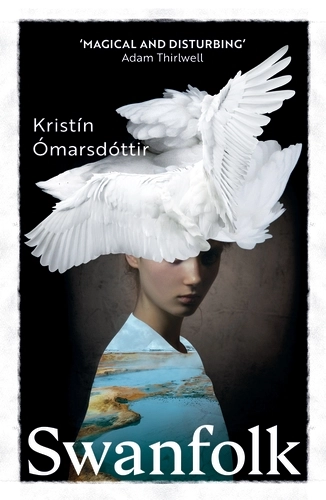
Swanfolk
Set in a strange, unsettling future, Swanfolk follows Elísabet Eva, a young intelligence agent whose life begins to unravel after a traumatic assignment in Paris. Seeking solitude, she takes long walks beside a lake, where she encounters mysterious creatures that are half-woman and half-swan. Fascinated by these beings, she gradually enters their hidden world and becomes entangled in their obsessive, sometimes violent struggle to exist alongside humans. As her involvement deepens, Elísabet begins to question her own perceptions and the reliability of her memories. Blending surrealism, dark fantasy, and psychological fiction, Kristín Ómarsdóttir’s novel explores the fragile boundaries between reality and imagination, belonging and alienation, and the human desire to escape one’s past. Strange, lyrical, and unsettling, Swanfolk uses its mythical creatures to examine the complexities of identity and the difficulty of understanding oneself.
Iceland
2019