Essays
All countries
Austria
Bosnia and Herzegovina
Botswana
Congo, Democratic Republic
France
Germany
India
Ireland
Japan
Pakistan
Palestine
Sweden
Taiwan
Tanzania
Türkiye
United Kingdom
United States
Zambia
1
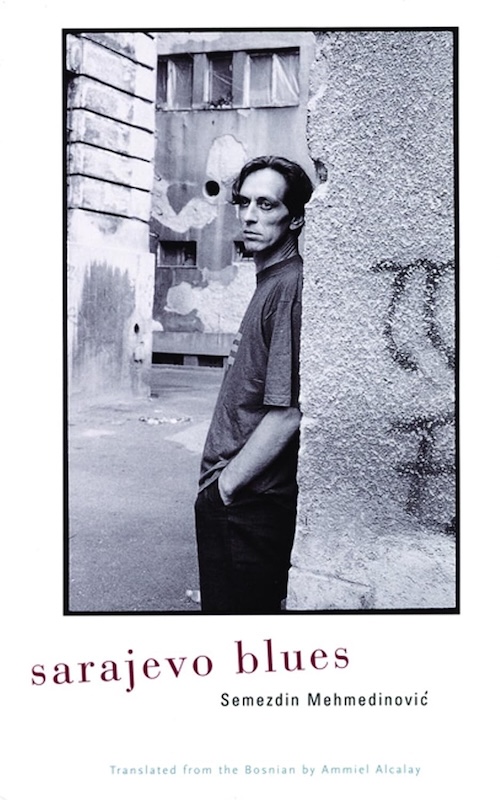
Sarajevo Blues
Sarajevo Blues is a collection of prose poems, fragments, and brief reflections written during the siege of Sarajevo in the Bosnian War. Combining personal observation with documentary detail, Semezdin Mehmedinović captures the daily reality of living in a city under bombardment, where ordinary activities become acts of survival and the boundaries between private life and public catastrophe begin to dissolve.
Rather than presenting a conventional narrative, the book offers an intimate, fragmented account of war through images of empty streets, sudden violence, disrupted routines, and the emotional strain of uncertainty. Mehmedinović’s restrained, lyrical writing resists grand explanations, focusing instead on the human cost of conflict and the persistence of memory. Both a literary response to historical tragedy and a meditation on displacement, fear, and endurance, Sarajevo Blues gives voice to the experience of civilians whose lives are transformed by war.
Bosnia and Herzegovina
1992
2
Representations of the Intellectual
Should intellectuals challenge those in power, even when doing so threatens their careers, reputations, or personal safety?
Based on his 1993 BBC Reith Lectures, Representations of the Intellectual explores the role of the thinker in public life. Edward W. Said argues that intellectuals have a responsibility to question accepted wisdom, resist political and institutional pressure, and speak honestly about injustice—even when their views are unpopular.
Drawing on figures such as Theodor Adorno and Jonathan Swift, as well as contemporary political events, Said examines the dangers of allowing expertise, ambition, nationalism, or financial interests to silence independent thought. He presents the intellectual as an outsider who must remain willing to challenge authority rather than simply serve it.
Passionate and provocative, this short collection asks what it means to preserve intellectual independence in a world shaped by powerful institutions and competing interests. It remains a compelling reflection on the relationship between knowledge, conscience, and public responsibility.
Palestine
United States
1994
3
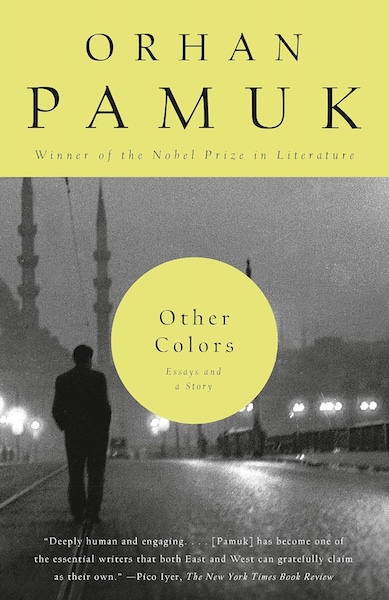
Other Colors: Essays and a Story
What does it mean to be a writer, to belong to a city, or to live between different cultural worlds? In Other Colors, Orhan Pamuk opens a window into his creative life through a collection of essays, interviews, diary entries, literary reflections, and personal recollections written over more than two decades.
Pamuk writes about his childhood in Istanbul, the pleasures and anxieties of everyday life, his relationship with his daughter, and the books and writers who shaped his imagination. He reflects on the art of writing novels, the relationship between Eastern and Western literary traditions, and the political and cultural tensions that have influenced modern Turkey. The collection also includes the short story Looking Out the Window, offering a glimpse of his fiction through a different lens.
Intimate, curious, and often provocative, Other Colors reveals the ideas and experiences behind Pamuk’s celebrated novels. It is both a portrait of a writer at work and a meditation on literature, memory, politics, and the complexities of belonging.
Türkiye
1999
4
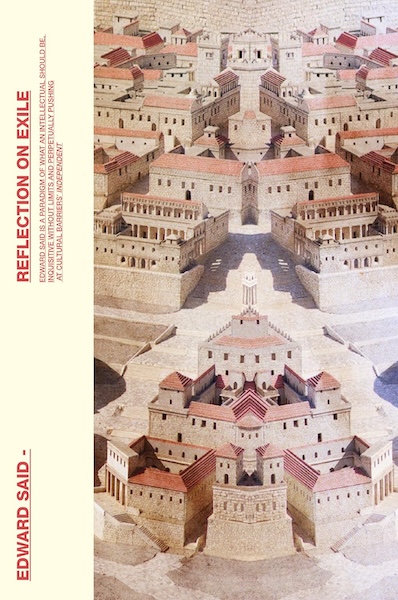
Reflections On Exile: And Other Literary And Cultural Essays
What does it mean to live between worlds—to belong to a place through memory while remaining separated from it by distance, politics, or history?
In Reflections on Exile, Edward W. Said brings together essays written over more than three decades, exploring literature, culture, politics, and the experience of displacement. The collection reflects his lifelong engagement with Palestinian identity and his own experience of exile, while examining how writers and artists respond to the societies that shape them.
Said moves between close readings of literary works and broader reflections on imperialism, cultural identity, and intellectual responsibility. He considers figures such as Joseph Conrad, George Orwell, and Naguib Mahfouz, revealing how art can illuminate the tensions between personal experience and historical forces.
At the heart of the collection is the idea that exile is more than physical separation: it can transform how people see home, belonging, and themselves. Both intellectually searching and deeply personal, the book explores the creative possibilities and emotional costs of living between cultures.
Palestine
United States
2000
5
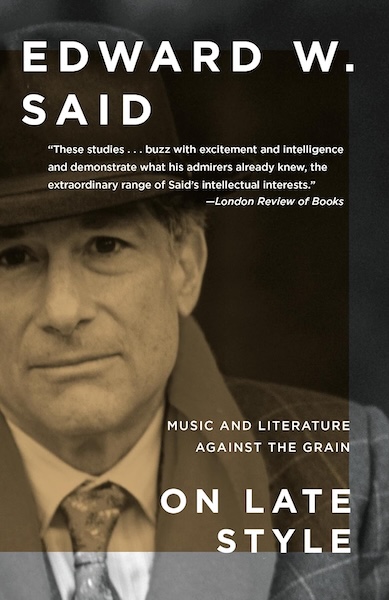
On Late Style: Music and Literature Against the Grain
What happens when great artists approach the end of their lives—and begin creating works that refuse to offer comfort, harmony, or easy answers?
In On Late Style, Edward W. Said explores the final works of celebrated composers, writers, and artists, including Beethoven, Mozart, Thomas Mann, and Jean Genet. He challenges the assumption that artistic maturity naturally leads to wisdom and reconciliation, arguing instead that some creators produce their most challenging work late in life, embracing contradiction, resistance, and unresolved tensions.
Drawing on music, literature, opera, and film, Said examines how artists confront their own mortality while remaining at odds with the cultural expectations of their time. The result is a compelling reflection on creativity, ageing, and the courage to resist conventional ideas of artistic perfection.
Published posthumously in 2006, this unfinished final work reflects Said’s own lifelong commitment to intellectual independence and the power of art to challenge established assumptions.
Palestine
United States
2006
6
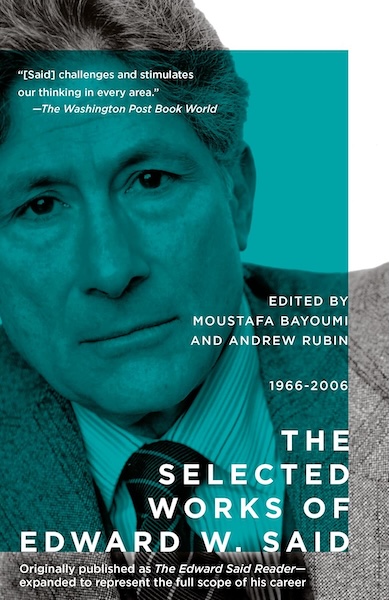
The Selected Works of Edward Said, 1966 - 2006
How do literature, culture, and politics shape the way we understand the world? And whose voices are missing from the stories history tells?
The Selected Works of Edward Said brings together key writings from four decades of one of the most influential intellectuals of the twentieth century. Edited by Moustafa Bayoumi and Andrew Rubin, this expanded collection traces Said’s thinking across subjects ranging from colonialism and Palestinian identity to literature, music, media, and the responsibilities of intellectuals.
Featuring selections from Orientalism, Culture and Imperialism, and Out of Place, alongside important essays and later writings, the collection offers an overview of Said’s evolving ideas about power, representation, and cultural identity.
Essential for understanding Said’s intellectual legacy, this volume reveals how cultural narratives influence political realities—and why questioning dominant perspectives remains vital.
Palestine
United States
2007
7
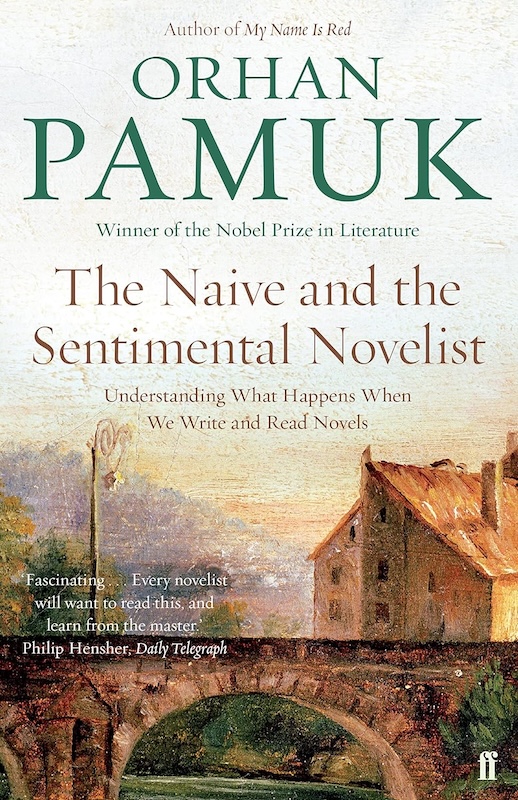
The Naive and the Sentimental Novelist
The Naive and the Sentimental Novelist explores how novels work and why reading fiction can transform our understanding of ourselves and the world. Drawing on his experience as a novelist and his lifelong engagement with literature, Orhan Pamuk examines the relationship between writers, readers, and the fictional worlds they create. Inspired by Friedrich Schiller’s distinction between naive and sentimental poetry, Pamuk considers two approaches to storytelling: one that emerges naturally from experience and another that consciously reflects on its own methods and meanings.
Through examples from writers such as Tolstoy, Dostoevsky, and Thomas Mann, Pamuk discusses character, plot, setting, symbolism, and the delicate balance between imagination and observation. He also explores the pleasure readers find in entering a novel’s world, visualising its landscapes, and identifying with its characters. Blending literary criticism with personal reflection, the book offers an intimate account of the novelist’s craft and the reader’s experience. Ultimately, Pamuk suggests that the power of fiction lies in its ability to make imagined worlds feel as vivid and meaningful as reality itself.
Türkiye
2010
8
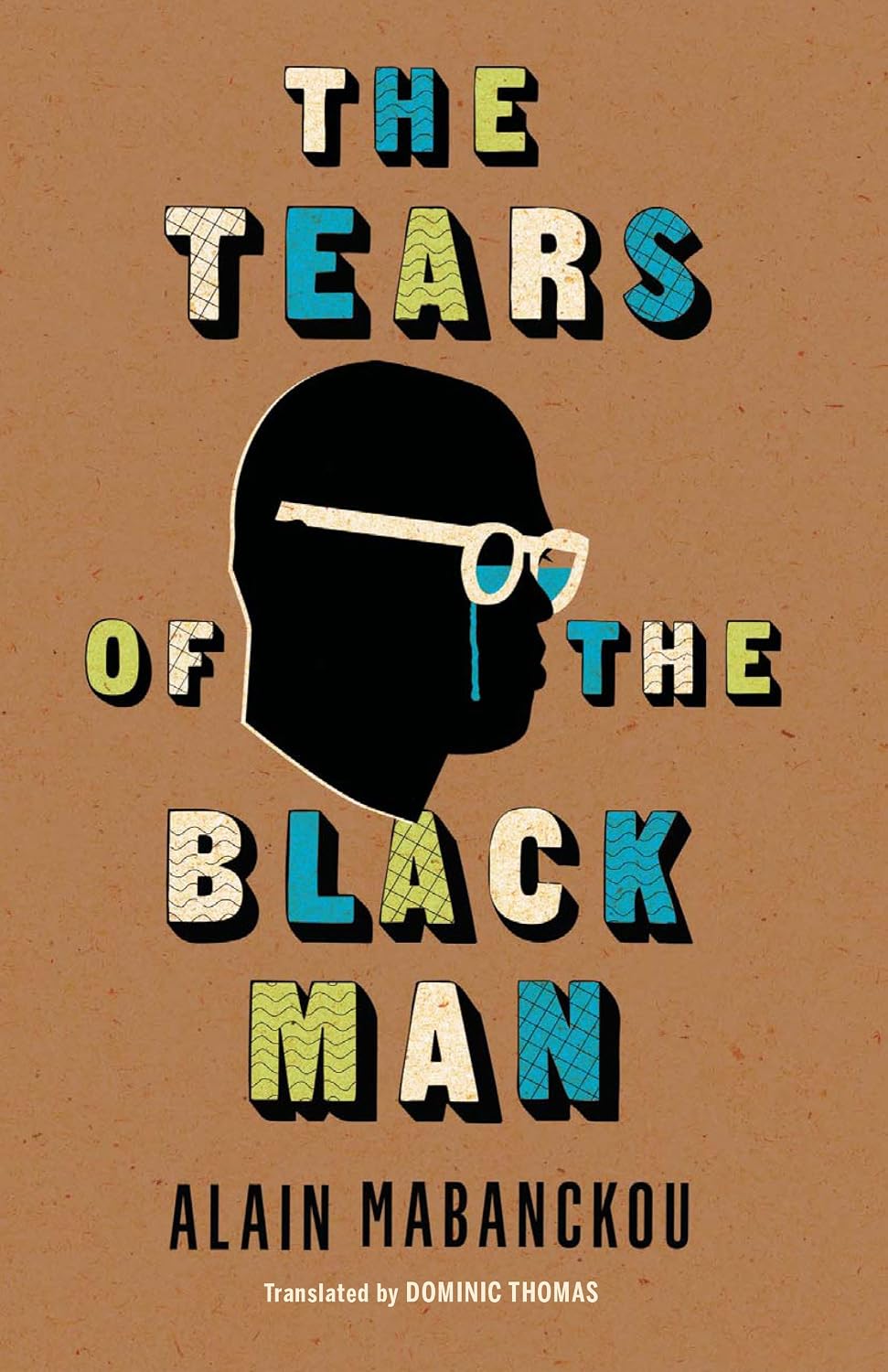
Tears of the Black Man
In Tears of the Black Man, Congolese writer Alain Mabanckou examines the complex relationship between Africa and the West, exploring how colonial history, migration, and racial stereotypes continue to shape perceptions of Black identity. Drawing on personal experiences, literature, and cultural observations, Mabanckou challenges simplified narratives that portray Africans solely as victims of colonialism or racism.
The book reflects on the expectations placed on Black people in Europe, the contradictions within contemporary African societies, and the ways historical grievances can influence individual and collective identities. Mabanckou also questions the tendency to explain present-day difficulties exclusively through the legacy of slavery and colonial rule, encouraging readers to consider the role of personal agency and contemporary political realities.
Blending memoir, cultural criticism, and social commentary, the work offers a provocative reflection on race, belonging, and the ongoing dialogue between Africa and the wider world.
Congo, Democratic Republic
2012
9
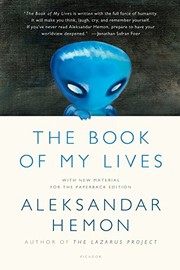
Book of My Lives
The Book of My Lives is a collection of autobiographical essays in which Aleksandar Hemon reflects on his childhood in Sarajevo, his experiences as an immigrant in the United States, and the events that transformed his understanding of home and belonging. Moving between memories of growing up in socialist Yugoslavia and his later life in Chicago, Hemon explores how personal identity is shaped by language, geography, family, and historical circumstances.
The collection takes a deeply personal turn when the Bosnian War begins while Hemon is visiting the United States, leaving him unable to return to Sarajevo as planned. Through sharp observations, dark humour, and emotional honesty, he examines the experience of exile and the complicated relationship between an adopted home and a homeland altered by violence. He also reflects on family life, fatherhood, football, and the unexpected details that give meaning to ordinary existence. Blending intimate memoir with broader historical reflection, the book explores how people rebuild their lives when the places they belong to become distant or irretrievably changed.
Bosnia and Herzegovina
2013
10
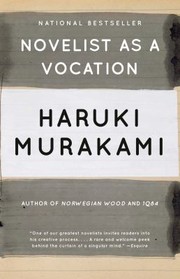
Novelist As a Vocation
Novelist as a Vocation offers Haruki Murakami’s reflections on the craft of writing, the life of a novelist, and the habits that sustain a long creative career. Drawing on his own experiences, Murakami discusses how he became a writer, the importance of originality, and the discipline required to transform ideas into finished novels. He considers the relationship between imagination and reality, explaining how writers develop distinctive voices and create fictional worlds that feel convincing to readers.
Beyond practical advice, Murakami reflects on literary recognition, criticism, education, and the pressures of the publishing industry. He questions conventional ideas about literary talent and argues that persistence, curiosity, and a willingness to work consistently are essential to creative development. The book also reveals aspects of Murakami’s personal philosophy, including his commitment to routine, physical exercise, and independent thinking. Part memoir and part meditation on artistic practice, it offers insight into how a novelist builds a sustainable relationship with writing while protecting the freedom to follow an individual creative vision.
United Kingdom
2015
11
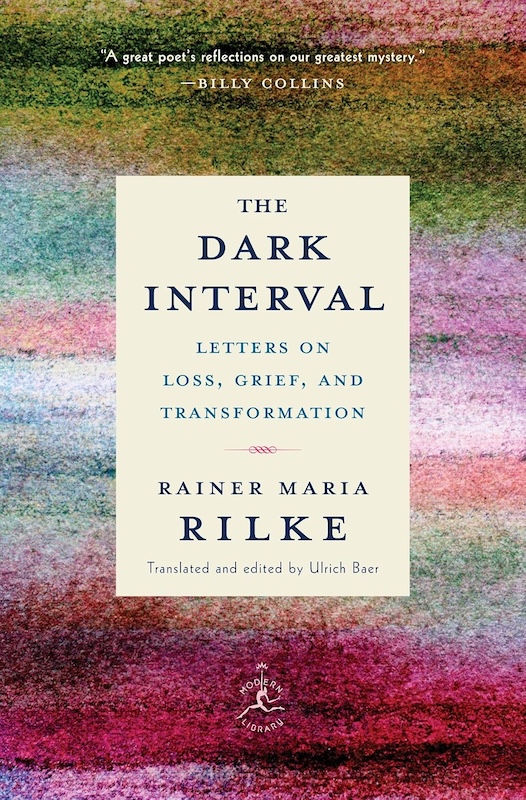
The Dark Interval
Gleaned from Rainer Maria Rilke's voluminous, never-before-translated letters to bereaved friends and acquaintances, The Dark Interval is a profound vision of the mourning process and a meditation on death's place in our lives. Following the format of Letters to a Young Poet, this book arranges Rilke's letters into an uninterrupted sequence, showcasing the full range of the great author's thoughts on death and dying, as well as his sensitive and moving expressions of consolation and condolence. Presented with care and authority by master translator Ulrich Baer, The Dark Interval is a literary treasure, an indispensable resource for anyone searching for solace, comfort, and meaning in a time of grief.
Austria
2018
12
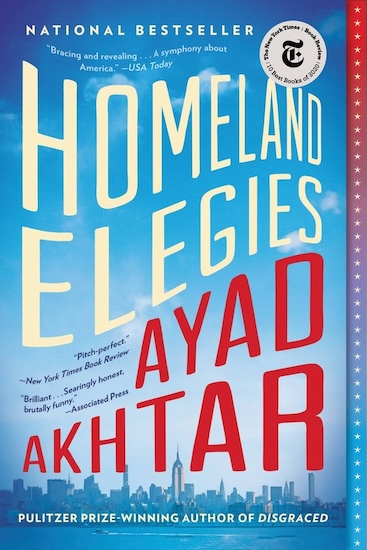
Homeland Elegies
Homeland Elegies blends fiction, memoir, and social commentary to explore what it means to be Muslim, Pakistani American, and American in a country struggling with questions of race, religion, patriotism, and belonging.
The novel follows a fictionalised version of Ayad Akhtar and his relationship with his father, a Pakistani immigrant and devoted admirer of Donald Trump. As father and son navigate their complicated relationship, their personal experiences unfold against the backdrop of post-9/11 America, where Islamophobia, political division, and economic insecurity have reshaped the lives of immigrant communities.
Moving between family memories, political reflections, cultural criticism, and encounters with people across different social worlds, Akhtar examines the contradictions of the American Dream. His narrator grapples with the privileges and prejudices of American society, the burden of inherited expectations, and the tension between wanting to belong to a country and feeling rejected by it.
Rather than presenting a straightforward autobiographical account, Akhtar deliberately blurs the boundaries between truth and invention. The result is an intimate and provocative portrait of a nation wrestling with its identity, told through the experiences of a family whose personal struggles mirror America’s broader divisions.
United States
2020