Comedy
1
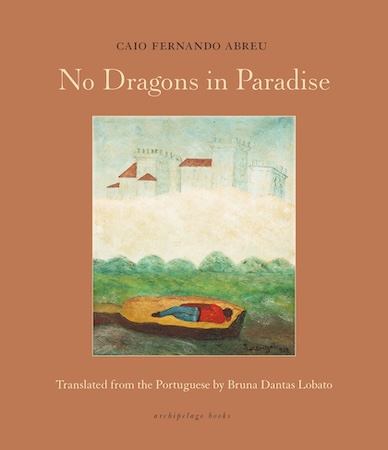
No Dragons in Paradise
Love can be intoxicating, terrifying, and impossible to escape. In this collection of thirteen interconnected stories, Caio Fernando Abreu explores the lives of people searching for intimacy in a world that often leaves them feeling invisible. A boy experiences the overwhelming intensity of his first crush; a drag queen searches for connection in the night; a lonely son visits his mother; and two men discover unexpected tenderness in the darkness. Moving between desire, heartbreak, loneliness, and moments of ecstatic possibility, Abreu portrays characters who refuse to surrender their longing for love, even when society rejects them. Music, astrology, dreams, and popular culture weave through these stories, creating a sensuous, almost psychedelic portrait of urban Brazil. Written during the shadow of military dictatorship and at the dawn of the AIDS crisis, the collection gives voice to outsiders whose experiences were frequently marginalised. Tender, restless, and unapologetically queer, it celebrates the fragile beauty of being alive and loving another person.
Brazil
1988
2
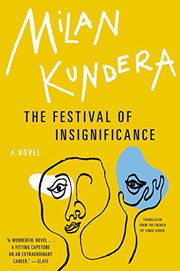
The Festival of Insignificance
The Festival of Insignificance is a playful, philosophical novel in which Milan Kundera explores the absurdity of human existence through the conversations and encounters of four friends in Paris. Alain, Ramón, Charles, and Caliban navigate everyday life while reflecting on vanity, ageing, politics, and the seemingly trivial details that shape human relationships. Their discussions range from the meaning of the human navel to Stalin’s peculiar anecdotes, blending absurd humour with reflections on history, mortality, and the performance of identity. Rather than following a conventional plot, the novel unfolds as a series of interconnected episodes that question humanity’s tendency to assign excessive importance to personal grievances, ambitions, and public events. Kundera suggests that recognising the insignificance underlying much of human life can become a source of freedom, allowing people to approach the world with greater lightness and less resentment. Through irony and philosophical wit, the novel offers a meditation on the fragile boundary between the meaningful and the trivial, inviting readers to reconsider what truly deserves their attention.
Czech Republic
2014