Classics
All countries
Antigua and Barbuda
Argentina
Armenia
Australia
Austria
Azerbaijan
Bangladesh
Barbados
Belgium
Bosnia and Herzegovina
Brazil
Chile
China
Colombia
Czech Republic
Denmark
Dominica
Dominican Republic
Egypt
Finland
France
Germany
Greece
Hungary
Iceland
India
Indonesia
Iran
Ireland
Italy
Japan
Kenya
Kyrgyzstan
Lebanon
Lithuania
Mexico
Netherlands
Norway
Pakistan
Palestine
Peru
Portugal
Romania
Russia
Saudi Arabia
Spain
Sudan
Sweden
Switzerland
Taiwan
Türkiye
Ukraine
United Kingdom
United States
1
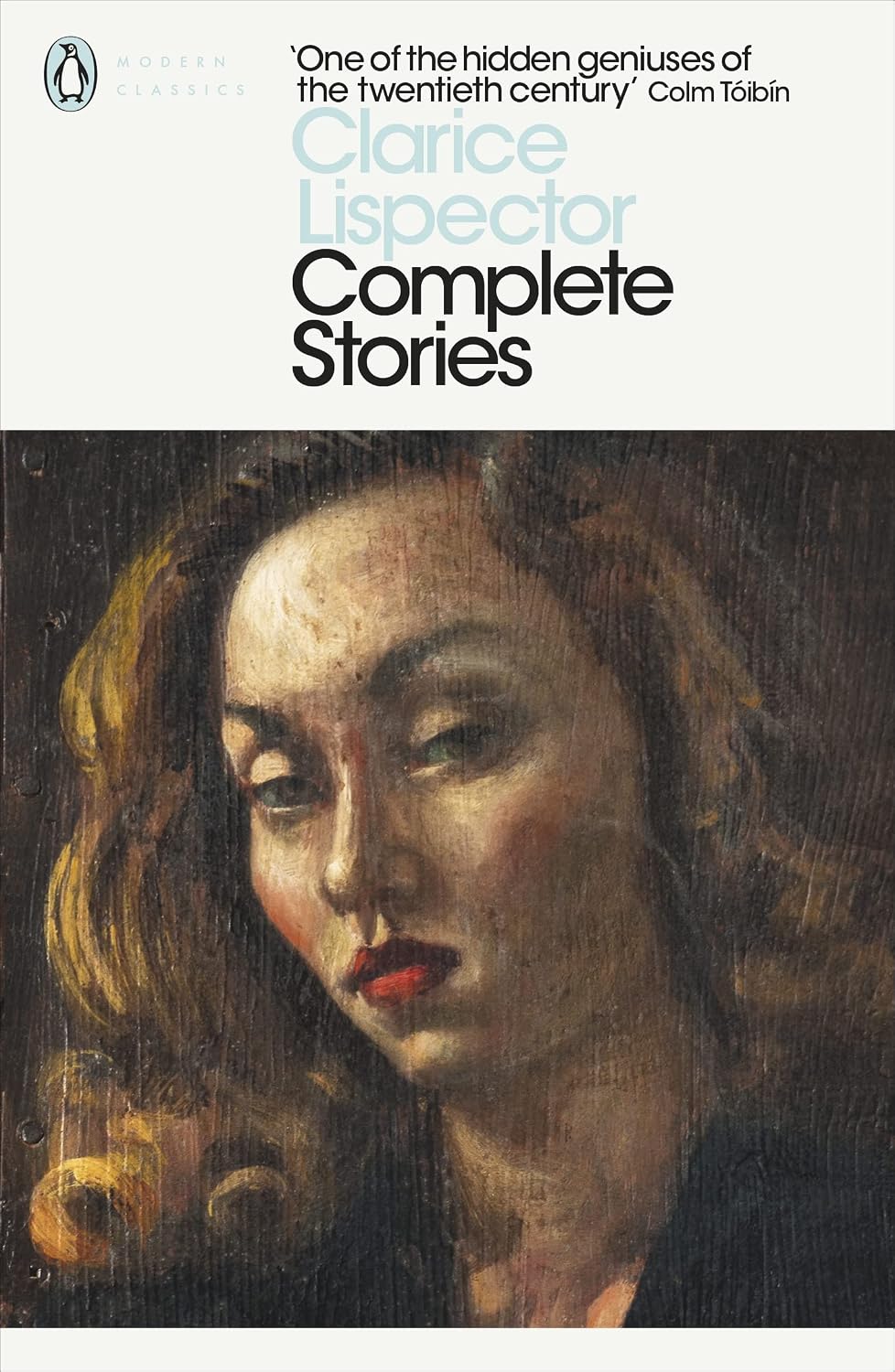
Complete Stories
Complete Stories brings together the short fiction of Clarice Lispector, spanning her entire career and revealing the extraordinary range of one of Brazil’s most influential literary voices. Across stories set in ordinary homes, crowded cities, and unfamiliar landscapes, Lispector explores the hidden emotional lives of women, children, domestic workers, and other characters whose everyday experiences conceal profound inner conflicts.
Often beginning with seemingly insignificant moments—a conversation, a household routine, an encounter with an animal—her stories gradually uncover unsettling questions about identity, desire, freedom, and the nature of existence. Characters experience sudden revelations that disrupt their familiar understanding of themselves and the world, exposing the tension between social expectations and private impulses. Lispector’s distinctive prose combines psychological intensity, philosophical reflection, and unexpected humour, frequently blurring the boundaries between the ordinary and the surreal. Rather than offering clear resolutions, these stories invite readers into the uncertainties of consciousness and the complexity of being human.
Brazil
2015
2
The Festival of Insignificance
The Festival of Insignificance is a playful, philosophical novel in which Milan Kundera explores the absurdity of human existence through the conversations and encounters of four friends in Paris. Alain, Ramón, Charles, and Caliban navigate everyday life while reflecting on vanity, ageing, politics, and the seemingly trivial details that shape human relationships. Their discussions range from the meaning of the human navel to Stalin’s peculiar anecdotes, blending absurd humour with reflections on history, mortality, and the performance of identity. Rather than following a conventional plot, the novel unfolds as a series of interconnected episodes that question humanity’s tendency to assign excessive importance to personal grievances, ambitions, and public events. Kundera suggests that recognising the insignificance underlying much of human life can become a source of freedom, allowing people to approach the world with greater lightness and less resentment. Through irony and philosophical wit, the novel offers a meditation on the fragile boundary between the meaningful and the trivial, inviting readers to reconsider what truly deserves their attention.
Czech Republic
2014
3
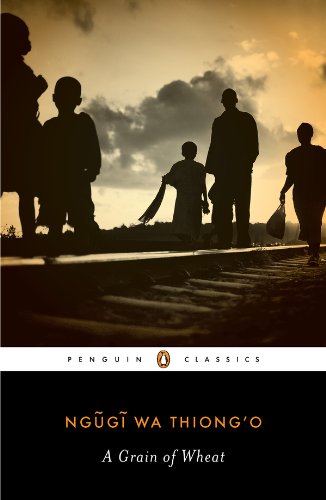
A Grain of Wheat
Set in Kenya in the days leading up to independence from British colonial rule, A Grain of Wheat explores the sacrifices, betrayals, and moral compromises behind a nation’s struggle for freedom. The novel centres on Mugo, a quiet villager whom his community regards as a hero because of his suffering during the colonial government’s emergency rule. As the village prepares to celebrate independence, however, hidden truths about the resistance movement begin to emerge. Through interconnected stories of former freedom fighters, their families, and their neighbours, Ngũgĩ examines the lasting consequences of colonial violence and the complicated legacy of resistance. The novel asks what it means to be a hero, how communities remember their past, and whether political independence can bring genuine reconciliation when individuals remain haunted by guilt and betrayal.
Kenya
2012
4
The Passion According to G.H.
In The Passion According to G.H., a wealthy sculptor in Rio de Janeiro experiences a profound existential crisis after entering her former maid’s room and encountering a cockroach. What begins as an ordinary domestic moment transforms into a disturbing confrontation with her identity, humanity, and understanding of existence. Through an intense stream of consciousness, Clarice Lispector explores the boundaries between self and other, human and animal, and the sacred and the material. As G.H.’s familiar sense of self begins to dissolve, she confronts the unsettling possibility that true understanding requires abandoning the illusions that define human identity. The novel is a challenging philosophical exploration of consciousness, transformation, and the search for meaning beyond conventional beliefs.
Brazil
2012
5
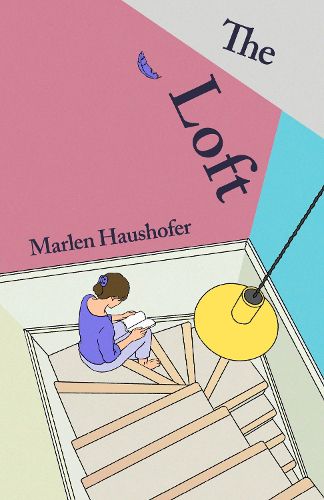
The Loft
In The Loft, an Austrian housewife finds refuge from her monotonous domestic life in an attic where she draws birds, insects and other creatures. Her marriage to Hubert, a dissatisfied lawyer, has settled into emotional distance, while her grown-up children have left home. Although her days appear ordinary, the narrator carries memories of a disturbing episode from twenty years earlier, when a sudden loss of hearing led her husband to send her to a remote cottage to recover. One day, mysterious packages arrive containing extracts from her old diary, forcing her to confront an experience she has tried to forget. As the past intrudes upon her carefully ordered present, the boundaries between memory, repression and self-understanding begin to shift. With quiet psychological intensity, Haushofer examines the loneliness hidden within conventional family life, the constraints placed on women, and the private spaces people create to preserve their individuality. The attic becomes both a sanctuary and a symbol of the narrator’s struggle to understand herself beyond the roles imposed upon her.
Austria
2011
6
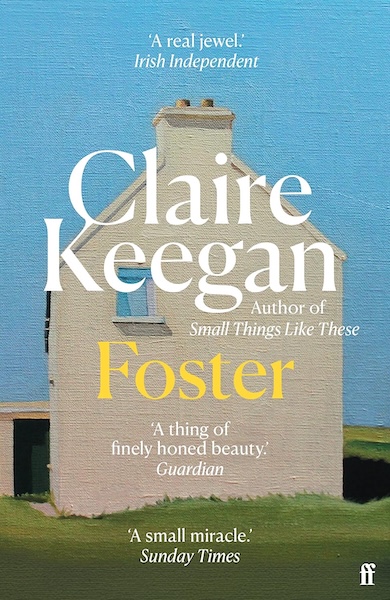
Foster
During the summer of 1981, an unnamed young girl is sent from her crowded family home to live with relatives in rural County Wexford while her mother prepares to give birth. Quiet and observant, she arrives at the Kinsellas’ farm uncertain of what awaits her. But unlike the home she has left behind, this household offers her tenderness, attention, and a sense of belonging she has never experienced before.
As the summer unfolds, the girl discovers the transformative power of being cared for. Yet beneath the peaceful routines of farm life lies a grief the Kinsellas rarely discuss. Through small gestures, unspoken truths, and the child’s growing awareness of the adult world, Claire Keegan creates a moving portrait of childhood and the complicated bonds between parents and children. Foster is a beautifully restrained novella about the families we are born into, the love we find unexpectedly, and the lasting impact of being seen and valued.
Ireland
2010
7
Vilnius Poker
Set in Soviet-occupied Vilnius during the 1970s, Vilnius Poker is a dark, surreal exploration of life under totalitarian rule. The novel follows Vytautas Vargalys, an intellectual working as a cataloguer in a public library, who becomes obsessed with uncovering a mysterious organisation known as “Them.” He believes this hidden force controls society, manipulating people’s thoughts, behaviour, and destinies. His growing paranoia intertwines with his relationship with Lolita, a mysterious woman whose fate becomes central to his increasingly fractured understanding of reality.
The story unfolds through four different narrators, each offering a conflicting account of events. As their perspectives overlap and contradict one another, the distinction between truth, memory, fantasy, and delusion begins to collapse. Vilnius itself emerges as a living presence: a labyrinthine city haunted by historical trauma, political oppression, and the psychological damage inflicted by Soviet rule.
Combining psychological horror, political satire, and postmodern experimentation, Gavelis challenges official historical narratives and exposes the ways authoritarian systems infiltrate people’s inner lives. The novel also questions whether individuals can ever fully escape the structures of power surrounding them. Published in 1989, as Lithuania approached independence, Vilnius Poker became a landmark of modern Lithuanian literature and a powerful literary reckoning with the Soviet experience.
Lithuania
2009
8
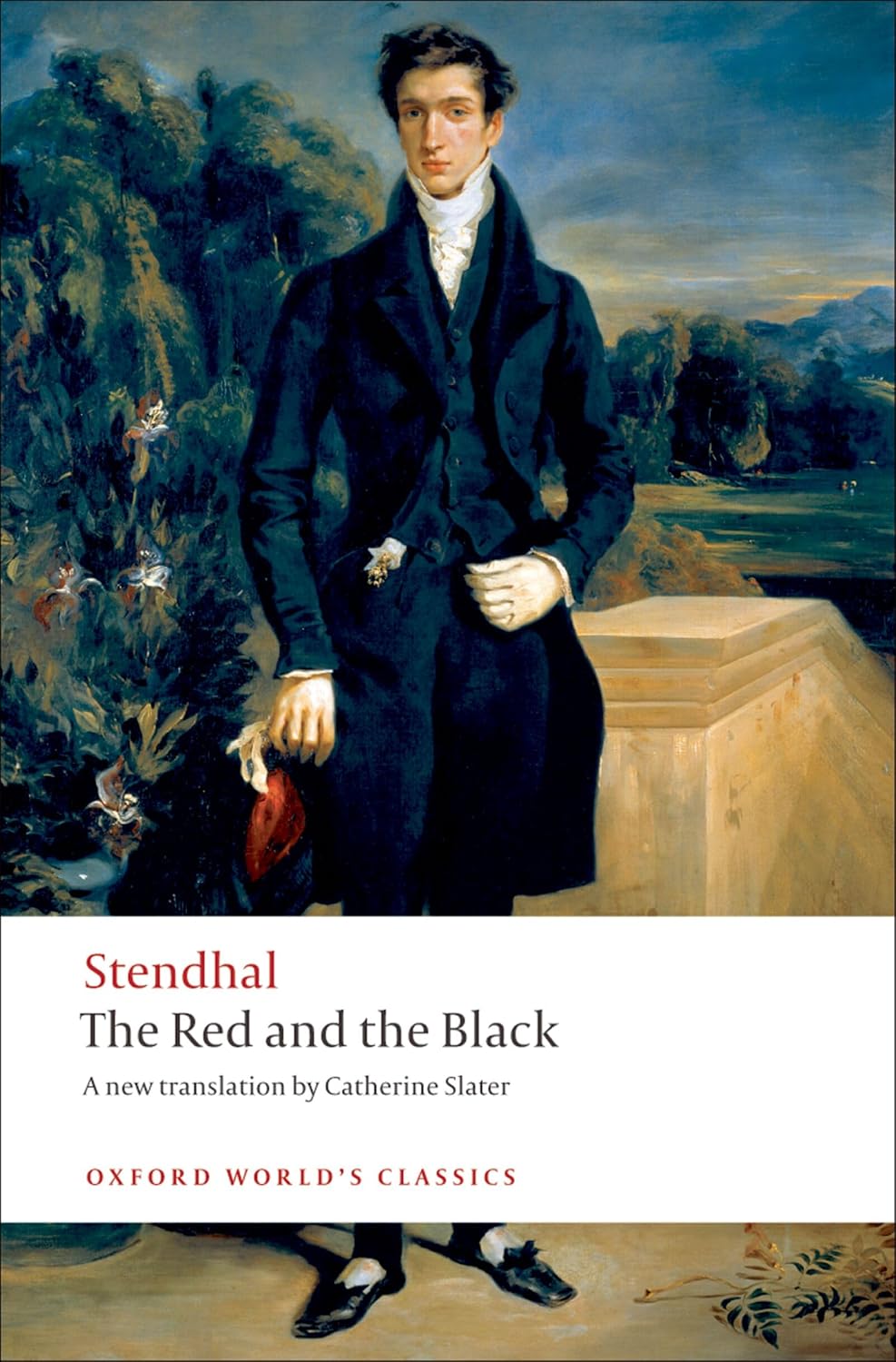
The Red and the Black
The Red and the Black follows Julien Sorel, an ambitious young man from a poor provincial family who dreams of rising through French society. Intelligent and determined, Julien sees the Church and the military as possible routes to power, studying religious doctrine while secretly admiring the military glory associated with Napoleon. His relationships with Madame de Rênal, the wife of his employer, and Mathilde de La Mole, the daughter of an aristocrat, become entangled with his social ambitions. As Julien moves between different social environments, he struggles to reconcile genuine feelings with his desire for status and recognition. Stendhal uses his story to examine class divisions, hypocrisy, and the limitations imposed by nineteenth-century French society. The novel portrays a talented individual attempting to overcome the circumstances of his birth, revealing how ambition can both challenge and reproduce the inequalities of the world he hopes to conquer.
France
2009
9
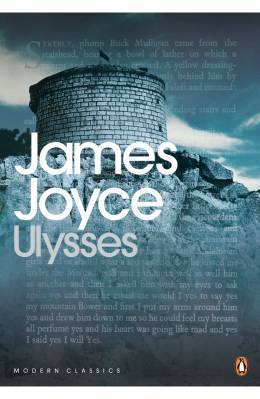
Ulysses
Ulysses follows a single day in the lives of Leopold Bloom, an advertising canvasser, and Stephen Dedalus, a young writer, as they move through Dublin on 16 June 1904. Their ordinary activities—walking through the city, eating, working, attending a funeral, and visiting a maternity hospital—become the basis for an extraordinary exploration of consciousness and urban life. Bloom’s wanderings are interwoven with Stephen’s intellectual struggles and the experiences of Molly Bloom, whose final extended monologue offers an intimate portrait of memory, desire, and marriage. Joyce draws parallels between the characters’ experiences and episodes from Homer’s Odyssey, transforming an ancient epic into a modern story about everyday existence. Through experimental language, shifting narrative styles, and detailed observations, the novel explores identity, belonging, sexuality, and the complexity of human thought.
Ireland
2008
10
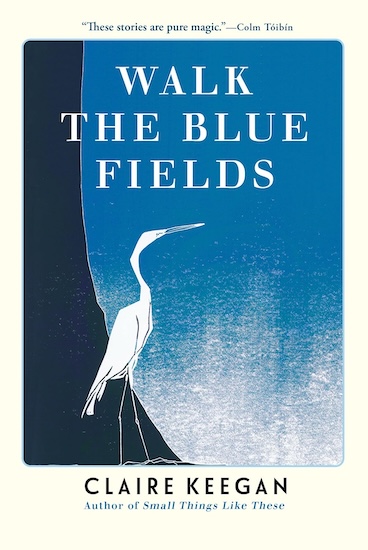
Walk the Blue Fields
In this collection of short stories, Claire Keegan explores the hidden tensions beneath ordinary lives in rural Ireland. In the title story, a Catholic priest stands at the altar on a wedding day, haunted by memories of a love affair that continues to challenge his faith and his sense of duty. Elsewhere, a writer seeking solitude finds her retreat disrupted by an unwelcome visitor, while farmers, lovers, and families confront disappointments and desires they struggle to articulate.
Keegan’s characters often find themselves caught between the lives they have chosen and the lives they secretly wish they could lead. Their private longings unfold against a changing Ireland, where tradition, religion, and social expectations exert a powerful influence. With spare, precise prose, she reveals the emotional weight hidden in everyday gestures and conversations. Walk the Blue Fields is a quietly penetrating collection about love, regret, faith, and the compromises people make in the hope of finding happiness.
Ireland
2007
11
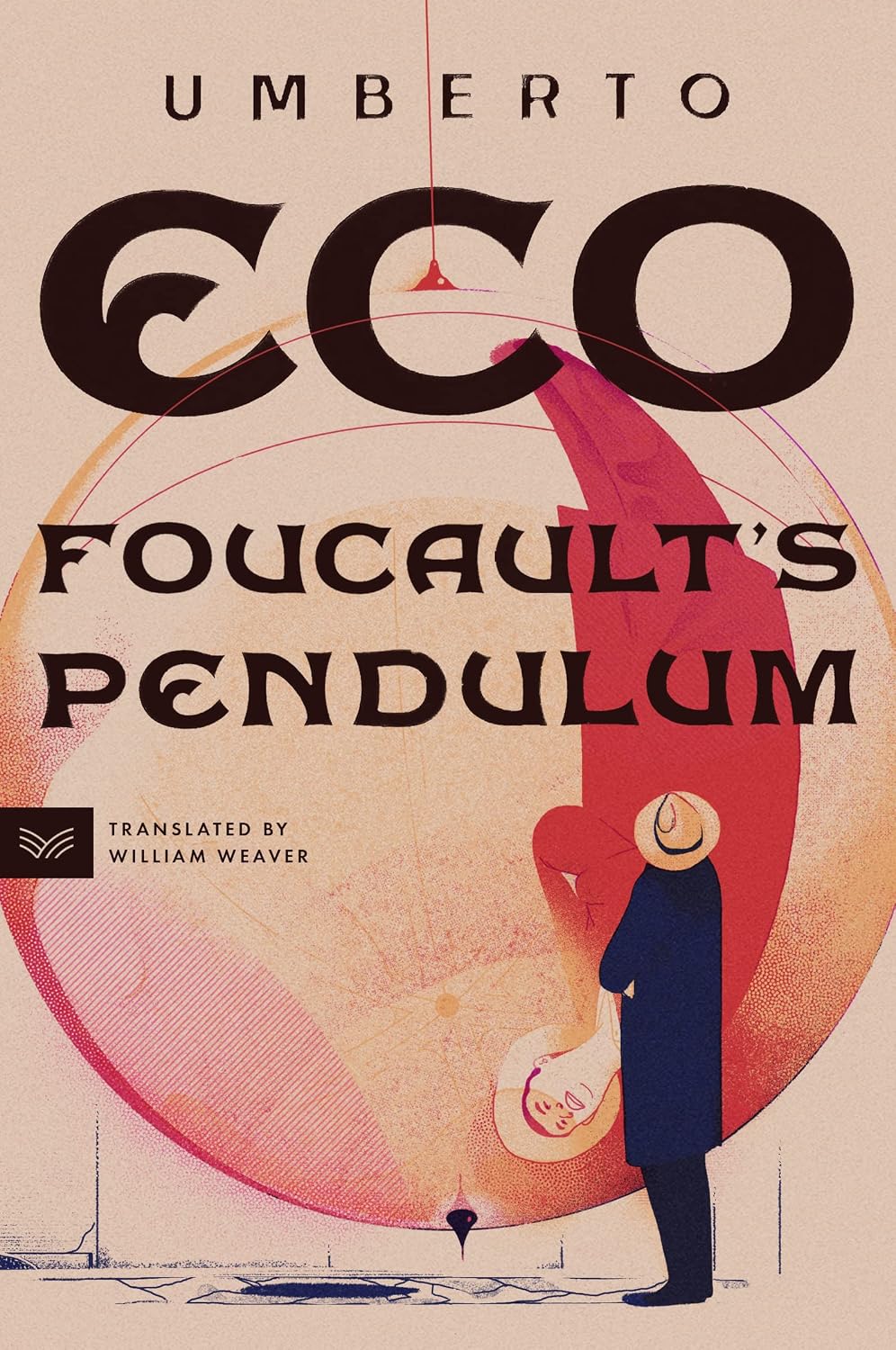
Foucault's Pendulum
Foucault’s Pendulum follows three Italian editors who work for a small publishing house specialising in obscure historical and occult manuscripts. As a private intellectual game, they begin inventing an elaborate conspiracy theory that connects secret societies, the Knights Templar, and centuries of hidden knowledge. Their fictional pattern gradually becomes more elaborate, drawing in real-world enthusiasts who believe the invented conspiracy reveals the truth about history. What begins as a playful exercise becomes increasingly dangerous as the editors lose control of the story they have created. Eco explores the human tendency to search for patterns and hidden meanings, showing how the desire to explain the world can lead people into irrational beliefs. Blending historical references, intellectual satire, and suspense, the novel examines conspiracy thinking, interpretation, and the dangers of confusing imaginative connections with evidence.
Italy
2007
12
The Prophet
The Prophet is a book of 26 poetic essays written in English in 1923 by the Lebanese-American artist, philosopher and writer Khalil Gibran. In the book, the prophet Almustafa who has lived in the foreign city of Orphalese for 12 years is about to board a ship which will carry him home. He is stopped by a group of people, with whom he discusses many issues of life and the human condition. The book is divided into chapters dealing with love, marriage, children, giving, eating and drinking, work, joy and sorrow, houses, clothes, buying and selling, crime and punishment, laws, freedom, reason and passion, pain, self-knowledge, teaching, friendship, talking, time, good and evil, prayer, pleasure, beauty, religion, and death.
Lebanon
2007