Classics
All countries
Antigua and Barbuda
Argentina
Armenia
Australia
Austria
Azerbaijan
Bangladesh
Barbados
Belgium
Bosnia and Herzegovina
Brazil
Chile
China
Colombia
Czech Republic
Denmark
Dominica
Dominican Republic
Egypt
Finland
France
Germany
Greece
Hungary
Iceland
India
Indonesia
Iran
Ireland
Italy
Japan
Kenya
Kyrgyzstan
Lebanon
Lithuania
Mexico
Netherlands
Norway
Pakistan
Palestine
Peru
Portugal
Romania
Russia
Saudi Arabia
Spain
Sudan
Sweden
Switzerland
Taiwan
Türkiye
Ukraine
United Kingdom
United States
1

Crime and Punishment
Set in the impoverished streets of nineteenth-century St. Petersburg, Crime and Punishment follows Rodion Raskolnikov, a former student who develops a theory that extraordinary individuals may be entitled to transgress moral laws for a greater purpose. Driven by poverty, pride, and his desire to prove his own superiority, he commits a brutal double murder. However, rather than achieving the freedom he imagined, Raskolnikov becomes consumed by guilt, paranoia, and psychological torment. As he struggles to conceal his crime, he encounters people who challenge his worldview, particularly Sonya Marmeladova, a young woman whose faith and compassion offer him a possible path toward redemption. Through intense psychological exploration, Dostoevsky examines morality, free will, suffering, and the conflict between intellectual justification and human conscience. The novel asks whether anyone can rise above ordinary moral obligations and explores how confronting one’s own humanity may be the first step toward transformation.
Russia
1866
2
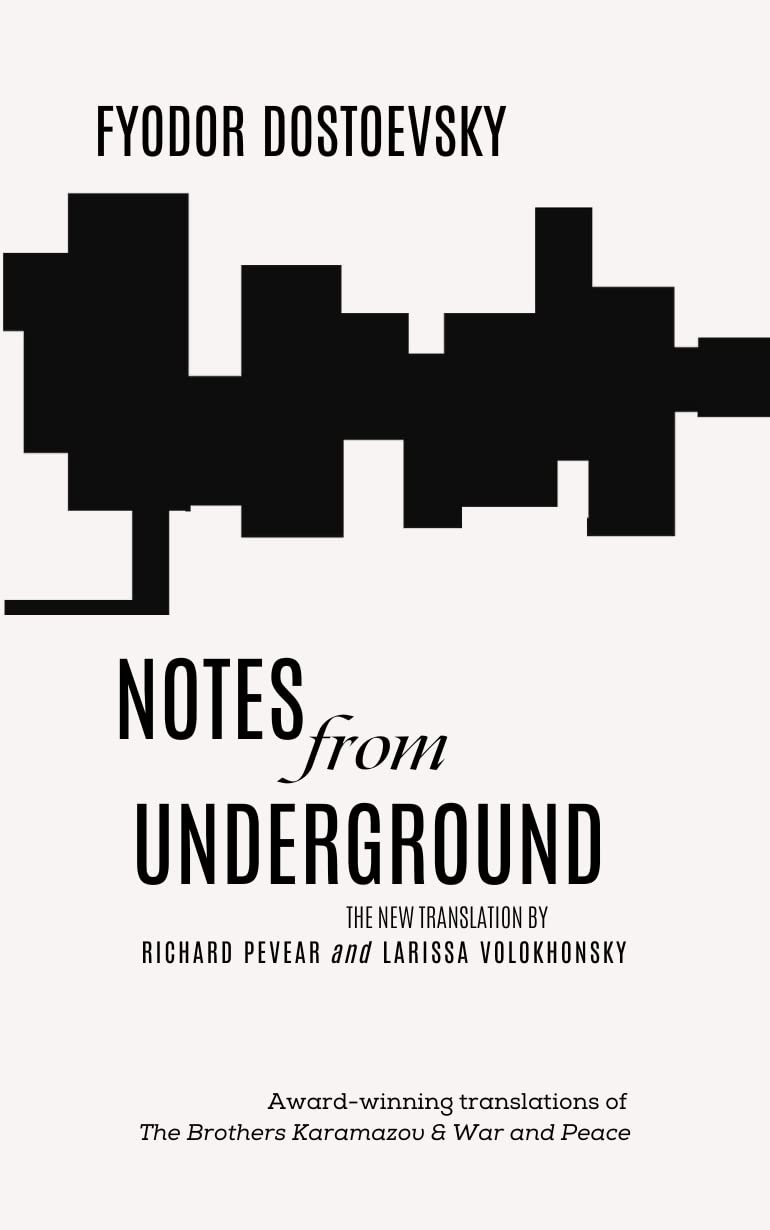
Notes from Underground
Notes from Underground is a psychological novella narrated by a bitter, isolated former civil servant living in St. Petersburg. Known only as the Underground Man, he addresses the reader directly, reflecting on his resentment toward society, his own contradictions, and his inability to form meaningful relationships. In the first part, he challenges the belief that human behaviour can be explained entirely through reason and self-interest, arguing that people may deliberately act against their own interests simply to assert their freedom.
The second part recounts episodes from his earlier life, including a humiliating encounter with former schoolmates and a disturbing relationship with Liza, a young woman working in a brothel. Although he briefly experiences the possibility of genuine human connection, his pride and fear of vulnerability lead him to reject it.
Through its unreliable narrator and intense introspection, Dostoevsky explores alienation, free will, self-sabotage, and the conflict between the desire for connection and the impulse to withdraw from the world.
Russia
1864
3
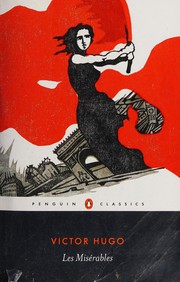
Les Misérables
Set in nineteenth-century France during a period of profound social inequality and political unrest, Les Misérables follows Jean Valjean, a former convict who struggles to rebuild his life after spending nineteen years in prison for stealing bread and attempting to escape. Despite his determination to become an honest man, he is relentlessly pursued by Inspector Javert, who believes that a criminal can never truly change. Valjean’s journey becomes intertwined with the lives of Fantine, a desperately poor woman; Cosette, her neglected daughter whom he raises as his own; and Marius, a young revolutionary caught up in the Paris uprising of 1832. Through their intersecting stories, Hugo explores poverty, injustice, sacrifice, love, and the possibility of redemption. Blending intimate human struggles with sweeping historical events, the novel offers a powerful critique of a society that punishes the vulnerable while questioning whether compassion and moral courage can overcome even the deepest forms of suffering.
France
1862
4
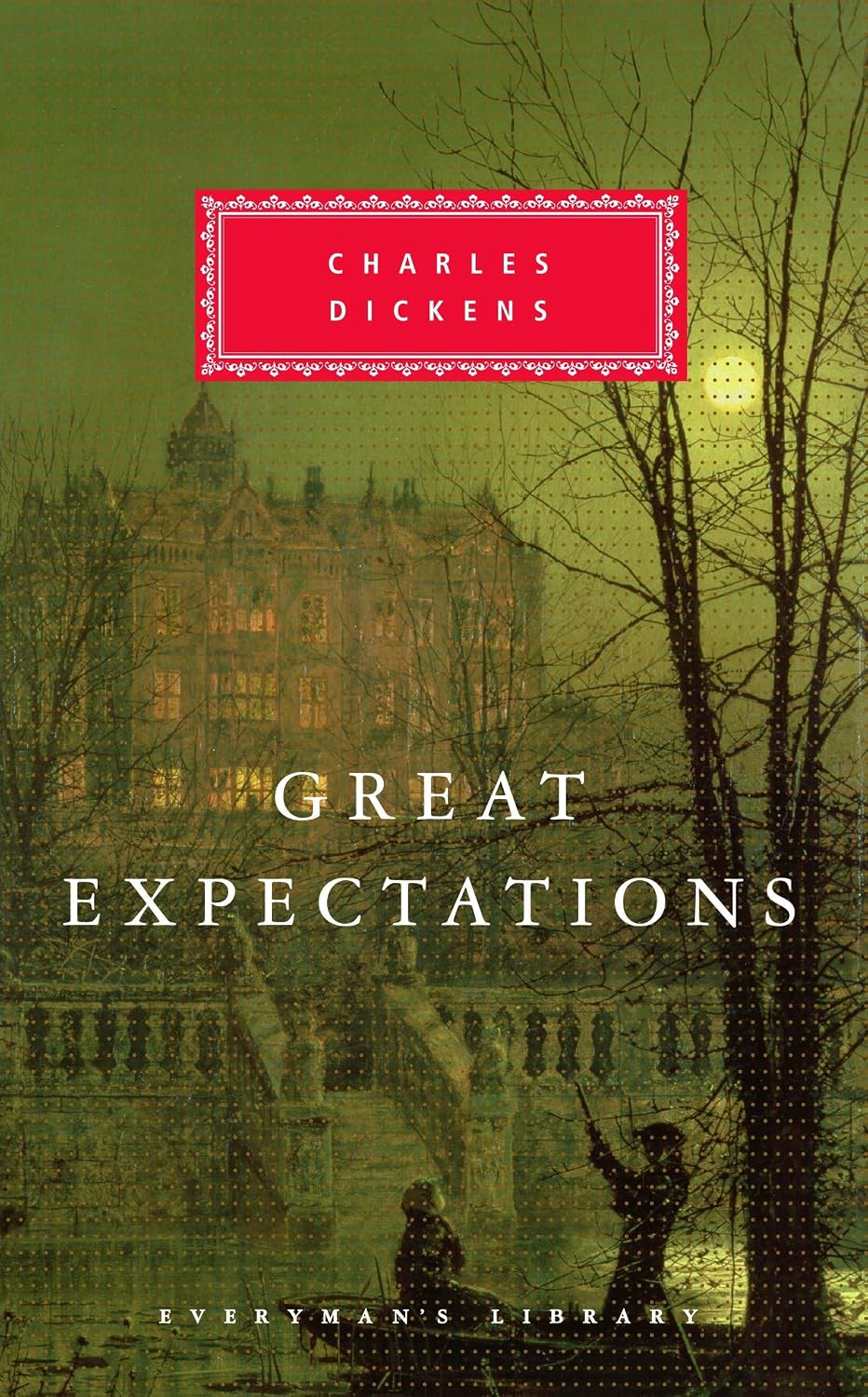
Great Expectations
Great Expectations follows Pip, an orphan raised by his harsh older sister and her kind husband, Joe Gargery. After encountering an escaped convict and becoming acquainted with the wealthy but eccentric Miss Havisham, Pip begins to dream of rising above his humble origins. When he unexpectedly receives money from an anonymous benefactor, he moves to London to become a gentleman, believing that wealth and social status will bring him happiness and the love of Estella, Miss Havisham’s beautiful but emotionally distant ward. As Pip discovers the truth about his fortune, he must confront his own pride and the assumptions he has made about class and respectability. Dickens explores ambition, guilt, loyalty, and moral growth, revealing that genuine worth depends less on social position than on kindness and integrity.
United Kingdom
1861
5
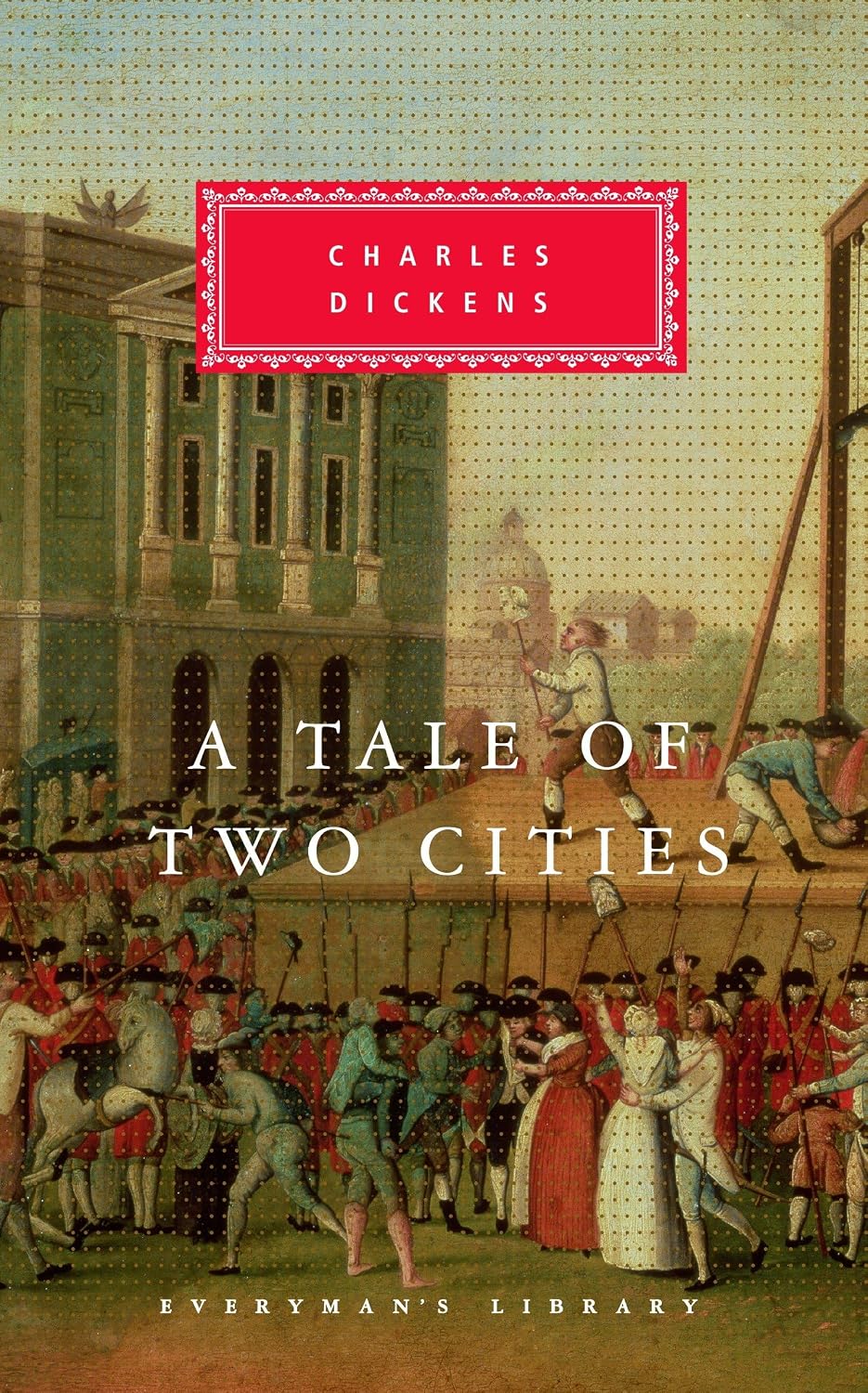
A Tale of Two Cities
A Tale of Two Cities unfolds in London and Paris during the years leading up to and throughout the French Revolution. The story follows Charles Darnay, a French aristocrat who rejects his family’s oppressive traditions, and Sydney Carton, a disillusioned English lawyer whose life appears to lack purpose. Both men love Lucie Manette, whose father has been released after years of imprisonment in the Bastille. As revolutionary violence spreads across France, Darnay’s aristocratic origins place him in danger despite his rejection of inherited privilege. Carton eventually faces a choice that transforms his life and gives the novel its powerful conclusion. Dickens examines injustice, class resentment, political extremism, and the possibility of personal redemption. The novel portrays how cruelty can generate further violence while suggesting that courage and self-sacrifice can preserve humanity in times of upheaval.
United Kingdom
1859
6
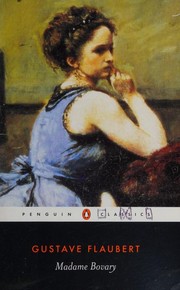
Madame Bovary
Madame Bovary follows Emma Bovary, a young woman who marries Charles, a provincial doctor, hoping for a life filled with romance, luxury, and excitement. Influenced by romantic novels and idealised visions of love, she soon becomes disappointed by the routine of married life and the limitations of her social environment. Seeking escape, Emma pursues passionate relationships and extravagant purchases, gradually accumulating debts that threaten to destroy her carefully constructed image of happiness. Her attempts to transform her life into something extraordinary instead lead her into increasingly desperate circumstances. Through Emma’s story, Flaubert critiques the social conventions and material ambitions of nineteenth-century provincial France. The novel explores desire, disillusionment, and the gap between fantasy and reality, portraying a woman whose longing for a more fulfilling existence collides with the restrictive expectations of her time.
France
1857
7
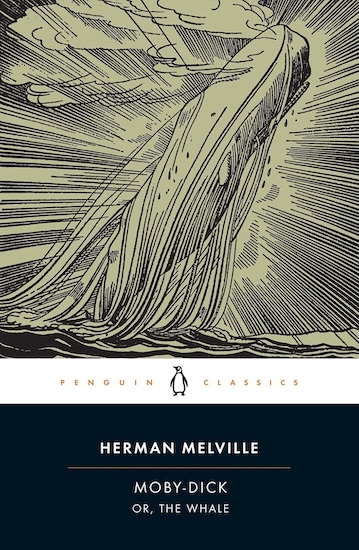
Moby-Dick, or, The whale
Narrated by the sailor Ishmael, Moby-Dick recounts a whaling voyage aboard the Pequod, commanded by the obsessive Captain Ahab. Ahab is determined to hunt down Moby Dick, a massive white whale that previously injured him. As the ship travels across the oceans, the voyage becomes increasingly dominated by the captain’s consuming desire for revenge. Blending maritime adventure with philosophical reflection, Melville explores humanity’s relationship with nature, the limits of knowledge, and the dangers of allowing obsession to govern one’s life. The novel’s detailed descriptions of whaling are interwoven with questions about fate, faith, and the meaning of existence, transforming a pursuit of a whale into a profound meditation on the human condition.
United States
1851
8
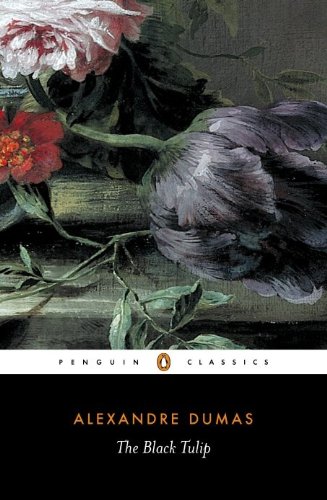
The Black Tulip
Set in the Netherlands in 1672, The Black Tulip follows Cornelius van Baerle, a passionate and wealthy tulip grower whose greatest ambition is to cultivate the first completely black tulip. His peaceful life is shattered when political intrigue leads to his imprisonment, after he is falsely accused of conspiring against the powerful brothers Cornelis and Johan de Witt. Behind bars, Cornelius continues his botanical pursuit with the help of Rosa, the jailer’s daughter, who becomes his devoted ally and eventually his beloved. As jealousy, betrayal, and greed threaten his dream, Cornelius must fight to protect both his flower and his freedom. Blending historical adventure, romance, and political drama, Dumas explores the destructive power of envy alongside the redemptive strength of loyalty and compassion. The black tulip becomes a symbol of perseverance and the pursuit of an extraordinary goal in a world shaped by ambition and injustice.
France
1850
9
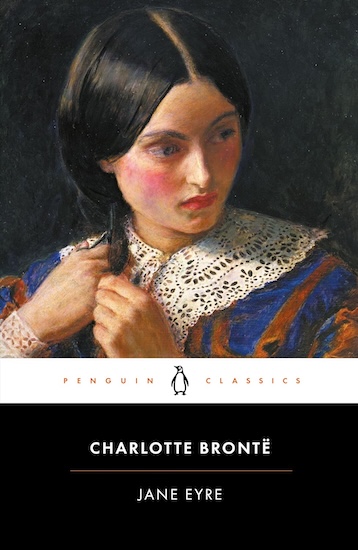
Jane Eyre
Jane Eyre follows an orphaned girl who grows up facing cruelty and neglect before becoming a governess at Thornfield Hall. Intelligent and determined, Jane values her independence and refuses to accept a life defined entirely by her social position or gender. At Thornfield, she falls in love with her employer, Edward Rochester, but discovers that his household conceals a disturbing secret that threatens their future together. When Jane is forced to choose between love and her moral principles, she leaves rather than compromise her dignity. Her journey eventually brings her new opportunities, unexpected family connections, and a chance to reconsider her relationship with Rochester. Brontë explores female autonomy, class inequality, religious morality, and the search for emotional belonging. The novel celebrates a woman’s right to pursue love without surrendering her conscience or independence.
United Kingdom
1847
10
Wuthering Heights
Wuthering Heights tells the turbulent story of Catherine Earnshaw and Heathcliff, whose intense attachment becomes entangled with pride, social ambition, and revenge. Growing up together on the Yorkshire moors, they develop a bond that Catherine ultimately sacrifices by marrying Edgar Linton, a man of higher social standing. Heathcliff, devastated by her decision, returns years later wealthy and determined to punish those he believes have wronged him. His revenge extends beyond Catherine and Edgar, affecting their children and the next generation. Through its layered narration and haunting landscape, Brontë explores destructive passion, class divisions, and the lasting consequences of emotional cruelty. The novel challenges idealised notions of romantic love, portraying attachment as a force that can inspire profound devotion while also consuming lives and perpetuating suffering.
United Kingdom
1847
11
Oliver Twist: Or the Parish Boy's Progress
Oliver Twist follows an orphaned boy who grows up in the brutal conditions of a Victorian workhouse. After asking for more food, Oliver is punished and eventually sent away to work, but he escapes to London in search of a better life. There he falls into the company of a group of young thieves controlled by the criminal Fagin. Although Oliver is repeatedly exposed to exploitation and violence, he retains his kindness and honesty. His circumstances eventually bring him into contact with people who recognise his innocence and attempt to protect him. Dickens exposes the cruelty of institutions that punish poverty rather than alleviate it, highlighting the vulnerability of children in a society marked by inequality. The novel explores justice, compassion, and the possibility of moral goodness surviving even in deeply corrupt environments.
United Kingdom
1838
12
Notre-Dame of Paris
Often known in English as The Hunchback of Notre Dame this is the famous story of Quasimodo and the beautiful Gypsy girl he loves and eventually rescues after she has been wrongly sentenced to hang for murder. Alas it all ends badly. A timeless tale of love, devotion, jealousy and deception.
France
1831