Classics
All countries
Antigua and Barbuda
Argentina
Armenia
Australia
Austria
Azerbaijan
Bangladesh
Barbados
Belgium
Bosnia and Herzegovina
Brazil
Chile
China
Colombia
Czech Republic
Denmark
Dominica
Dominican Republic
Egypt
Finland
France
Germany
Greece
Hungary
Iceland
India
Indonesia
Iran
Ireland
Italy
Japan
Kenya
Kyrgyzstan
Lebanon
Lithuania
Mexico
Netherlands
Norway
Pakistan
Palestine
Peru
Portugal
Romania
Russia
Saudi Arabia
Spain
Sudan
Sweden
Switzerland
Taiwan
Türkiye
Ukraine
United Kingdom
United States
1
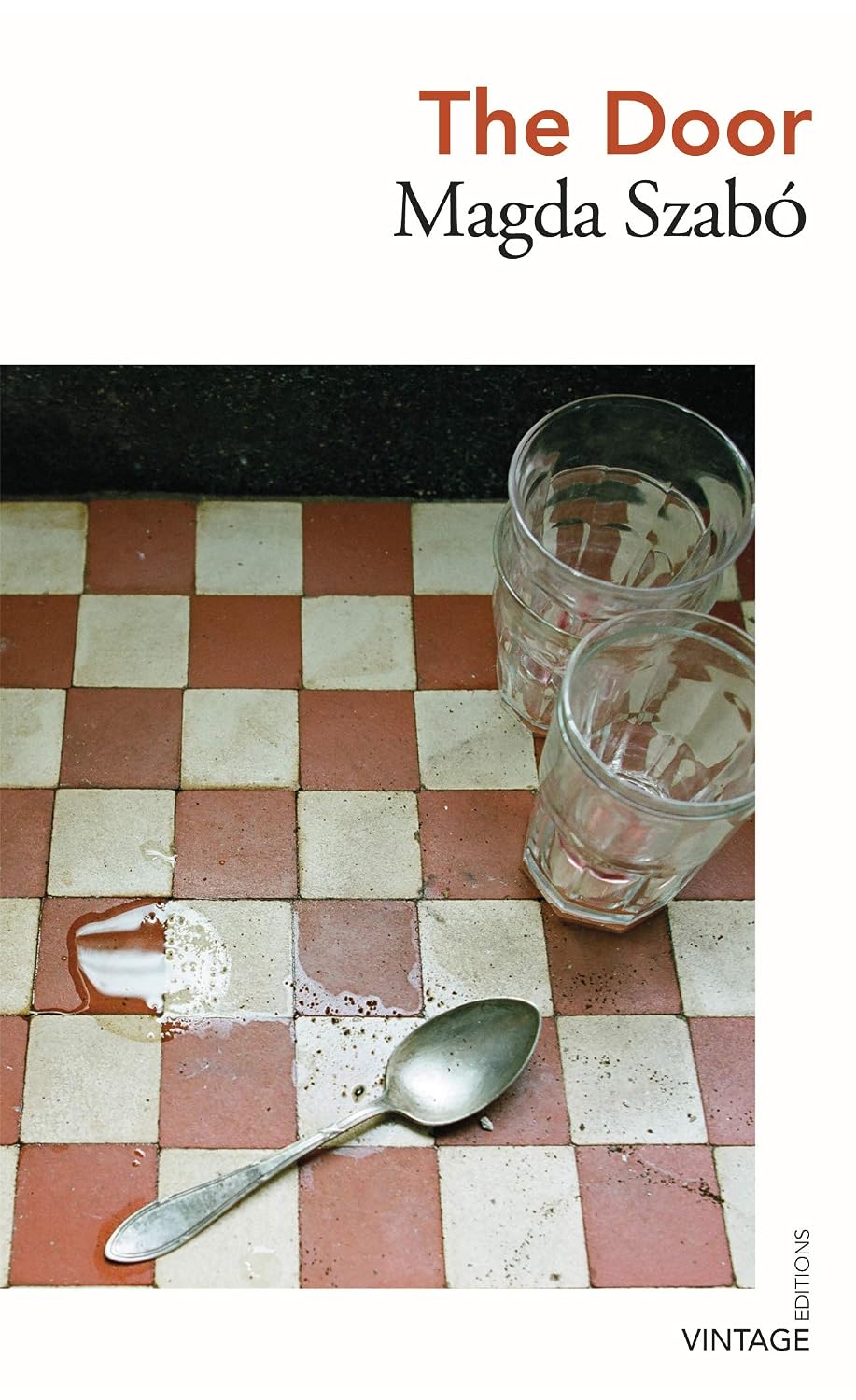
The Door
The Door is a psychological novel about the complicated relationship between a successful Hungarian writer and her enigmatic housekeeper, Emerence. When the narrator hires Emerence to help manage her household, she encounters a woman whose fierce independence, strict routines, and guarded private life conceal a painful past. Over the years, the two women develop a profound but often turbulent bond, shaped by affection, resentment, loyalty, and misunderstandings. Emerence’s refusal to let anyone enter her home becomes a powerful symbol of her emotional boundaries and the secrets she struggles to protect. Through this intimate relationship, Szabó explores the limits of love, the burden of guilt, the unequal balance of power between people, and the difficulty of truly knowing another person. The novel is both a portrait of an extraordinary woman and a meditation on the moral responsibilities we have toward those we love.
Hungary
1987
2
Women Without Men
Set in Iran against the backdrop of the 1953 coup d’état, Women Without Men follows the interconnected lives of five women whose experiences reflect the restrictions placed on women by family, marriage, and society. Among them are Munis, a woman longing to escape her brother’s control; Faizeh, her friend who dreams of marriage; Mahdokht, a woman troubled by conventional expectations of femininity; Farrokhlaqa, a wealthy housewife seeking a different life; and Zarrinkolah, a sex worker who begins to question the world around her.
Their individual journeys eventually lead them to a garden on the outskirts of Tehran, where they attempt to create a life beyond the rules that have governed them. Blending magical realism, mysticism, and historical events, Parsipur explores female autonomy, sexuality, and the search for identity. Through surreal transformations and symbolic storytelling, the novella imagines the possibility of women reclaiming their bodies, choices, and futures.
Iran
1989
3

The Stranger
The Stranger follows Meursault, an emotionally detached French Algerian who lives in Algiers and seems indifferent to the social conventions that govern those around him. After attending his mother’s funeral without displaying the expected signs of grief, he returns to his ordinary routine, beginning a relationship with Marie and becoming involved in the affairs of his neighbour, Raymond. During a seemingly unremarkable day at the beach, a confrontation leads Meursault to commit a sudden act of violence that changes the course of his life.
As he faces trial, the focus gradually shifts from the crime itself to his unconventional behaviour and apparent refusal to conform to society’s expectations. Through Meursault’s experience, Camus explores alienation, morality, justice, and the absurdity of human existence. Set in colonial Algeria, the novel also reflects the inequalities and tensions of the period. Written in a spare, detached style, The Stranger questions whether society judges people for their actions or for their failure to express the emotions and beliefs it considers acceptable.
France
1989
4
Cloudstreet
Cloudstreet tells the story of two working-class Australian families, the Pickles and the Lambs, who come to share a large, weathered house in Perth after separate family tragedies. Over two decades, their lives become intertwined through births, deaths, arguments, reconciliations, and everyday routines. The Pickles are impulsive and frequently unlucky, while the Lambs are guided by faith, discipline, and a strong sense of responsibility. Despite their differences, both families struggle with grief, poverty, and the desire to create a better future for their children. Winton combines realism, humour, folklore, and supernatural elements to portray the complexity of ordinary lives. The house itself becomes a powerful symbol of shared history, suggesting that healing and belonging can emerge from the unexpected connections between people.
Australia
1991
5
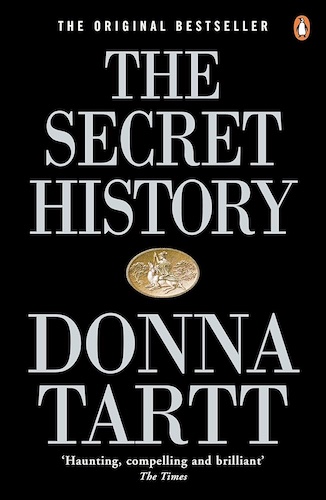
The Secret History
At an elite Vermont college, a tight-knit group of classics students becomes consumed by beauty, intellectual obsession, and the darker side of ancient philosophy. When their pursuit of an extraordinary experience leads to murder, their carefully constructed world begins to unravel. An atmospheric psychological novel about guilt, privilege, and the dangerous allure of belonging.
United States
1992
6
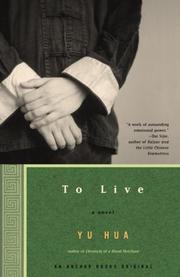
To Live
To Live follows Fugui, the son of a wealthy Chinese landowner whose reckless gambling eventually costs his family its fortune. Forced to abandon his privileged lifestyle, Fugui begins a difficult journey through decades of political and social upheaval in twentieth-century China, including the Chinese Civil War, the Great Leap Forward, and the Cultural Revolution. As the country undergoes profound transformations, Fugui and his family struggle to survive poverty, political persecution, and personal tragedy.
Told through Fugui’s recollections to a travelling folk singer, the novel offers an intimate portrait of ordinary people caught in the forces of history. Despite repeated losses, Fugui continues to endure, finding meaning in the simple act of living. Yu Hua combines stark realism with moments of dark humour and tenderness, exploring family bonds, resilience, and the fragility of human happiness. Ultimately, To Live is a moving reflection on suffering and survival, suggesting that the determination to continue can itself become a form of courage.
China
1993
7
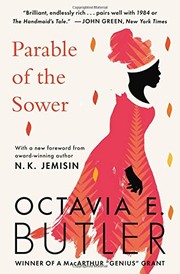
Parable of the Sower
In 2025, with the world descending into madness and anarchy, one woman begins a fateful journey toward a better future.
Lauren Olamina and her family live in one of the only safe neighborhoods remaining on the outskirts of Los Angeles. Behind the walls of their defended enclave, Lauren’s father, a preacher, and a handful of other citizens try to salvage what remains of a culture that has been destroyed by drugs, disease, war, and chronic water shortages. While her father tries to lead people on the righteous path, Lauren struggles with hyperempathy, a condition that makes her extraordinarily sensitive to the pain of others.
When fire destroys their compound, Lauren’s family is killed and she is forced out into a world that is fraught with danger. With a handful of other refugees, Lauren must make her way north to safety, along the way conceiving a revolutionary idea that may mean salvation for all mankind.
United States
1993
8
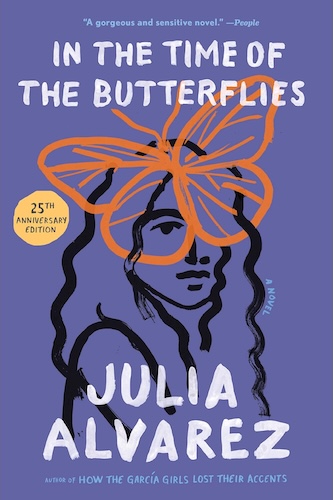
In the Time of the Butterflies
Four sisters. One brutal dictatorship. A courage that would outlive them all.
In the Dominican Republic under Rafael Trujillo’s oppressive regime, the Mirabal sisters lead seemingly ordinary lives until they are drawn into the underground resistance. As Minerva, Patria, and María Teresa risk everything to challenge the dictator, their youngest sister, Dedé, must confront the consequences of their growing defiance. Inspired by the true story of the Mirabal sisters, three of whom were murdered on Trujillo’s orders in 1960, Julia Alvarez brings their lives to the page with tenderness and emotional power. Through love, family bonds, and acts of extraordinary bravery, this moving novel explores the price of resistance and the strength it takes to stand against tyranny. The sisters, remembered as Las Mariposas (the Butterflies), became enduring symbols of freedom and courage.
Dominican Republic
1994
9
Last Words From Montmartre
Last Words from Montmartre is an experimental, semi-autobiographical novel told through a series of letters written by a young Taiwanese writer named Zoë. Addressing friends and loved ones, Zoë reflects on her relationships, sexuality, artistic ambitions, and growing sense of alienation while moving between Taiwan and Paris. As her emotional world becomes increasingly unstable, the letters reveal the difficulties of reconciling romantic desire with personal freedom and the longing to be understood by others.
Blending fiction, autobiography, philosophical reflection, and intimate confession, Qiu Miaojin explores the complexities of queer identity, heartbreak, and the search for meaning in a world that can feel profoundly isolating. The fragmented structure mirrors the narrator’s shifting emotional states, allowing memories, dreams, and observations to coexist without a conventional narrative progression. Written with remarkable intensity and vulnerability, the novel captures the transformative and sometimes destructive power of love while questioning the boundaries between life, art, and self-expression.
Taiwan
1996
10
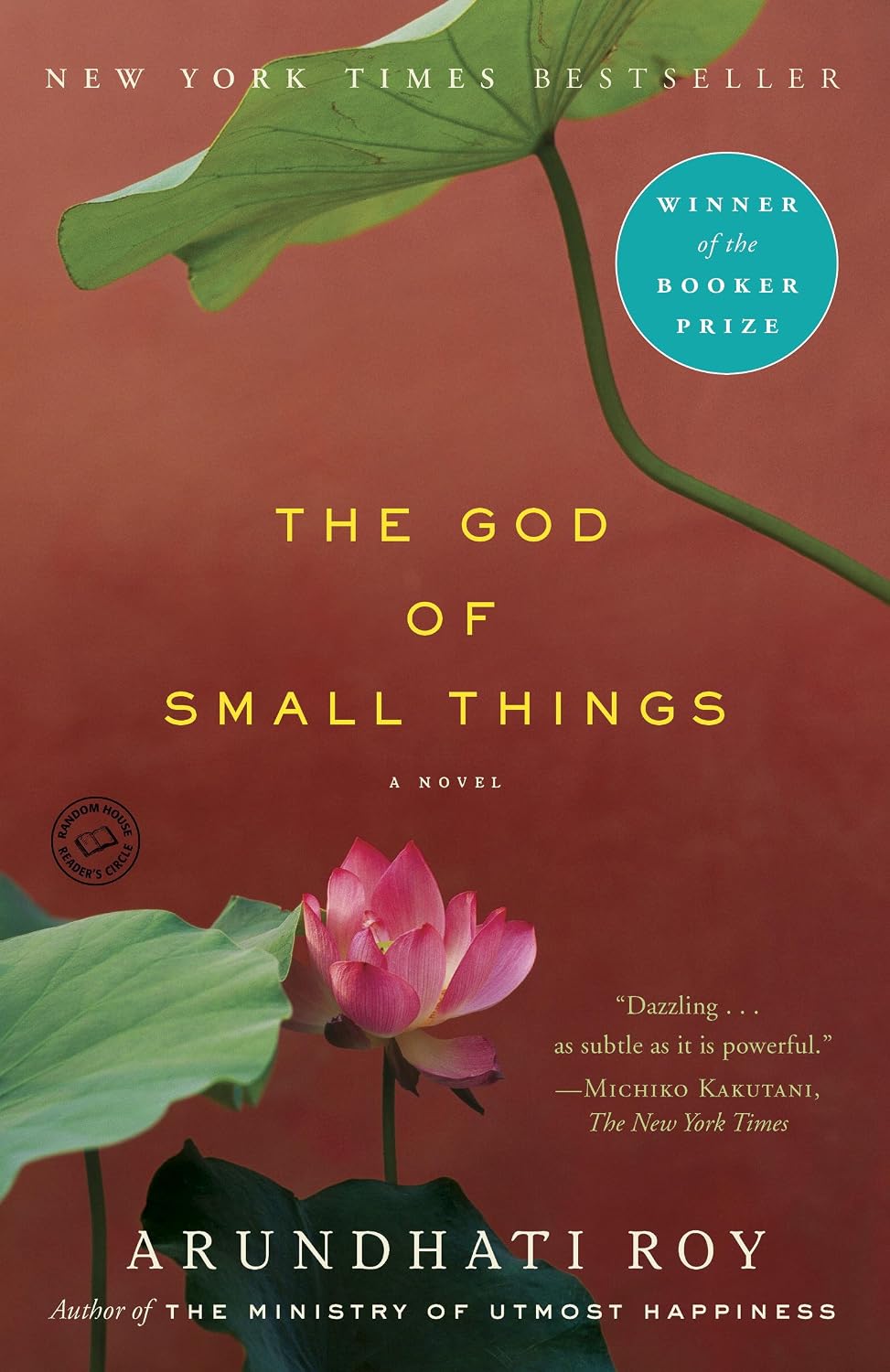
The God of Small Things
Set in Kerala, southern India, The God of Small Things tells the story of fraternal twins Estha and Rahel, whose childhood is shattered by a series of tragic events that permanently alter their family. Through a nonlinear narrative that moves between their childhood in 1969 and their reunion as adults, the novel explores the consequences of forbidden love, social prejudice, and deeply rooted cultural expectations. When their cousin Sophie Mol visits from England, an unexpected tragedy exposes the family’s hidden tensions and the cruelty of the social hierarchies governing their lives. At the centre of the story is Ammu, the twins’ mother, whose relationship with Velutha, a man from an oppressed caste, challenges the rigid boundaries of Indian society. Roy’s lyrical prose captures the beauty of childhood perception alongside the devastating effects of discrimination, silence, and loss. The novel examines how seemingly small moments can shape entire lives, revealing the profound consequences of breaking society’s unwritten rules.
India
1997
11

Independent People
Independent People follows Bjartur of Summerhouses, a stubborn Icelandic sheep farmer determined to achieve financial independence after years of working as a tenant. Having finally acquired his own small farm, he dedicates his life to preserving his freedom, believing that self-sufficiency is the highest form of dignity. However, his relentless pursuit of independence comes at a devastating cost to his family, particularly his wife and children, who endure poverty, isolation, and emotional hardship. Set against Iceland’s harsh rural landscape in the early twentieth century, the novel portrays the struggle between individual ambition and human connection. Through Bjartur’s tragic determination, Halldór Laxness explores poverty, pride, social inequality, and the contradictions of freedom, questioning whether a life entirely devoted to independence can ever lead to genuine happiness.
Iceland
1997
12
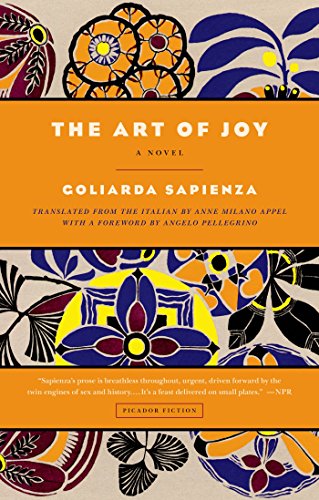
Art of Joy
The Art of Joy follows Modesta, a fiercely independent woman born into poverty in Sicily on New Year’s Day 1900. After a difficult childhood marked by family tragedy, she finds refuge in a convent, but her intelligence, ambition, and refusal to accept the limits imposed on women lead her toward a very different life. Through determination and cunning, Modesta rises into aristocratic society, building relationships and pursuing intellectual, emotional, and sexual freedom on her own terms.
Spanning much of the twentieth century, the novel follows Modesta through personal transformations and the political upheavals of modern Italian history. Goliarda Sapienza challenges conventional ideas about morality, religion, marriage, and femininity, presenting a protagonist who refuses to be defined by society’s expectations. Bold, sensual, and politically provocative, the novel celebrates the pursuit of pleasure and self-determination while examining the contradictions involved in living freely in an unequal world.
Italy
1998