Classics
All countries
Antigua and Barbuda
Argentina
Armenia
Australia
Austria
Azerbaijan
Bangladesh
Barbados
Belgium
Bosnia and Herzegovina
Brazil
Chile
China
Colombia
Czech Republic
Denmark
Dominica
Dominican Republic
Egypt
Finland
France
Germany
Greece
Hungary
Iceland
India
Indonesia
Iran
Ireland
Italy
Japan
Kenya
Kyrgyzstan
Lebanon
Lithuania
Mexico
Netherlands
Norway
Pakistan
Palestine
Peru
Portugal
Romania
Russia
Saudi Arabia
Spain
Sudan
Sweden
Switzerland
Taiwan
Türkiye
Ukraine
United Kingdom
United States
1
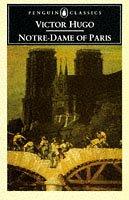
Notre-Dame of Paris
Often known in English as The Hunchback of Notre Dame this is the famous story of Quasimodo and the beautiful Gypsy girl he loves and eventually rescues after she has been wrongly sentenced to hang for murder. Alas it all ends badly. A timeless tale of love, devotion, jealousy and deception.
France
1831
2
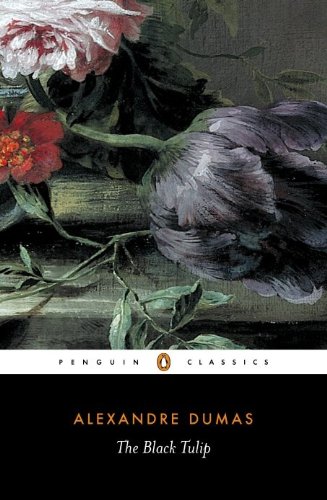
The Black Tulip
Set in the Netherlands in 1672, The Black Tulip follows Cornelius van Baerle, a passionate and wealthy tulip grower whose greatest ambition is to cultivate the first completely black tulip. His peaceful life is shattered when political intrigue leads to his imprisonment, after he is falsely accused of conspiring against the powerful brothers Cornelis and Johan de Witt. Behind bars, Cornelius continues his botanical pursuit with the help of Rosa, the jailer’s daughter, who becomes his devoted ally and eventually his beloved. As jealousy, betrayal, and greed threaten his dream, Cornelius must fight to protect both his flower and his freedom. Blending historical adventure, romance, and political drama, Dumas explores the destructive power of envy alongside the redemptive strength of loyalty and compassion. The black tulip becomes a symbol of perseverance and the pursuit of an extraordinary goal in a world shaped by ambition and injustice.
France
1850
3
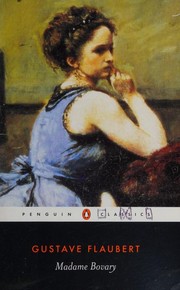
Madame Bovary
Madame Bovary follows Emma Bovary, a young woman who marries Charles, a provincial doctor, hoping for a life filled with romance, luxury, and excitement. Influenced by romantic novels and idealised visions of love, she soon becomes disappointed by the routine of married life and the limitations of her social environment. Seeking escape, Emma pursues passionate relationships and extravagant purchases, gradually accumulating debts that threaten to destroy her carefully constructed image of happiness. Her attempts to transform her life into something extraordinary instead lead her into increasingly desperate circumstances. Through Emma’s story, Flaubert critiques the social conventions and material ambitions of nineteenth-century provincial France. The novel explores desire, disillusionment, and the gap between fantasy and reality, portraying a woman whose longing for a more fulfilling existence collides with the restrictive expectations of her time.
France
1857
4
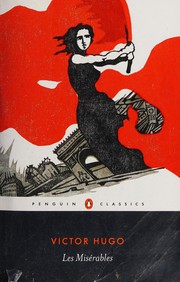
Les Misérables
Set in nineteenth-century France during a period of profound social inequality and political unrest, Les Misérables follows Jean Valjean, a former convict who struggles to rebuild his life after spending nineteen years in prison for stealing bread and attempting to escape. Despite his determination to become an honest man, he is relentlessly pursued by Inspector Javert, who believes that a criminal can never truly change. Valjean’s journey becomes intertwined with the lives of Fantine, a desperately poor woman; Cosette, her neglected daughter whom he raises as his own; and Marius, a young revolutionary caught up in the Paris uprising of 1832. Through their intersecting stories, Hugo explores poverty, injustice, sacrifice, love, and the possibility of redemption. Blending intimate human struggles with sweeping historical events, the novel offers a powerful critique of a society that punishes the vulnerable while questioning whether compassion and moral courage can overcome even the deepest forms of suffering.
France
1862
5
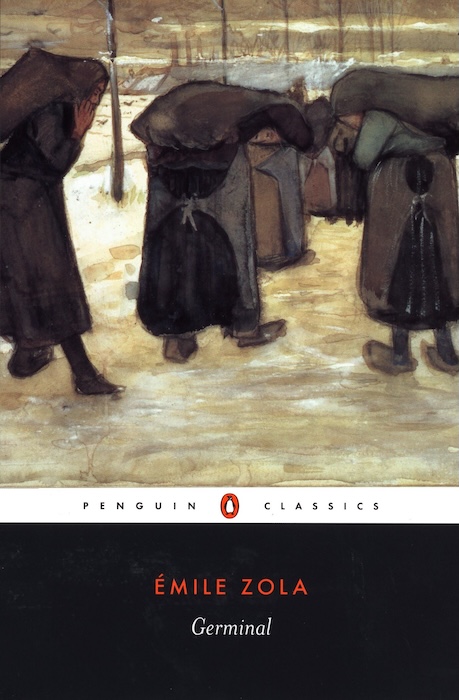
Germinal
Germinal follows Étienne Lantier, an unemployed railway worker who finds work in a coal mine in northern France. There he witnesses the brutal conditions endured by miners, whose dangerous labour and inadequate wages leave their families trapped in poverty. As tensions between workers and mine owners intensify, Étienne becomes involved in efforts to organise a strike demanding better pay and working conditions. Initially united by hope and solidarity, the miners face hunger, repression, and growing divisions as the conflict continues. Zola portrays the physical dangers of industrial labour alongside the social structures that perpetuate inequality. Through vivid descriptions of the mining community, he examines class struggle, exploitation, and collective resistance. The novel’s title evokes the beginning of new growth, suggesting that although the strike suffers a devastating defeat, the desire for social transformation may continue to develop beneath the surface.
France
1885
6
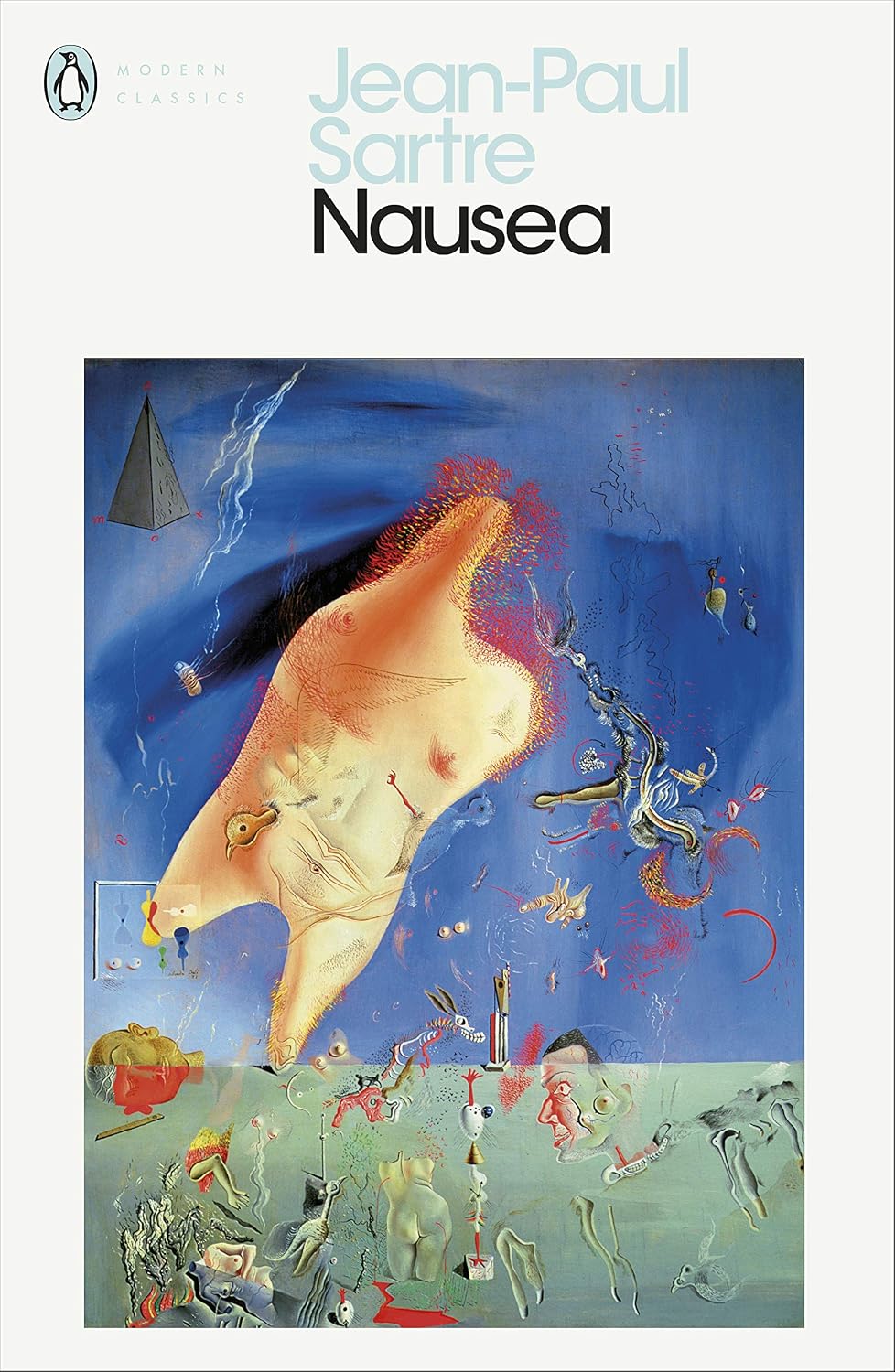
Nausea
A fascinating existentialist novel, written in the form of a journal, about a historian who moves to a small port in northern France to research a biography he is intending to write. Whilst there his senses become dulled and he becomes increasingly disgusted by his own existence, finding no solace with friends or a woman he begins an affair with.
France
1938
7

The Plague
The Plague takes place in the Algerian city of Oran, where an outbreak of bubonic plague gradually isolates the population from the outside world. Dr Bernard Rieux and other residents struggle to respond to the epidemic as deaths increase and everyday life becomes dominated by fear, separation, and uncertainty. As the city is placed under quarantine, its inhabitants react in different ways: some retreat into denial, others seek personal comfort, and many discover unexpected courage through acts of solidarity. Camus uses the epidemic to examine the human response to suffering and the moral responsibilities people have towards one another. Written in the aftermath of the Second World War, the novel is also widely read as an allegory of fascism and resistance. It explores collective responsibility, resilience, and the importance of fighting injustice even when victory remains uncertain.
France
1947
8

Bonjour Tristesse
Set along the sun-drenched French Riviera, Bonjour Tristesse follows seventeen-year-old Cécile, who spends a carefree summer with her charming, pleasure-seeking father, Raymond, and his young lover, Elsa. Their relaxed existence is disrupted when Anne, a sophisticated and principled woman who was once a friend of Cécile’s late mother, arrives and begins a relationship with Raymond. Fearing that Anne will impose discipline and destroy her freedom, Cécile devises a plan to separate the couple, setting in motion consequences she cannot fully control. Narrated by Cécile as she reflects on that pivotal summer, the novel explores adolescence, jealousy, desire, and the unsettling transition from innocence to adulthood. Sagan’s elegant, restrained prose captures the tensions between personal freedom and emotional responsibility, revealing how selfish choices can lead to irreversible loss.
France
1954
9

The Fall
In a dim Amsterdam bar, Jean-Baptiste Clamence, a former Parisian lawyer, begins an extraordinary confession to a stranger. Once admired for his charm, generosity, and defence of the innocent, he enjoyed a life built on the conviction that he was a good man. But one night, while crossing a Parisian bridge, he hears a woman fall into the river—and does nothing to save her. The memory follows him, gradually dismantling his carefully constructed image of himself.
Now living in Amsterdam, Clamence calls himself a judge-penitent: a man who confesses his own sins while exposing the hypocrisy of others. Through his unsettling monologue, Camus examines guilt, moral responsibility, vanity, and humanity’s need to feel innocent. As Clamence reveals more about himself, readers are drawn into an uncomfortable question: are we truly capable of judging others without confronting our own failures?
Darkly ironic and psychologically penetrating, The Fall is a philosophical exploration of the distance between who we believe ourselves to be and who we really are. Camus transforms one man’s confession into a searching indictment of modern society, challenging readers to examine their own motives, silences, and moral compromises.
France
1956
10
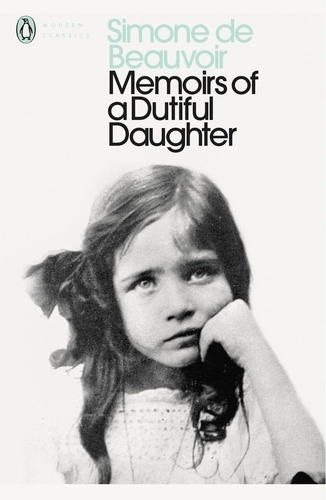
Memoirs of a Dutiful Daughter
Growing up in a respectable Parisian family, Simone de Beauvoir is taught to be a devout Catholic, an obedient daughter, and a woman destined for marriage. But as she discovers philosophy, literature, and the pleasure of independent thought, the beliefs that once defined her world begin to crumble. Questioning religion, challenging social conventions, and resisting her family’s expectations, she gradually realises that intellectual freedom comes at a price. Her journey towards independence is also a story of loneliness, friendship, and the painful discovery that the people we love can become obstacles to our becoming ourselves. Intimate and thought-provoking, this memoir captures the moment a young woman begins to break free from the life society has chosen for her.
France
1958
11

The Woman Destroyed
The Woman Destroyed is a collection of three novellas exploring the emotional crises of women confronting ageing, betrayal, and the collapse of the lives they have built around others. In the title story, Monique, a middle-aged wife and mother, struggles to cope when her husband reveals his infidelity, forcing her to question her marriage and her own sense of self. The other stories portray women facing disillusionment, professional frustration, and the painful realization that their expectations have not matched reality. Through intimate diaries and first-person narratives, Simone de Beauvoir examines the ways women can lose their identities by defining themselves through their relationships, families, and social roles. The collection offers a powerful reflection on independence, self-deception, and the difficult process of rebuilding a life when familiar certainties disappear.
France
1967
12
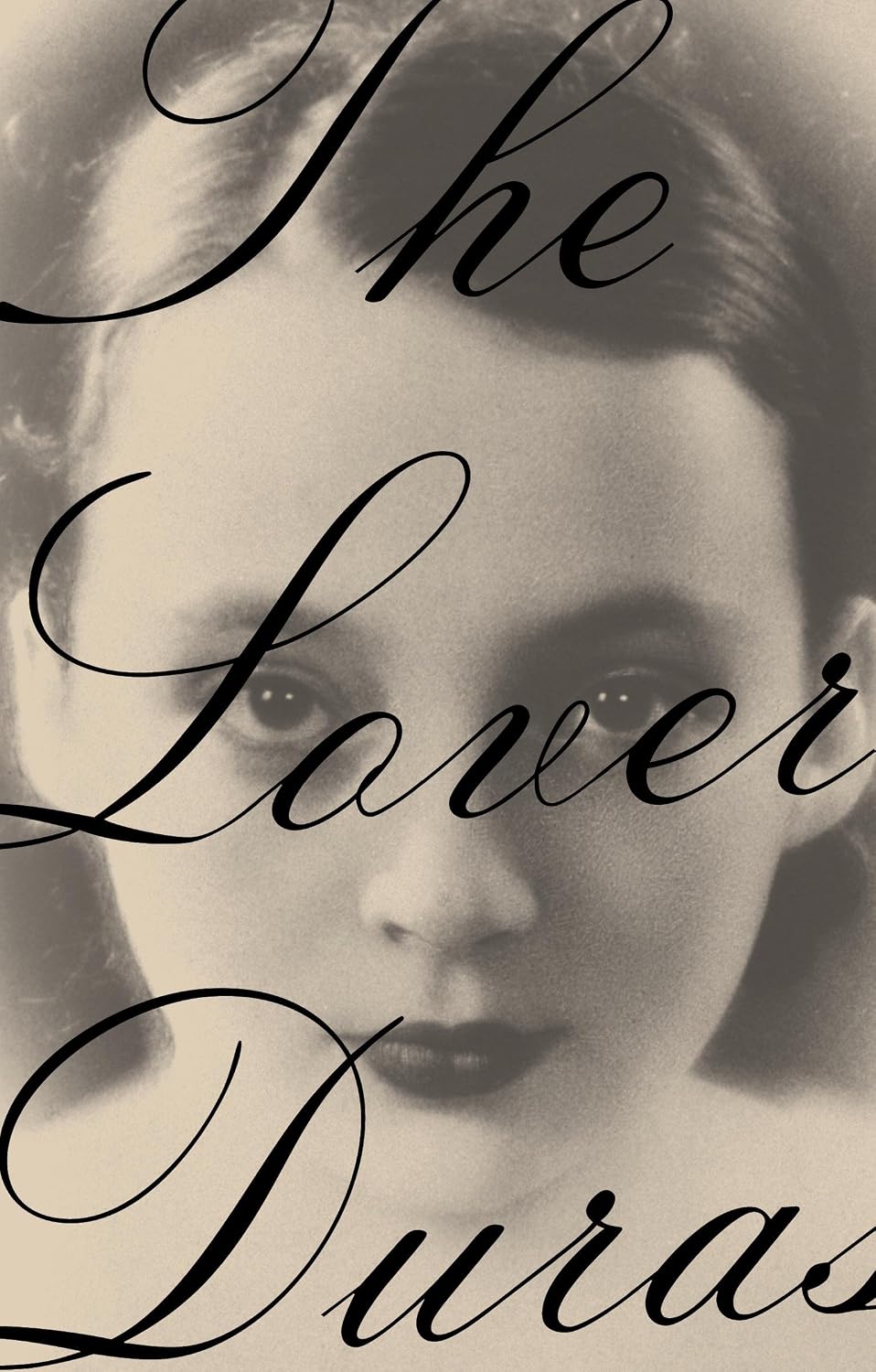
The Lover
The Lover is an autobiographical novel set in French colonial Indochina in the late 1920s. It follows a fifteen-year-old French girl from a financially struggling family who begins a relationship with a wealthy Chinese man several years older than her. Their encounter takes place against a backdrop of racial divisions, colonial hierarchies, and social conventions that shape their lives and determine how their relationship is perceived.
Through fragmented memories and lyrical, introspective prose, Marguerite Duras explores desire, shame, power, and the complicated dynamics of intimacy. The narrator’s relationship with her lover becomes entangled with her difficult family life, particularly her strained relationship with her mother and brothers. As she reflects on the experience from adulthood, memory transforms the story into an examination of how love and sexuality shape identity. Both intimate and unsentimental, the novel reveals the inequalities embedded in colonial society while questioning the boundaries between personal history, desire, and the stories people tell about their past.
France
1984