Books from Zambia
Suggest a book
All genres
Historical Fiction
Literary Fiction
Fantasy
Romance
Horror
Thriller
Non-Fiction
Mystery
Memoir
Classics
History
Sci-Fi
Contemporary Fiction
Science Fiction
Fiction
Poetry
Essays
Family Saga
Magical Realism
Family Drama
Dark Academia
Psychological Fiction
Dark Comedy
Political Writing
Feminist Fiction
Satire
Campus Fiction
Cultural Studies
Biography
Philosophy
Comedy
Drama
Young Adult
Gothic
Dystopia
Crime
Children's Books
Short Stories
Mythology
Cozy
Retellings
Humour
Adventure
All themes
Love & Passion
Adventure & Journey
Identity & Belonging
War & Conflict
Freedom & Resistance
Family & Heritage
Nature & Landscape
Society & Class
Spirituality & Faith
Solitude & Exile
Coming of Age
Revolution & Change
Friendship
History
Immigration
Myths and Retellings
Colonialism
Women & Society
Mental Health
Motherhood
1
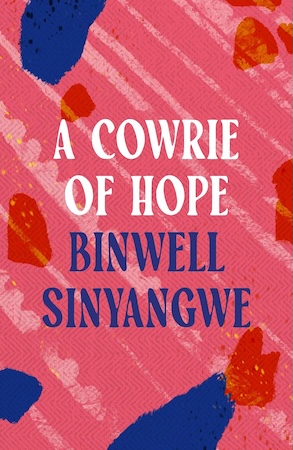
A Cowrie of Hope
Set in Zambia during the economic hardships of the 1990s, A Cowrie of Hope follows Nasula, a young widow determined to secure a better future for her daughter, Sula. After her husband’s death, Nasula refuses to accept the traditional expectation that she should marry her brother-in-law. Her independence comes at a terrible cost: her in-laws strip her of her possessions, leaving her struggling to survive in an impoverished rural community. Yet Nasula has a clear purpose. She believes that education will give Sula the opportunity to escape poverty and build a life free from the restrictions that have shaped her own. When she discovers that she cannot afford her daughter’s school fees, she travels to Lusaka to sell her last sack of valuable beans. In the city, however, she encounters exploitation and dangers that threaten everything she has worked for. Through Nasula’s determination, Sinyangwe portrays a woman’s struggle against poverty, patriarchy, and social injustice. Tender yet unflinching, the novel celebrates maternal love, female solidarity, and the courage required to imagine a different future.
2000
2
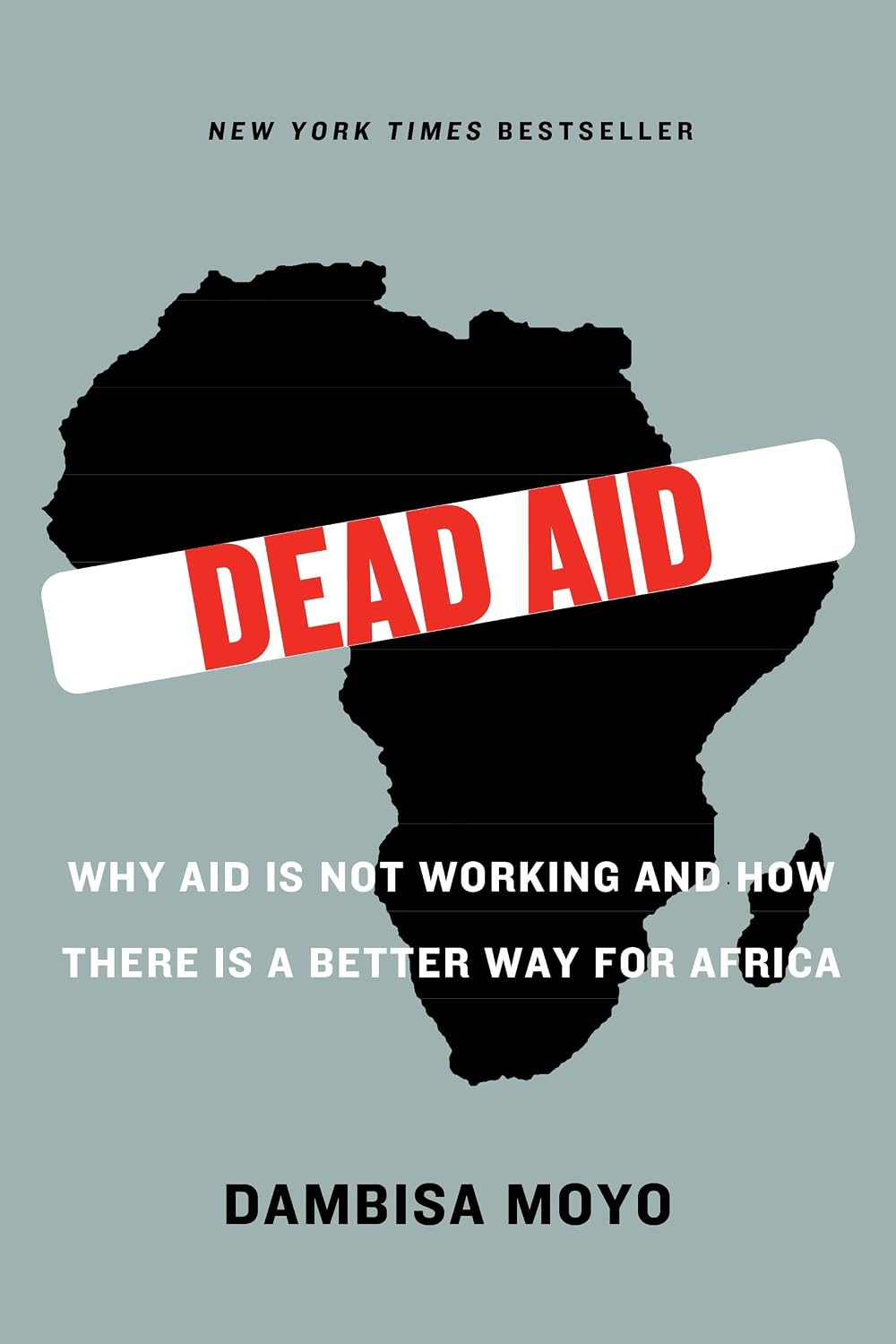
Dead Aid: Why Aid Is Not Working and How There Is Another Way for Africa
In Dead Aid, Zambian economist Dambisa Moyo challenges one of the most widely accepted assumptions about international development: that financial aid from wealthy countries is an effective way to combat poverty in Africa. Drawing on economic research and historical examples, she argues that decades of government-to-government assistance have often failed to deliver sustainable growth, while contributing to corruption, political dependency, and weakened local markets.
Rather than calling for an end to all forms of assistance, Moyo focuses on long-term development aid and proposes alternative ways for African countries to finance their economies. Her recommendations include attracting foreign investment, expanding trade, accessing international capital markets, and strengthening domestic financial systems.
Provocative and controversial, the book challenges readers to reconsider the relationship between wealthy nations and developing countries. Moyo calls for African governments to pursue greater economic independence and for policymakers to rethink the mechanisms through which development is financed. Whether readers agree with her conclusions or not, Dead Aid raises important questions about accountability, sovereignty, and the effectiveness of international development policy.
2009
3
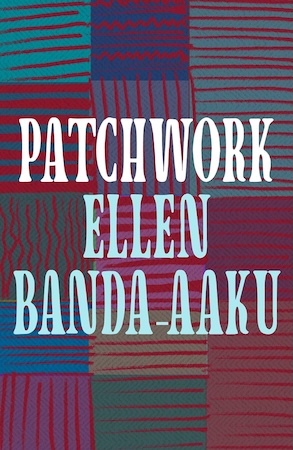
Patchwork
Set in Lusaka, Zambia, in the late 1970s, Patchwork follows Pumpkin, a nine-year-old girl growing up between two contrasting worlds: the relative comfort provided by her wealthy father, Joseph Sakavungo, and the instability of life with her mother, Totela Ponga, whose struggle with alcoholism threatens their fragile family life.
Born outside marriage, Pumpkin carries the stigma of her origins in a society where family reputation, social status, and traditional expectations shape people’s lives. Her father is a powerful businessman with political ambitions, and his involvement with multiple women creates a complicated web of jealousy, rivalry, and emotional dependence. As Pumpkin witnesses the consequences of adult choices, she begins to understand the contradictions underlying the respectable appearances of the people around her.
Spanning three generations of women, the novel explores the ways love, betrayal, addiction, and gender expectations shape family relationships. Against the backdrop of a young nation navigating political ambition and social change, Pumpkin must gradually piece together her identity from the fragments of her family’s troubled history. Tender, bittersweet, and perceptive, Patchwork examines how childhood experiences influence the adults we become.
2011
4
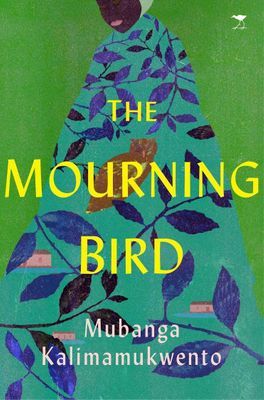
The Mourning Bird
Set in Zambia during the turbulent 1990s, The Mourning Bird follows eleven-year-old Chimuka and her younger brother, Ali, whose lives are shattered by a series of family tragedies. After their father dies and their mother’s struggle to keep the family together ends in further heartbreak, the siblings are left facing an uncertain future. Rejected by their abusive extended family, they escape to the streets of Lusaka, where survival means navigating poverty, violence, drugs, and police brutality.
As Chimuka grows into adolescence, she confronts the limited choices available to vulnerable girls in a society where poverty and gender inequality expose them to exploitation. Meanwhile, Ali becomes increasingly entangled in crime and addiction. Their struggle unfolds against a backdrop of political instability, economic decline, and the devastating impact of HIV/AIDS on Zambian families.
Unflinching yet deeply compassionate, Kalimamukwento’s debut novel examines childhood, grief, and resilience while revealing the hidden suffering of those living on the margins of society. It is both an intimate story of two siblings fighting to survive and a portrait of a nation grappling with profound social upheaval.
2019
5
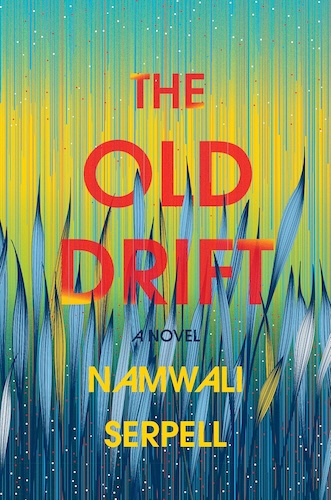
The Old Drift
Beginning in 1904, near the magnificent Victoria Falls, The Old Drift follows three families whose lives become entangled across more than a century of Zambian history. It begins with a seemingly minor incident involving Percy M. Clark, a British settler, an Italian hotelier, and an African busboy—a mistake whose consequences ripple through generations. As the story unfolds, the families experience colonial rule, the struggle for independence, political upheaval, and the uncertainties of a rapidly changing modern world. Their histories are filled with forbidden love, betrayals, extraordinary ambitions, and unexpected connections. Serpell combines historical fiction with magical realism, folklore, romance, and science fiction, even imagining a future shaped by technological innovation and surveillance. The narrative itself is unconventional, narrated in part by a collective chorus of mosquitoes observing humanity’s follies. Ambitious, inventive, and richly layered, The Old Drift is both a multigenerational family saga and a meditation on how the past continues to shape the future of a nation. Through its interwoven lives, the novel explores the lasting legacies of colonialism, the complexity of national identity, and the unintended consequences of human actions.
2019
6
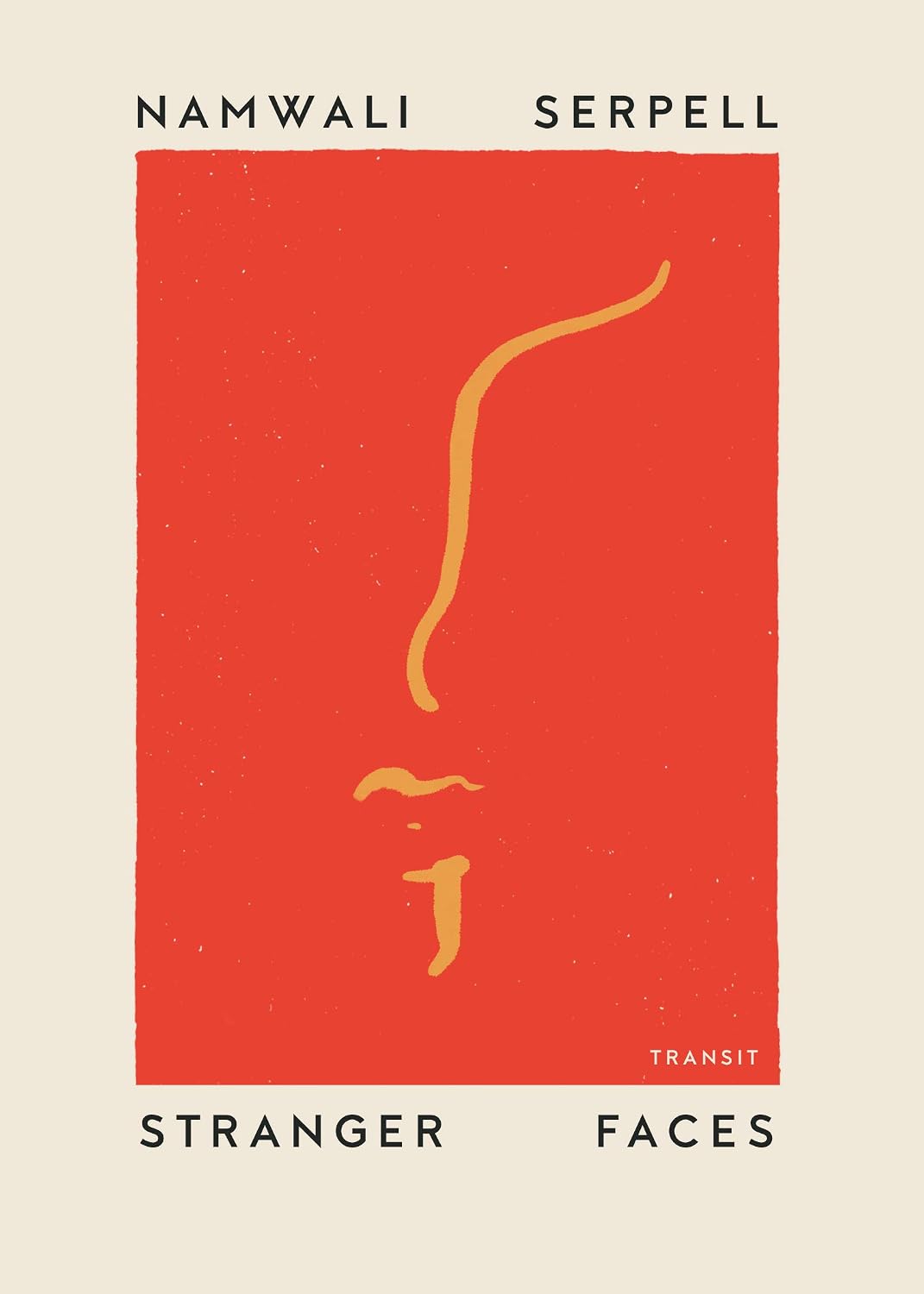
Stranger Faces
What can a face tell us about a person—and how often do we mistake what we see for the truth? In this thought-provoking collection of essays, Zambian writer and scholar Namwali Serpell examines the cultural assumptions we attach to human faces, questioning why we associate appearance with identity, beauty, authenticity, and moral worth. Moving between literature, cinema, philosophy, and digital culture, Serpell explores a fascinating range of faces: those marked by disability, those that challenge racial categorisation, the faces of the dead, and even the expressive faces we create through emojis. She considers figures such as Joseph Merrick, known as the Elephant Man, and examines how society turns unfamiliar appearances into objects of fascination, fear, or pity. With intellectual curiosity, wit, and a playful approach to serious questions, Serpell challenges readers to reconsider the instinct to interpret other people through their appearance. Stranger Faces ultimately invites us to embrace ambiguity and imagine a more compassionate way of seeing one another—one that does not demand that every face conform to our expectations.
2020
7
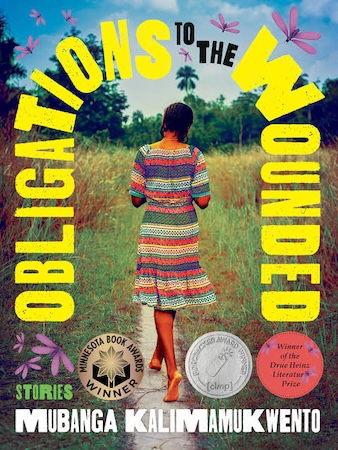
Obligations to the Wounded
In Obligations to the Wounded, Mubanga Kalimamukwento presents a collection of interconnected stories exploring the burdens, expectations, and contradictions that shape the lives of Zambian women and girls. Spanning different generations and geographical settings, the stories portray women negotiating the demands of family, religion, tradition, and community while struggling to preserve their individuality.
Through formally inventive storytelling, Kalimamukwento explores subjects including intimate partner violence, migration, racial discrimination, the loss of language, sexuality, and the complicated relationships between mothers and daughters. Her characters inhabit worlds where inherited customs can offer a sense of belonging while simultaneously restricting personal freedom. Some seek escape; others attempt to reconcile their desires with the obligations imposed upon them.
Moving between personal experiences and broader social questions, the collection examines what women owe their families and communities—and what they owe themselves. Kalimamukwento combines emotional sensitivity with sharp social observation, revealing how pain can be passed between generations but also how solidarity and self-determination can create possibilities for change. The result is a nuanced portrait of contemporary Zambian womanhood, including the experiences of Zambian women living abroad.
2024
8

Prodigal
What does it mean to return home when the place you left has become a stranger—and the past you are returning to is full of unanswered questions?
In Prodigal, award-winning poet Kayo Chingonyi traces the journey from a childhood shaped by loss to an adult reckoning with his Zambian heritage. In 1993, following his father’s death, six-year-old Kayo is sent from Zambia to Newcastle, England. Growing up in Britain, he gradually learns the circumstances surrounding his parents’ deaths from HIV-related illnesses. The stigma surrounding their deaths leaves him carrying grief, shame, and questions about a family history he struggles to understand.
Nearly twenty-five years later, a message from a cousin in Zambia prompts Chingonyi to reconsider the distance separating him from his birthplace. His return becomes an opportunity to piece together fragments of memory, confront the silences surrounding his childhood, and reconsider what he has inherited from the people he lost.
Moving between Zambia and Britain, Chingonyi explores migration, bereavement, cultural belonging, and the complicated process of making peace with one’s past. Music, poetry, and family memories become ways of reconnecting with what has been lost. Prodigal is an intimate memoir about discovering that returning home is not simply about retracing your steps—it is about learning to understand the person you have become.
2027