
Zambia

Africa
Zambia
8
books
7
authors

Books from Zambia

1
Prodigal
Prodigal
What does it mean to return home when the place you left has become a stranger—and the past you are returning to is full of unanswered questions? In Prodigal, award-winning poet Kayo Chingonyi traces the journey from a childhood shaped by loss to an adult reckoning with his Zambian heritage. In 1993, following his father’s death, six-year-old Kayo is sent from Zambia to Newcastle, England. Growing up in Britain, he gradually learns the circumstances surrounding his parents’ deaths from HIV-related illnesses. The stigma surrounding their deaths leaves him carrying grief, shame, and questions about a family history he struggles to understand. Nearly twenty-five years later, a message from a cousin in Zambia prompts Chingonyi to reconsider the distance separating him from his birthplace. His return becomes an opportunity to piece together fragments of memory, confront the silences surrounding his childhood, and reconsider what he has inherited from the people he lost. Moving between Zambia and Britain, Chingonyi explores migration, bereavement, cultural belonging, and the complicated process of making peace with one’s past. Music, poetry, and family memories become ways of reconnecting with what has been lost. Prodigal is an intimate memoir about discovering that returning home is not simply about retracing your steps—it is about learning to understand the person you have become.
2027
2
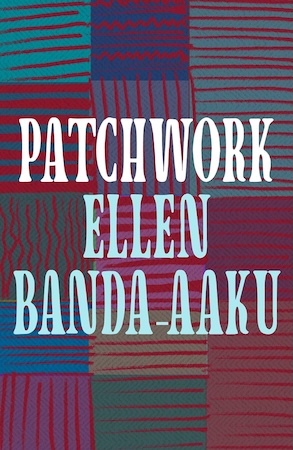
Patchwork
Patchwork
Set in Lusaka, Zambia, in the late 1970s, Patchwork follows Pumpkin, a nine-year-old girl growing up between two contrasting worlds: the relative comfort provided by her wealthy father, Joseph Sakavungo, and the instability of life with her mother, Totela Ponga, whose struggle with alcoholism threatens their fragile family life. Born outside marriage, Pumpkin carries the stigma of her origins in a society where family reputation, social status, and traditional expectations shape people’s lives. Her father is a powerful businessman with political ambitions, and his involvement with multiple women creates a complicated web of jealousy, rivalry, and emotional dependence. As Pumpkin witnesses the consequences of adult choices, she begins to understand the contradictions underlying the respectable appearances of the people around her. Spanning three generations of women, the novel explores the ways love, betrayal, addiction, and gender expectations shape family relationships. Against the backdrop of a young nation navigating political ambition and social change, Pumpkin must gradually piece together her identity from the fragments of her family’s troubled history. Tender, bittersweet, and perceptive, Patchwork examines how childhood experiences influence the adults we become.
2011
3
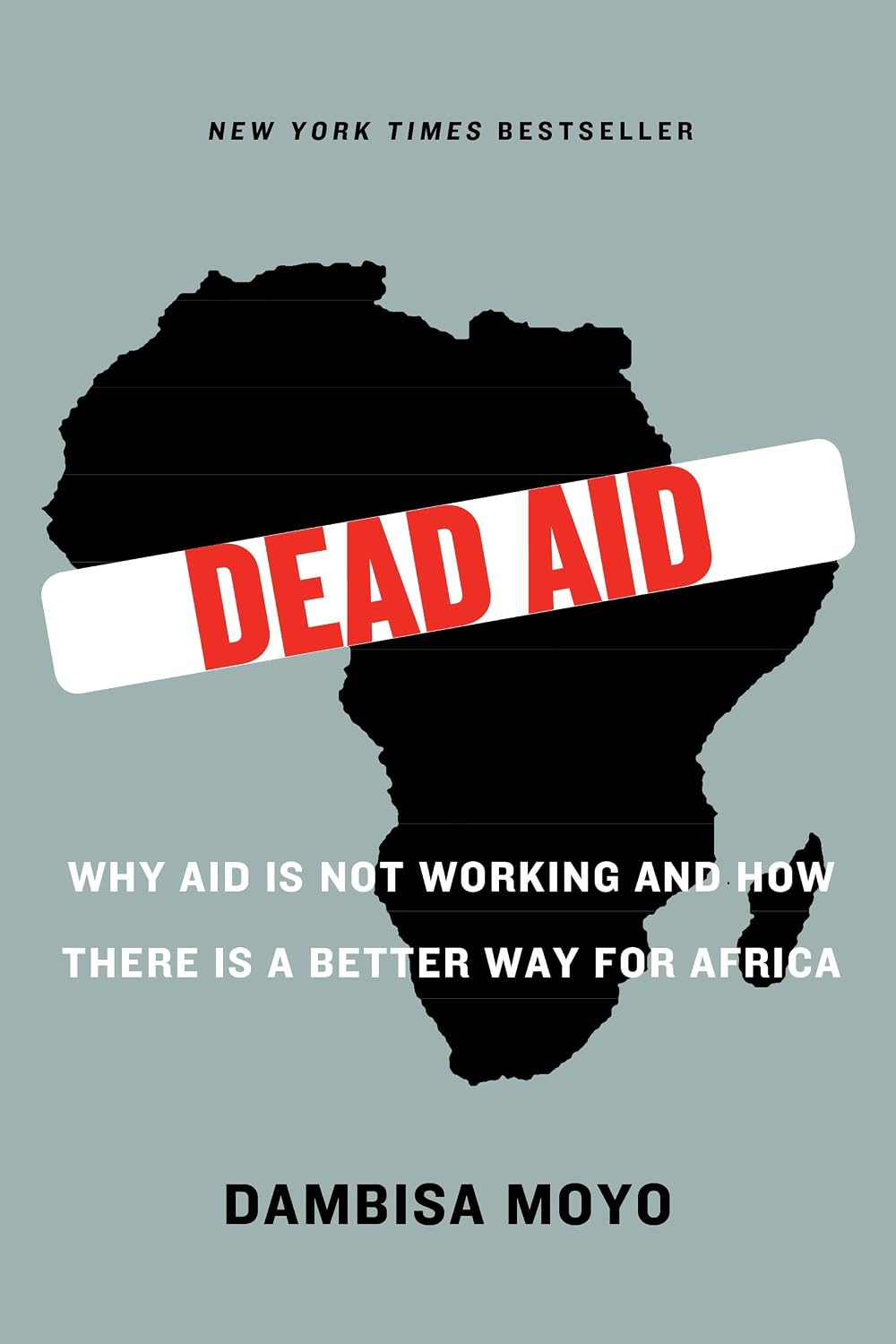
Dead Aid: Why Aid Is Not Working and How There Is Another Way for Africa
In Dead Aid, Zambian economist Dambisa Moyo challenges one of the most widely accepted assumptions about international development: that financial aid from wealthy countries is an effective way to combat poverty in Africa. Drawing on economic research and historical examples, she argues that decades of government-to-government assistance have often failed to deliver sustainable growth, while contributing to corruption, political dependency, and weakened local markets. Rather than calling for an end to all forms of assistance, Moyo focuses on long-term development aid and proposes alternative ways for African countries to finance their economies. Her recommendations include attracting foreign investment, expanding trade, accessing international capital markets, and strengthening domestic financial systems. Provocative and controversial, the book challenges readers to reconsider the relationship between wealthy nations and developing countries. Moyo calls for African governments to pursue greater economic independence and for policymakers to rethink the mechanisms through which development is financed. Whether readers agree with her conclusions or not, Dead Aid raises important questions about accountability, sovereignty, and the effectiveness of international development policy.
2009
4
Obligations to the Wounded
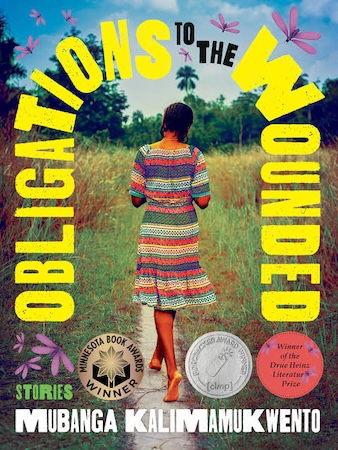
In Obligations to the Wounded, Mubanga Kalimamukwento presents a collection of interconnected stories exploring the burdens, expectations, and contradictions that shape the lives of Zambian women and girls. Spanning different generations and geographical settings, the stories portray women negotiating the demands of family, religion, tradition, and community while struggling to preserve their individuality. Through formally inventive storytelling, Kalimamukwento explores subjects including intimate partner violence, migration, racial discrimination, the loss of language, sexuality, and the complicated relationships between mothers and daughters. Her characters inhabit worlds where inherited customs can offer a sense of belonging while simultaneously restricting personal freedom. Some seek escape; others attempt to reconcile their desires with the obligations imposed upon them. Moving between personal experiences and broader social questions, the collection examines what women owe their families and communities—and what they owe themselves. Kalimamukwento combines emotional sensitivity with sharp social observation, revealing how pain can be passed between generations but also how solidarity and self-determination can create possibilities for change. The result is a nuanced portrait of contemporary Zambian womanhood, including the experiences of Zambian women living abroad.
2024
5
The Mourning Bird
The Mourning Bird
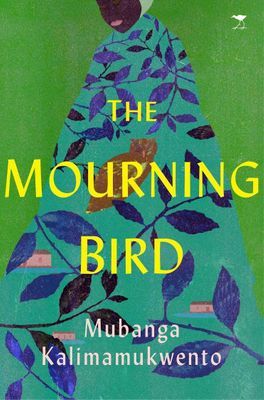
Set in Zambia during the turbulent 1990s, The Mourning Bird follows eleven-year-old Chimuka and her younger brother, Ali, whose lives are shattered by a series of family tragedies. After their father dies and their mother’s struggle to keep the family together ends in further heartbreak, the siblings are left facing an uncertain future. Rejected by their abusive extended family, they escape to the streets of Lusaka, where survival means navigating poverty, violence, drugs, and police brutality. As Chimuka grows into adolescence, she confronts the limited choices available to vulnerable girls in a society where poverty and gender inequality expose them to exploitation. Meanwhile, Ali becomes increasingly entangled in crime and addiction. Their struggle unfolds against a backdrop of political instability, economic decline, and the devastating impact of HIV/AIDS on Zambian families. Unflinching yet deeply compassionate, Kalimamukwento’s debut novel examines childhood, grief, and resilience while revealing the hidden suffering of those living on the margins of society. It is both an intimate story of two siblings fighting to survive and a portrait of a nation grappling with profound social upheaval.
2019

Famous authors from Zambia

About Zambia

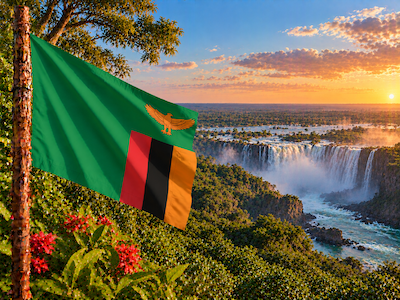
Zambia is a landlocked country in southern Africa, known for its vast plateaus, wildlife-rich national parks, and the spectacular Victoria Falls, which it shares with Zimbabwe. The Zambezi River flows along part of its southern border, creating dramatic gorges and powerful rapids. Its capital, Lusaka, is a rapidly growing city and an important commercial center. Zambia is home to many ethnic communities, with traditions expressed through music, dance, crafts, and storytelling. English is the official language, alongside widely spoken local languages such as Bemba, Nyanja, Tonga, and Lozi.

Region
Africa
Literary Context

Zambian literature explores colonial history, independence, urbanization, social inequality, and the tensions between traditional values and modern life. Oral storytelling, folktales, and proverbs remain important influences on written literature. Dominic Mulaisho, a pioneering Zambian novelist, examined the effects of colonialism and social change in works such as The Tongue of the Dumb. Binwell Sinyangwe, known for A Cowrie of Hope, writes about poverty, gender, and resilience in contemporary Zambian society. Together, these writers offer insight into the country’s changing social landscape and cultural identity.

Africa