Books from Zambia
Suggest a book
All genres
Historical Fiction
Literary Fiction
Fantasy
Romance
Horror
Thriller
Non-Fiction
Mystery
Memoir
Classics
History
Sci-Fi
Contemporary Fiction
Science Fiction
Fiction
Poetry
Essays
Family Saga
Magical Realism
Family Drama
Dark Academia
Psychological Fiction
Dark Comedy
Political Writing
Feminist Fiction
Satire
Campus Fiction
Cultural Studies
Biography
Philosophy
Comedy
Drama
Young Adult
Gothic
Dystopia
Crime
Children's Books
Short Stories
Mythology
Cozy
Retellings
Humour
Adventure
All themes
Love & Passion
Adventure & Journey
Identity & Belonging
War & Conflict
Freedom & Resistance
Family & Heritage
Nature & Landscape
Society & Class
Spirituality & Faith
Solitude & Exile
Coming of Age
Revolution & Change
Friendship
History
Immigration
Myths and Retellings
Colonialism
Women & Society
Mental Health
Motherhood
1
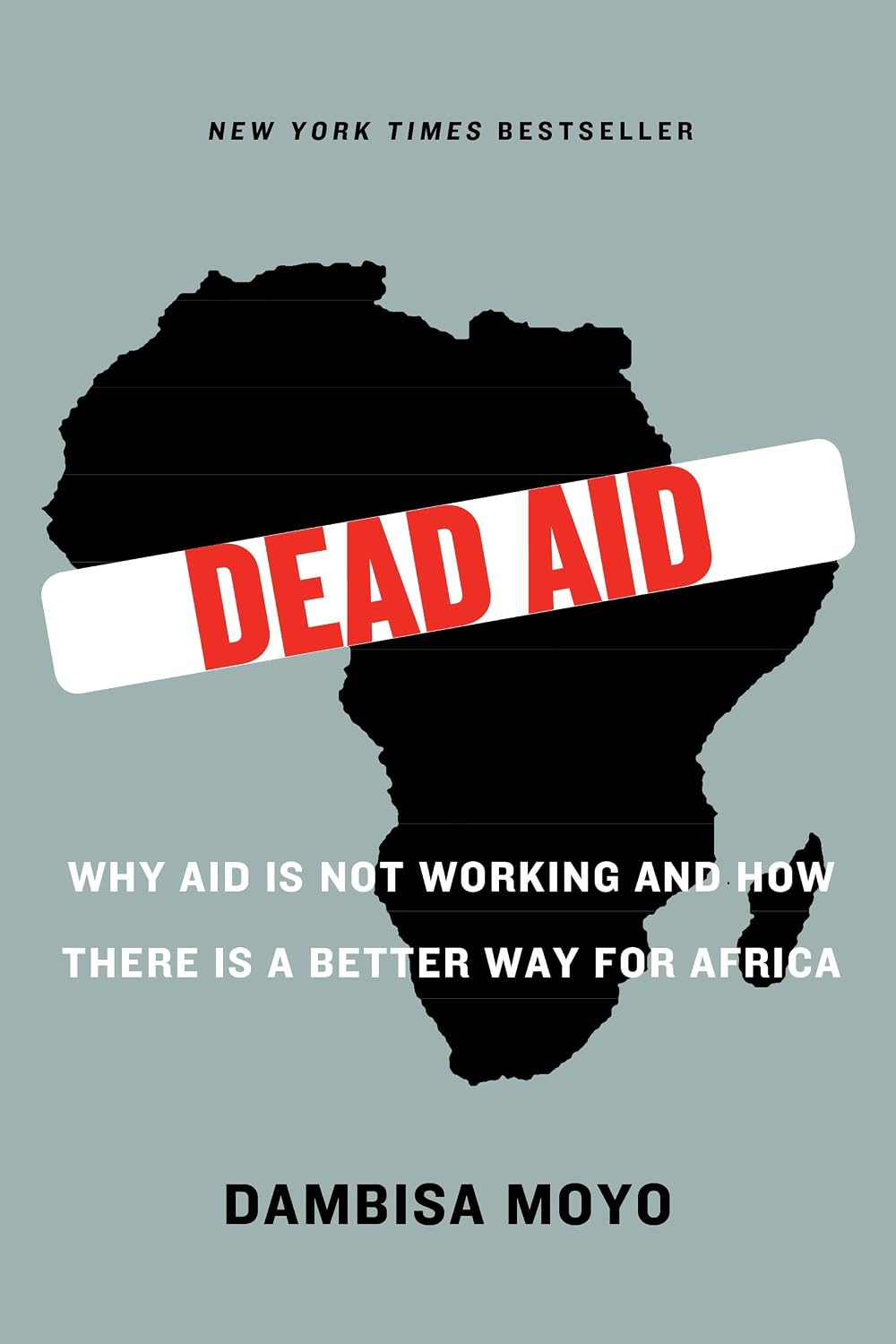
Dead Aid: Why Aid Is Not Working and How There Is Another Way for Africa
In Dead Aid, Zambian economist Dambisa Moyo challenges one of the most widely accepted assumptions about international development: that financial aid from wealthy countries is an effective way to combat poverty in Africa. Drawing on economic research and historical examples, she argues that decades of government-to-government assistance have often failed to deliver sustainable growth, while contributing to corruption, political dependency, and weakened local markets.
Rather than calling for an end to all forms of assistance, Moyo focuses on long-term development aid and proposes alternative ways for African countries to finance their economies. Her recommendations include attracting foreign investment, expanding trade, accessing international capital markets, and strengthening domestic financial systems.
Provocative and controversial, the book challenges readers to reconsider the relationship between wealthy nations and developing countries. Moyo calls for African governments to pursue greater economic independence and for policymakers to rethink the mechanisms through which development is financed. Whether readers agree with her conclusions or not, Dead Aid raises important questions about accountability, sovereignty, and the effectiveness of international development policy.
2009
2
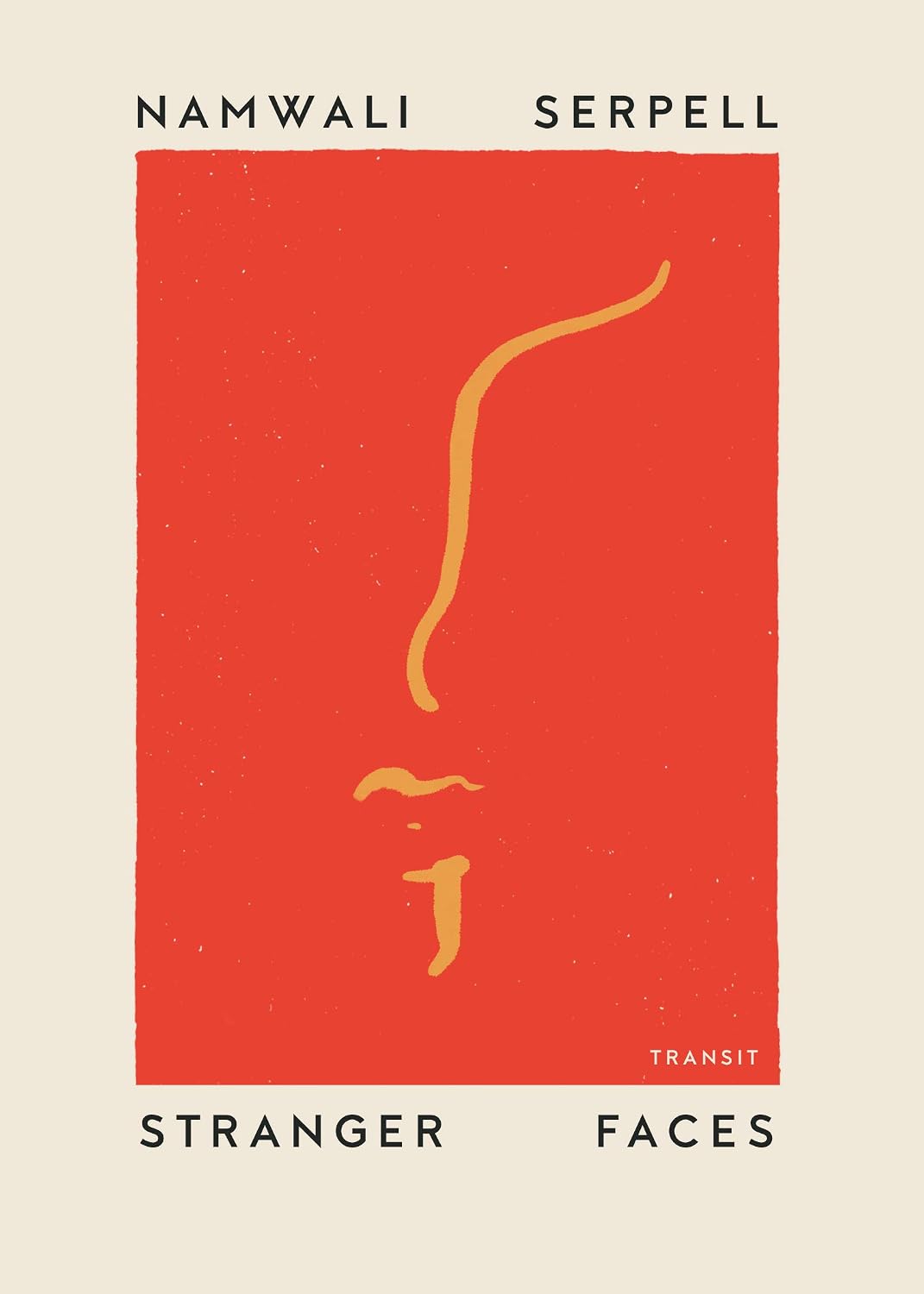
Stranger Faces
What can a face tell us about a person—and how often do we mistake what we see for the truth? In this thought-provoking collection of essays, Zambian writer and scholar Namwali Serpell examines the cultural assumptions we attach to human faces, questioning why we associate appearance with identity, beauty, authenticity, and moral worth. Moving between literature, cinema, philosophy, and digital culture, Serpell explores a fascinating range of faces: those marked by disability, those that challenge racial categorisation, the faces of the dead, and even the expressive faces we create through emojis. She considers figures such as Joseph Merrick, known as the Elephant Man, and examines how society turns unfamiliar appearances into objects of fascination, fear, or pity. With intellectual curiosity, wit, and a playful approach to serious questions, Serpell challenges readers to reconsider the instinct to interpret other people through their appearance. Stranger Faces ultimately invites us to embrace ambiguity and imagine a more compassionate way of seeing one another—one that does not demand that every face conform to our expectations.
2020
3
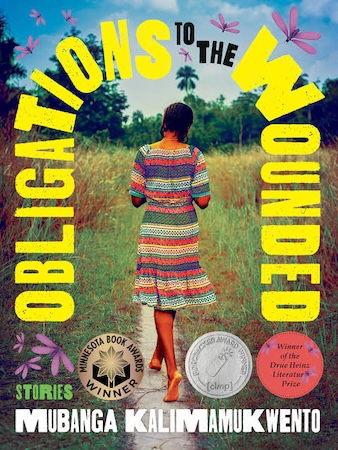
Obligations to the Wounded
In Obligations to the Wounded, Mubanga Kalimamukwento presents a collection of interconnected stories exploring the burdens, expectations, and contradictions that shape the lives of Zambian women and girls. Spanning different generations and geographical settings, the stories portray women negotiating the demands of family, religion, tradition, and community while struggling to preserve their individuality.
Through formally inventive storytelling, Kalimamukwento explores subjects including intimate partner violence, migration, racial discrimination, the loss of language, sexuality, and the complicated relationships between mothers and daughters. Her characters inhabit worlds where inherited customs can offer a sense of belonging while simultaneously restricting personal freedom. Some seek escape; others attempt to reconcile their desires with the obligations imposed upon them.
Moving between personal experiences and broader social questions, the collection examines what women owe their families and communities—and what they owe themselves. Kalimamukwento combines emotional sensitivity with sharp social observation, revealing how pain can be passed between generations but also how solidarity and self-determination can create possibilities for change. The result is a nuanced portrait of contemporary Zambian womanhood, including the experiences of Zambian women living abroad.
2024