Books from United States
Suggest a book
All genres
Historical Fiction
Literary Fiction
Fantasy
Romance
Horror
Thriller
Non-Fiction
Mystery
Memoir
Classics
History
Sci-Fi
Contemporary Fiction
Science Fiction
Fiction
Poetry
Essays
Family Saga
Magical Realism
Family Drama
Dark Academia
Psychological Fiction
Dark Comedy
Political Writing
Feminist Fiction
Satire
Campus Fiction
Cultural Studies
Biography
Philosophy
Comedy
Drama
Young Adult
Gothic
Dystopia
Crime
Children's Books
Short Stories
Mythology
Cozy
Retellings
Humour
Adventure
All themes
Love & Passion
Adventure & Journey
Identity & Belonging
War & Conflict
Freedom & Resistance
Family & Heritage
Nature & Landscape
Society & Class
Spirituality & Faith
Solitude & Exile
Coming of Age
Revolution & Change
Friendship
History
Immigration
Myths and Retellings
Colonialism
Women & Society
Mental Health
Motherhood
1
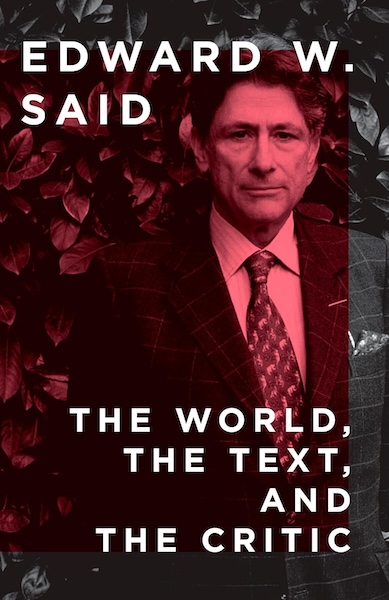
The World, the Text, and the Critic
Can literature ever be separated from the world in which it is created?
In The World, the Text, and the Critic, Edward W. Said challenges the idea that literary works should be understood independently of their historical and political contexts. Through a series of essays, he examines the relationship between literature, intellectual life, institutions, and social power.
Said introduces the idea of worldliness: texts are produced within particular historical circumstances and participate in the societies around them, whether their authors acknowledge it or not. He also considers the critic’s responsibility to question established assumptions rather than simply reinforce dominant ideas. This influential collection explores how literary criticism can become a form of intellectual independence and public engagement.
1983
2
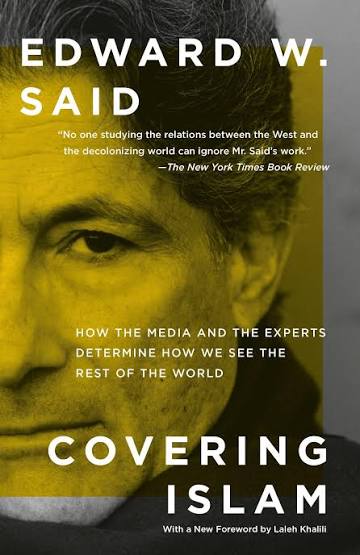
Covering Islam
How does the media shape what the world believes about Islam?
In Covering Islam, Edward W. Said investigates how Western news organisations, academics, and political commentators represent Islam and Muslim societies. He argues that media coverage often reduces diverse communities to simplified images associated with extremism, conflict, and political threat, obscuring the complexity of their histories and everyday lives.
Said explores the relationship between knowledge, media institutions, and political power, asking readers to question who gets to define another culture and whose perspectives are excluded. The book remains an important study of representation, stereotyping, and the influence of public narratives on international understanding.
1981
3
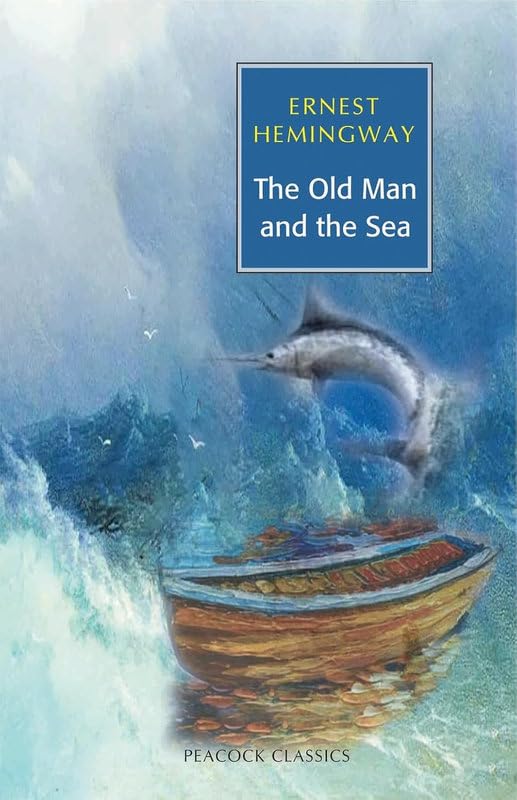
The Old Man and the Sea
The Old Man and the Sea follows Santiago, an ageing Cuban fisherman who has gone eighty-four days without catching a fish. Determined to prove that he has not lost his skill, he sails far into the Gulf Stream, where he hooks an enormous marlin. The fish pulls his small boat across the sea for days, forcing Santiago to endure exhaustion, pain, and loneliness as he struggles to bring his catch home. His battle becomes a test of endurance and respect between human being and animal. Although he eventually succeeds in killing the marlin, sharks destroy much of his prize during the journey back. Hemingway explores perseverance, dignity, and the relationship between humanity and nature. Santiago’s struggle suggests that success cannot always be measured by material results, as courage and the willingness to endure hardship may themselves represent a form of victory.
1980
4
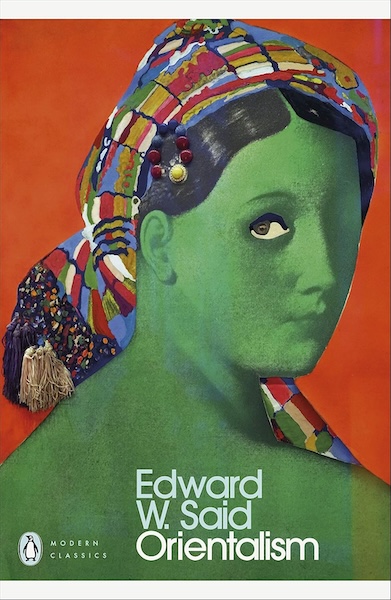
Orientalism
What if the way we see another culture tells us more about ourselves than about the people we are observing?
In Orientalism, literary critic and intellectual Edward W. Said examines how Western writers, scholars, artists, and political authorities constructed an image of the “Orient”—particularly the Arab and Islamic world—as exotic, irrational, backward, and fundamentally different from the West. He argues that these representations were not simply misunderstandings or harmless stereotypes: they became intertwined with imperial power, helping Europe justify its domination of Eastern societies.
Drawing on literature, history, art, and political thought, Said reveals how descriptions of other cultures can shape public opinion and influence the exercise of power. He challenges readers to question who has the authority to represent a people, whose voices are excluded, and how supposedly objective knowledge can reinforce existing hierarchies.
First published in 1978, Orientalism transformed postcolonial studies and continues to influence debates about cultural representation, racism, and the relationship between knowledge and power. It invites us to reconsider not only how the East has been portrayed, but also how these inherited images continue to shape the world today.
1978
5
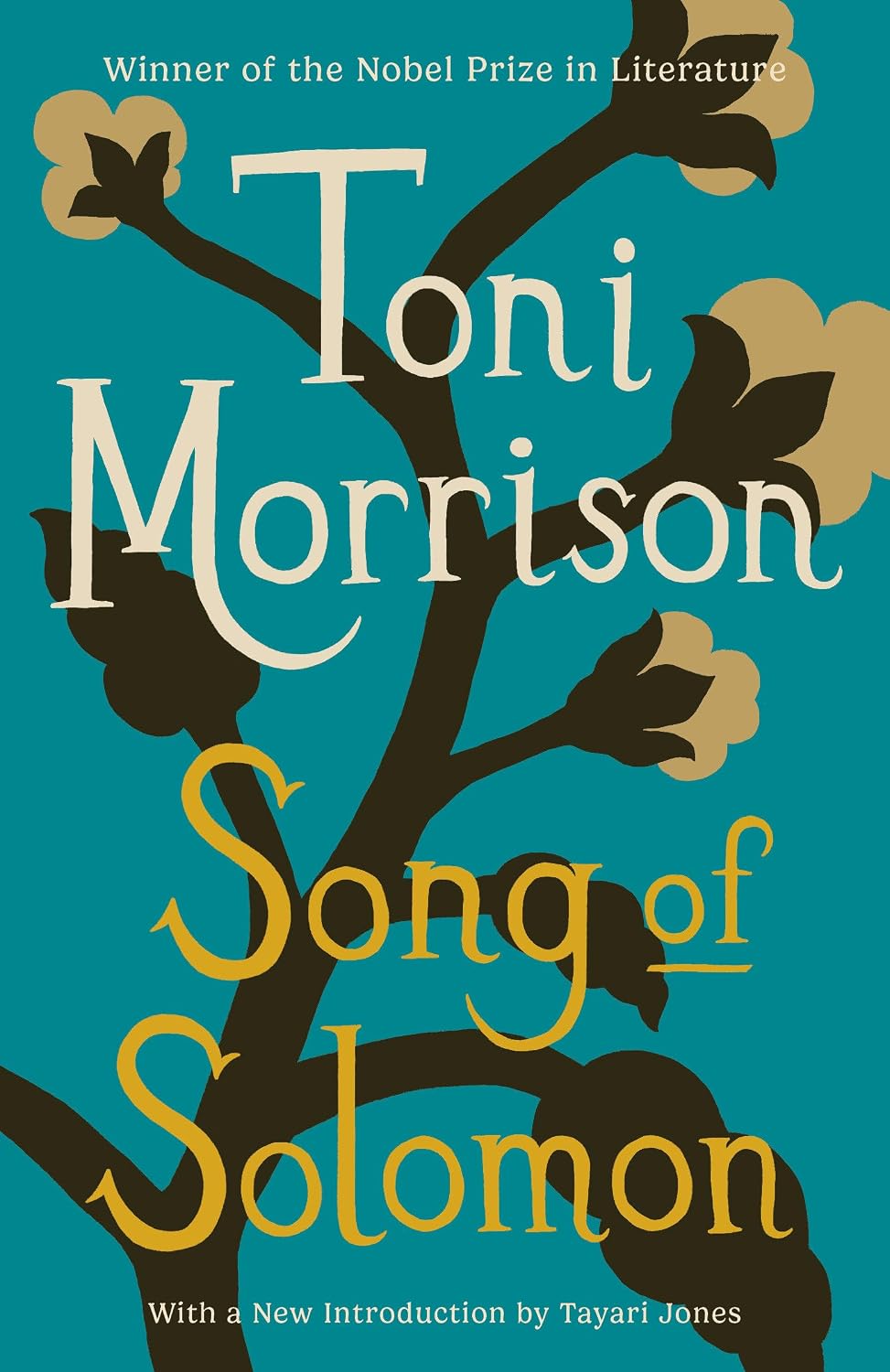
Song of Solomon
Song of Solomon follows Macon “Milkman” Dead III, a young Black man growing up in Michigan in a financially comfortable but emotionally troubled family. Feeling disconnected from his relatives and his own history, Milkman gradually embarks on a journey to discover his family’s origins. His search takes him into the history, folklore, and traditions of Black communities in the American South, revealing stories of love, violence, survival, and freedom. As he uncovers the lives of those who came before him, he begins to understand how personal identity is shaped by inherited memories and forgotten histories. Morrison combines realism, myth, and magical elements in a novel about ancestry, belonging, and self-discovery.
1977
6
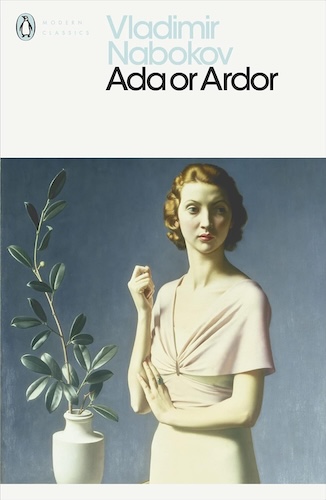
Ada, or Ardor: A Family Chronicle
In an alternate world where history, geography, and time unfold according to strange new rules, Van and Ada fall into a passionate love that defies family boundaries and social conventions. Spanning decades, their story becomes an intricate meditation on memory, desire, and the elusive nature of time. Nabokov’s dazzling, playfully complex novel invites readers into a world where love and language are as intoxicating as they are unpredictable.
1969
7
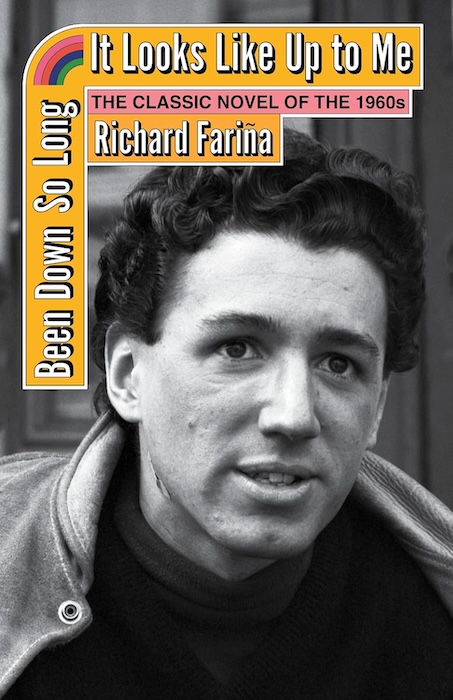
Been Down So Long It Looks Like Up to Me
Set against the restless spirit of the late 1950s and early 1960s, Been Down So Long It Looks Like Up to Me follows Gnossos Pappadopoulis, a rebellious college student navigating university life, romantic entanglements, psychedelic experiences, and his own search for meaning. Moving between a fictional university in upstate New York, the American West, and revolutionary Cuba, Gnossos challenges authority and conventional morality with irreverent humor and anarchic energy.
Drawing on Richard Fariña’s own experiences as a student and traveler, the novel captures the countercultural impulses that would help define the 1960s. Its unconventional narrative combines satire, absurdity, and philosophical reflection to question academic institutions, social expectations, and established ideas of success and respectability. Both a campus novel and a picaresque adventure, it portrays a young man attempting to find his place in a world he distrusts. Published just two days before Fariña’s death in a motorcycle accident, the novel became a cult classic of American counterculture.
1966
8
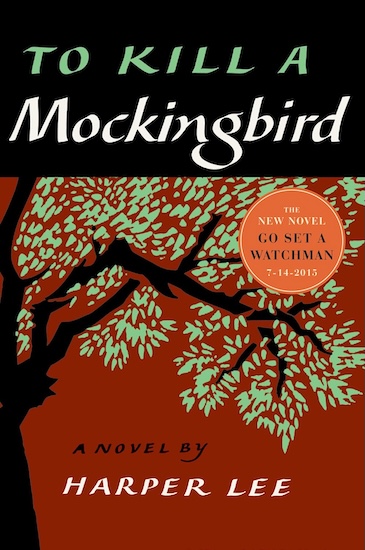
To Kill a Mockingbird
Set in the fictional town of Maycomb, Alabama, during the Great Depression, To Kill a Mockingbird is narrated by Scout Finch, a young girl growing up in a deeply segregated society. Her father, Atticus Finch, is a lawyer who agrees to defend Tom Robinson, a Black man falsely accused of assaulting a white woman. As Scout and her brother Jem observe the trial and its consequences, they encounter the realities of racial prejudice, social inequality, and moral courage. Their experiences challenge their childhood assumptions about justice and human goodness. Through Scout’s developing understanding of the world, Harper Lee examines the conflict between personal conscience and social convention, showing how prejudice can distort even the most fundamental principles of fairness.
1960
9
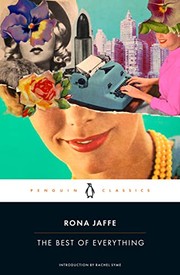
Best of Everything
The Best of Everything follows five young women working in a New York publishing company during the late 1950s as they navigate professional ambition, romance, and the expectations placed on women in postwar America. Caroline Bender dreams of building a meaningful career, while her colleagues struggle with relationships, financial insecurity, and the pressure to find suitable husbands. Their experiences reveal a world in which women are encouraged to pursue independence but are still judged by their marital status and appearance. As the characters encounter workplace discrimination, emotional disappointments, and difficult personal choices, they begin to question what success and happiness really mean. Jaffe offers an unvarnished portrait of women’s lives in a rapidly changing society, exploring the conflict between individual aspirations and conventional expectations. The novel examines gender inequality, ambition, and the price women are often expected to pay for trying to have both a career and a fulfilling personal life.
1958
10
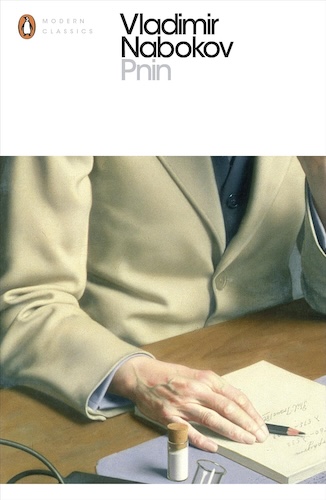
Pnin
Timofey Pnin, a Russian émigré teaching at an American college, struggles with an unfamiliar language, bewildering social customs, and the small humiliations of everyday life. Beneath his comic misadventures lies a tender portrait of exile, loneliness, and the fragile dignity of an outsider trying to find a place to belong. Both funny and quietly heartbreaking, Pnin reveals the melancholy behind the absurdities of a life lived between worlds.
1957
11
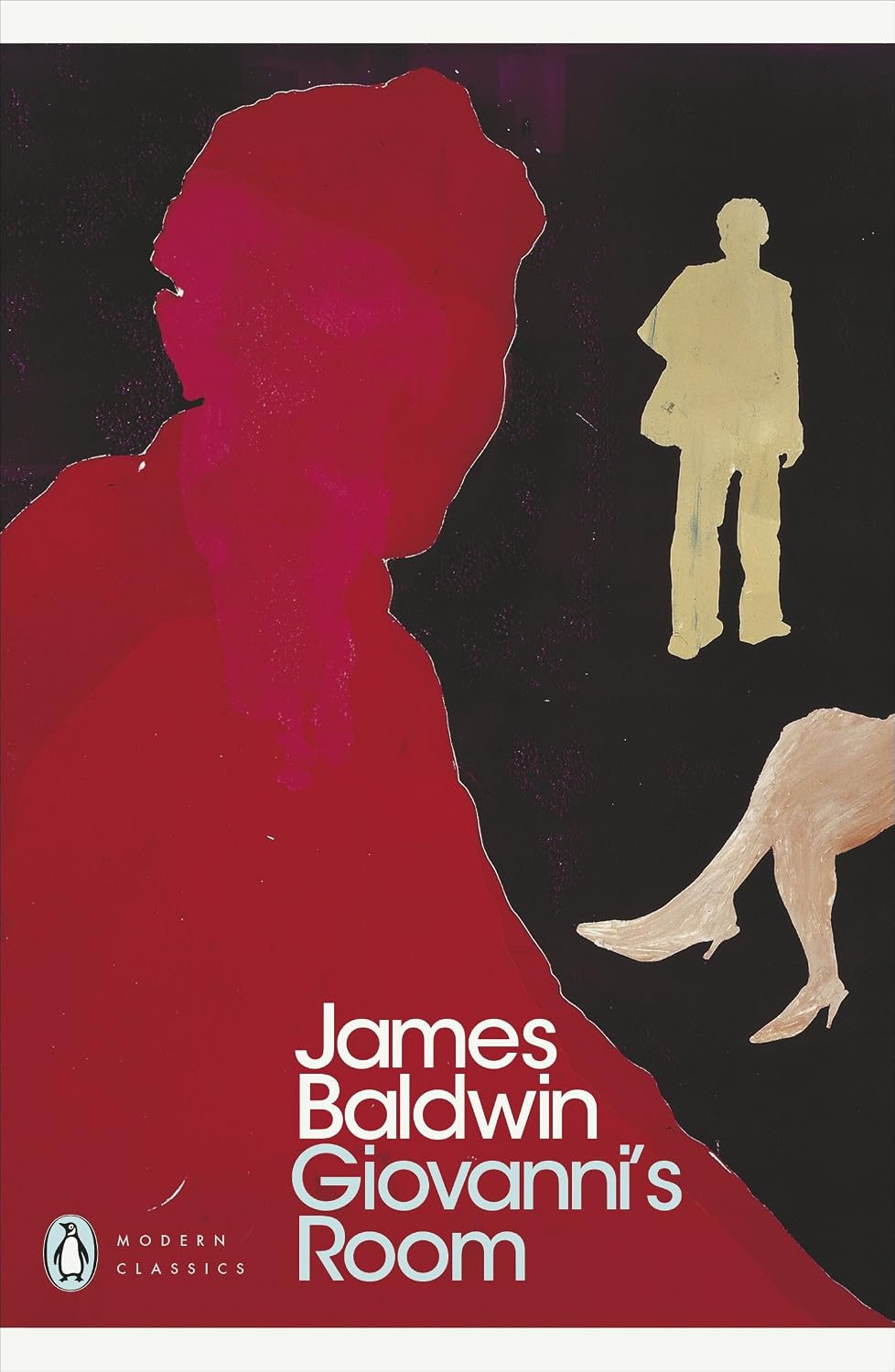
Giovanni's Room
Set primarily in Paris, Giovanni’s Room follows David, an American man struggling with his sexuality, his sense of masculinity, and his expectations for the future. While his fiancée is away, David begins a passionate relationship with Giovanni, an Italian bartender living in a small Parisian room. Unable to reconcile his feelings with the identity he believes society expects him to maintain, David becomes increasingly divided between desire and denial. Their relationship unfolds against a backdrop of isolation, shame, and emotional dependency. Baldwin explores the destructive consequences of refusing to acknowledge one’s own truth, examining how social expectations can shape intimate relationships. The novel is a powerful meditation on love, self-deception, and the courage required to accept oneself.
1956
12
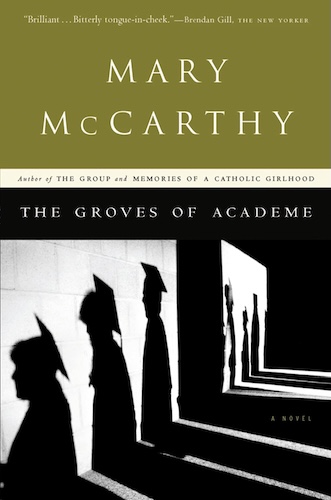
The Groves of Academe
At the progressive Jocelyn College, literature instructor Henry Mulcahy receives devastating news: his contract will not be renewed. Convinced that the college president is conspiring against him, Mulcahy launches a desperate campaign to save his career. As Cold War paranoia and anti-Communist suspicion sweep through America, he discovers that political loyalties and accusations can be powerful weapons in the battle for academic survival. But the more he fights for justice, the more his own dishonesty and ambition come to light. Sharp, witty, and mercilessly observant, The Groves of Academe exposes the rivalries, ideological hypocrisy, and petty power struggles lurking behind the respectable façade of university life.
1952