Taiwan

Asia
Taiwan
9
books
9
authors

Books from Taiwan

1
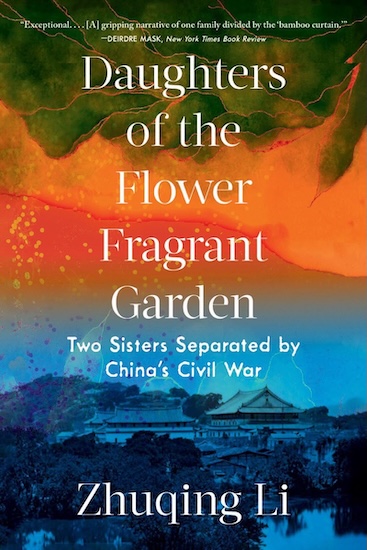
Daughters of the Flower Fragrant Garden
Born into a prominent family in southern China, sisters Jun and Hong grow up inseparable in the 1930s, surrounded by the traditions and privileges of a world on the brink of transformation. But when the Chinese Civil War ends in 1949, fate divides them between two rival political systems. Jun settles in Taiwan, marries a Nationalist general, and builds a successful business, while Hong remains on the mainland, where her family’s political background makes her vulnerable to suspicion and persecution. Despite decades of separation and silence, both women forge remarkable lives under vastly different circumstances. Drawing on family memories and historical research, Zhuqing Li tells a deeply personal story of sisterhood, resilience, and the ways political upheaval reshapes families and identities.
2023
2
Taipei Story
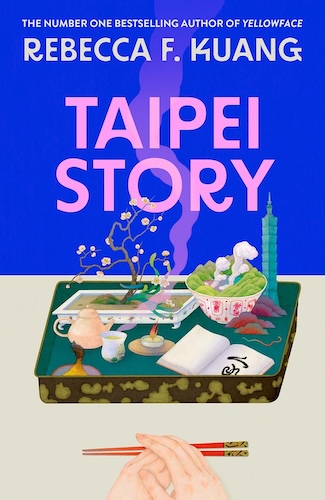
Taipei Story
What if returning to your cultural roots only makes you feel more like a stranger? When college student Lily Chen travels to Taipei for an intensive Chinese-language programme, she hopes to reconnect with the heritage she has never fully understood. Instead, awkward encounters, complicated relationships, and the sudden death of her grandfather leave her questioning everything she thought she knew about her family and herself. As Lily struggles with language, grief, and the silences surrounding her family’s past, she begins to realise that belonging cannot simply be inherited. Set against the vibrant backdrop of Taipei, this intimate coming-of-age novel explores the distance between cultural identity and lived experience—and the difficult search for a place to call home.
2026
3
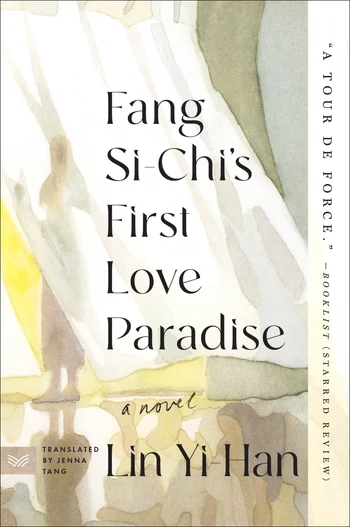
Fang Si-Chi's First Love Paradise
Thirteen-year-old Fang Si-Chi loves literature and believes that beautiful words can help her understand the world. When a respected literature teacher offers to tutor her, her parents see an opportunity for their gifted daughter. Instead, their trust exposes her to a devastating betrayal that will transform her understanding of love, desire, and herself. As Si-Chi struggles to make sense of her experience, she turns to the books she once believed held all the answers. Inspired by the author’s own experiences, this haunting novel examines sexual abuse, the manipulation of innocence, and the social structures that protect perpetrators while silencing victims. With lyrical prose and unflinching psychological insight, Lin Yi-Han exposes the terrifying distance between the romantic ideals we inherit from literature and the realities of human cruelty.
2017
4
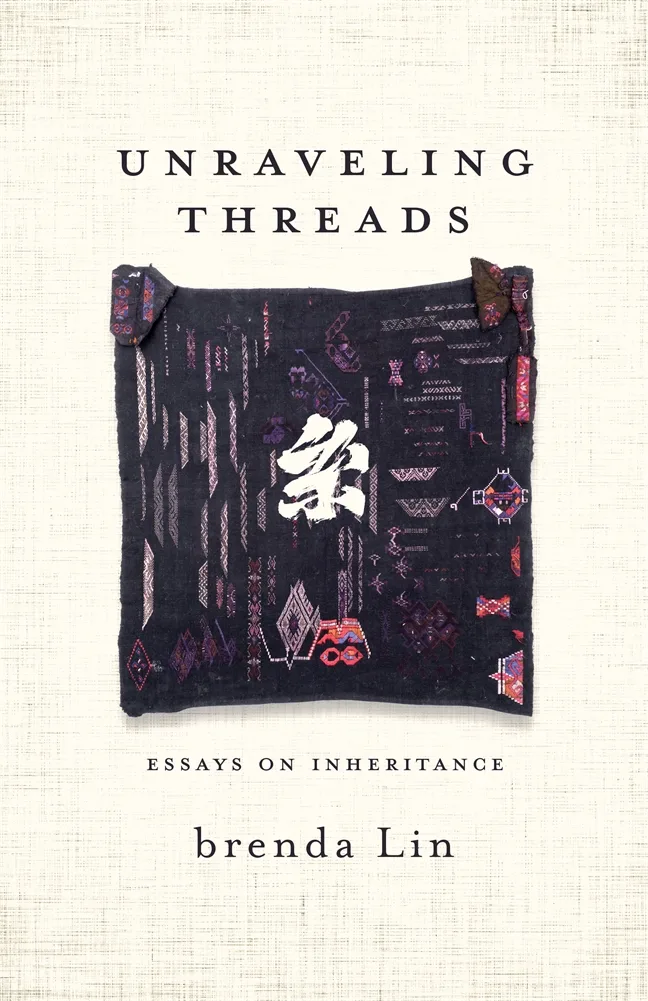
Unraveling Threads
Unraveling Threads
In Unraveling Threads: Essays on Inheritance, writer and literary translator Brenda Lin explores the intricate connections between family, cultural identity, language, and the objects that carry memories across generations. Through a collection of personal essays, Lin reflects on her relationship with her mother, whose passion for antique textiles and embroidered baby carriers becomes a window into women’s work, family traditions, and the preservation of cultural heritage. She considers the physical traces that connect parents and children, including the symbolism of an umbilical cord, and examines how language itself can preserve histories that might otherwise disappear. Her reflections extend to her father’s heart surgery, her own experience of motherhood, and her return to Taiwan after decades away. Weaving together personal memories, Taiwanese history, and the material culture of textiles, Lin investigates what we inherit beyond possessions: gestures, stories, responsibilities, and ways of understanding home. Intimate and richly observed, this memoir-in-essays considers how family bonds endure through distance and change, and how returning to one’s roots can become a process of rediscovering oneself.
2026
5
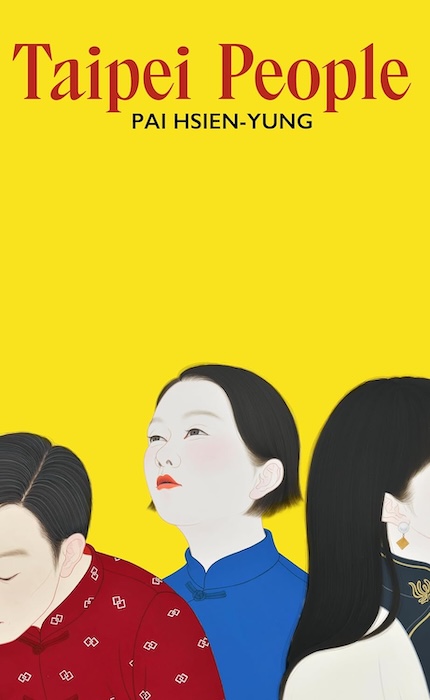
Taipei People
Taipei People
Taipei People is a collection of fourteen short stories portraying the lives of people who fled mainland China for Taiwan following the Chinese Civil War in 1949. Set primarily in Taipei, the stories follow former aristocrats, military officers, performers, and other displaced individuals as they struggle to adapt to a new society while remaining emotionally attached to the world they left behind. Through characters haunted by memories of lost homes, vanished social positions, and past relationships, Pai Hsien-yung explores the experience of exile and the passage of time. Formerly celebrated figures confront aging and declining fortunes, while younger characters inherit the emotional burdens of a history they barely understand. Their private struggles reflect the wider transformations of Chinese society during the twentieth century. Combining psychological depth with elegant, modernist storytelling, the collection examines nostalgia, displacement, loneliness, and the impossibility of returning to the past. Taipei becomes both a refuge and a place of alienation, inhabited by people who are physically present but remain inwardly connected to another time and place. Widely regarded as a classic of Taiwanese literature, Taipei People offers a moving portrait of lives shaped by historical upheaval and the enduring longing for home.
1982

Famous authors from Taiwan

About Taiwan

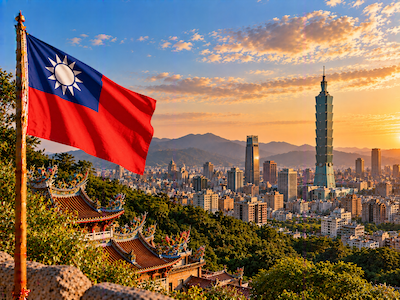
Taiwan is an island in East Asia, located off the southeastern coast of China, where subtropical forests, dramatic mountain ranges, volcanic landscapes, and lively coastal cities create a remarkable diversity of scenery. Its capital, Taipei, blends modern architecture, including the iconic Taipei 101 skyscraper, with traditional temples, night markets, and historic neighborhoods. Taiwan’s cultural identity reflects Indigenous Austronesian heritage, Chinese migration, Japanese colonial rule, and decades of political and social change. Mandarin Chinese is the most widely used language, alongside Taiwanese Hokkien, Hakka, Indigenous languages, and other local varieties. Known for its vibrant food culture, democratic society, and thriving creative industries, Taiwan offers a distinctive meeting point of regional traditions and contemporary life.

Region
Asia
Literary Context

Taiwanese literature reflects the island’s complex history and multilingual culture. Indigenous oral traditions, classical Chinese writing, Japanese-language literature from the colonial period, and modern works in Mandarin and Taiwanese Hokkien have all contributed to its literary landscape. Writers frequently explore identity, memory, colonialism, migration, family relationships, and the tension between personal experience and political history. Contemporary literature also examines urban life, gender, environmental change, and the experiences of communities whose stories have often been overlooked. Among Taiwan’s most influential writers is Pai Hsien-yung, known for Taipei People, a collection of stories exploring displacement, nostalgia, and the lives of mainland Chinese migrants in Taiwan. Wu Ming-Yi, author of The Stolen Bicycle and The Man with the Compound Eyes, combines historical memory, environmental concerns, and imaginative storytelling. Li Ang is celebrated for works such as The Butcher’s Wife, which examines gender, violence, and social expectations. Yang Mu, a major poet and essayist, explored history, nature, and cultural identity through lyrical and intellectually rich writing. Indigenous writers, including Syaman Rapongan, have also brought Austronesian maritime traditions and Indigenous perspectives to wider audiences. Together, these authors reveal Taiwan’s diverse literary voices and its ongoing exploration of identity and belonging.

Asia