Taiwan
Asia
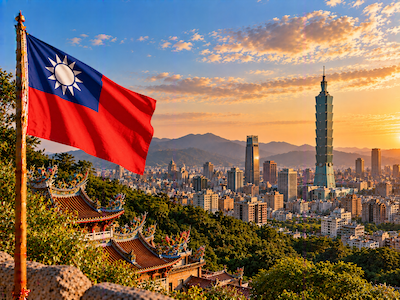
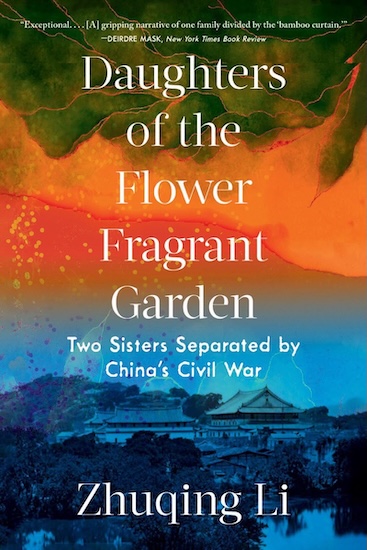
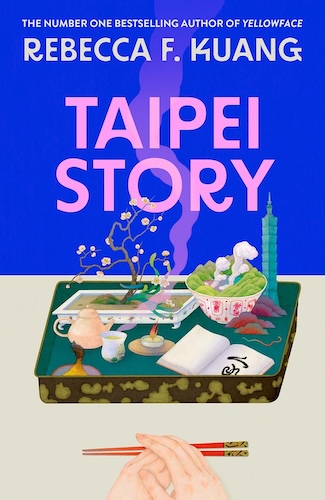
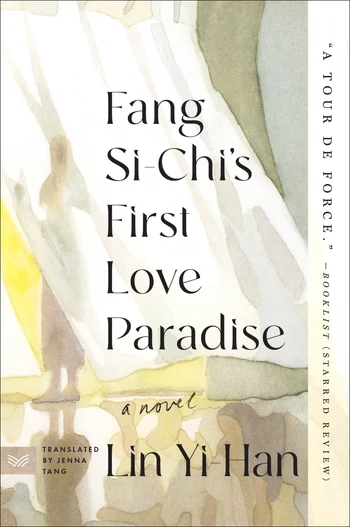
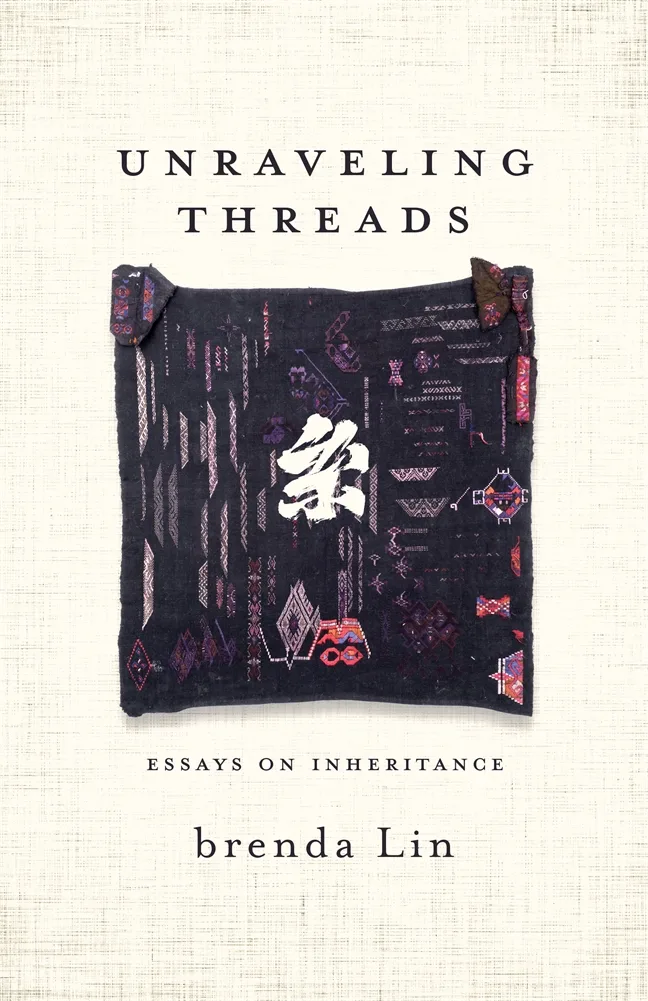
Taiwan is an island in East Asia, located off the southeastern coast of China, where subtropical forests, dramatic mountain ranges, volcanic landscapes, and lively coastal cities create a remarkable diversity of scenery. Its capital, Taipei, blends modern architecture, including the iconic Taipei 101 skyscraper, with traditional temples, night markets, and historic neighborhoods. Taiwan’s cultural identity reflects Indigenous Austronesian heritage, Chinese migration, Japanese colonial rule, and decades of political and social change. Mandarin Chinese is the most widely used language, alongside Taiwanese Hokkien, Hakka, Indigenous languages, and other local varieties. Known for its vibrant food culture, democratic society, and thriving creative industries, Taiwan offers a distinctive meeting point of regional traditions and contemporary life.
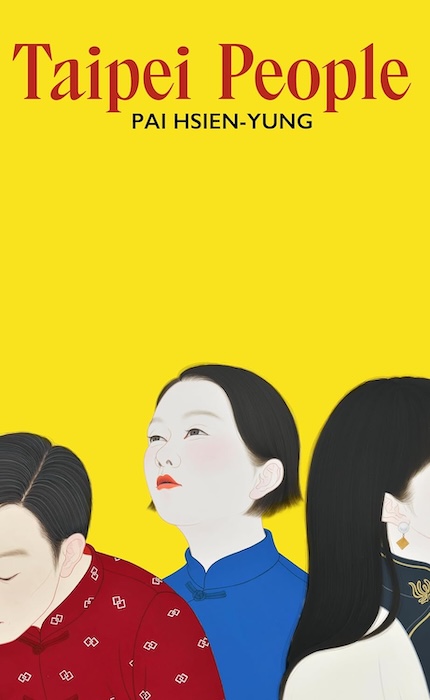
Taiwanese literature reflects the island’s complex history and multilingual culture. Indigenous oral traditions, classical Chinese writing, Japanese-language literature from the colonial period, and modern works in Mandarin and Taiwanese Hokkien have all contributed to its literary landscape. Writers frequently explore identity, memory, colonialism, migration, family relationships, and the tension between personal experience and political history. Contemporary literature also examines urban life, gender, environmental change, and the experiences of communities whose stories have often been overlooked. Among Taiwan’s most influential writers is Pai Hsien-yung, known for Taipei People, a collection of stories exploring displacement, nostalgia, and the lives of mainland Chinese migrants in Taiwan. Wu Ming-Yi, author of The Stolen Bicycle and The Man with the Compound Eyes, combines historical memory, environmental concerns, and imaginative storytelling. Li Ang is celebrated for works such as The Butcher’s Wife, which examines gender, violence, and social expectations. Yang Mu, a major poet and essayist, explored history, nature, and cultural identity through lyrical and intellectually rich writing. Indigenous writers, including Syaman Rapongan, have also brought Austronesian maritime traditions and Indigenous perspectives to wider audiences. Together, these authors reveal Taiwan’s diverse literary voices and its ongoing exploration of identity and belonging.