Saudi Arabia

Asia
Saudi Arabia
4
books
2
authors

Books from Saudi Arabia

1
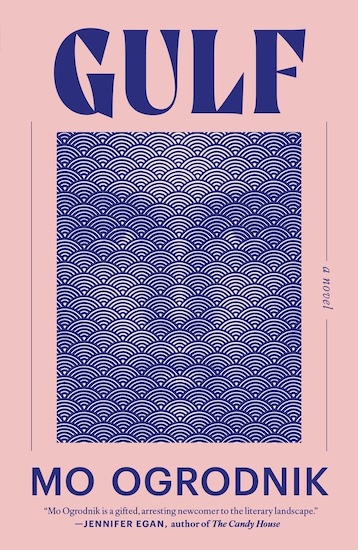
Gulf
Gulf
Set across the Arabian Gulf, Gulf follows five women from different backgrounds whose lives intersect in a region shaped by gender inequality, political conflict, economic disparity, and cultural divides. Dounia, a young Saudi woman, struggles with the restrictions of married life and the prospect of raising a daughter in a society where women’s freedom is limited. Flora, a Filipina domestic worker, leaves her surviving child behind after a devastating natural disaster forces her to seek work abroad. In Syria, Zeinah is pushed into marriage with an ISIS fighter, while Justine, an American museum curator in Abu Dhabi, confronts the contradictions between her progressive ideals and her own complicity in unequal power structures. Meanwhile, Eskedare, an Ethiopian teenager, fights to escape the circumstances that threaten to define her future. Through these interconnected stories, Ogrodnik explores the ways women navigate oppression, displacement, and moral compromise. Gulf is a powerful examination of survival, rebellion, and the struggle for agency in a world shaped by unequal power.
2025
2
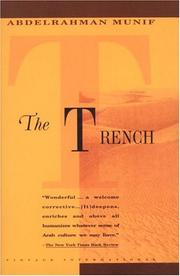
The Trench
The Trench
The Trench is the second novel in Abdul Rahman Munif’s Cities of Salt quintet, which explores the transformation of the Arabian Peninsula following the discovery of oil. Set in the fictional emirate of Harran, the novel follows the growing power of the ruling elite as oil wealth reshapes society, politics, and everyday life. Foreign interests, local rulers, and emerging institutions compete for influence, while ordinary people struggle to understand and adapt to a rapidly changing world. Through vivid characters and a broad social panorama, Munif examines how economic modernization can deepen inequality, weaken traditional communities, and concentrate power in the hands of a privileged few. The novel offers a critical portrait of a society caught between inherited customs and the disruptive forces of global capitalism, exposing the human costs behind promises of progress.
1991
3
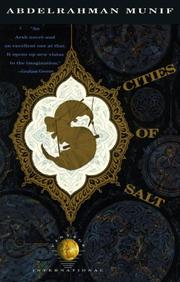
Cities of Salt
Cities of Salt
Cities of Salt is the first novel in Abdul Rahman Munif’s celebrated quintet exploring the transformation of the Arabian Peninsula following the discovery of oil. Set in a fictional oasis community in the Arabian Gulf, the story begins when foreign oil companies arrive and begin exploiting the region’s natural resources. Their presence disrupts the traditional way of life, forcing local inhabitants to confront unfamiliar technologies, new economic structures, and the growing influence of foreign powers. Through the experiences of villagers, merchants, tribal leaders, and migrant workers, Munif portrays the profound social and cultural upheaval caused by rapid modernisation. As oil wealth transforms the landscape, longstanding relationships and communal traditions begin to fracture, while new hierarchies of power emerge. The novel examines the consequences of economic exploitation, environmental destruction, and political domination, revealing how entire communities can be reshaped by forces beyond their control. With its expansive narrative and collective cast of characters, Cities of Salt offers a powerful reflection on the human costs of oil-driven development and the disappearance of traditional ways of life.
1984
4
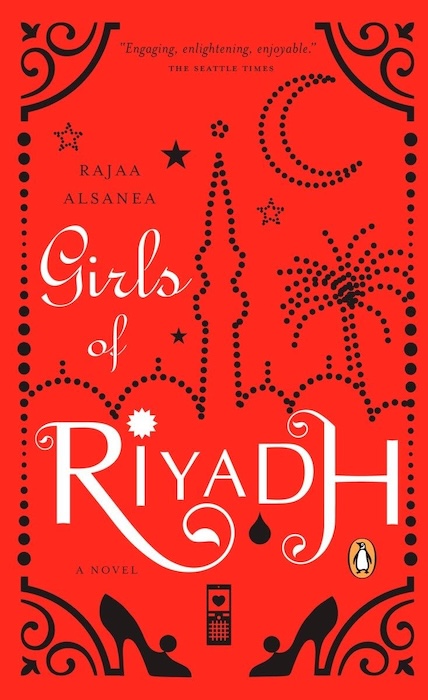
Girls of Riyadh
Girls of Riyadh
Girls of Riyadh follows the lives of four young Saudi women—Gamrah, Sadeem, Michelle, and Lamees—as they navigate love, friendship, marriage, and social expectations in contemporary Riyadh. Told through a series of anonymous email messages sent by a mysterious narrator, the novel reveals the private struggles of women balancing personal desires with the traditions and restrictions of a conservative society. Each woman faces different challenges in her pursuit of romantic happiness, from arranged marriages and heartbreak to questions of independence and belonging. Through candid storytelling, humor, and social commentary, Rajaa Alsanea examines the tensions between tradition and modernity in Saudi Arabia, exposing the double standards surrounding gender and relationships. The novel offers a glimpse into the changing aspirations of young Saudi women as they seek to define their own identities and determine the course of their lives.
2005

Famous authors from Saudi Arabia

About Saudi Arabia

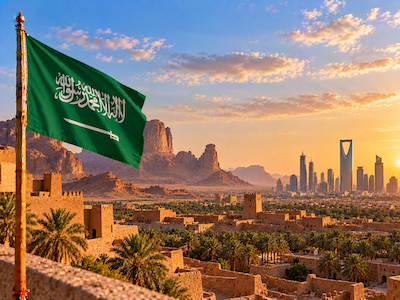
Saudi Arabia occupies most of the Arabian Peninsula in the Middle East, stretching from the Red Sea in the west to the Persian Gulf in the east. Its vast territory includes the Rubʿ al-Khali (Empty Quarter), dramatic sandstone formations, volcanic landscapes, mountain ranges, and fertile oases. Riyadh, the capital, has developed into a modern metropolis, while historic Jeddah reflects centuries of maritime trade and cultural exchange. The ancient oasis of AlUla preserves archaeological remains of earlier civilizations, including the Nabataean city of Hegra. Saudi culture is deeply connected to Arab heritage, Bedouin traditions, Islamic history, poetry, hospitality, and the customs of desert and coastal communities.

Region
Asia
Literary Context

Saudi literature is rooted in classical Arabic poetry, oral storytelling, Bedouin verse, proverbs, and historical narratives. Poetry has traditionally held a central place in Arab cultural life, serving as a means of expressing love, pride, honor, wisdom, and social criticism. The region’s literary heritage is also closely connected to the wider Arabic tradition, including the pre-Islamic poetry of the Arabian Peninsula and the literary and intellectual culture that developed following the rise of Islam. Modern Saudi literature expanded during the 20th century through poetry, short stories, novels, and literary criticism. Important writers include Abdul Rahman Munif, whose novels examine oil, power, and social transformation across the Arabian Peninsula; Ghazi Al-Gosaibi, known for his poetry, novels, and political writing; Abdo Khal, whose novel She Throws Sparks explores inequality and power; and Rajaa Alsanea, whose novel Girls of Riyadh examines changing social expectations and women’s lives. Contemporary Saudi literature frequently explores tradition and modernity, gender, social change, family, identity, urbanization, and the influence of rapid economic transformation. Writers increasingly engage with the experiences of younger generations while remaining connected to the broader Arabic literary world.

Asia