Romania
Europe
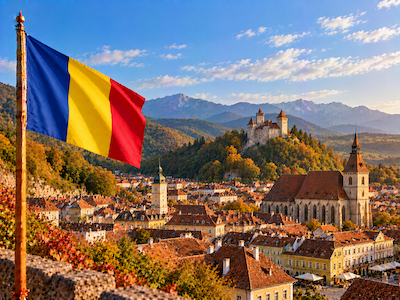
Romania is a country in southeastern Europe, known for its Carpathian Mountains, medieval towns, forested valleys, and the Danube Delta. Its landscapes range from the peaks and castles of Transylvania to the fertile plains of Wallachia, the rolling hills of Moldavia, and the Black Sea coastline. Bucharest, the capital, blends grand historic architecture with modern urban life, while cities such as Brașov, Sibiu, and Sighișoara preserve the atmosphere of medieval Central Europe. Romanian culture reflects a distinctive combination of Latin linguistic roots, Balkan traditions, Orthodox Christianity, and influences from neighboring Central and Eastern European societies.
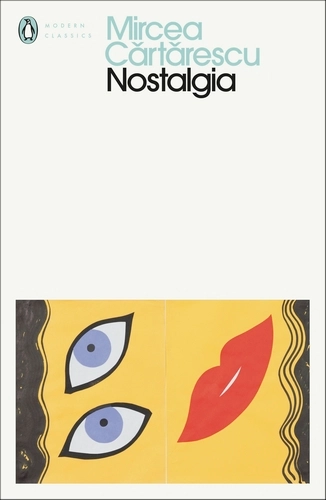
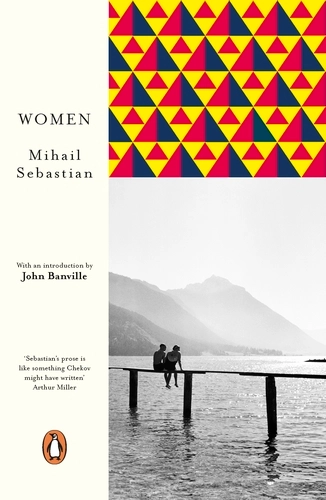
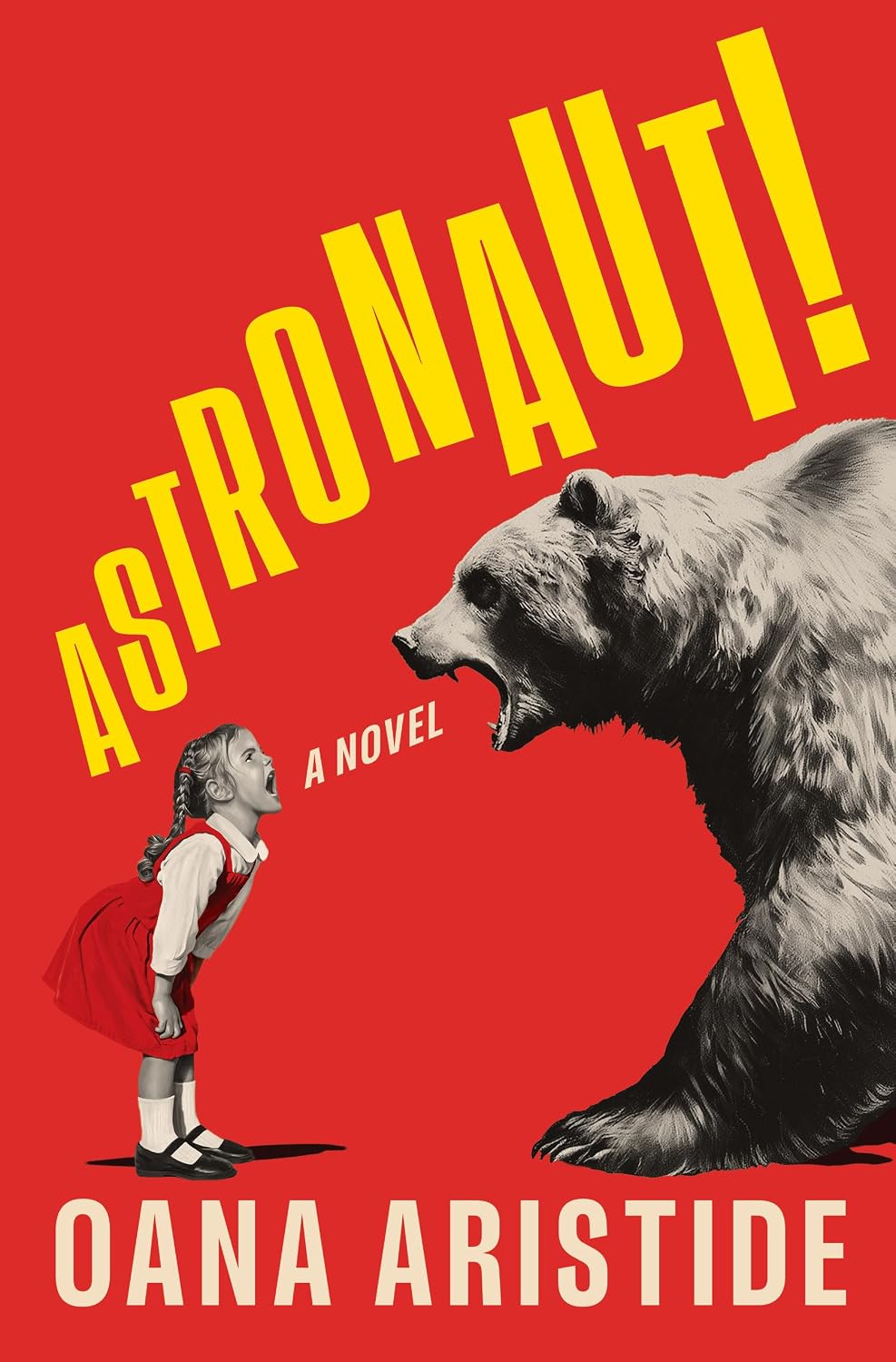
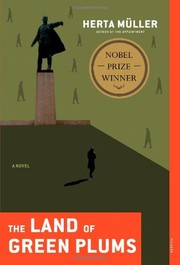
Romanian literature draws on oral folklore, ballads, fairy tales, legends, and traditional poetry. Rural storytelling and folk traditions have played an important role in preserving cultural identity, while the country’s literary language developed through centuries of contact with Slavic, Greek, Ottoman, and Western European cultures. Romanian literature became increasingly connected to European intellectual movements during the 19th century, when writers helped shape a modern national identity. Among Romania’s most influential writers is Mihai Eminescu, widely regarded as the country’s national poet, whose work explores love, nature, history, and philosophical questions. Ion Creangă is celebrated for his vivid storytelling and retellings of rural life and folklore, while Liviu Rebreanu examined social conflict and rural society in novels such as Ion. Other major figures include Mircea Eliade, known for his fiction and scholarship on religion and mythology; Eugène Ionesco, a leading playwright of the Theatre of the Absurd; and Herta Müller, the Nobel Prize-winning author whose work explores dictatorship, fear, and displacement. Contemporary Romanian literature often examines memory, political repression, migration, identity, family, and the legacy of communism, connecting local experiences with broader European questions.