Books from Mexico
Suggest a book
All genres
Historical Fiction
Literary Fiction
Fantasy
Romance
Horror
Thriller
Non-Fiction
Mystery
Memoir
Classics
History
Sci-Fi
Contemporary Fiction
Science Fiction
Fiction
Poetry
Essays
Family Saga
Magical Realism
Family Drama
Dark Academia
Psychological Fiction
Dark Comedy
Political Writing
Feminist Fiction
Satire
Campus Fiction
Cultural Studies
Biography
Philosophy
Comedy
Drama
Young Adult
Gothic
Dystopia
Crime
Children's Books
Short Stories
Mythology
Cozy
Retellings
Humour
Adventure
All themes
Love & Passion
Adventure & Journey
Identity & Belonging
War & Conflict
Freedom & Resistance
Family & Heritage
Nature & Landscape
Society & Class
Spirituality & Faith
Solitude & Exile
Coming of Age
Revolution & Change
Friendship
History
Immigration
Myths and Retellings
Colonialism
Women & Society
Mental Health
Motherhood
1
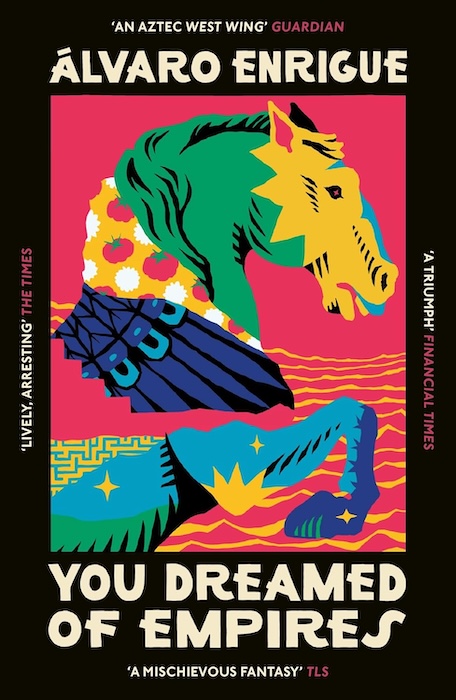
You Dreamed of Empires
Set in 1519, You Dreamed of Empires imagines the encounter between Spanish conquistador Hernán Cortés and Aztec ruler Moctezuma in the magnificent city of Tenochtitlan. Rather than presenting the conquest as a straightforward story of European victory, Enrigue focuses on the political manoeuvring, cultural misunderstandings, and competing ambitions surrounding this pivotal meeting. Through shifting perspectives and dark humour, the novel portrays the Spanish as vulnerable outsiders entering a sophisticated civilisation whose inhabitants have their own political struggles and visions of the future. Its dreamlike atmosphere unsettles familiar historical narratives, exposing the uncertainty and violence beneath the language of conquest. Enrigue reimagines a defining moment in Mexican history while questioning how empires construct stories about power, civilisation, and inevitable victory.
2024
2
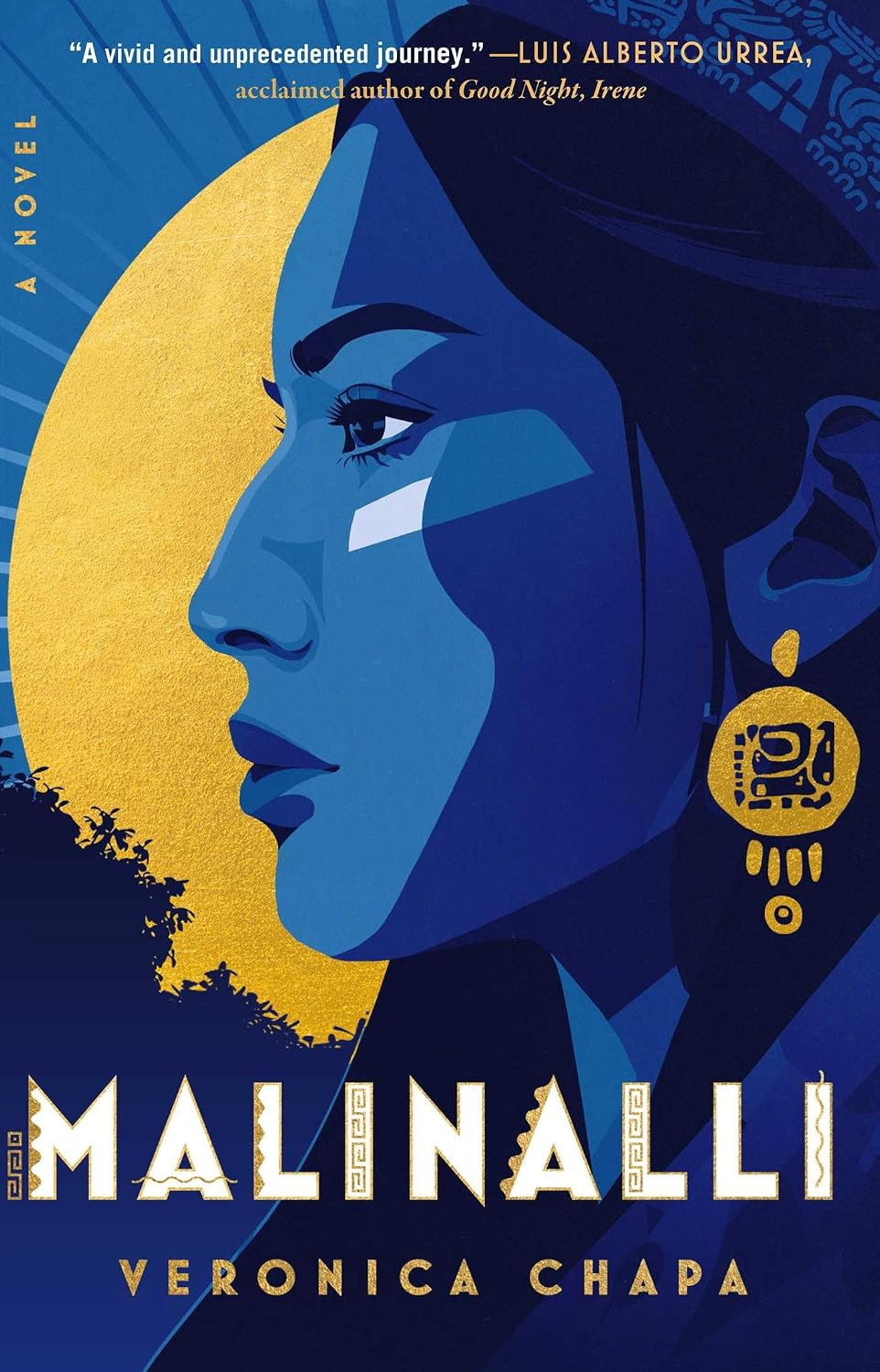
Malinalli
Malinalli reimagines the life of Malinalli, the Indigenous woman known as La Malinche, who became an interpreter and intermediary between the Spanish conquistador Hernán Cortés and the Indigenous peoples of sixteenth-century Mexico. Born into a world shaped by political rivalries and social hierarchies, Malinalli is forced into circumstances that transform her into a central figure in the Spanish conquest of the Aztec Empire. Through her linguistic abilities and understanding of different cultures, she occupies a complicated position between Indigenous communities and the invading Europeans.
Laura Esquivel revisits this controversial historical figure from a perspective that challenges traditional portrayals of Malinalli as a traitor. Instead, the novel explores her inner life, cultural identity, and attempts to navigate a world undergoing violent transformation. Blending historical fiction with spiritual and philosophical reflection, Esquivel examines colonialism, gender, language, and the power of storytelling. The novel asks how history remembers women whose choices were shaped by forces far beyond their control, offering a more nuanced portrait of a figure central to Mexico’s cultural memory.
2024
3
The Hacienda
Set in Mexico in the aftermath of the War of Independence, The Hacienda follows Beatriz, a young woman whose father was executed and whose family home was destroyed during political upheaval. When wealthy landowner Don Rodolfo Solórzano proposes marriage, she accepts, hoping to secure a safe home and a fresh start. However, after moving to his remote estate, Hacienda San Isidro, Beatriz begins experiencing terrifying visions and unexplained disturbances. As she investigates the property’s dark history, she seeks help from Padre Andrés, a young priest hiding secrets of his own. Blending Gothic horror, historical fiction, and forbidden romance, Isabel Cañas explores women’s vulnerability within patriarchal society, the lingering effects of colonialism, and the struggle for independence in a world shaped by power and superstition.
2022
4
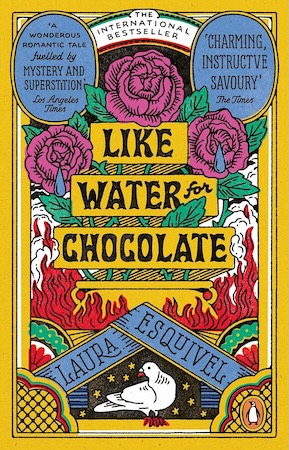
Like Water for Chocolate
Set in Mexico during the Mexican Revolution, Like Water for Chocolate tells the story of Tita de la Garza, a young woman whose passion for cooking is inseparable from her emotions. Bound by a family tradition that forbids her from marrying because she must care for her mother until her death, Tita is prevented from marrying Pedro, the man she loves. When Pedro marries her sister to remain close to Tita, their lives become entangled in longing, jealousy, and forbidden desire. Through magical realism, Esquivel transforms Tita’s cooking into a powerful expression of her feelings, with her dishes mysteriously affecting everyone who eats them. Blending romance, family conflict, and Mexican culinary traditions, the novel explores the struggle between individual desire and social expectations, celebrating the transformative power of love, food, and female independence.
1989