Mexico

North America
Mexico
8
books
9
authors

Books from Mexico

1
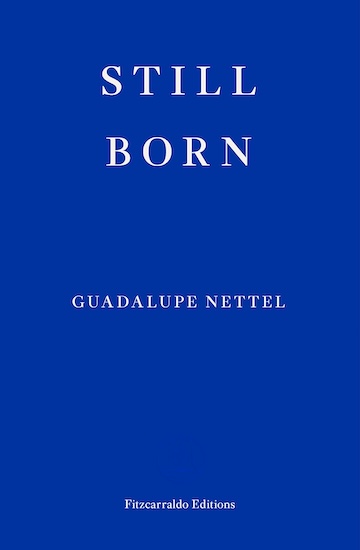
Still Born
Still Born
What makes someone a mother—and what happens when motherhood looks nothing like we imagined? Laura has made a firm decision never to have children, even undergoing sterilisation to protect the life she has chosen. Her friend Alina, meanwhile, finds herself drawn towards motherhood. When Alina’s pregnancy takes an unexpected turn, both women are forced to confront the limits of love, independence, and their ideas about what it means to care for another person. As their lives become intertwined with the lives of vulnerable children, the two women discover that love can be inseparable from fear, grief, and uncertainty. With remarkable tenderness and honesty, Guadalupe Nettel challenges the idealised image of maternal instinct, exploring the complicated emotions women are rarely encouraged to admit. Intimate and quietly devastating, Still Born is a moving portrait of friendship, chosen family, and the many forms that caregiving can take. Shortlisted for the 2023 International Booker Prize, it asks whether love means protecting someone from suffering—or learning how to live alongside it.
2020
2
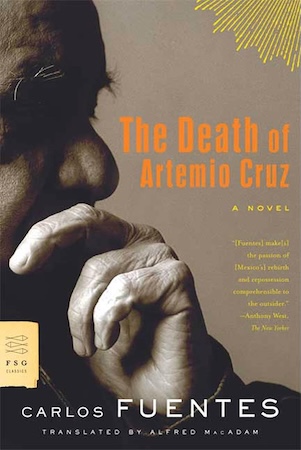
The Death of Artemio Cruz
On his deathbed, Artemio Cruz, a wealthy and powerful Mexican businessman, looks back over a life built on ambition, betrayal, and corruption. Once a young soldier fighting in the Mexican Revolution, he began with ideals of justice and freedom. But as the years passed, he traded those ideals for wealth and influence, exploiting the very people the revolution had promised to liberate. Through fragmented memories spanning several decades, Fuentes reconstructs Cruz’s rise from a young revolutionary to a ruthless political and economic power broker. His recollections reveal lost love, compromised loyalties, and the personal sacrifices behind his success. As his body fails, he must confront the gulf between the man he once hoped to become and the man he has made himself. Experimenting with shifting perspectives and a nonlinear narrative, Fuentes transforms one man’s final hours into a sweeping portrait of twentieth-century Mexico. The novel exposes how revolutions can betray their promises, how power corrupts, and how personal ambition can become inseparable from a nation’s troubled history. Both a psychological reckoning and a fierce political critique, The Death of Artemio Cruz asks what remains of a person’s ideals when the pursuit of power has consumed everything else.
1962
3
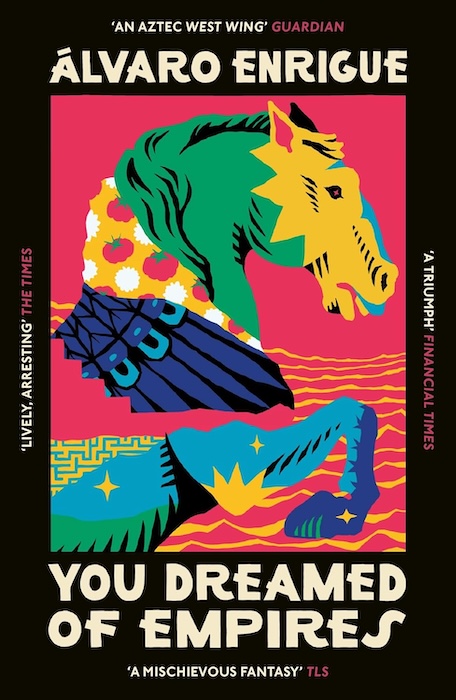
You Dreamed of Empires
Set in 1519, You Dreamed of Empires imagines the encounter between Spanish conquistador Hernán Cortés and Aztec ruler Moctezuma in the magnificent city of Tenochtitlan. Rather than presenting the conquest as a straightforward story of European victory, Enrigue focuses on the political manoeuvring, cultural misunderstandings, and competing ambitions surrounding this pivotal meeting. Through shifting perspectives and dark humour, the novel portrays the Spanish as vulnerable outsiders entering a sophisticated civilisation whose inhabitants have their own political struggles and visions of the future. Its dreamlike atmosphere unsettles familiar historical narratives, exposing the uncertainty and violence beneath the language of conquest. Enrigue reimagines a defining moment in Mexican history while questioning how empires construct stories about power, civilisation, and inevitable victory.
2024
4
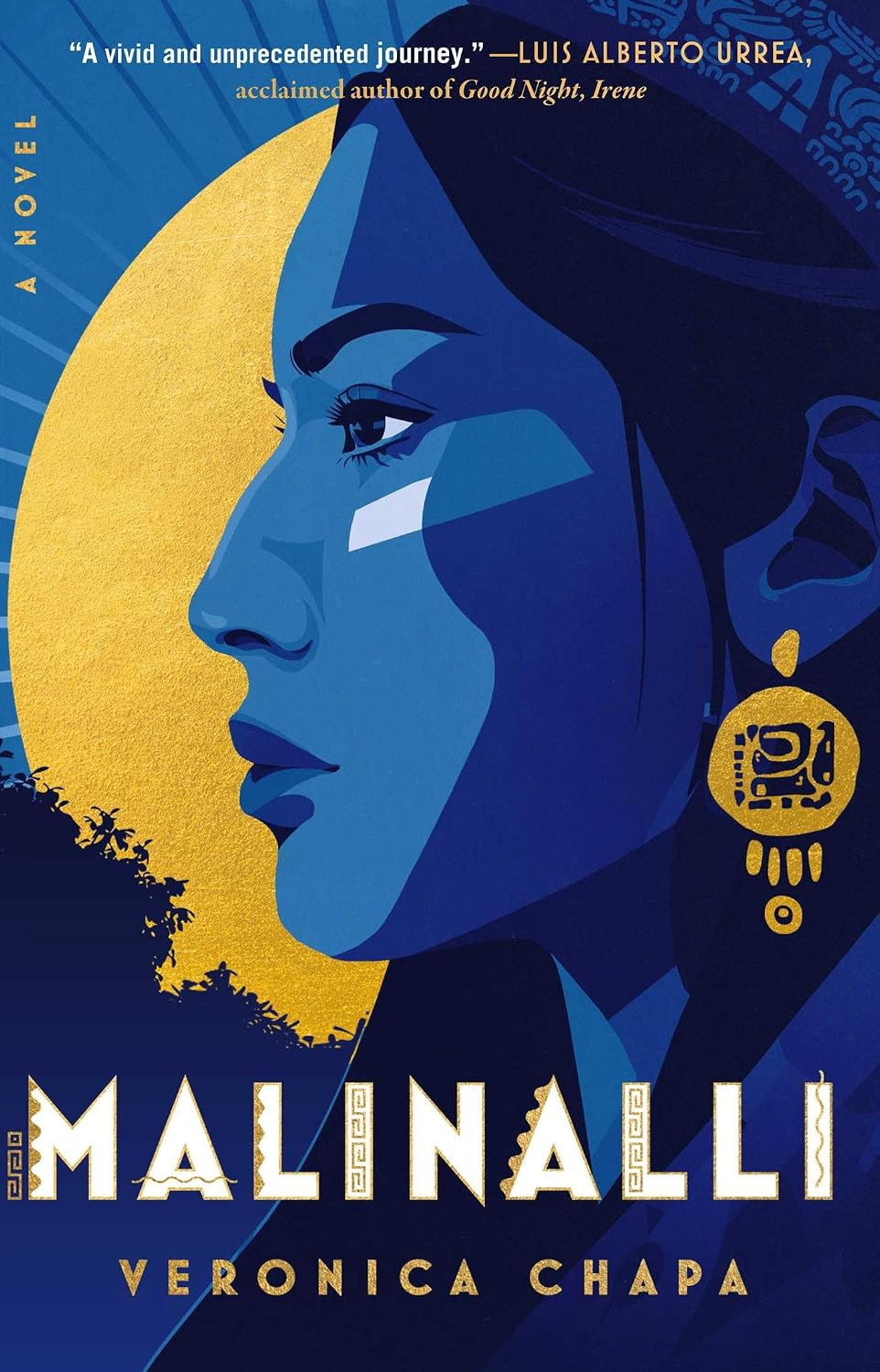
Malinalli
Malinalli
Malinalli reimagines the life of Malinalli, the Indigenous woman known as La Malinche, who became an interpreter and intermediary between the Spanish conquistador Hernán Cortés and the Indigenous peoples of sixteenth-century Mexico. Born into a world shaped by political rivalries and social hierarchies, Malinalli is forced into circumstances that transform her into a central figure in the Spanish conquest of the Aztec Empire. Through her linguistic abilities and understanding of different cultures, she occupies a complicated position between Indigenous communities and the invading Europeans. Laura Esquivel revisits this controversial historical figure from a perspective that challenges traditional portrayals of Malinalli as a traitor. Instead, the novel explores her inner life, cultural identity, and attempts to navigate a world undergoing violent transformation. Blending historical fiction with spiritual and philosophical reflection, Esquivel examines colonialism, gender, language, and the power of storytelling. The novel asks how history remembers women whose choices were shaped by forces far beyond their control, offering a more nuanced portrait of a figure central to Mexico’s cultural memory.
2024
5
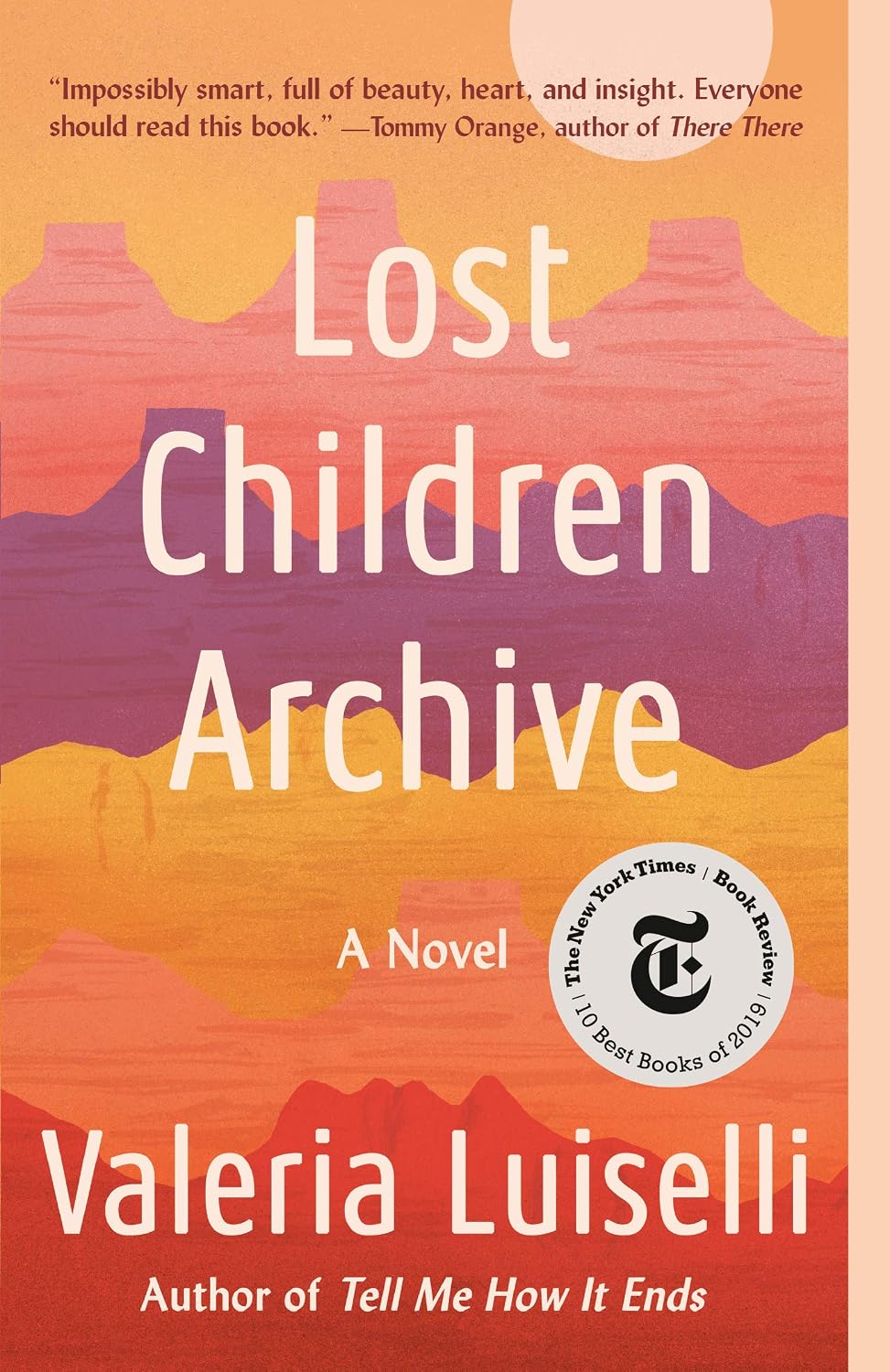
Lost Children Archive
Lost Children Archive follows a family of four on a road trip from New York to the American Southwest. The parents, both documentarians, are working on separate projects: the father is recording the sounds of disappearing Apache communities, while the mother is researching the stories of migrant children who have crossed the US–Mexico border alone. As they travel through the vast American landscape, their professional interests begin to shape the family’s conversations and expose growing tensions in their marriage. Through the perspectives of the mother and, later, her young son, the novel explores the distance between adults and children, the limits of storytelling, and the moral responsibility of witnessing other people’s suffering. The family’s journey becomes intertwined with the experiences of two migrant children whose fate remains uncertain. Blending documentary fragments, photographs, maps, and literary references, Valeria Luiselli examines migration, displacement, and the ways families preserve or lose their histories. The novel asks how we can listen to stories of suffering without reducing them to distant headlines.
2020

Famous authors from Mexico

About Mexico

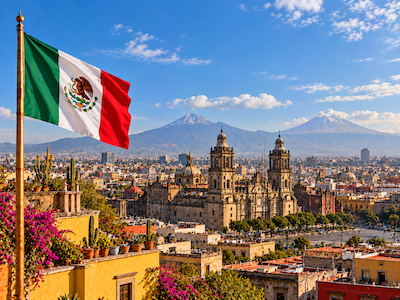
Mexico is a vast and geographically diverse country stretching from the Pacific Ocean to the Gulf of Mexico and Caribbean Sea. Its landscapes include volcanic mountains, deserts, tropical forests, highland valleys, and long coastlines. Mexico City is a major cultural center, while cities such as Oaxaca, Puebla, Mérida, and Guadalajara preserve distinct regional traditions. Mexican culture reflects the deep heritage of Indigenous civilizations—including Maya, Nahua, Zapotec, Mixtec, and many others—combined with Spanish and later global influences.

Region
North America
Literary Context

Mexican literature has roots in the oral traditions, mythology, poetry, and historical narratives of Indigenous civilizations. Nahuatl poetry, Maya traditions, and works such as the Popol Vuh form an important part of the broader literary heritage of Mesoamerica. After the Spanish conquest, Indigenous and European traditions developed alongside one another, eventually producing a rich Spanish-language literary culture. Major Mexican writers include Sor Juana Inés de la Cruz, Octavio Paz, Juan Rulfo, Carlos Fuentes, Elena Poniatowska, Rosario Castellanos, and Juan José Arreola. Rulfo’s Pedro Páramo and Fuentes’s fiction are particularly influential internationally. Contemporary Mexican literature frequently explores identity, Indigenous heritage, colonialism, violence, migration, inequality, family, memory, and the complex relationship between Mexico, the United States, and the wider world.

North America