Mexico
North America
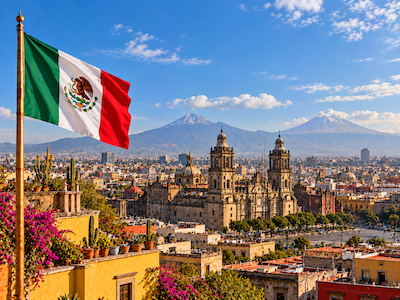
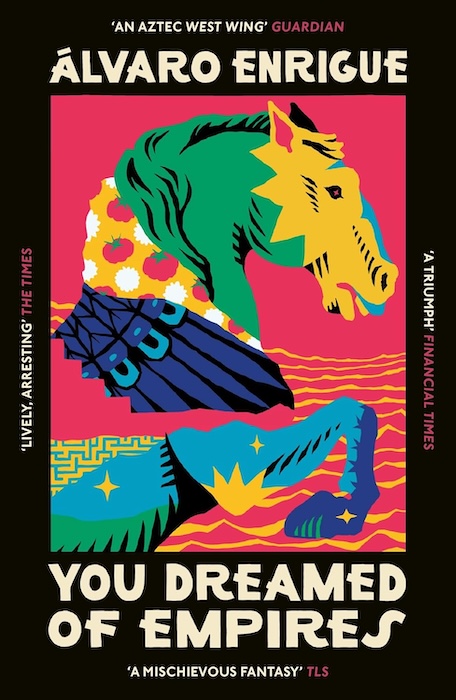
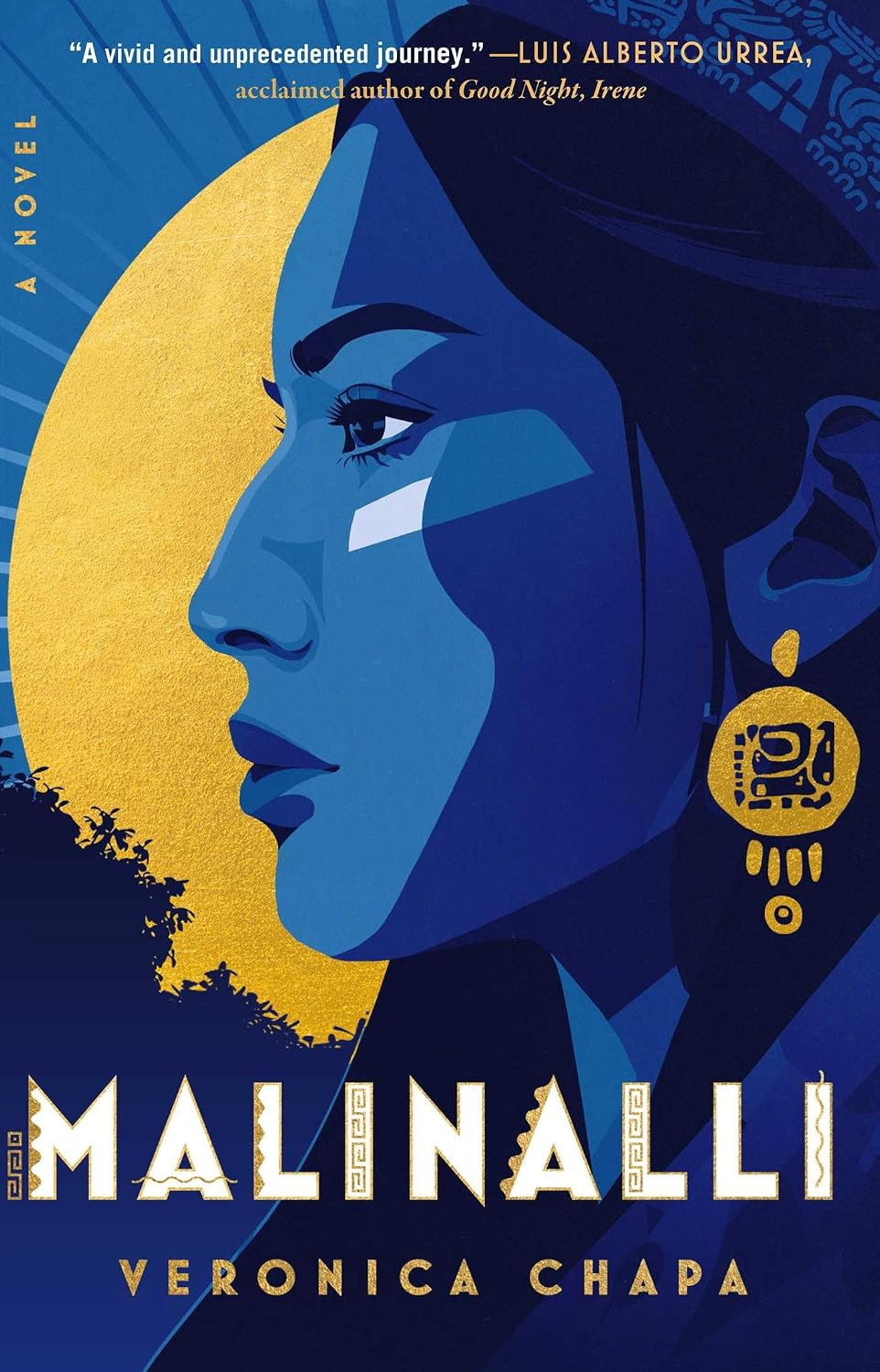
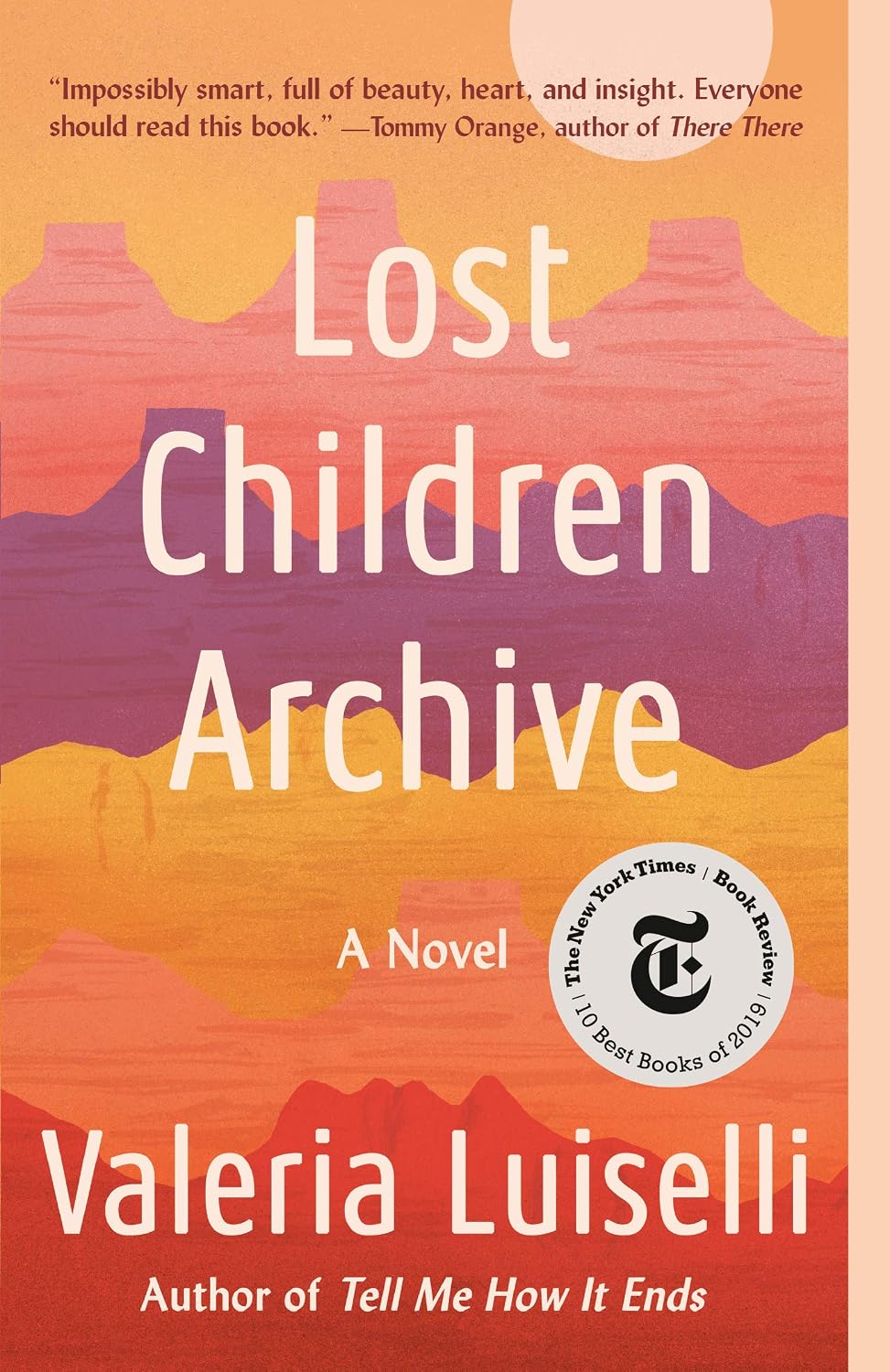
Mexico is a vast and geographically diverse country stretching from the Pacific Ocean to the Gulf of Mexico and Caribbean Sea. Its landscapes include volcanic mountains, deserts, tropical forests, highland valleys, and long coastlines. Mexico City is a major cultural center, while cities such as Oaxaca, Puebla, Mérida, and Guadalajara preserve distinct regional traditions. Mexican culture reflects the deep heritage of Indigenous civilizations—including Maya, Nahua, Zapotec, Mixtec, and many others—combined with Spanish and later global influences.
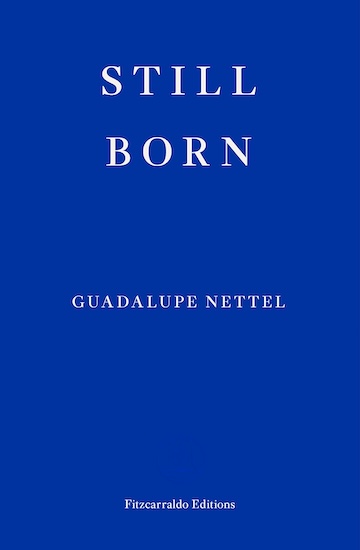
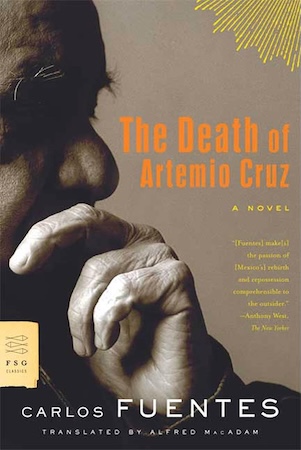
Mexican literature has roots in the oral traditions, mythology, poetry, and historical narratives of Indigenous civilizations. Nahuatl poetry, Maya traditions, and works such as the Popol Vuh form an important part of the broader literary heritage of Mesoamerica. After the Spanish conquest, Indigenous and European traditions developed alongside one another, eventually producing a rich Spanish-language literary culture. Major Mexican writers include Sor Juana Inés de la Cruz, Octavio Paz, Juan Rulfo, Carlos Fuentes, Elena Poniatowska, Rosario Castellanos, and Juan José Arreola. Rulfo’s Pedro Páramo and Fuentes’s fiction are particularly influential internationally. Contemporary Mexican literature frequently explores identity, Indigenous heritage, colonialism, violence, migration, inequality, family, memory, and the complex relationship between Mexico, the United States, and the wider world.