Books from Lebanon
Suggest a book
All genres
Historical Fiction
Literary Fiction
Fantasy
Romance
Horror
Thriller
Non-Fiction
Mystery
Memoir
Classics
History
Sci-Fi
Contemporary Fiction
Science Fiction
Fiction
Poetry
Essays
Family Saga
Magical Realism
Family Drama
Dark Academia
Psychological Fiction
Dark Comedy
Political Writing
Feminist Fiction
Satire
Campus Fiction
Cultural Studies
Biography
Philosophy
Comedy
Drama
Young Adult
Gothic
Dystopia
Crime
Children's Books
Short Stories
Mythology
Cozy
Retellings
Humour
Adventure
All themes
Love & Passion
Adventure & Journey
Identity & Belonging
War & Conflict
Freedom & Resistance
Family & Heritage
Nature & Landscape
Society & Class
Spirituality & Faith
Solitude & Exile
Coming of Age
Revolution & Change
Friendship
History
Immigration
Myths and Retellings
Colonialism
Women & Society
Mental Health
Motherhood
1
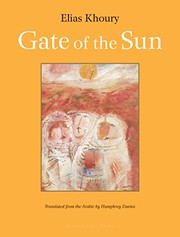
Gate of the Sun
Gate of the Sun is an epic novel that explores the Palestinian experience of displacement through the intertwined stories of refugees who fled their villages during the creation of Israel in 1948. Set primarily in a makeshift hospital in a Palestinian refugee camp near Beirut, the novel follows Khalil, a young man who cares for his mentor, Yunes, an ageing resistance fighter lying in a coma. As Khalil speaks to Yunes, he recounts stories of love, loss, resistance, and survival, attempting to keep his mentor alive through memory and storytelling.
At the heart of the narrative is Yunes’s relationship with Nahila, his wife, whom he secretly visits across the border in a cave known as the Gate of the Sun. Their story becomes a symbol of the enduring connection between Palestinians and their lost homeland. Through fragmented memories and multiple voices, Elias Khoury examines exile, identity, political struggle, and the power of storytelling to preserve a history threatened with erasure. Both intimate and sweeping, the novel portrays the human cost of dispossession while exploring how personal memories become part of a people’s collective history.
1998
2
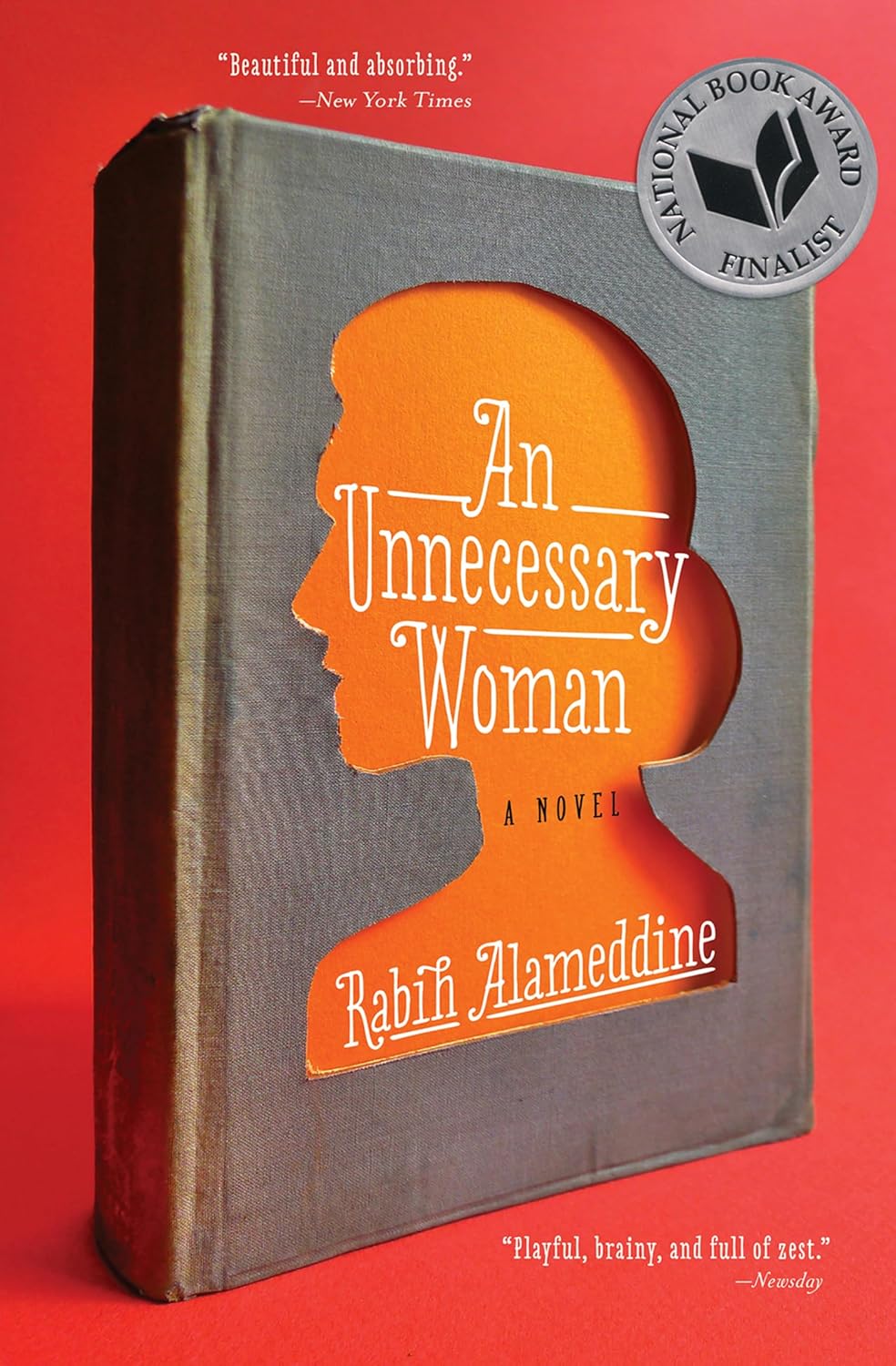
Unnecessary Woman
An Unnecessary Woman centres on Aaliya Saleh, a seventy-two-year-old woman living alone in Beirut. Divorced and estranged from much of her family, Aaliya has spent decades translating literary works into Arabic for her own satisfaction, often without publishing or sharing them. Books provide her with companionship, intellectual freedom, and a refuge from the expectations of a society that frequently overlooks older women. As political tensions and personal memories intrude on her carefully ordered life, Aaliya reflects on her relationships, the civil war, and the choices that have shaped her existence. Her solitary routine is disrupted when an unexpected event threatens to expose the private world she has built around literature. Alameddine explores ageing, independence, cultural identity, and the importance of art, portraying a woman who finds meaning not through conventional success but through the life of the mind.
2014
3
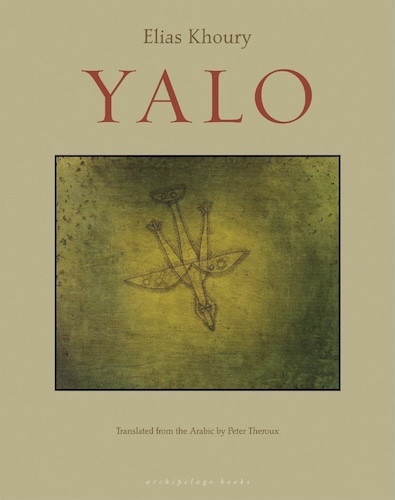
Yalo
Set in Beirut in the aftermath of Lebanon’s long civil war, Yalo follows Daniel Habil Abyad, a young Lebanese man of Assyrian Christian background whose life has been shaped by violence, displacement, and fractured family relationships. Known as Yalo, he is arrested and accused of rape and armed robbery, then subjected to brutal interrogation and torture. His interrogators demand a confession, forcing him to write and rewrite the story of his life until his memories become entangled with their expectations. As he revisits his childhood, his troubled relationship with his mother, and his obsessive pursuit of a woman named Shireen, the boundaries between truth, guilt, and imposed identity begin to dissolve. Through this disturbing psychological journey, Elias Khoury examines how violence distorts memory and how authoritarian power can manufacture a person’s identity. Both unsettling and deeply humane, Yalo asks whether we can ever truly understand ourselves when our stories are shaped by fear, desire, and the need to survive.
2015
4
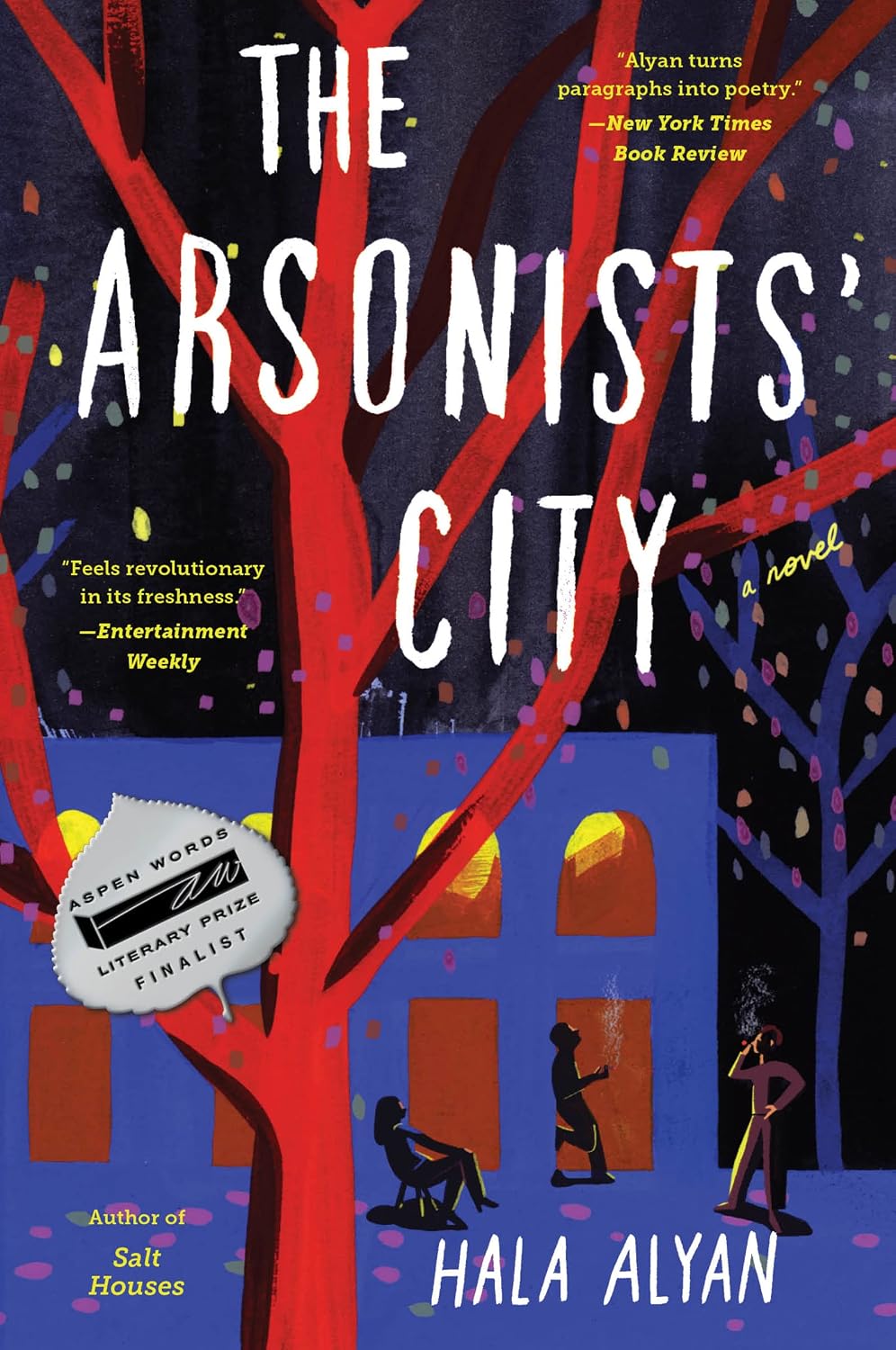
The Arsonists' City
The Arsonists’ City follows the Nasr family, whose members are scattered across Beirut and the United States but remain connected by their shared history and their ancestral home in Lebanon. When Idris decides to sell the Beirut house following his father’s death, his wife, Mazna, and their three adult children return to prevent the sale. Their reunion brings buried secrets, old romantic entanglements, and unresolved resentments to the surface. Through shifting timelines, Alyan reveals how the family came together and how migration, political conflict, and personal choices gradually shaped their relationships. Each family member has developed a different understanding of home, belonging, and responsibility, creating tensions that threaten to pull them apart. Against the backdrop of Lebanon’s turbulent history, the novel explores intergenerational trauma, cultural identity, and the complicated bonds that connect people to their families and places of origin.
2021
5
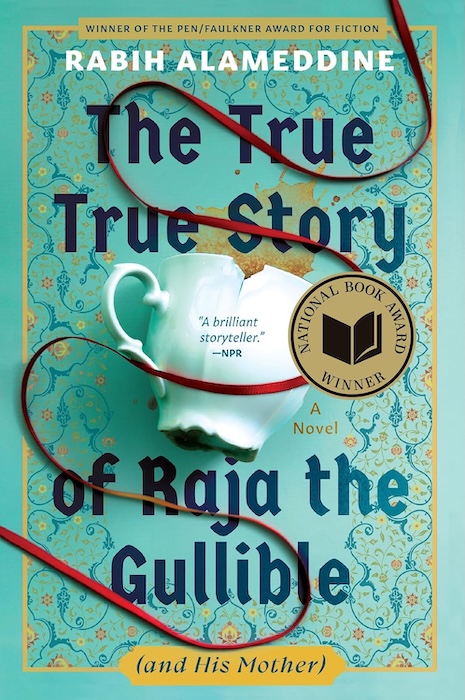
True True Story of Raja the Gullible (and His Mother)
True True Story of Raja the Gullible (and His Mother) follows Raja, a gay Lebanese man in his late sixties who lives in Beirut and spends his days writing letters to a mysterious correspondent he calls the “Dear Comrade.” Through these letters, Raja recounts his unconventional life, his complicated relationship with his formidable mother, and the experiences that have shaped his identity. His story moves between personal memories and Lebanon’s turbulent political and cultural history, touching on sexuality, religion, war, and the challenges of growing older in a society marked by contradiction. With characteristic wit, irreverence, and tenderness, Rabih Alameddine explores the boundaries between truth and storytelling, revealing how people reinvent their pasts to make sense of their lives. Beneath its humour lies a moving portrait of family bonds, loneliness, and the search for acceptance. The novel celebrates the freedom to live outside conventional expectations while acknowledging the enduring power of love, memory, and belonging.
2024